










Behind Topeng Wayang Wong: Unveiling the Eternal Heroes at Pura Taman Pule
Behind the gates of Pura Taman Pule, Ubud, lies a sacred heritage that has lived on for generations. Wayang Wong here is not merely a dance performance, but a sacred ritual that brings the timeless Ramayana epic to life. Every ancient mask, every resonating gamelan beat, and every movement of the dancers filled with meaning revives the legend of heroes that never fades with time. Audiences, both local and international, are immersed in a solemn atmosphere, experiencing a silence imbued with the scent of incense, the glow of oil lamps, and palpable spiritual energy. Watching Wayang Wong at Pura Taman Pule is more than appreciating art; it is a spiritual journey connecting us with history, the bravery of heroes, and the enduring noble values of Balinese culture.

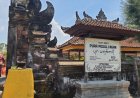
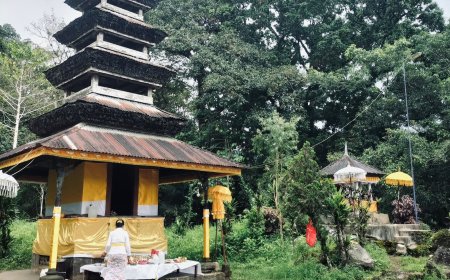
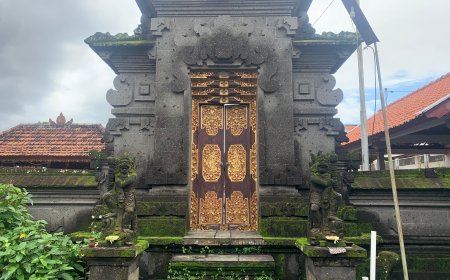
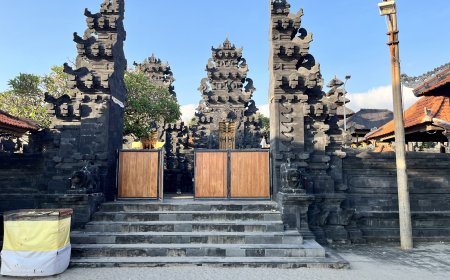
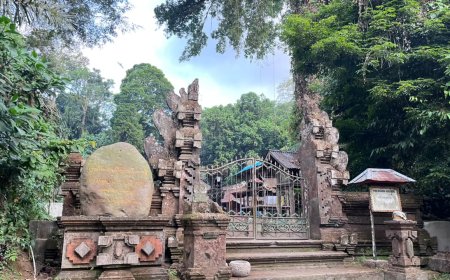
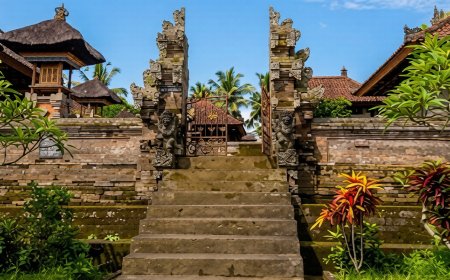
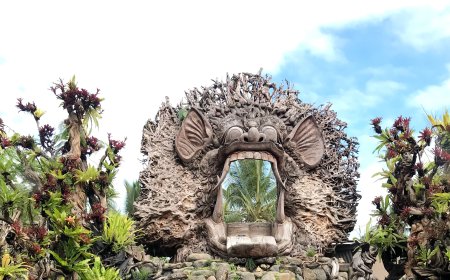
Bali is not only famous for its natural beauty, but also for its rich and profound cultural heritage. One of the cultural treasures that continues to thrive today is Wayang Wong, a performing art that combines drama, dance, music, and dialogue. This performance is not just entertainment; it also serves as a medium for conveying moral values, heroic tales, and local wisdom. One place that remains dedicated to preserving this tradition is Pura Taman Pule, a historic temple located in Mas Village, Ubud, Gianyar.
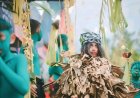
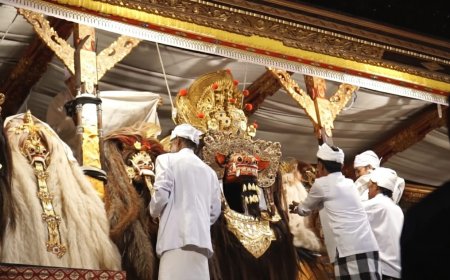
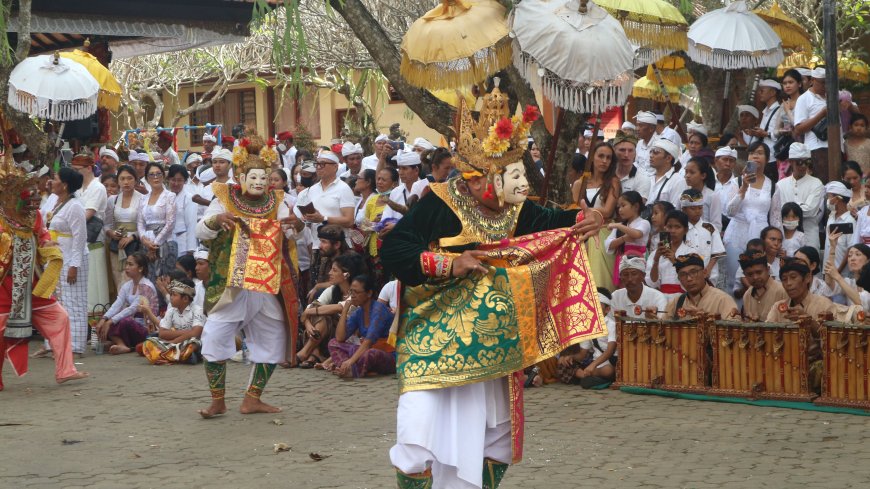
Wayang Wong at Pura Taman Pule is far from an ordinary performance. Behind every mask lies a deep story and meaning. The masks worn by the dancers symbolize characters from the Ramayana or Mahabharata-great epics from India that have been adapted into the Balinese cultural context. Characters such as Rama, Sinta, Rahwana, Hanoman, and even the giant soldiers all appear with stunning artistic detail. Every movement of the dancers and the sounds of the gamelan seem to bring these stories to life right before the audience’s eyes.

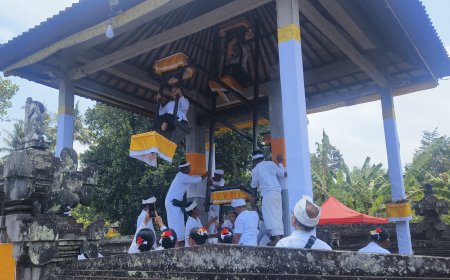
Topeng Wayang Wong, heritage of the Klungkung Kingdom (Image Source: Personal Collection)
The Wayang Wong performance at Pura Taman Pule is usually held during important religious ceremonies. The performance is regarded as a form of sacred offering, not merely entertainment. Before the show begins, the dancers perform purification rituals and pray to Ida Sang Hyang Widhi Wasa (the Supreme God) for blessings, so that the performance may run smoothly and bring harmony to the universe.
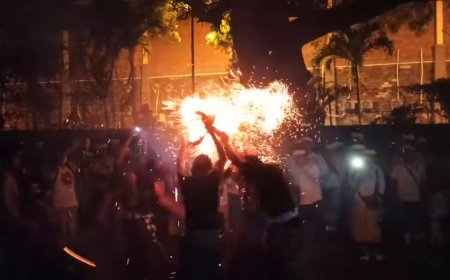
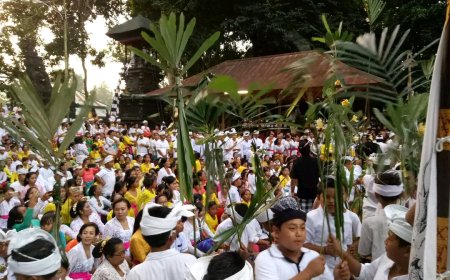
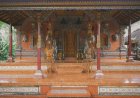
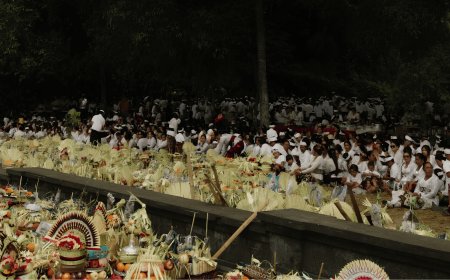
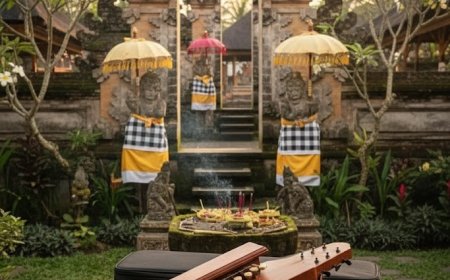
The atmosphere of the temple during the performance feels magical. The scent of incense fills the air, the gamelan begins to play, and the dim lighting creates a sacred ambiance. The audience, consisting of both local residents and foreign visitors, sit neatly in the temple courtyard. Everyone present is required to wear a kamben (traditional Balinese sarong) and sash as a sign of respect for the holy place. Tourists are often enthusiastic about following this custom, which makes the atmosphere even livelier and more inclusive.
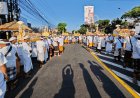
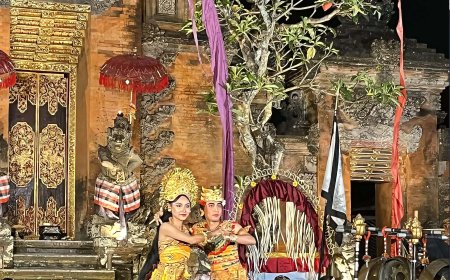
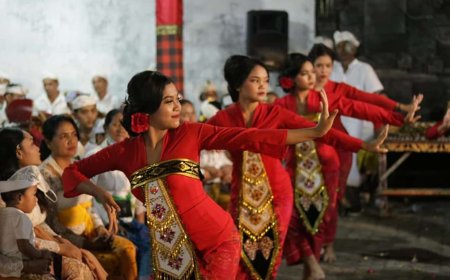
One of the most fascinating rituals is megat sesolahan, where attendees are allowed to walk through the middle of the dance. This ritual symbolizes self-purification and represents passing through a spiritual gate guarded by the heroes of the Ramayana. This moment often gives the audience goosebumps, as it feels as if they themselves are becoming part of the story being performed.

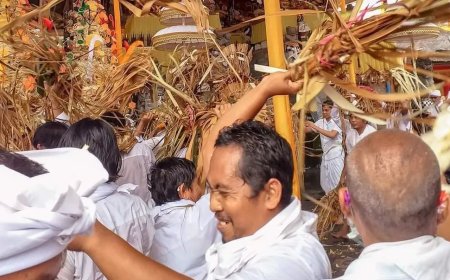
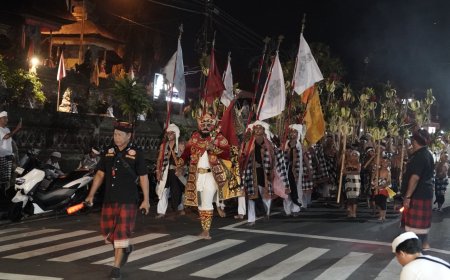
Wayang Wong performance during the Kuningan temple festival (Image Source: Personal Collection)
The masks used in Wayang Wong are not ordinary masks. Their creation requires great skill and precision. Each mask is carved from carefully selected wood, then painted with distinctive colors that represent specific characters. For example, red often symbolizes bravery or fierceness, while white reflects purity and wisdom.
When a dancer wears a mask, they do not merely dance they transform into the character they portray. Body expressions, vocal intonation, and even eye movements must match the character’s traits. This is what makes a Wayang Wong performance feel so alive, as if the epic tales of the Ramayana and Mahabharata are unfolding right before the audience’s eyes. The pounding rhythm of the gamelan and the commanding voice of the dalang (narrator) heighten the dramatic atmosphere.
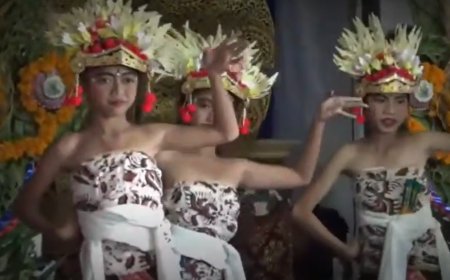
Despite its immense cultural value, Wayang Wong faces challenges. Interest among the younger generation in traditional arts has been declining due to the lure of instant digital entertainment. However, the art community around Pura Taman Pule continues to teach dance, mask-making, and gamelan playing to children and teenagers, striving to keep this cultural heritage alive.

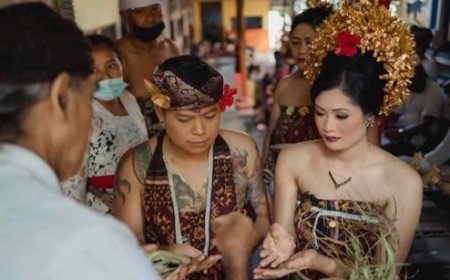
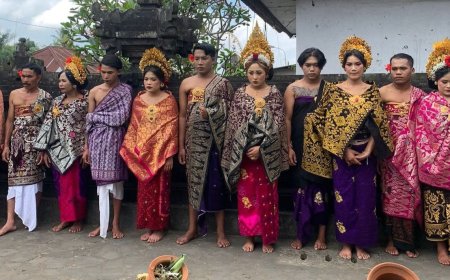
Wayang Wong dancers across generations at Pura Taman Pule (Image Source: Personal Collection)
This preservation is not only crucial for maintaining Bali’s cultural identity but also serves as an attraction for cultural tourism. Visitors to Pura Taman Pule can witness Wayang Wong firsthand, learn about its meaning, and even try wearing the masks and take photos with the dancers after the performance. It is not uncommon for foreign tourists to record these moments and share them on social media, helping to introduce Wayang Wong to a global audience.
Wayang Wong at Pura Taman Pule is a captivating cultural experience. The combination of dance, gamelan music, and heroic tales draws the audience into an atmosphere that is both sacred and dramatic. The story of Rama fighting to rescue Sita, or Hanoman bravely leaping across the ocean, becomes an inspiration about courage, loyalty, and sacrifice.
For those who wish to experience Bali beyond just its beaches and cafés, watching Wayang Wong is the perfect choice. You will truly feel like part of the ceremony. This performance is a window into a living past, reminding us to appreciate the cultural heritage passed down from generation to generation.