
























Nasi Angkeb: A Heritage of Taste and Holiness in Karangasem Traditional Ceremonies
Nasi Angkeb is a traditional culinary dish that not only fulfills nutritional needs but also plays a vital role in cultural practices and traditional ceremonies. In eastern Bali, Nasi Angkeb serves as a symbol of simplicity, purity, and respect for ancestors. Its distinctive characteristics lie in its preparation method and its integral role in various Karangasem rituals.
Karangasem is known for its strong agricultural traditions and its people's upholding of Tri Hita Karana, the balance between humans, nature, and God. In this context, Nasi Angkeb has symbolic meaning, representing togetherness and a solid life.
The term "angkeb" means "pressed" or "pressed." This reflects the Karangasem people's philosophy that, despite its simplicity, life must be lived with determination. Nasi Angkeb is often included in banten (offerings), especially during pitra yadnya ceremonies.
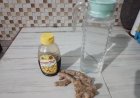
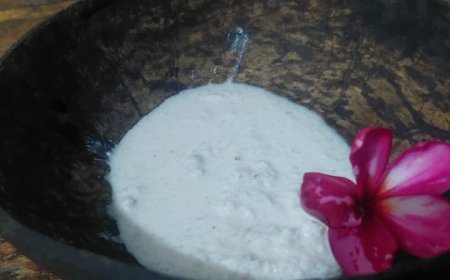
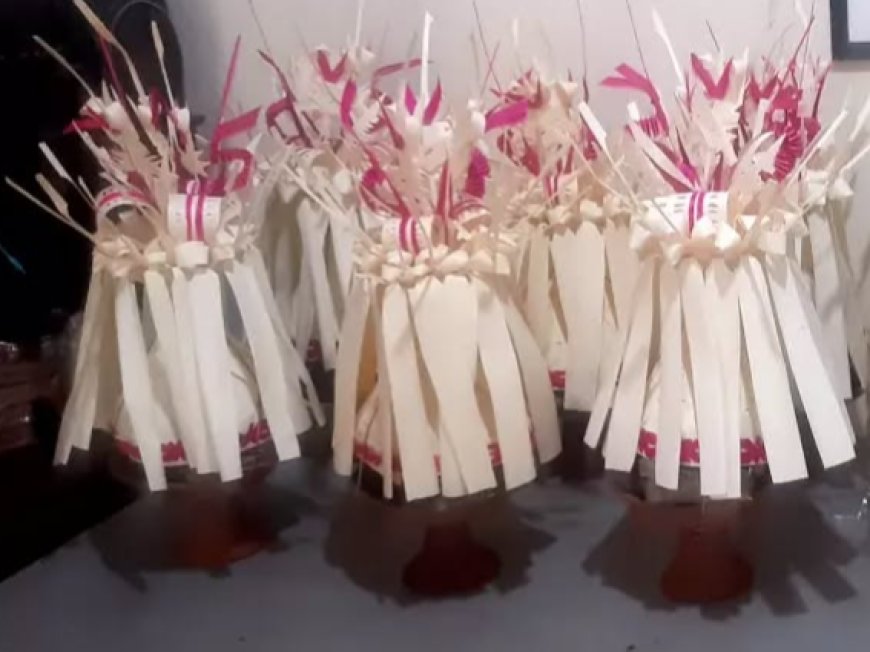
In Karangasem, Nasi Angkeb is made from local rice grown on the slopes of Mount Agung. The process begins by steaming the rice until half-cooked, then mixing it with grated young coconut and a pinch of Amed sea salt. After steaming until cooked, the rice is pressed into a bamboo container or traditional wooden mold.

The process of making Nasi Angkeb (Source: Personal Collection)
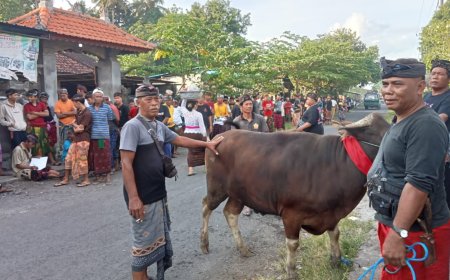
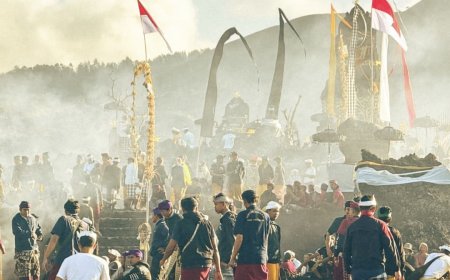
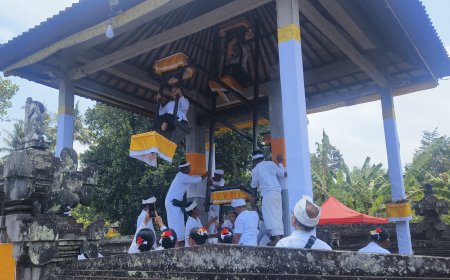
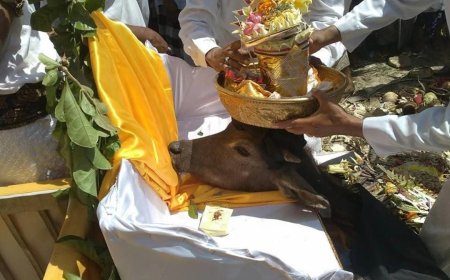
During the ngaben ceremony in Karangasem, Nasi Angkeb is generally offered as part of the banten makinsan ring geni (a kind of offering). This offering is placed near the burning bade (ox) that serves as a receptacle for the body, serving as a symbol of purification and spiritual provision for the spirit.
Furthermore, Nasi Angkeb is also placed alongside simple side dishes such as coconut lawar (a type of coconut milk) or fish in the offering arrangement. Its presence emphasizes that the offering does not have to be extravagant, but rather sincere and full of meaning.
Karangasem has its own distinctive approach to using Nasi Angkeb during ngaben ceremonies. In some villages, families preparing large quantities of Nasi Angkeb to share with relatives and members of the community who help. This reflects the values of mutual cooperation and harmony inherent in the local community.
Furthermore, Nasi Angkeb produced in Karangasem is often thicker and larger than in other areas of Bali. This symbolizes the family's determination in carrying out the process of releasing the soul.
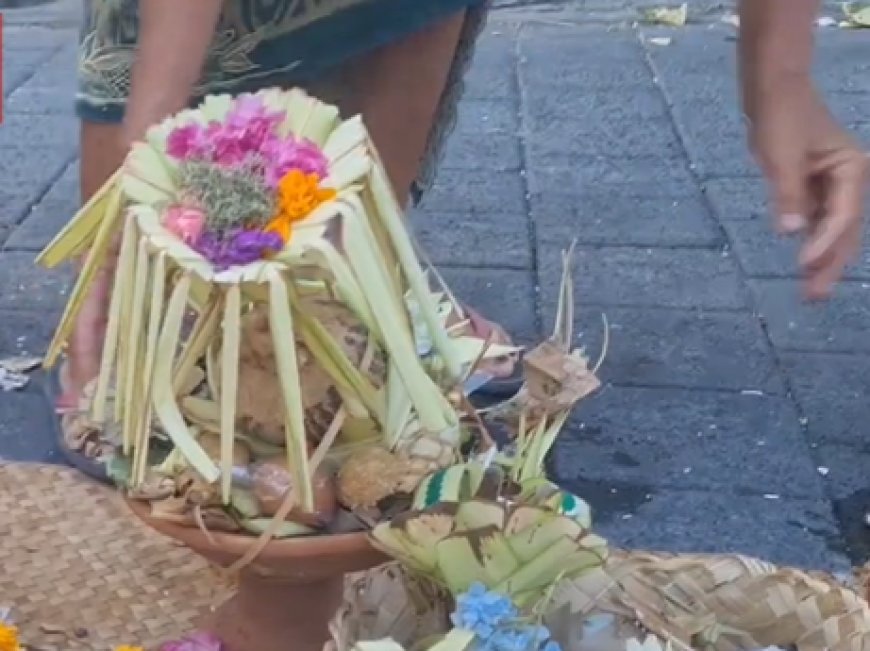
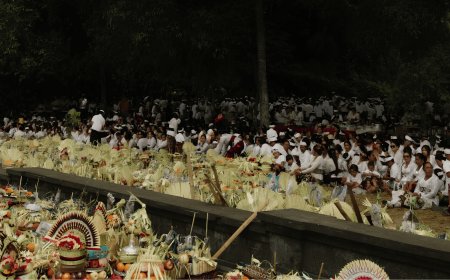
Nasi Angkeb as a Banten in the Ngaben Ceremony (Source: Personal Collection)
Nasi Angkeb in the Ngaben ceremony in Karangasem is an important symbol of the sincerity of the offering, patience, and strength of the family in releasing the spirits of their ancestors. Its simple yet meaningful preparation process makes this dish more than just rice. Nasi Angkeb serves as an integral part of the Makisan Ring Geni Banten, as well as a form of prayer and respect that accompanies the spirit's journey towards purification.