















Bong Aya Pasupati Temple: Silent Witness to the formation of Sangsit Village
The Bong Aya Pasupati Temple in Sangsit Village, Buleleng, stands as a witness to the historic unification of four small traditional villages that formed Sangsit Village. As a spiritual center, the temple hosts the pemasupatian jagat ceremony, a symbol of the community's strength and unity. Its majestic architecture, including the main shrines and the unique westward prayer orientation, reflects the grandeur of Balinese culture. The holy day celebration every 210 days solidifies the temple as a symbol of harmony between humans, nature, and Sang Hyang Widhi Wasa.

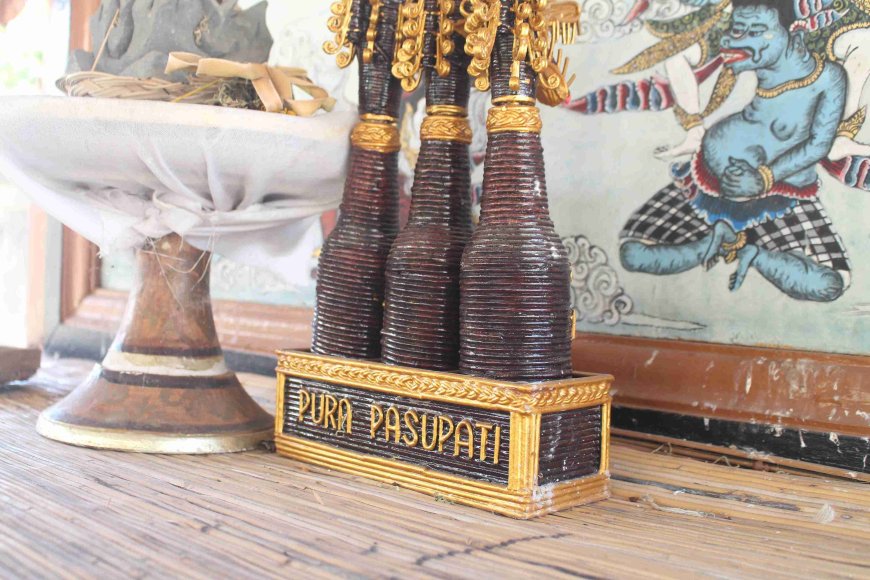
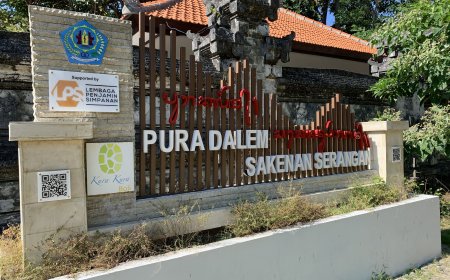
Bong Aya Pasupati Temple is located in Sangsit Village, Sawan District, Buleleng Regency, Bali. It is approximately 9 kilometers northeast of the center of Buleleng City, offering an atmosphere rich in historical and spiritual significance. This temple serves not only as a place of worship but also as a repository of stories about the local community's life, making it a highly revered site.
Bong Aya Pasupati Temple stands as a silent witness to the history of Sangsit Village's formation. The village emerged from the merging of four small traditional villages: Gunung Sekar Traditional Village in the East, Tegal Menasa Traditional Village in the West, Beji Traditional Village in the North, and Soralepang Traditional Village in the South. Each of these villages had its own unique history and culture, which were unified in a process vital to the village's historical journey.
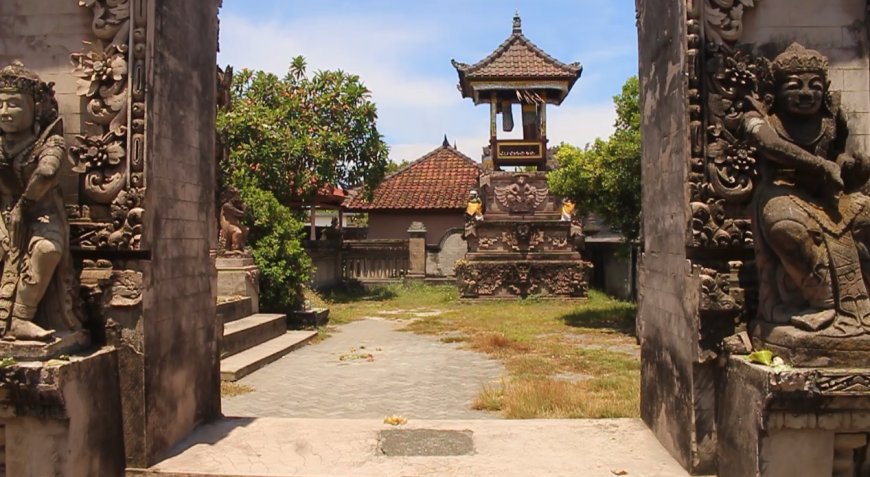
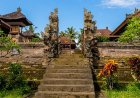
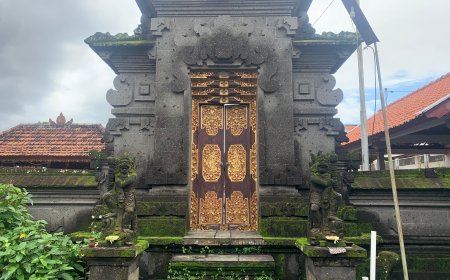
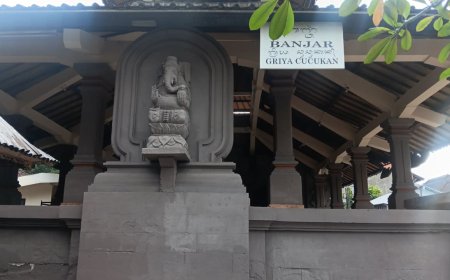
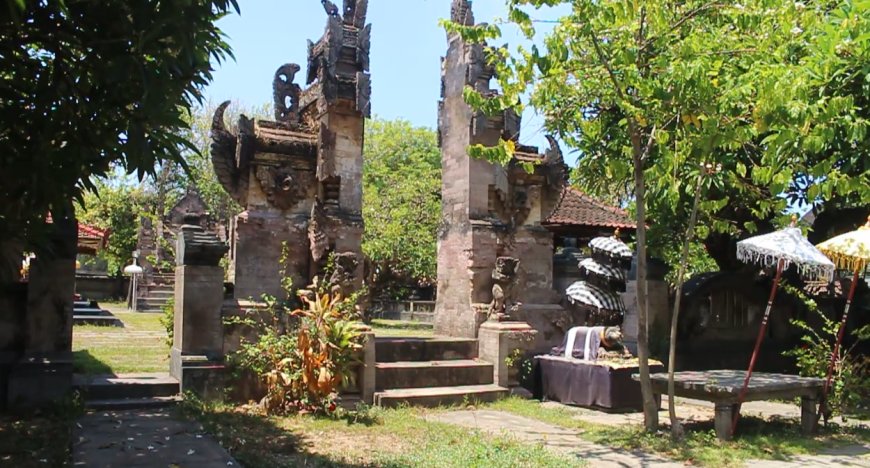
Nista Mandala or Outer Courtyard of Bongaya Pasupati Temple (Source: Private Collection)
This unification transformed Sangsit Village into a Banjar Adat, a new administrative and cultural entity replacing the four traditional villages. To support the governance of the newly formed village, Bong Aya Pasupati Temple was designated as the Village Temple. It was at this temple that the pemasupatian jagat ceremony was held, which gave rise to the name Pasupati Temple, symbolizing the strength and unity of the village community. This ceremony was a pivotal moment, marking the beginning of a new spiritual and administrative journey for the village.
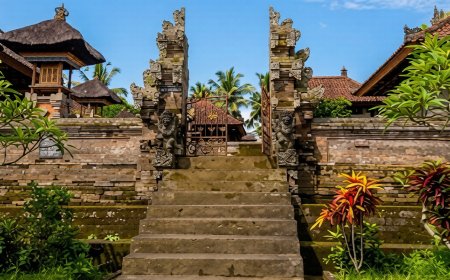
Bong Aya Pasupati Temple features distinctive architecture that reflects the grandeur of Balinese culture. Each temple gate is adorned with majestic gateways, standing firm as symbols of strength and past glory. These gateways not only serve as boundaries but also as symbols of the entrance to peace and blessings bestowed by Sang Hyang Widhi Wasa.
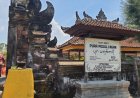
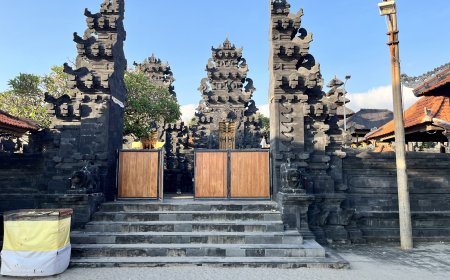
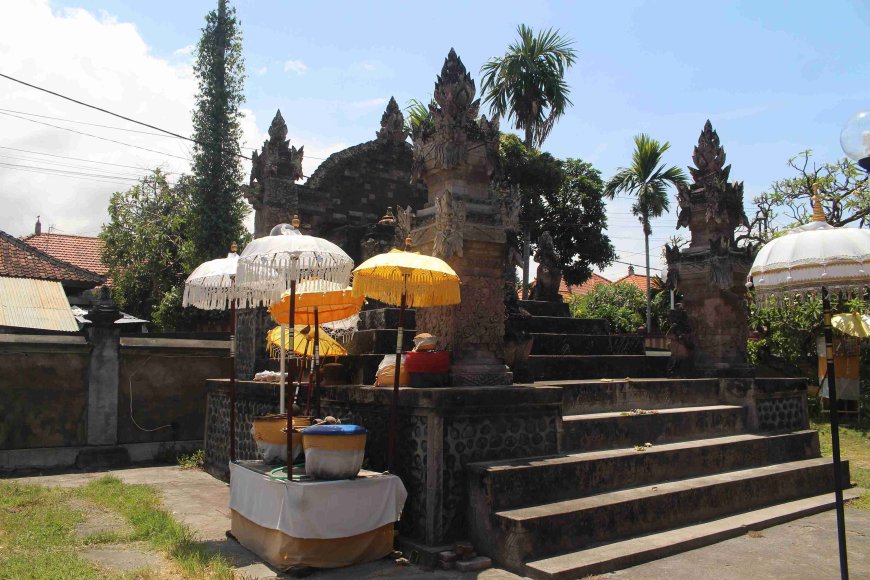
Madya Mandala or Central Courtyard of Bongaya Pasupati Temple (Source: Private Collection)
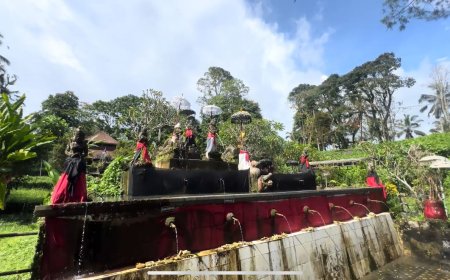
In the Nista Mandala section, visitors will find rows of sturdy shrines emanating a calming spiritual presence. In one corner, there is a Bale Kulkul with its traditional wooden bell, producing a distinctive sound that instills courage and serves as a reminder of cherished traditions. The kulkul sound is often used to remind the community of the importance of unity in fulfilling their duties and responsibilities.
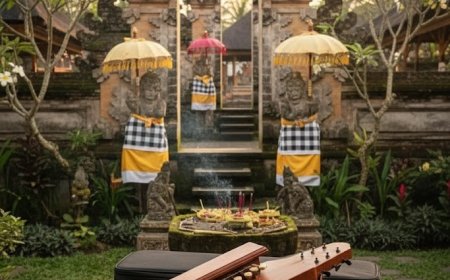
The Madya Mandala section is adorned with shrines situated in a shady courtyard, surrounded by lush trees that create a serene atmosphere. This courtyard serves as a place for reflection and reverence, strengthening the spiritual connection between Hindu devotees and Sang Hyang Widhi Wasa. Before entering the Utama Mandala, there is a guardian spirit named Ratu Nyoman, tasked with safeguarding the temple's sanctity. The presence of this spiritual guardian highlights the importance of maintaining purity and harmony in every aspect of life.
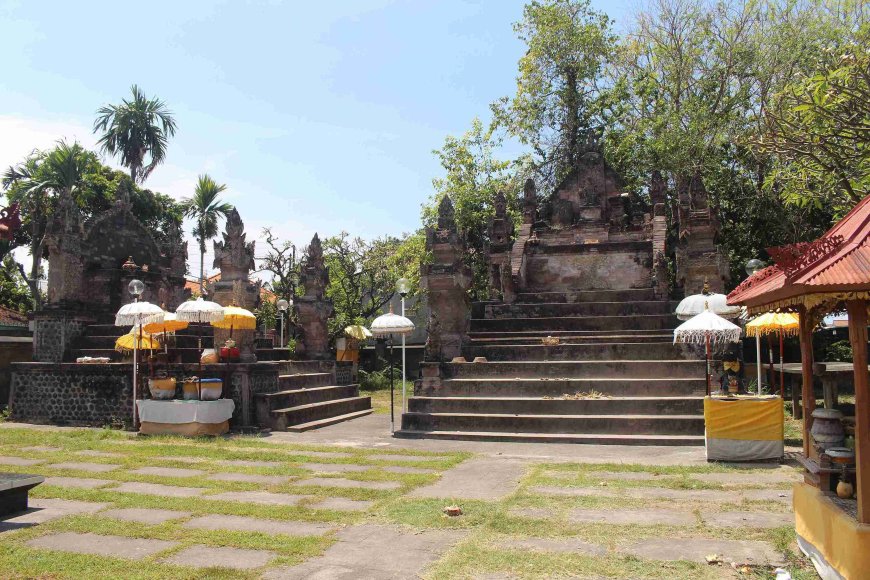
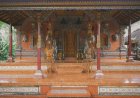
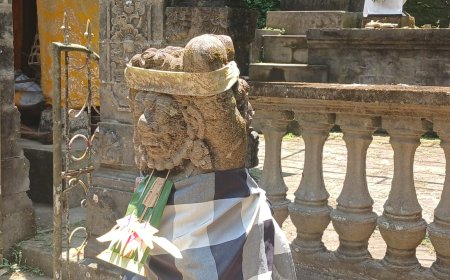
Utama Mandala or Inner Courtyard of Bongaya Pasupati Temple (Source: Private Collection)
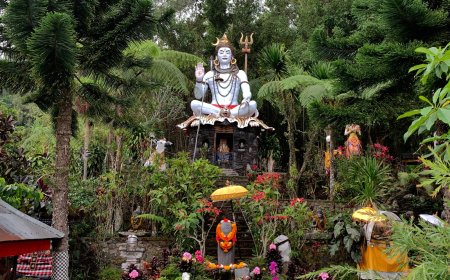
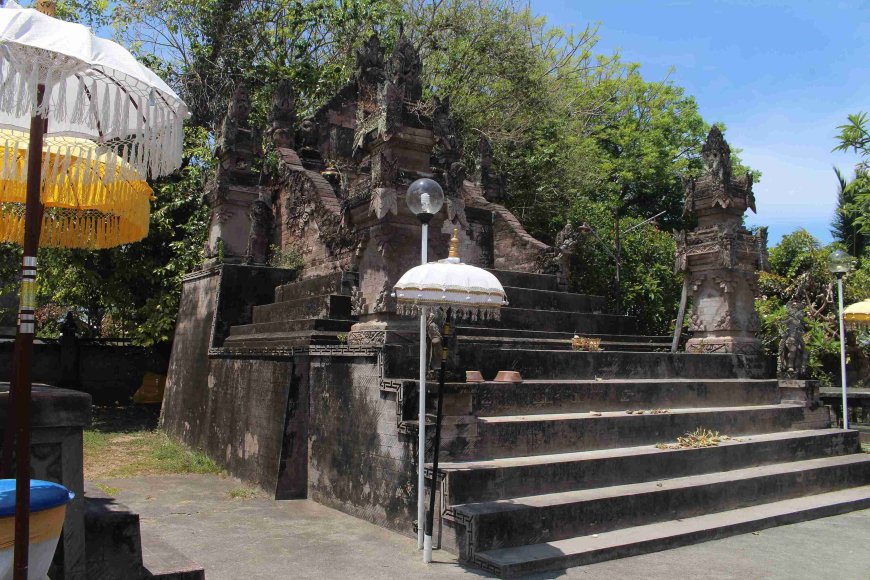
In the Utama Mandala section, there are two main shrines side by side. The first shrine faces east, where Ida Sang Hyang Pasupati resides. The second shrine faces north, where Dewi Ratu Nyang Purusa Predana resides. These two shrines represent the balance between male and female spiritual forces, a vital aspect of daily life.
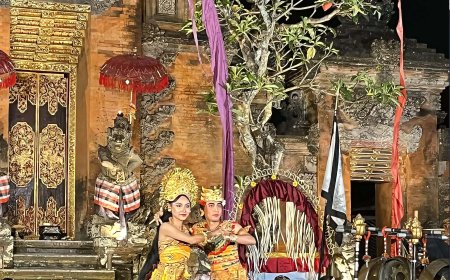
Both shrines are adorned with beautifully carved reliefs, adding a sacred atmosphere to the temple. These carvings depict epic Hindu stories filled with profound life lessons. Another unique feature of Bong Aya Pasupati Temple is its west-facing prayer direction, which is rarely found in other temples in Bali. This orientation carries a special meaning, symbolizing balance and harmony between the material and spiritual worlds.
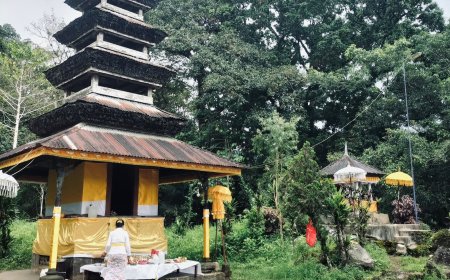
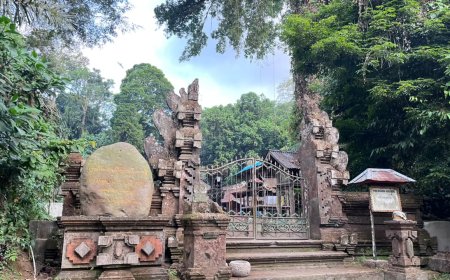
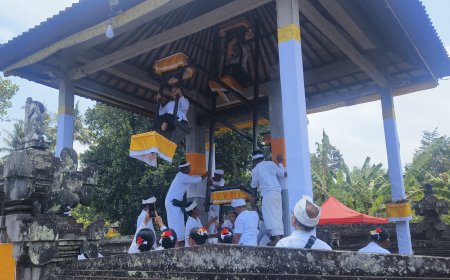
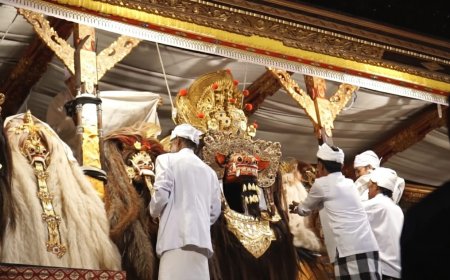
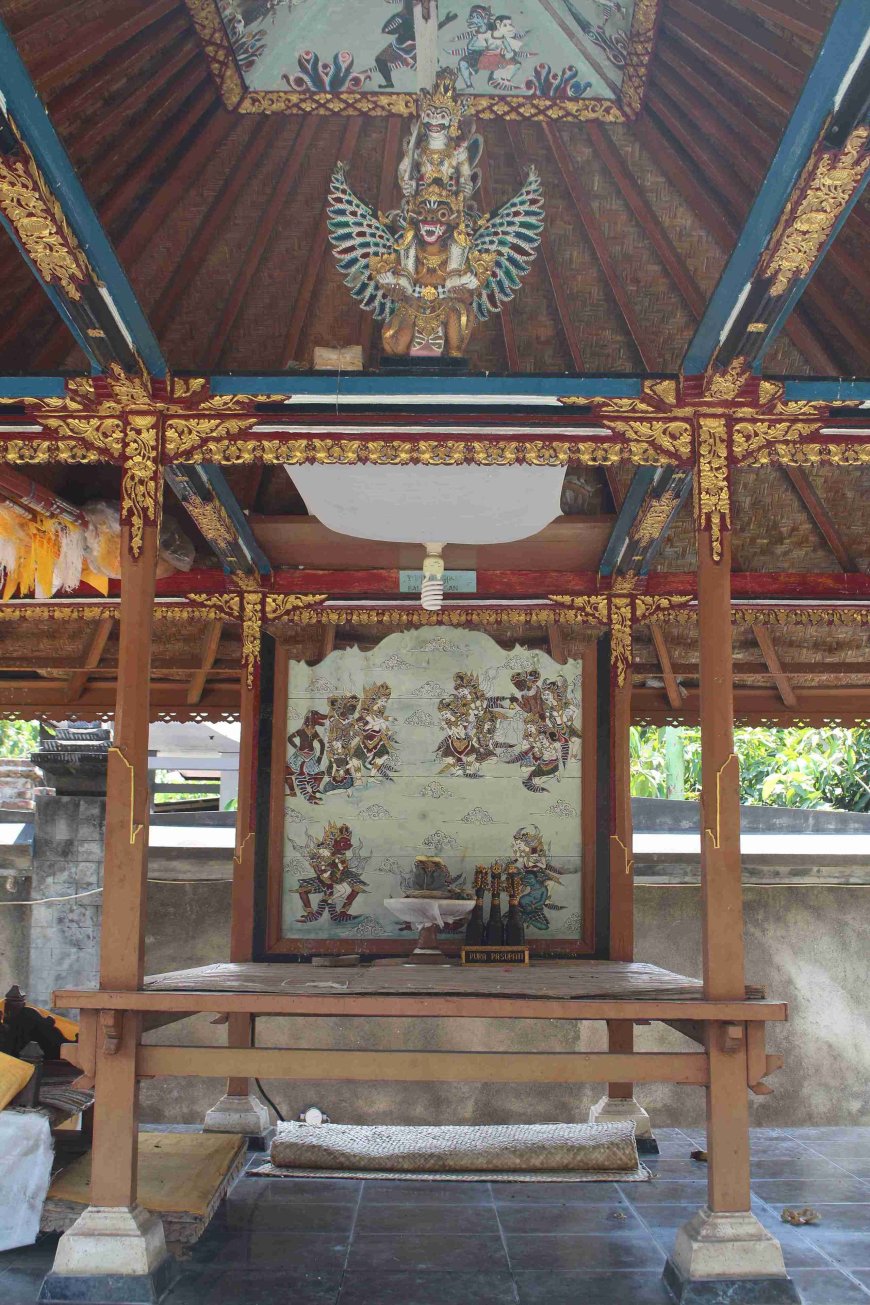
The temple also features sturdy and beautiful pavilions, used for various religious ceremonies. These facilities demonstrate great care for the comfort of devotees, allowing them to pray and perform rituals with focus and devotion.
Bale-bale at Bongaya Pasupati Temple (Source: Private Collection)
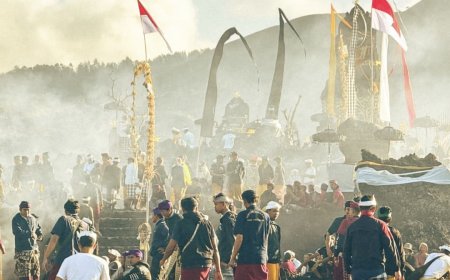
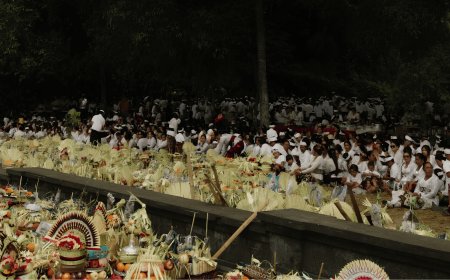
The holy day of Bong Aya Pasupati Temple is celebrated every 210 days, on Saturday or Saniscara in the Wuku Landep calendar system. On this special day, Hindu devotees gather solemnly to offer prayers and worship to Sang Hyang Widhi Wasa. This celebration becomes an important moment for the community to strengthen togetherness and renew their spiritual bonds. During this event, it is evident how traditions and Hindu religious values are well preserved.
Bong Aya Pasupati Temple serves not only as the spiritual center of the Sangsit Village community but also as a historical symbol that records the village's formation process. With its magnificent architecture and rich traditions, this temple continues to be a place of worship that maintains harmony between humans, nature, and Sang Hyang Widhi Wasa. Its existence teaches us to always appreciate and preserve the cultural heritage passed down by our ancestors.