












Mekotek Tradition: Symbol of Victory and Generational Tradition in the Munggu Customary Village
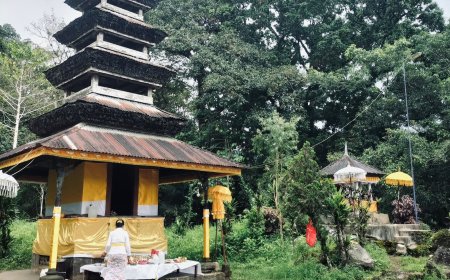
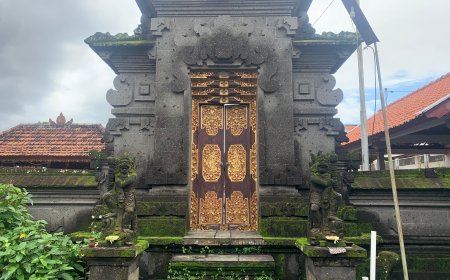
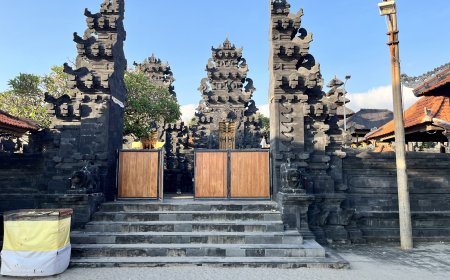
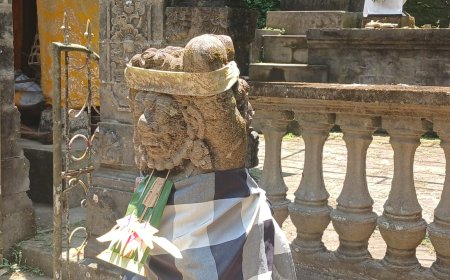
The village of Munggu, located in the Mengwi District, Badung Regency, Bali, is not only known for its beautiful tourist destinations with stunning beaches but also as a place rich in tradition and culture. One of the traditions that has been passed down through generations and continues to be preserved to this day is the Mekotek ceremony. This ceremony is not only a religious ritual but also a symbol of victory and an effort to ward off disasters that befell the village decades ago.

The history of the Mekotek Tradition began in the Munggu Customary Village in the 1800s when there was a desire to expand influence into the Blambangan region. In a brief history, the Munggu Customary Village had a group called Taruna Munggu. These young warriors were commanded by the Munggu King to expand the territorial influence, leading to a successful resistance against the Blambangan Kingdom.
The Mekotek Tradition serves as a symbol of that victory. Initially, the tradition involved the use of iron or spears. However, during the Dutch colonial era in 1915, the tradition was briefly halted due to concerns about potential uprisings as villagers celebrating Mekotek were seen carrying spears. Bamboo eventually replaced the spears.

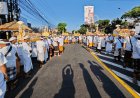
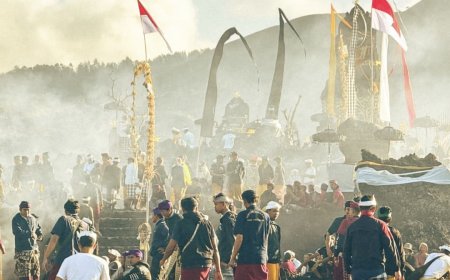
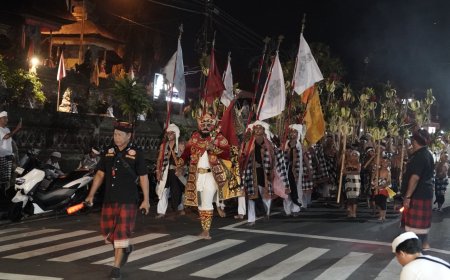
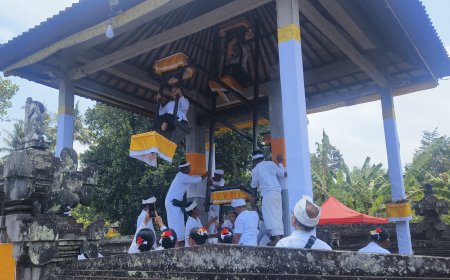
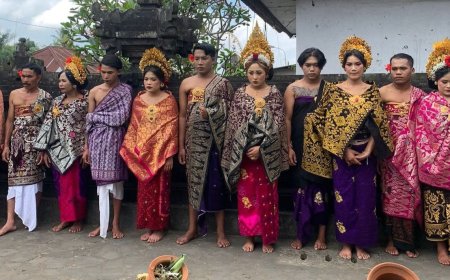
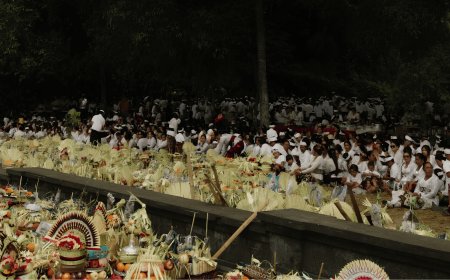
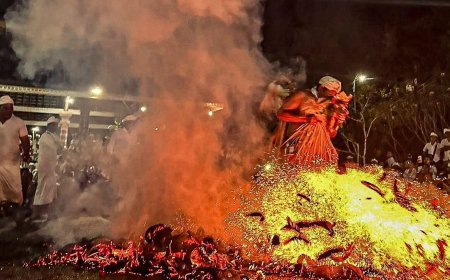
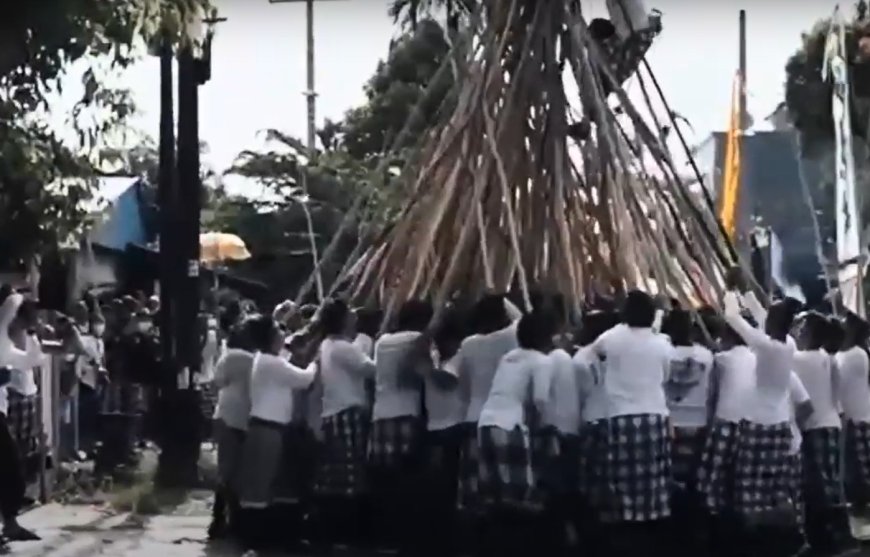
Mekotek Tradition (Photo Source: Personal Collection)
The term "Mekotek" is derived from the sound "tek tek," representing the clashing of wood during the ceremony. It symbolizes victory and communal strength. During the ceremony, local communities gather to form a group of village youth. Carrying long and thick bamboo poles, they engage in coordinated and rhythmic movements, clashing the bamboo against each other.
This ceremony is not just a visual and auditory spectacle; it is also a platform to strengthen solidarity and unity within the community. Through coordinated movements, they generate positive energy believed to ward off disasters and provide protection for the entire village.
Before the Mekotek Tradition, there are preliminary ceremonies where the villagers clean shields and various weapons used in past wars, offering them in a ritual. These ceremonies also take place during the Kuningan celebration.
There are conditions or "awig-awig" that locals must follow to participate in this tradition. For example, only males aged fifteen to eighty can join, while females and elderly residents can accompany the ceremony.
Even during the COVID-19 pandemic, which affected the past few years, the tradition continued with limitations, allowing only a few youths from each community in the Munggu Customary Village to participate. Why did it persist? According to Jero Bendesa of the Munggu Customary Village, I Made Suwinda, the tradition must continue because it has been passed down through generations. He believes that not performing the Mekotek Tradition could bring misfortune or calamities, such as drought, to the village. Additionally, the tradition symbolizes prosperity for the Munggu Customary Village.
Despite the pandemic, the Mekotek ceremony in Munggu, Bali, is not just a customary ritual but also a tangible form of priceless cultural heritage. Amidst modernization, the local community remains committed to preserving this tradition, ensuring that its values and philosophies endure and are passed down to future generations.