










A Myriad of Colors on Desa Adat Serangan: Reclamation, Cultural Diversity, and Enchanting Spiritual Traditi
Serangan Island in Bali underwent a transformation through reclamation in 2016, expanding Serangan Village to 500 hectares. Despite the controversial impact of land acquisition by the military (ABRI), the island's community adapted with permissions for selling and fishing. Attractions such as Turtle Park Serangan and Pura Dalem Sakenan, along with the cultural diversity of Serangan Traditional Village, make Serangan Island an unforgettable experience with traditional ceremonies, mesolah traditions, and its natural beauty.

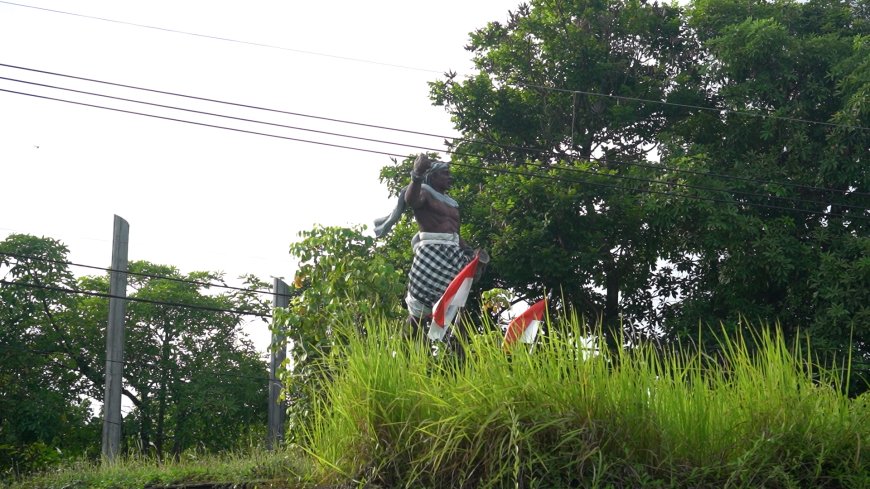
Statue of Pahlawan Serangan (Source: Personal Collection)
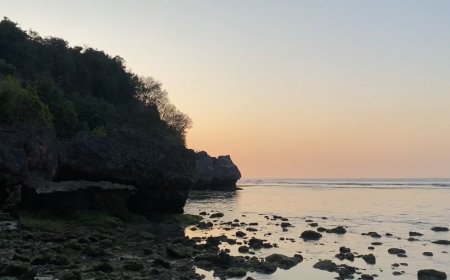
Serangan Island, with a relatively small size, measures approximately 2.9 kilometers in length and 1 kilometer in width, boasting a coastline of about 8 kilometers that embraces its beauty. The name Serangan is derived from the words sira and angen, reflecting its allure that evokes a longing for the natural beauty it offers. Positioned between the tourist destinations of Tanjung Benoa and Nusa Dua to the south, Sanur to the northeast, and Benoa Harbor to the west, Serangan Island stands as a captivating attraction located in the Village/Subdistrict of Serangan, Denpasar City, Bali Province.
Serangan Island, once a small island within the city of Denpasar, underwent a significant transformation through reclamation in 2016 carried out by PT.BTID. The company created a road connecting the mainland of Denpasar to Serangan Island. Initially covering an area of only 70 hectares, Desa Serangan has now expanded to 500 hectares, with approximately 450 hectares resulting from BTID's reclamation efforts. Before this transformation, the island was a livelihood for the Serangan community, with 95% of the population engaged in fishing and the remaining 5% involved in trade.
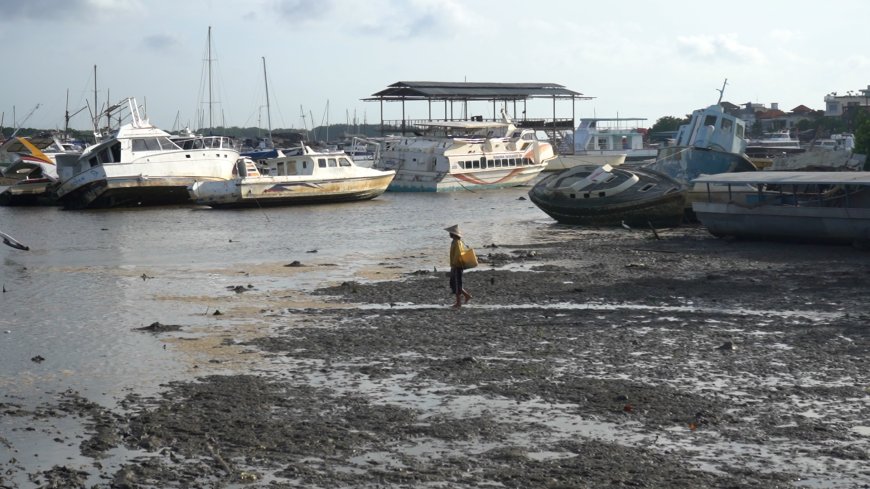
Fisherman of Desa Adat Serangan (Source: Personal Collection)
The reclamation journey on Serangan Island has had significant impacts on the lives of the local community, including controversies surrounding land acquisition by the military (ABRI) that felt like a threat to dissenters. Although, after the reclamation, the community was granted permission to sell goods and engage in fishing, the fishing grounds were not as abundant as before. Over time, the permission to sell in the BTID area's beachfront was revoked six years ago due to a planned project. Ironically, the project was never implemented, leaving the community feeling disadvantaged with unused coastal land that should have been utilized. These difficulties have created a lack of preparedness among the community in facing various aspects of life in the future.
In terms of geography, Serangan Village has well-defined boundaries, bordered to the north by Sanur Kauh Village, to the south by Tanjung Benoa Subdistrict, to the west by Pedungan Village, and to the east by the Badung Strait. Administratively, Serangan Village is divided into six Hindu traditional banjars and one Bugis Village adhering to Islam, including Banjar Dukuh, Banjar Peken, Banjar Kawan, Banjar Tengah, Banjar Kaja, Banjar Pojok, and Banjar Bugis. With this administrative structure, Serangan Village reflects the cultural and religious diversity that inhabits the region.
In the northern part of Serangan Island, its territory directly borders the sea and mangrove forests, making approximately 60 percent of the island consist of water. In the past, Serangan Island served as a stopover for sailors from Makassar seeking a water supply. After experiencing the beauty of the island and being influenced by sira angen or longing, many sailors decided to settle there. The settlement they formed later became known as Bugis Village.
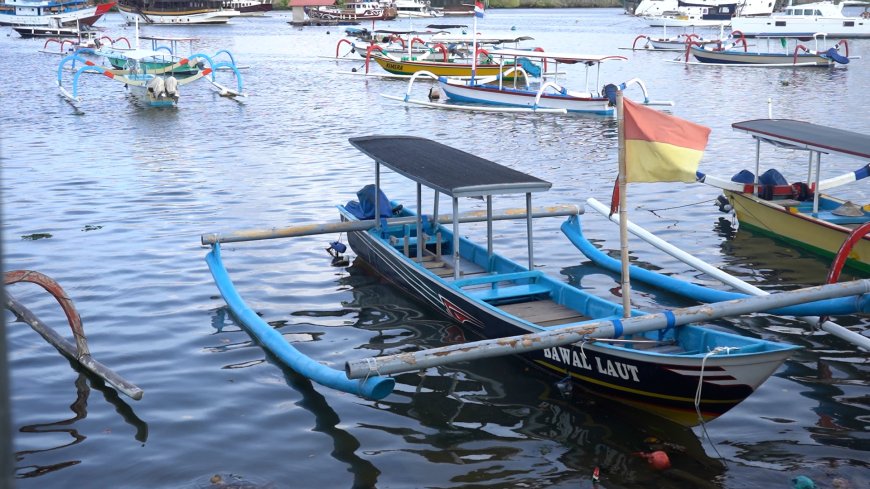
Fisherman Jukung (Source: Personal Collection)
The people of Serangan Island depend on marine resources for their livelihoods. Despite significant coastal area reduction due to island reclamation, the local community has adapted by engaging in various professions such as seaweed farming and working in the maritime sector. The island's population consists of native Balinese people and migrants from various ethnic groups, including the Bugis people. This diversity creates cultural harmony on Serangan Island, illustrating how the island is not just a beautiful place to live but also involves rich interactions among different community groups.
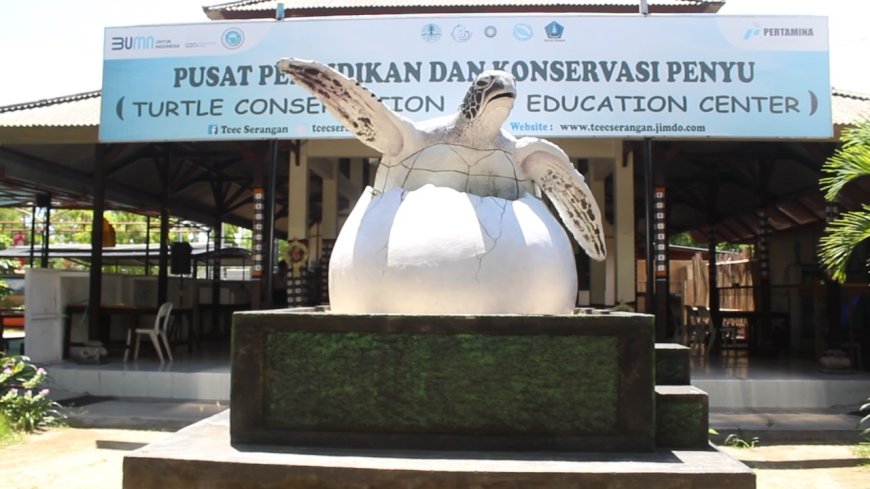
Statue of Turtle Education and Conservation Center (Source: Personal Collection)
Turtle Park Serangan, or the Turtle Education and Conservation Center (TCEC), located at Jalan Tukad Punggawa No. 4, Serangan Village, South Denpasar, Bali, is a recommended tourist destination on Serangan Island. It focuses on a conservation mission to save sea turtles from extinction by relocating turtle nests to a captive facility.
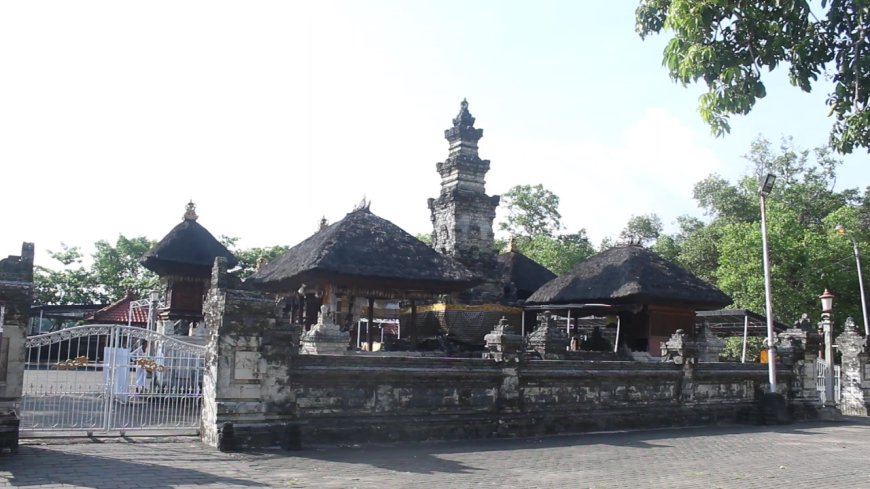
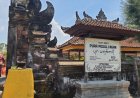
Pura Sakenan (Source: Personal Collection)
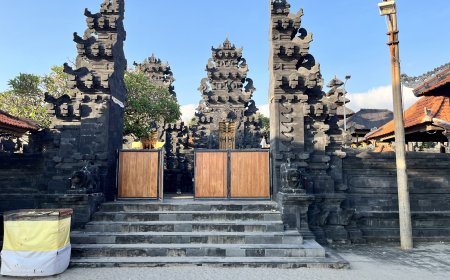
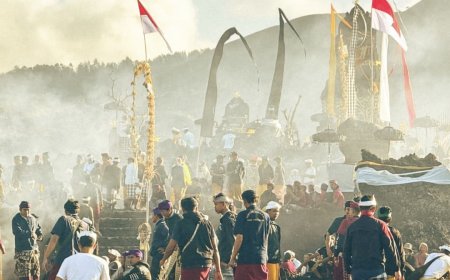
Dwijendra Tattwa teaches that Danghyang Nirartha united with the Divine on Serangan Island, where he established the Pura Dalem Sakenan in the 15th century. Pura Sakenan, built around the year 1489 during the reign of Dalem Waturenggong, serves as the focal point for celebrations of Pujawali every 210 days, especially during Kuningan, which falls on Saturday Kliwon.
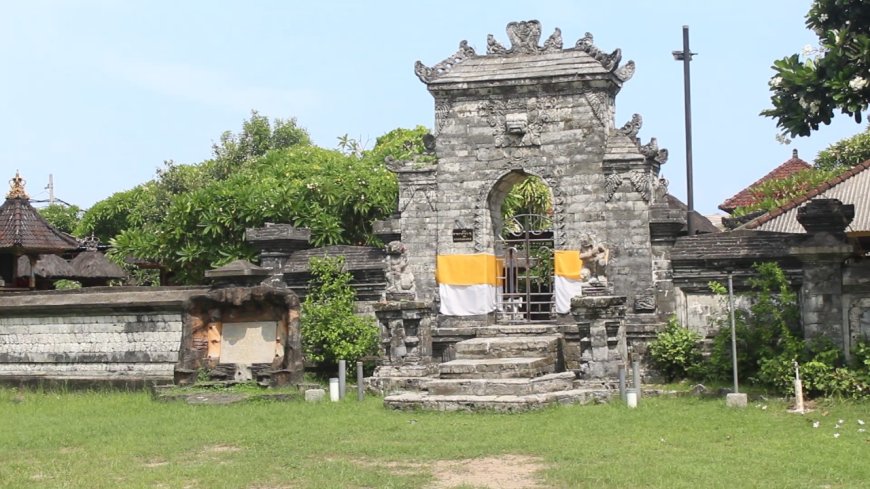
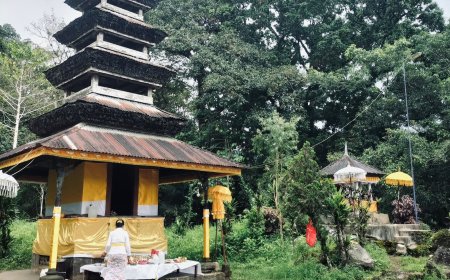
The Inner of Pura Dalem Cemara (Source: Personal Collection)
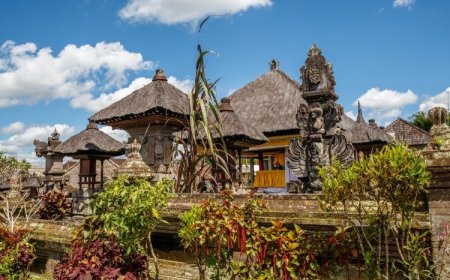
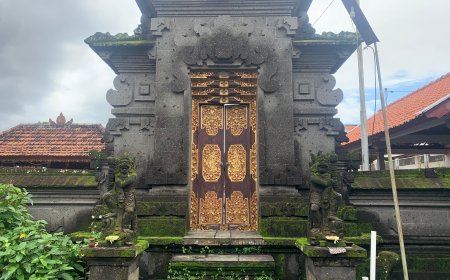
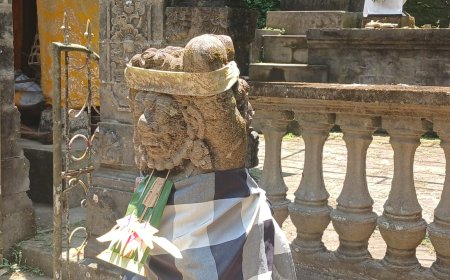
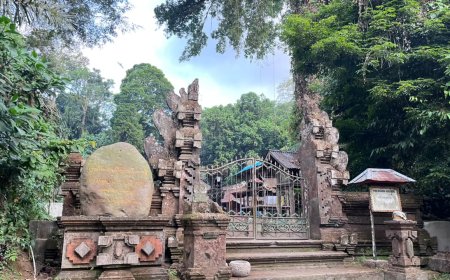
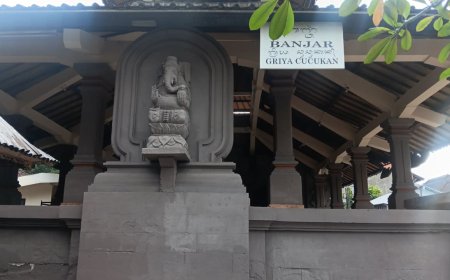
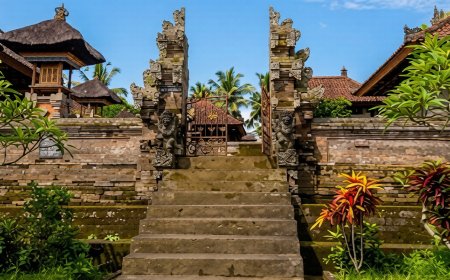
The Pura Khayangan Tiga in Desa Adat Serangan captivates with its unique concept. Unlike the common Khayangan Tiga concept consisting of Puseh, Desa, and Dalem, Desa Adat Serangan emphasizes diversity by incorporating two additional dalem temples, namely Pura Dalem Segara and Pura Dalem Cemara. In total, Desa Adat Serangan can boast the presence of five temples enriching its spiritual heritage, along with a bale agung serving as the center for religious activities. Interestingly, during the Pujawali celebration, Desa Adat Serangan follows the pawukon counting, except for Pura Segara, which uses the sasih system.
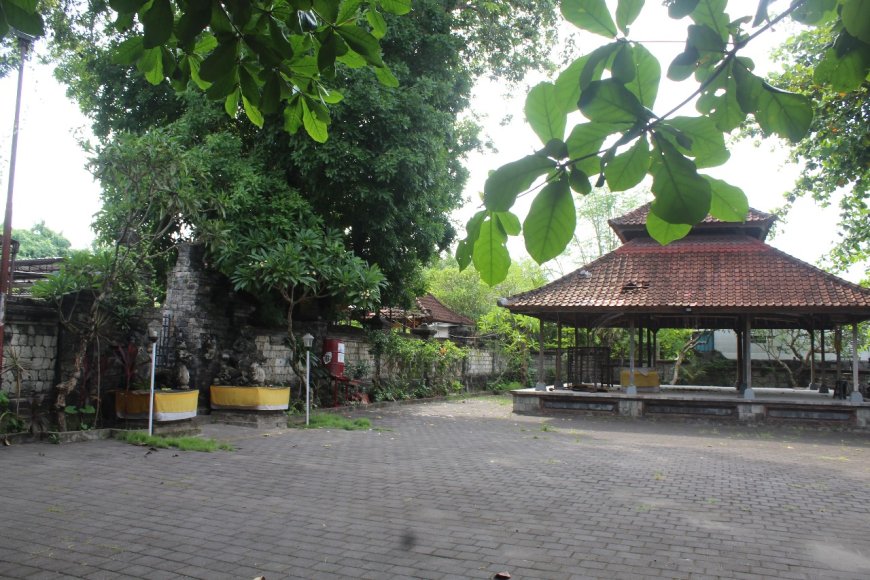
The Inner of Pura Dalem Susunan Wadon (Source: Personal Collection)
The continuity of this tradition not only preserves the cultural richness of Desa Adat Serangan but also serves as evidence of the commitment to preserving the artistic and religious heritage that has become an integral part of the local community's life.