




Garuda Museum: The Origin of Recognizing the Beauty and Majesty of Garuda Statues
The craftsmanship of Garuda statues has become an artistic legacy passed down from generation to generation. However, over time, fewer people are able to continue and preserve the art of carving Garuda statues. In order to prevent the loss of this artistic craft, the Garuda Statue Museum was established, housing a variety of statue carvings as a symbol of the existence of Garuda statues. Ada Garuda Museum has become a historical place full of stories associated with Mr. I Made Ada.

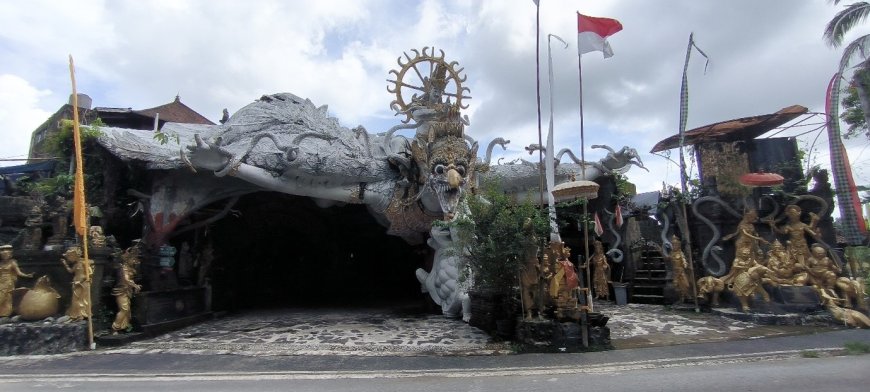
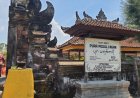
The Ada Garuda Museum is located on Pakudui Street, Banjar Kedisan, Tegallalang, Gianyar. Currently managed by Ni Luh Putu Intan, the museum was established and inaugurated around the year 2002. The Garuda Statue Museum was created by I Made Ada, the father of Ni Luh Putu Intan, with the hope that the artistry of Garuda statues would not be lost and its preservation and aesthetic values would endure.
Initially, the art of Garuda statue carving had been practiced since the ancestors created carvings of Garuda statues for decoration in Bali residences or temples. Then, during the era of I Made Ada, he elevated the art by creating larger Garuda statue carvings suitable for office and hospitality areas.
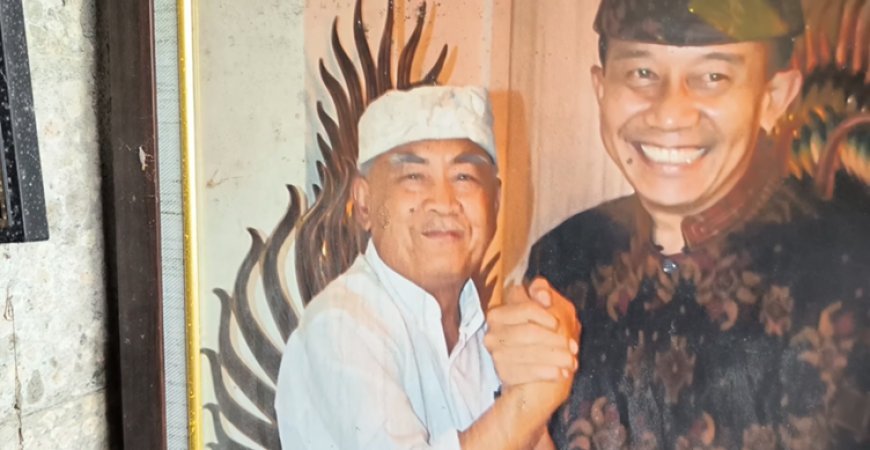
I Made Ada (Source: Private Collection)
Initially, I Made Ada did not have the intention to establish a Garuda Statue Museum. However, after considering the next generation's uncertainty in continuing the art of Garuda statue carving, he decided to create the Garuda Statue Museum, hoping that the art could be passed down from generation to generation. He also played a crucial role in making Garuda statues famous worldwide by showcasing his art through invitations to foreign guests.
Almost 90% of the statues in the Garuda Statue Museum were created by I Made Ada with the assistance of several of his employees. I Made Ada designed 90% of the Garuda statue artworks, which were then executed by his team and have remained renowned to this day.
In the creation of Garuda statue artworks, I Made Ada used various types of sturdy and durable wood, such as frangipani wood (locally known as kayu jepun), suar wood, teak wood, and jackfruit wood as the primary materials. The older the wood used as material, the more durable and resistant the Garuda statue artworks would be compared to those made from younger wood. Some statues were made separately for ease of packing and shipping if guests wanted to purchase them.
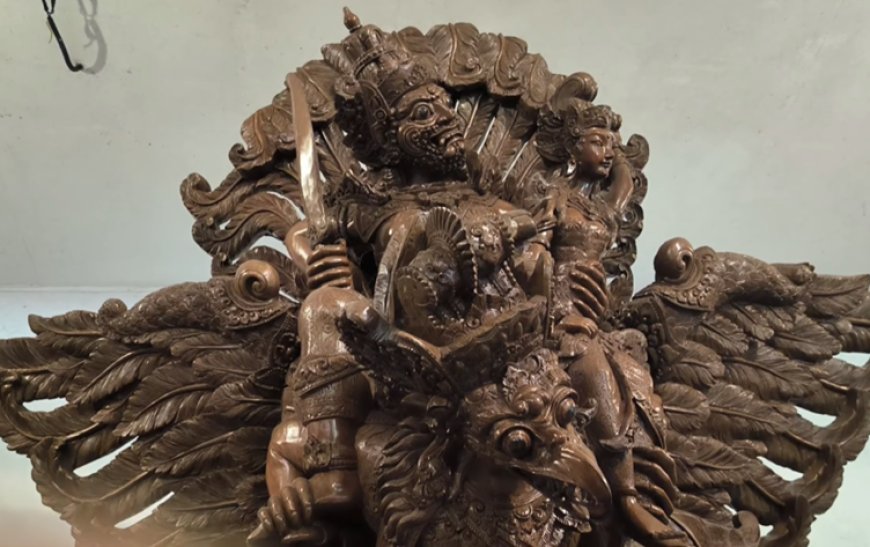
Garuda Statue Masterpiece by I Made Ada (Source: Private Collection)
One of I Made Ada's best works is a jackfruit wood statue depicting the Ramayana story when Ravana attempted to abduct Sita and was rescued by Garuda. The creation of each masterpiece by I Made Ada took approximately one year for each statue, including breaks for ceremonies and depending on the quality of the wood ready for carving.
Some statues made by I Made Ada are colored to cover wood with lower quality compared to the quality of carved wood left uncolored. Occasionally, wood carvings are colored to serve as a comparison between higher-quality colored statues and uncolored wood carvings.
The Garuda Statue Museum has been visited by both domestic and international tourists. All guests who come to the Garuda Museum are amazed by the dedication and ideology possessed by I Made Ada in creating his Garuda statue artworks. Ni Luh Putu Intan mentioned that there were guests who wanted to purchase one of I Made Ada's artworks, but he declined as he did not want to sell his masterpiece.
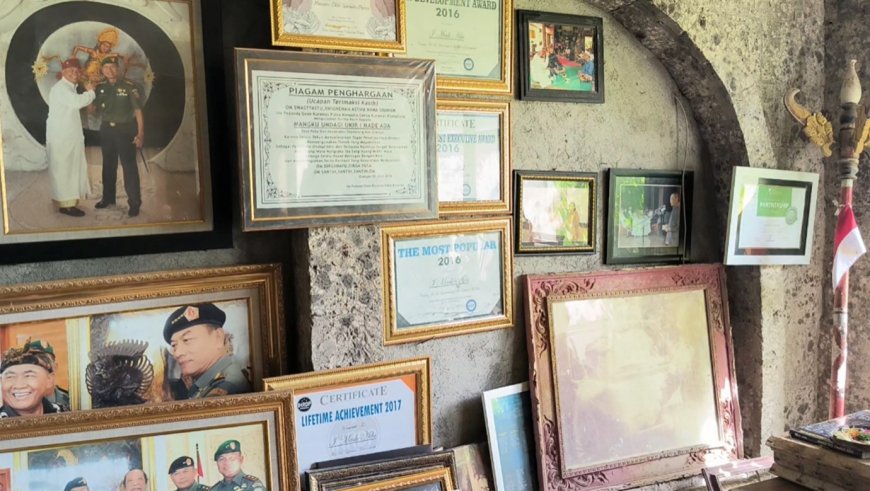
I Made Ada's Recognition (Source: Private Collection)
I Made Ada played a crucial role in making the art of Garuda statue carving famous. He received awards and invitations from abroad to showcase his Garuda statue artworks to the world. To witness the beauty of I Made Ada's Garuda statues, visitors are welcome to explore the Ada Garuda Museum, open daily from 07:30 AM to 04:00 PM WITA.