







Sulangai Traditional Village: Exploration of History and Unique Sun Position
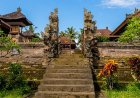
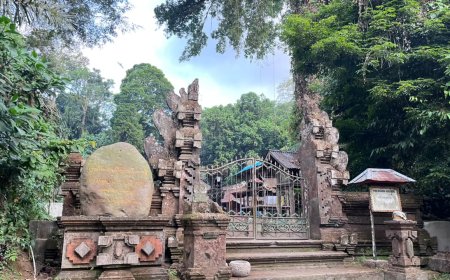
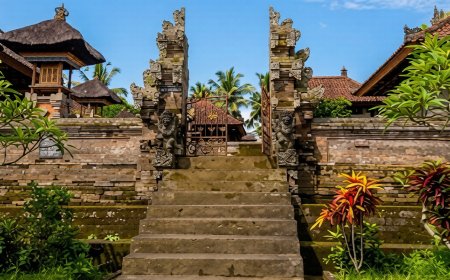
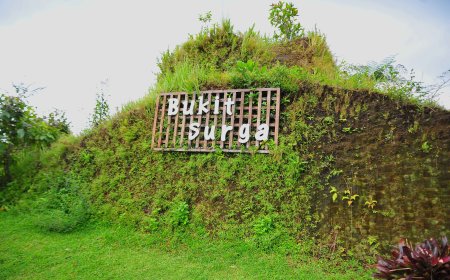
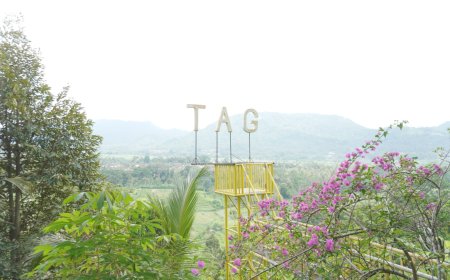
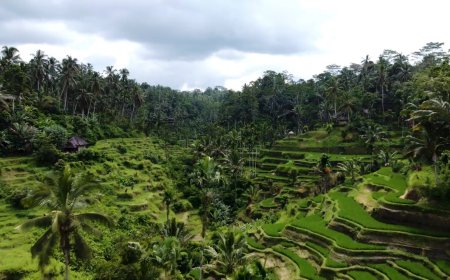
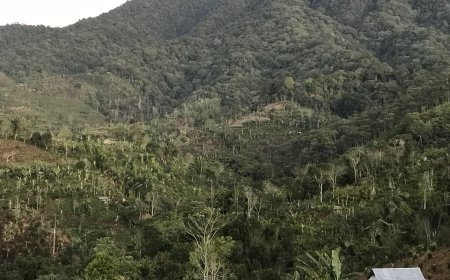
Sulangai Traditional Village is one of the traditional villages located in the Petang sub-district, Badung Regency, precisely in the northern part of Badung. This traditional village offers expansive rice field views and relies on the presence of palm fibers ('ijuk') as a source of livelihood for the villagers. The name of this traditional village is derived from the unique position of the sun, which is neither directly to the north nor to the south, thus capable of deceiving visitors who come to the village.

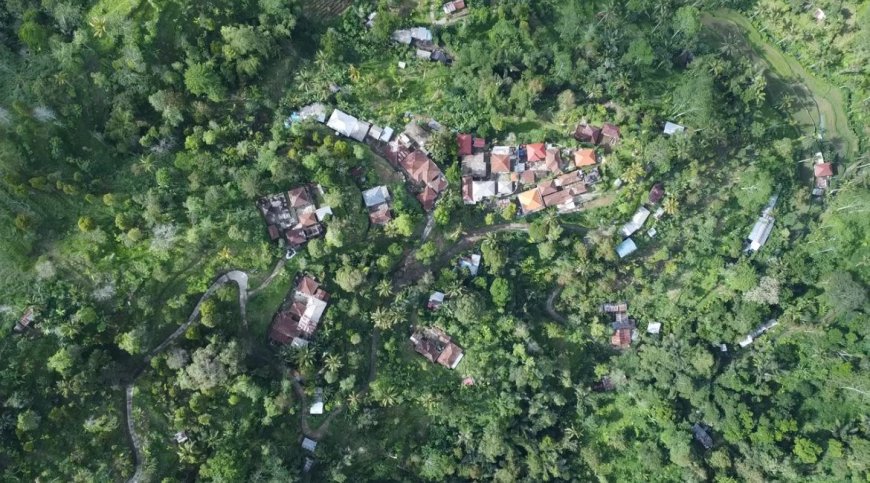
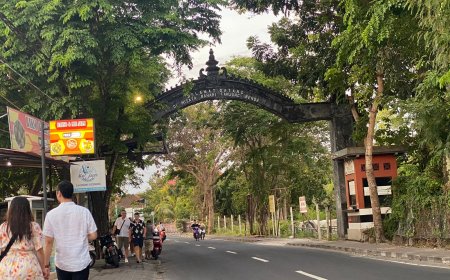
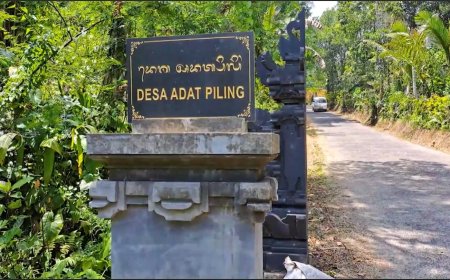
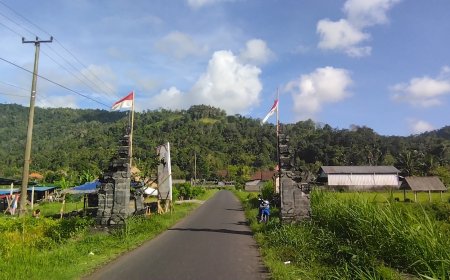
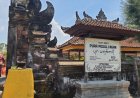
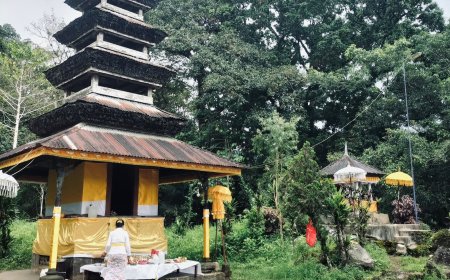
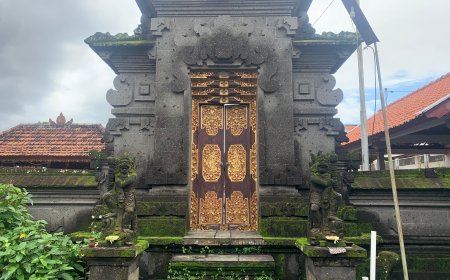
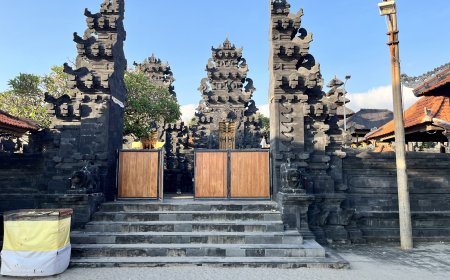
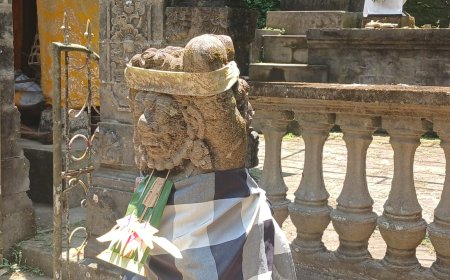
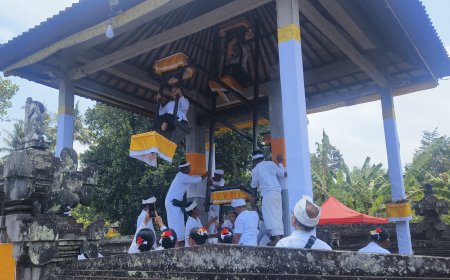
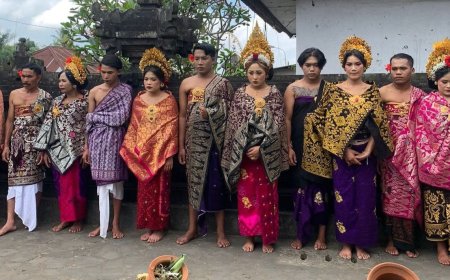
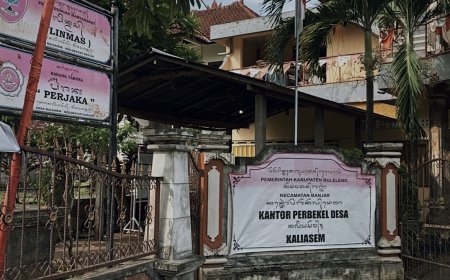
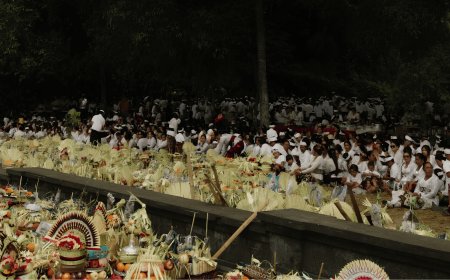
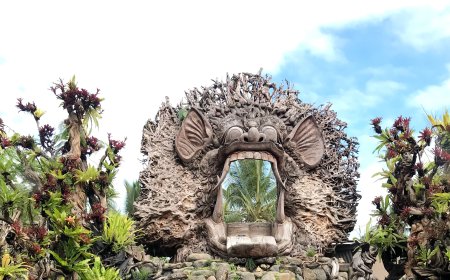
Sulangai Traditional Village (Source: Personal Collection)
Traditional village or 'desa pekraman' is a legal customary community unit in the Province of Bali that has a unified tradition and social etiquette in the lives of the Hindu community, which has been traditionally bound by the Kahyangan Tiga or Kahyangan Desa bonds, having specific territories and their own wealth, as well as the right to manage their own households. Each traditional village inevitably has its own unique history and characteristics, ultimately becoming the distinctive features of that particular traditional village
Sulangai Traditional Village is one of the traditional villages located in the Petang sub-district of Badung Regency. The village is approximately 40 km away from the center of Denpasar city because it is situated in the northern part of Badung. To reach the village, one must use private transportation, whether it be a motorcycle or a car, as, in fact, the Northern Badung area has not been serviced by public transportation for almost 12 years.
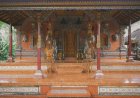
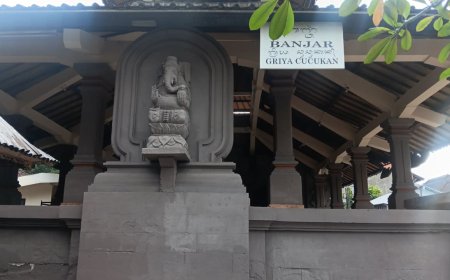
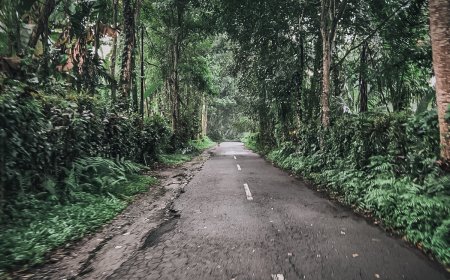
The village situated in the highlands presents captivating views of rice fields and a refreshing, harmonious village scenery. Upon entering this village, visitors are welcomed by Desa Adat Sulangai, consisting of four sub-villages known as Banjar Abing, Banjar Sulangai, Banjar Wanakeling, and the fourth, Banjar Wanasari. Sulangai is one of the villages that takes care of the Dang Kahyangan Pucak Tedung temple.
Due to the limited historical data and facts available for Sulangai Traditional Village, the compilation of its history is based on the oral narratives of village elders, obtained from historical actors in the village and passed down through generations. This method inherently has its weaknesses, as the reliability cannot be guaranteed due to limited supporting data.
According to Mr. I Nyoman Ada, the head of Sulangai Traditional Village, the history of the village is not documented in written sources such as books, inscriptions, or palm-leaf manuscripts. However, the village administration strives to seek information that may still be recorded.
Mr. I Nyoman Ada states, based on information from the village ancestors documented in the village's awig-awig (traditional regulations), the history of Sulangai Traditional Village dates back approximately to the 11th century. The village's original name was not "Sulangai" but "Serang Ai." In Balinese, Serang Ai means attacking or, in this context, indicating that the sun's position in Sulangai Traditional Village does not align with the equator, causing confusion in determining cardinal directions. Visitors to Sulangai Traditional Village would often be disoriented, as the northwest direction, instead of being west, became the west. This confusion led to the name of the village changing from "Serang Ai" to "Sulangai."
However, the name Serang Ai did not last long. According to Mr. I Nyoman Ada, there is a story explaining that a newcomer inquired about their family in Serang Ai but mistakenly referred to the village as "Sulangai" instead of "Serang Ai." Since then, the village became known as "Sulangai" and is no longer referred to as "Serang Ai."
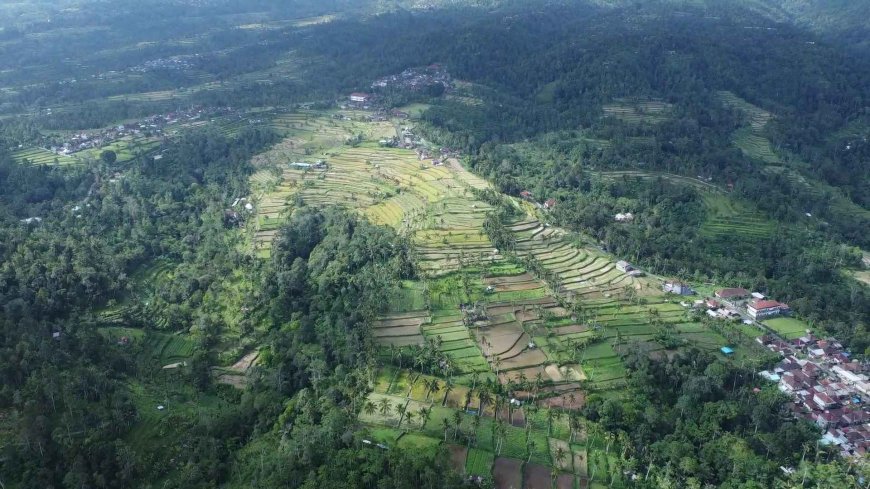
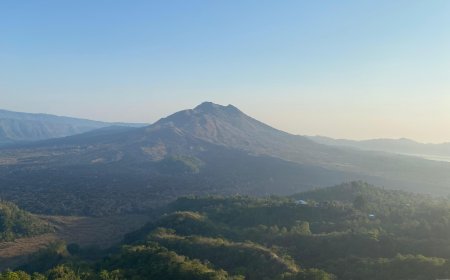
The Rice Fields of Sulangai Traditional Village (Source: Personal Collection)
In Sulangai Traditional Village, there is a unique aspect, especially concerning the residents who have been in the village from the beginning. It consists of 86 households (Kepala Keluarga or KK), which are referred to as the Desa Pokok or Krama Ngarep. This number has remained constant at 86 households and will not increase or decrease. If there are new residents, they are added as members of the banjar community, not as part of the Krama Ngarep. Currently, Sulangai Traditional Village has a total of 600 households, comprising four sub-villages: Banjar Abing, Banjar Sulangai, Banjar Wanakeling, and Banjar Warnasari.
Sulangai Traditional Village also shares borders with other villages. To the North, it is bordered by Mayuan Traditional Village, to the West by Mundukdamping Traditional Village, to the South by Angan Tiga Traditional Village, and to the East by Batu Lantang Traditional Village. These boundaries have been inherited from the ancestors.