






Wana Pingit: A forest that is sacred and used as a symbol of repelling bad luck.
Bali is never separated from its natural beauty, has a nickname as the Island of a Thousand Temples and diverse traditions and cultures make tourists from abroad curious to visit this beloved island. In addition, Bali has many religious and historical places, one of which is a sacred forest called Wana Pingit. Wana Pingit or Sacred Forest is very much found in Bali, which among others is located in Beraban Village, Kediri District. Where there is also a Luhur Pakedungan Temple where this temple is surrounded by Wana Pingit which makes this temple feel deep in the forest. It has such an interesting history that it is said that this temple was established even before the famous figure who is already familiar, namely Dang Hyang Nirata or better known as Pedanda Sakti Wawu Rauh traveled from East Java to Bali to spread the teachings of Hinduism in Bali.

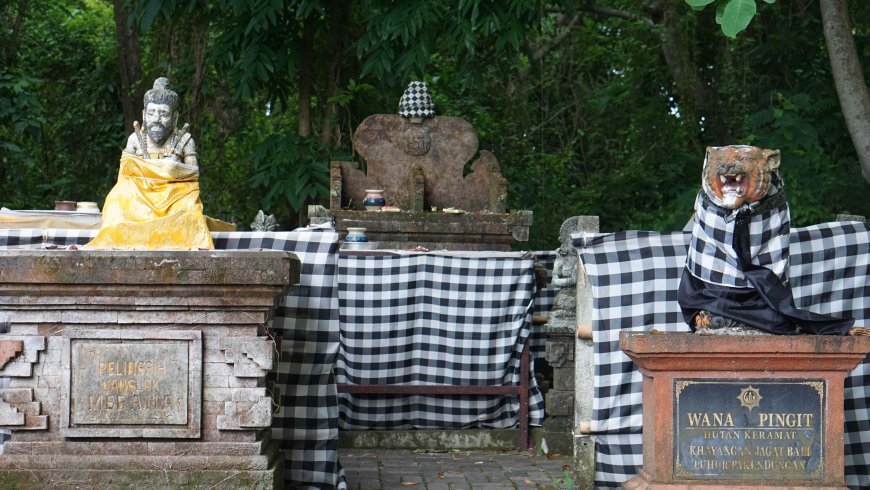
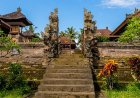
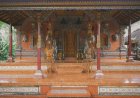
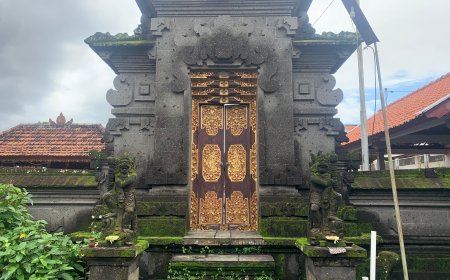
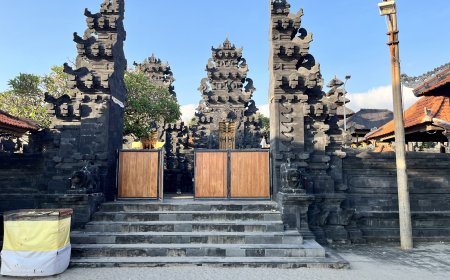
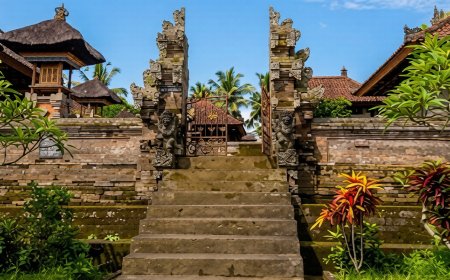
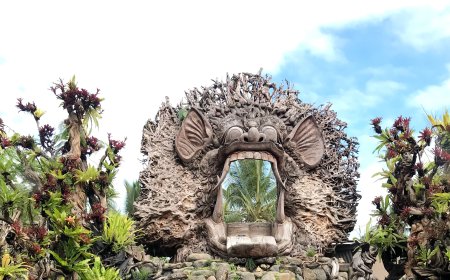
Pakendungan Luhur Temple is one of the most important temples in Tabanan Regency, Bali. The temple is located in Beraban Village, Kediri District, and is a place of worship for Lord Vishnu. Inside this temple there is a wana pingit, or sacred forest that has an interesting history and legend. According to history, Wana Pingit was founded by a holy figure named Mpu Kuturan in the 12th century. Mpu Kuturan was a Hindu priest from East Java, he came to Bali to spread Hinduism and established temples in various places. This temple is surrounded by a vast forest and is one of the oldest temples that has passed through the reigns of ancient kingdoms even before Majapahit ruled Bali.
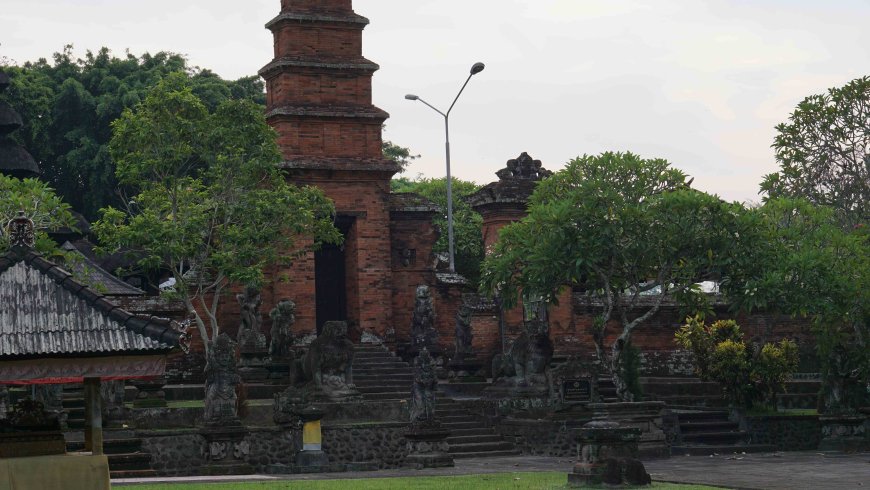
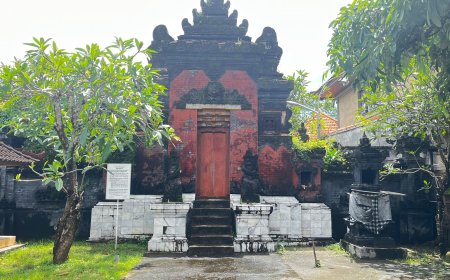
Pakendungan Luhur Temple (source: author's collection)
According to legend, Mpu Kuturan came to Tanah Lot to find the right place to build a temple to be dedicated to Lord Vishnu. After meditating for several days, he finally found a suitable place on a hill located in Beraban village. Mpu Kuturan then began to build the temple in that place, however, he was not alone, he was assisted by his followers, including the Gods and spirits from heaven. In the process of building the temple, Mpu Kuturan was often disturbed by spirits who inhabited the forest around the place. The spirits did not want Mpu Kuturan to build the temple in that place because they felt disturbed.
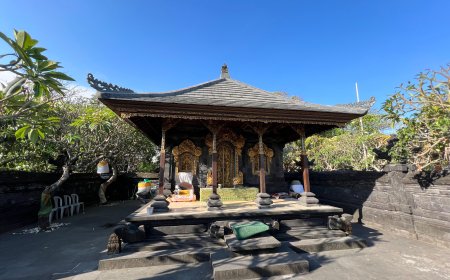
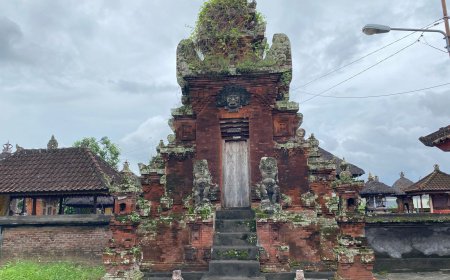
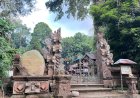
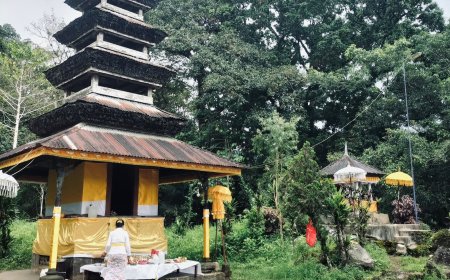
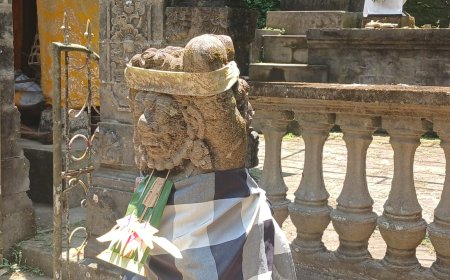
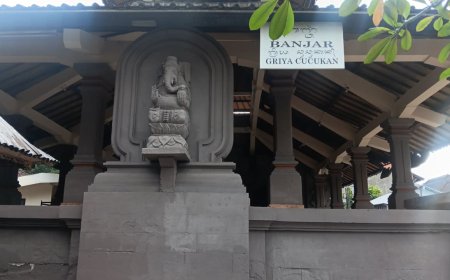
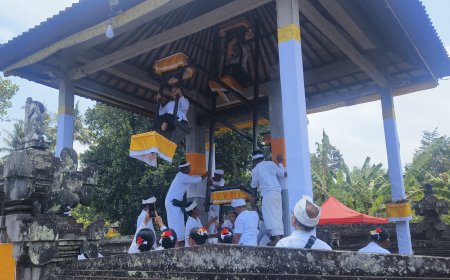
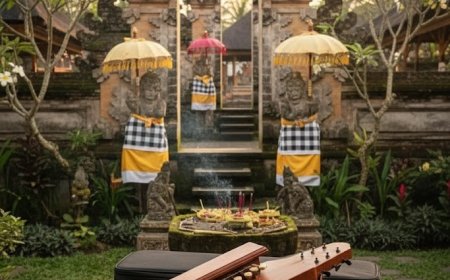
Mpu Kuturan then performed a purification ceremony for the forest, he also built a palinggih in the forest to calm the spirits that disturbed him. The purification ceremony and the construction of the palinggih succeeded in calming the spirits that disturbed Mpu Kuturan. They finally agreed to let Mpu Kuturan build a temple in that place. The temple built by Mpu Kuturan was then named Pura Luhur Pakendungan. The wana pingit located around the temple was also named Wana Pingit Pura Luhur Pakendungan. Where in the Wana Pingit there is a peg or boundary point that marks the boundaries of the wana pingit, where this peg is in the form of a small temple equipped with pelinggihs.
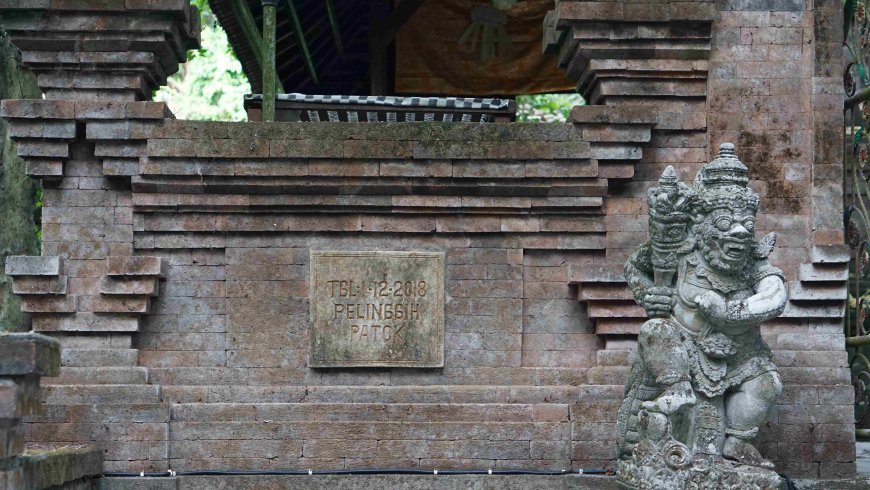
Pelinggih Patok Wana Pingit (source: author's collection)
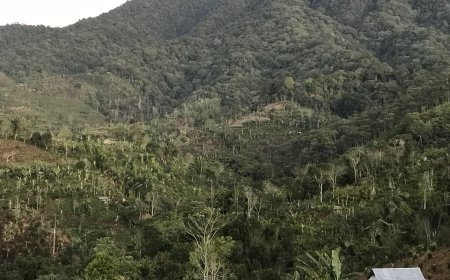
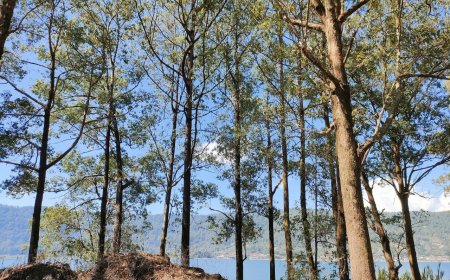
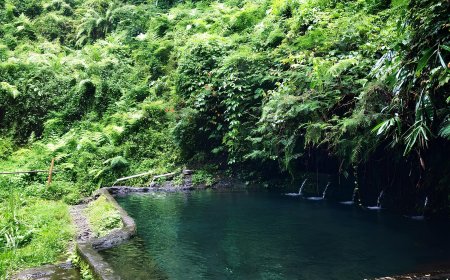
Wana pingit has an area of about 10 hectares, this forest is dominated by large and dense trees, such as banyan trees, coconut trees, and frangipani trees. In this wana pingit there are various types of plants and animals. Some types of plants that can be found in this wana pingit include cinnamon, cloves, and pandanus. Some types of animals that can be found in this wana pingit include monkeys, deer, and birds. Wana pingit has a high religious and spiritual value for Balinese Hindus. The forest is considered a sacred place inhabited by the spirits of ancestors or gods. Therefore, wana pingit is often used as a place to perform religious ceremonies, such as worship, prayer, or purification.
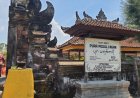
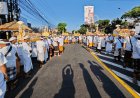
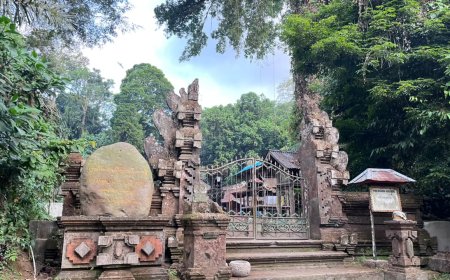
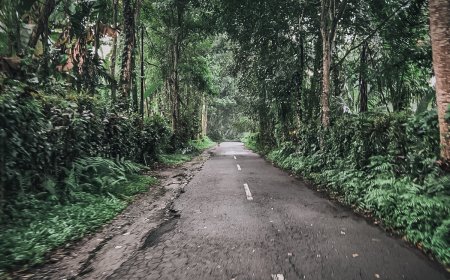
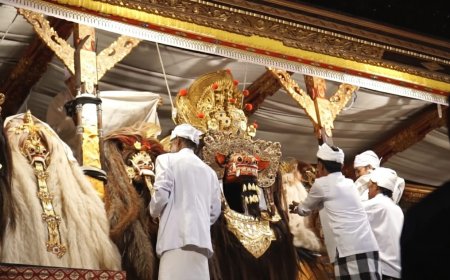
Every year, this wana pingit is always visited by Hindus from various regions in Bali. They come to perform religious ceremonies or to pray at the temple located inside the wana pingit. In addition to its religious and spiritual value, wana pingit also has high ecological value. The forest is part of an important ecosystem in Tanah Lot. The forest serves to maintain environmental balance, such as preventing floods and landslides. The wana pingit is also a suitable place for a variety of plants and animals. The forest provides a comfortable habitat for various types of plants and animals to live and breed. Therefore, this wana pingit needs to be maintained and preserved. This forest is an important asset for the Balinese people, both in terms of religious, spiritual and ecological aspects. The story of the ancestors of the Beraban traditional village has succeeded in making the next generation still want to protect this wana pingit which reduces the overexploitation of the forest, thus making the area there reduce the impact of natural disasters or Bala.
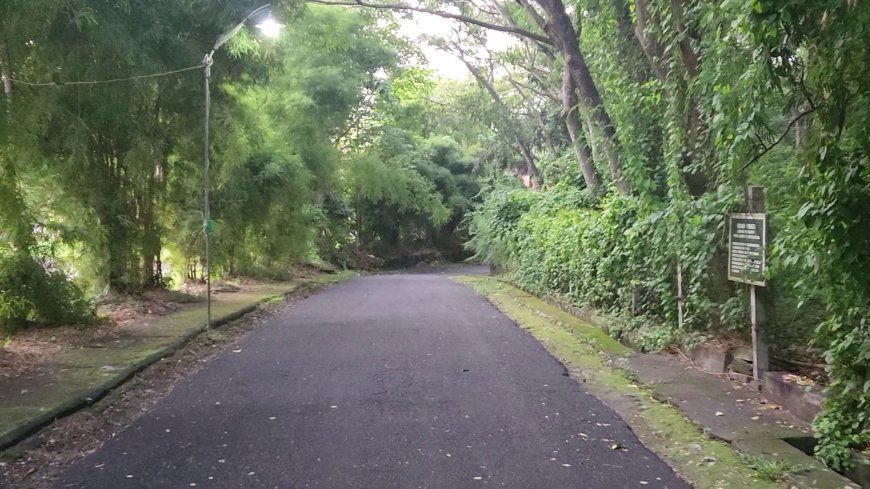
Wana Pingit area (source: author's collection)
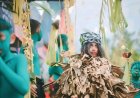
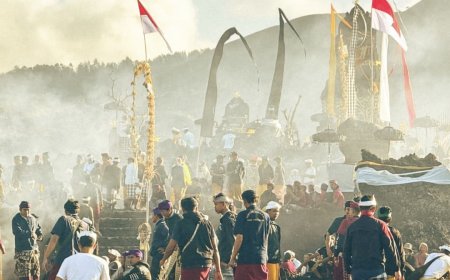
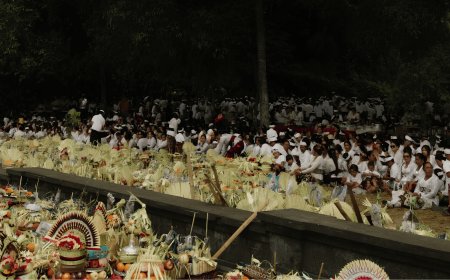
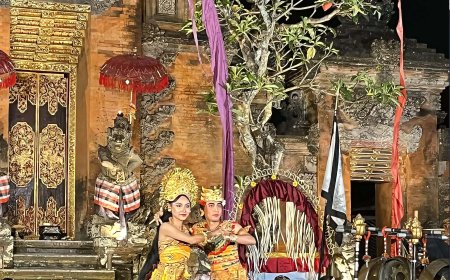
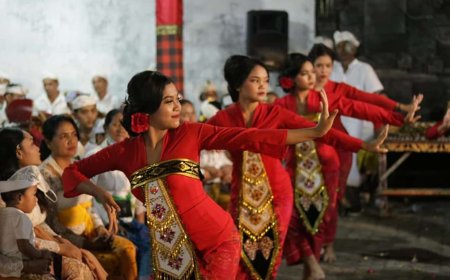
In addition, every year, the wana pingit of Pura Luhur Pakendungan always holds the Wana Kertih ceremony. This ceremony aims to clean and purify the wana pingit. The Wana Kertih ceremony is usually held in December, which is attended by thousands of Hindus from various regions in Bali. The Wana Kertih ceremony begins with a watering ceremony or ngadegan tapini. After that, it is followed by a purification or pemelaspasan ceremony. This pemelaspasan ceremony is carried out by sprinkling holy tirta throughout the wana pingit area. The holy tirta is believed to cleanse and purify the wana pingit. After the pemelaspasan ceremony, it is followed by a purification ceremony or Nawa Sanga. This ceremony is carried out by sprinkling the holy tirta in the nine cardinal directions. The nawa sanga purification ceremony aims to neutralize the negative influences around the wana pingit. The Wana Kertih ceremony is an important ceremony for Hindus in Bali. This ceremony aims to preserve the wana pingit and maintain the balance of nature.