



Hidden Behind Time, Pakakalan as a Tradition Determining Sacred Days in Bali (Part 4)
Pakakalan Part 4 in Balinese tradition contains eleven types of kala that depict the phases of human life, from birth to facing various life challenges. Each kala holds symbolic meanings that teach humans to stay alert, exercise self-control, and act wisely in living their lives. Through this understanding, Balinese people are encouraged to maintain a balance between spiritual and social aspects to achieve harmony in life.

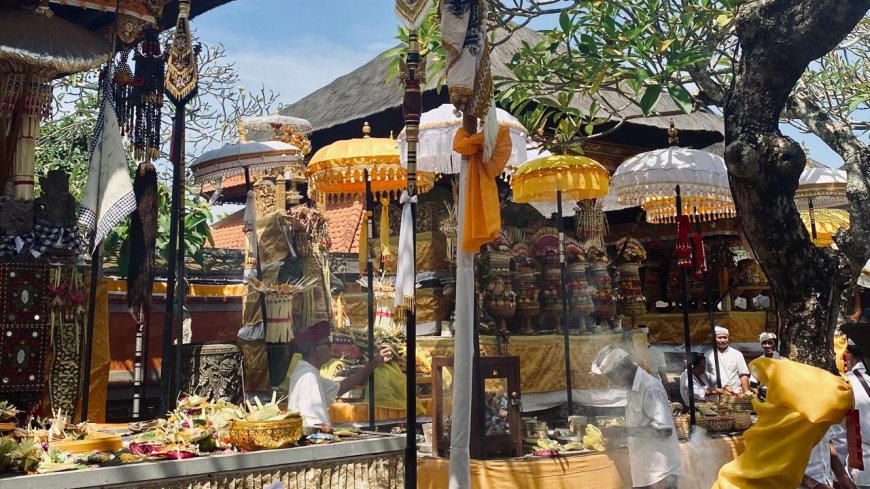
Balinese culture views human life as a series of interconnected phases between the worlds of sekala (the visible) and niskala (the invisible). Every human activity is inseparable from the calculation of time, which is believed to bring either positive or negative influence on the balance of life. One of the teachings that regulates this understanding is Pakakalan, a system that divides the phases of human life symbolized through various types of Kala. In the fourth section of Pakakalan, there are eleven types of Kala, each carrying practical functions as well as symbolic values in Balinese society, ranging from economic and social activities to ritual and spiritual practices.
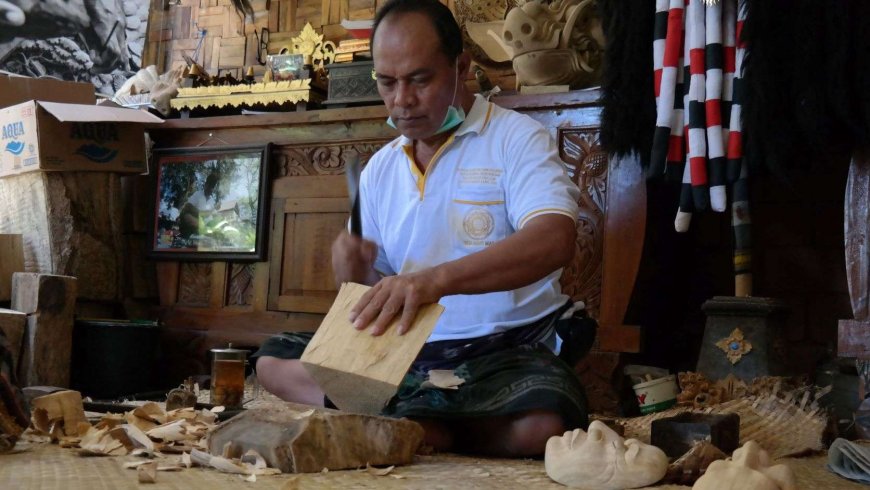
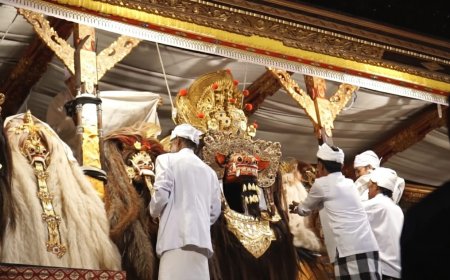
The Process Of Making Traditional Balinese Masks (Source: Personal Collection)
Kala Tumapel is regarded as an auspicious time for making masks and honeybee nests. The activity of mask-making is not merely a form of craftsmanship, but also holds spiritual significance, as masks are often used in sacred performances and ritual ceremonies. Choosing the right time is believed to influence the presence of taksu, or spiritual power, within the finished work. Kala Tumapel teaches the importance of harmony between time, skill, and belief. The image of mask-making represents a creative process that unites humans, nature, and spirituality into a single living tradition.
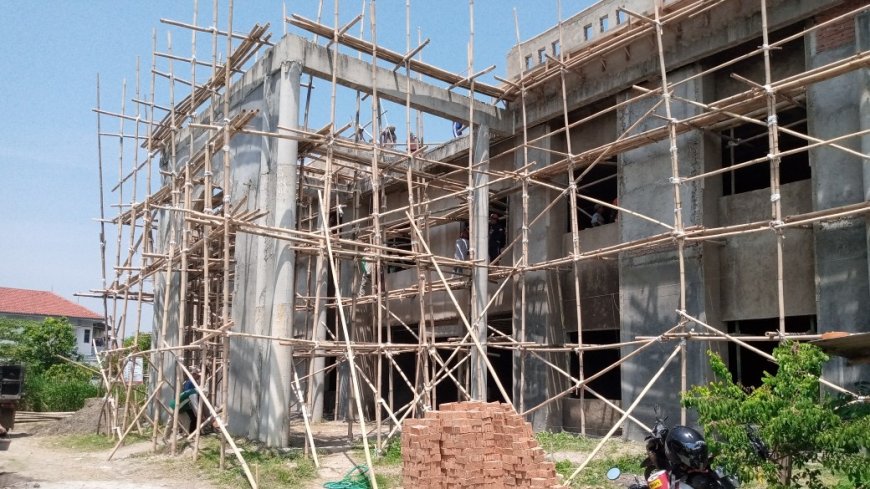
Construction Or Arrangement Of A Storage (Source: Personal Collection)
Kala Isinan is considered an appropriate time to build granaries, jewelry storage, and other forms of safekeeping. This activity reflects human efforts to protect, preserve, and manage the results of their labor so that they remain orderly and secure. In Balinese tradition, storage spaces also symbolize preparedness for the future. Kala Isinan emphasizes values of caution and life planning. The visual depiction of organized storage illustrates human awareness of the importance of managing resources wisely.
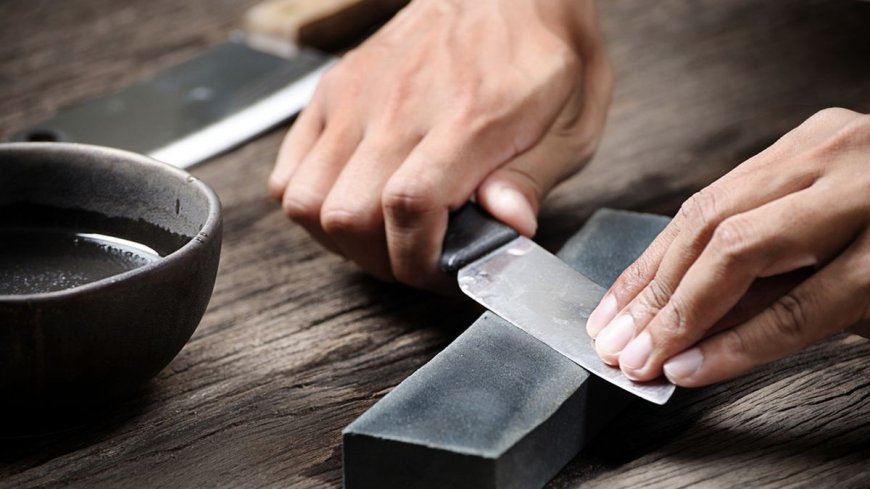
Sharpening Tools (Source: Personal Collection)
Kala Keciran is known as an auspicious time for sharpening tools, pounding rice, and opening water channels. These activities are closely related to fulfilling daily necessities, particularly in agriculture and household life. Proper timing is believed to ensure smooth processes and optimal results. Kala Keciran symbolizes readiness and sharpness in life. The image of tool-sharpening serves as a reminder that humans must prepare themselves carefully before undertaking work or making important decisions.
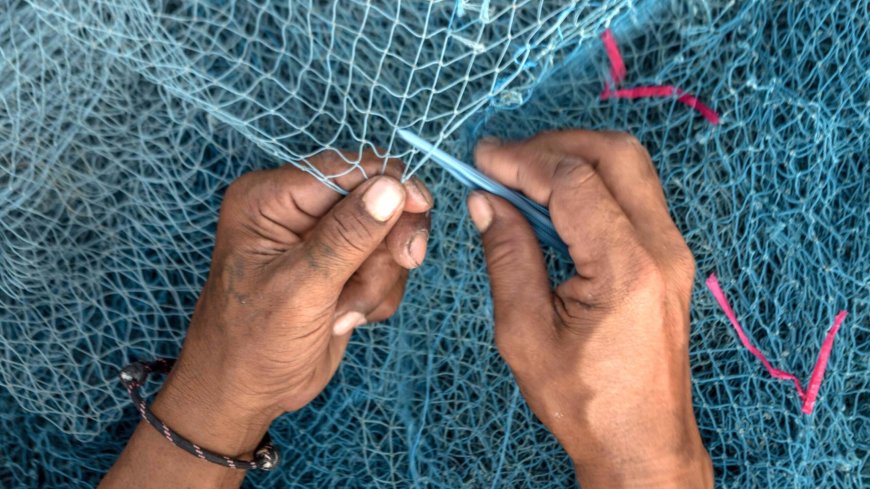
Making Fishhooks Or Fishing Tools (Source: Personal Collection)
Kala Ngamut is the proper time for making fishhooks and fishing equipment. This activity is closely connected to the traditional livelihoods of coastal communities. Work performed at the right time is believed to bring abundant and safe results. Kala Ngamut teaches patience and precision. The image of crafting fishhooks reflects a harmonious relationship between humans and the sea as a source of life.
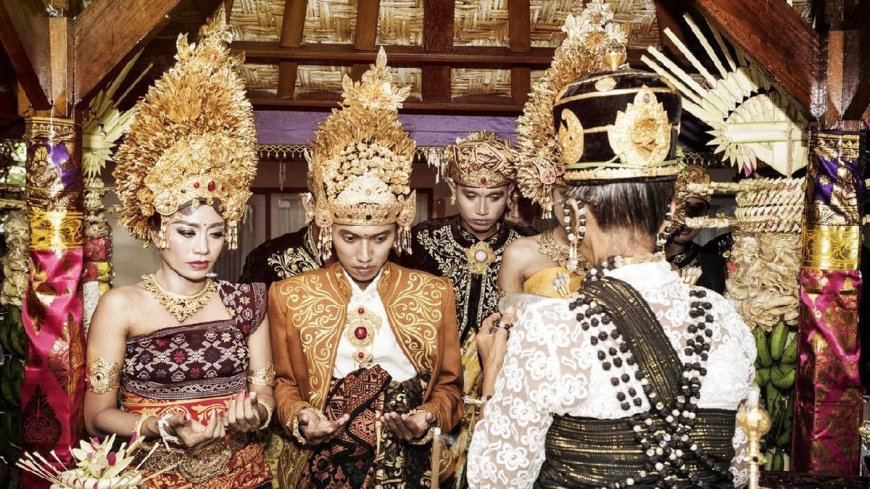
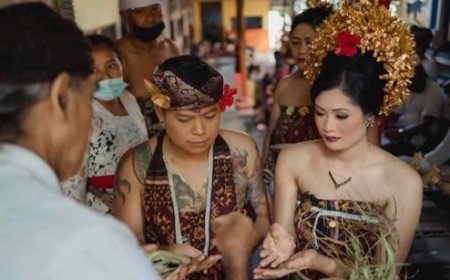
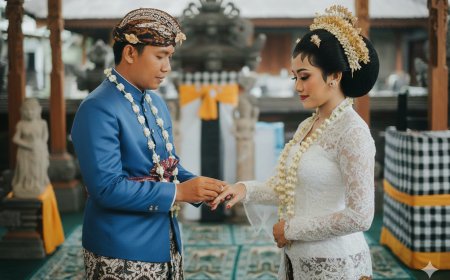
Traditional Balinese Wedding Ceremony (Source: Personal Collection)
Kala Kalingkung is often used for conducting wedding ceremonies (nguwed). In certain customary contexts, this Kala is also associated with symbolic actions that are culturally permitted. The meaning of Kala Kalingkung is contextual and deeply rooted in tradition. Kala Kalingkung represents a transitional phase in human life. The wedding imagery emphasizes the importance of social bonds and customary values in building family life.
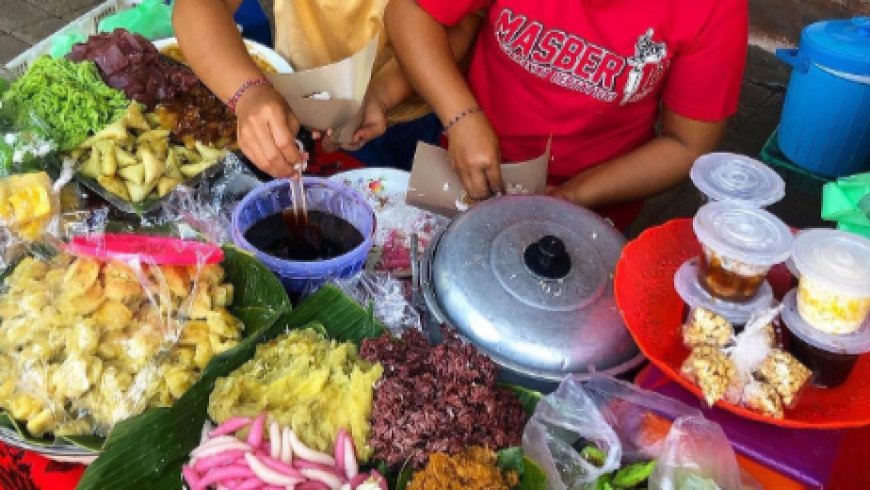
Trading Activities (Source: Personal Collection)
Kala Rebutan is considered auspicious for starting trade and economic activities. The term “Rebutan” reflects dynamism, competition, and the courage to seize opportunities, while still remaining within the boundaries of customary balance. Kala Rebutan instills values of hard work and careful opportunity recognition. The visual of trading activities portrays entrepreneurial spirit guided by proper timing.
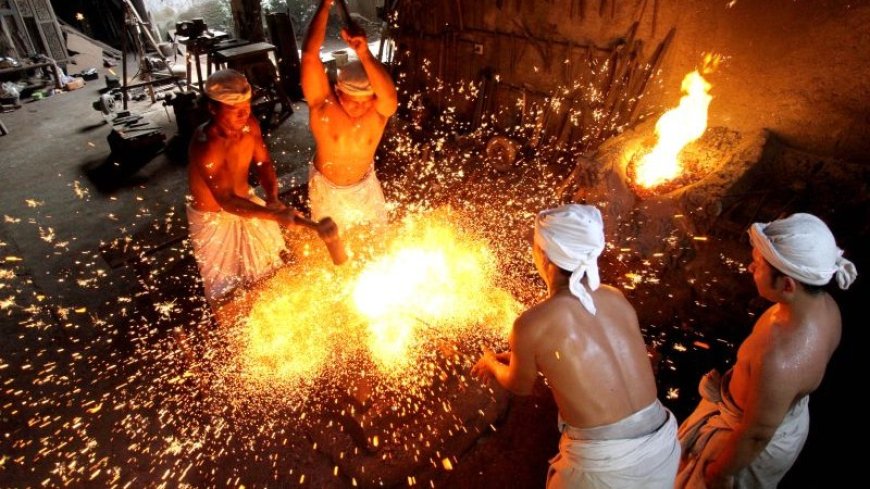
Making a Keris (Source: Personal Collection)
Kala Pacekan is an auspicious time for forging bladed weapons such as the keris and for holding important meetings. The keris is not merely a weapon, but also a symbol of honor, strength, and cultural identity. Kala Pacekan emphasizes firmness and authority. The image of keris-making shows that sacred objects and major decisions must be undertaken at the right time.
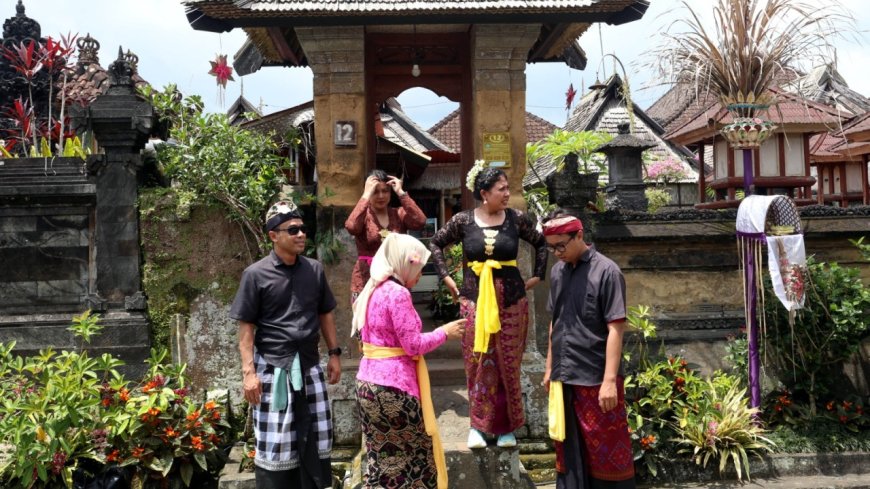
Visiting Relatives Or Social Gatherings (Source: Personal Collection)
Kala Ngunya is the appropriate time for visiting and strengthening social relationships. Social activities performed during this Kala are believed to bring harmonious and blessed relationships. Kala Ngunya teaches the importance of maintaining social connections. The visual representation of visits reflects values of togetherness and openness within the community.
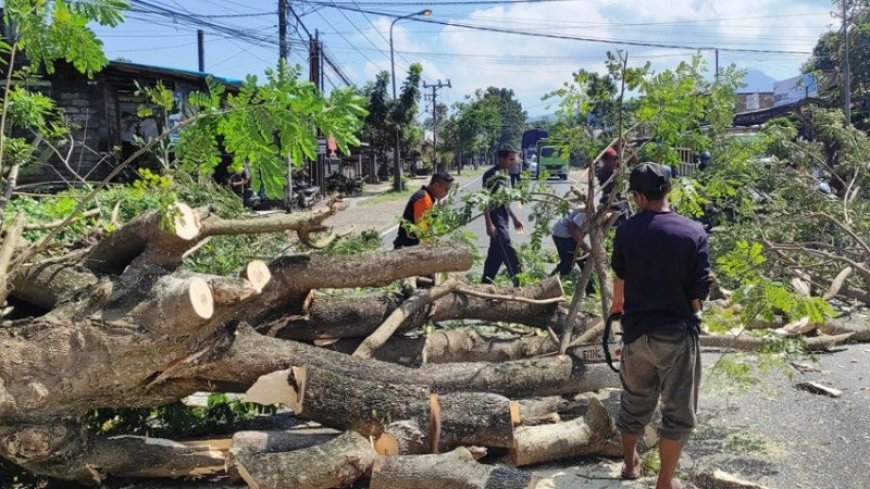
Cutting Wood (Source: Personal Collection)
Kala Was is considered favorable for cutting wood and constructing houses or animal shelters. These activities relate to the development of human living spaces. Kala Was teaches responsibility and sustainability. The image of house construction highlights that physical development must align with nature and proper timing.
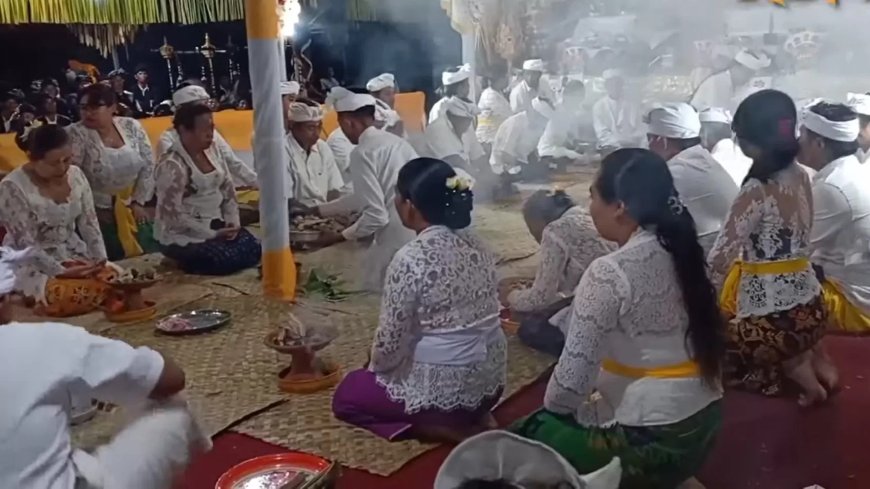
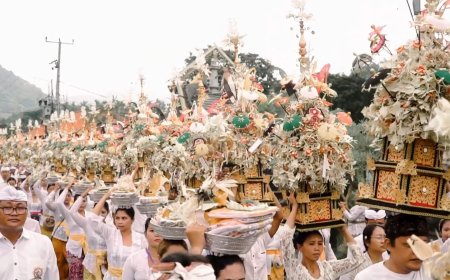
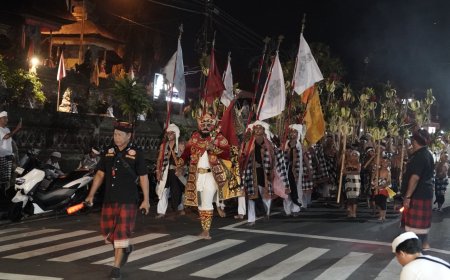
Royal Coronation Procession (Source: Personal Collection)
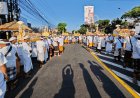
Kala Raja holds a special status as it is used for royal coronations (abhiseka ratu). This Kala symbolizes the peak of authority and the legitimation of power through customary and spiritual means. Kala Raja emphasizes that power must be accompanied by moral responsibility. The coronation imagery represents leadership carried out in balance and wisdom.
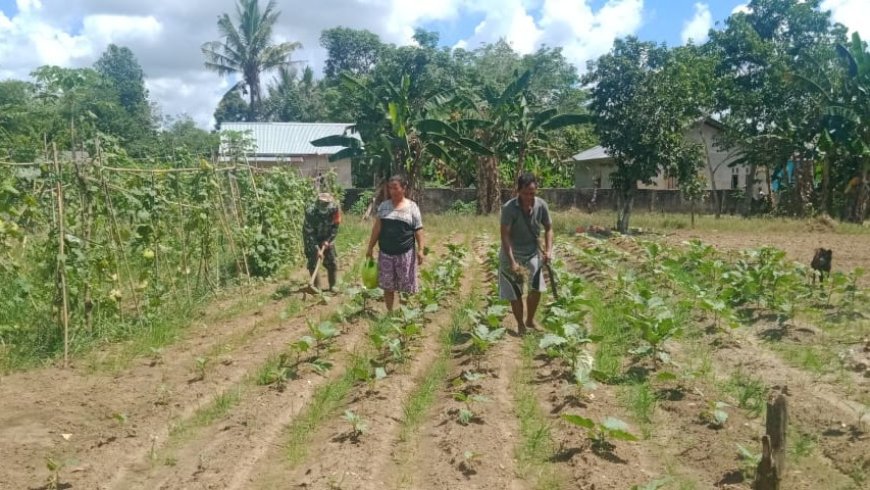
Building Fences Around Houses Or Farmland (Source: Personal Collection)
Kala Demit is used as an auspicious time for building fences around homes and fields. This Kala is also believed to be effective for warding off or repelling supernatural disturbances. Kala Demit symbolizes protection and the establishment of boundaries in life. The image of fence construction reflects efforts to safeguard both physical and spiritual well-being.