











Barong Kuring: A unique tradition in Bangli that is now just a memory
Barong Kuring is a unique ngelawang tradition practiced by four brothers in Banjar Lumbuan, Susut, Bangli, who have chosen to live as sukla brahmacari (celibate for life). Starting from a spiritual revelation to overcome economic difficulties and the obligation to cremate their parents, they travel around carrying a tapel rangda accompanied by simple gamelan music.

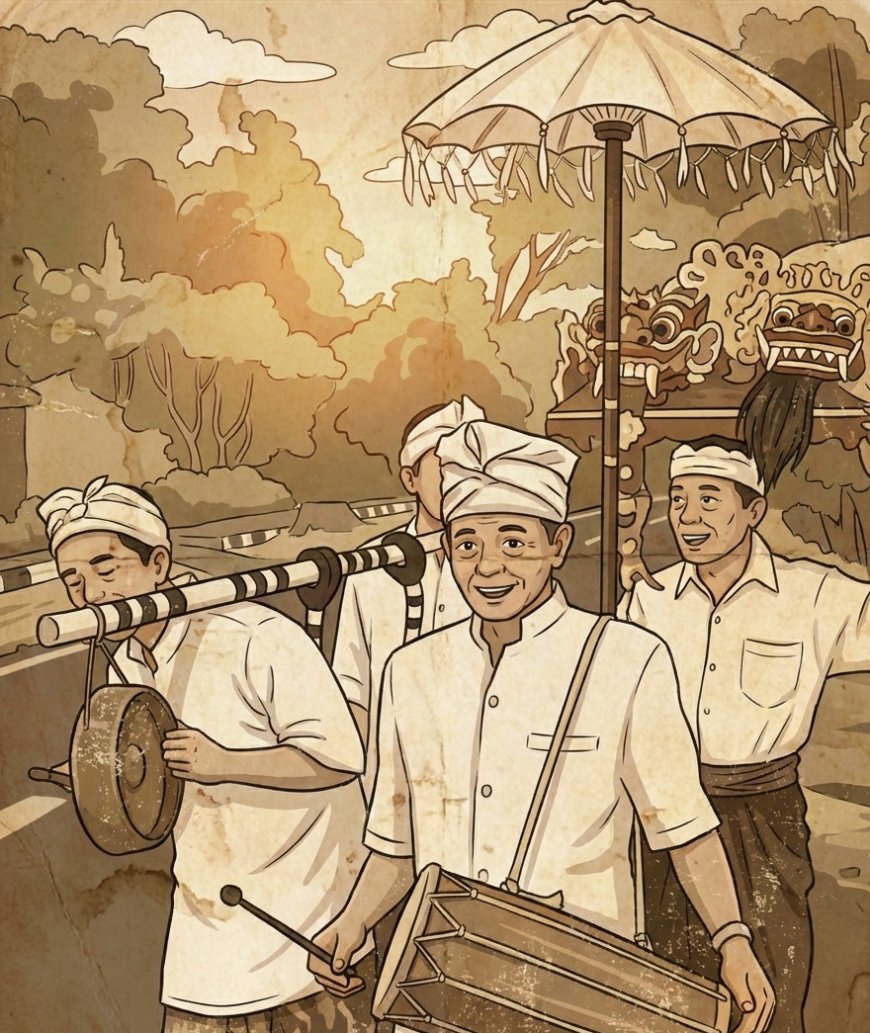
Amidst Bali's rich cultural diversity, there is a unique tradition that unfortunately now only remains in memory and documentation. Barong Kuring, a ngelawang tradition performed by four brothers in the Susut area of Bangli, stands as a silent witness to the passage of time that has changed the cultural landscape of the local community.
Getting to Know Barong Kuring
Barong Kuring is one type of barong found in Bangli Regency. Unlike other barongs, which are generally performed by a banjar or traditional village, Barong Kuring has its own unique characteristics. The name “kuring” itself in the Balinese language has a meaning related to a specific condition or circumstance inherent in this tradition.
The Story of Four Brothers
What makes Barong Kuring so special is the story behind its performance. According to local folklore, the Barong Kuring ngelawang tradition is carried out by four brothers who live in a simple house in a corner of Banjar Lumbuan, Susut, Bangli.

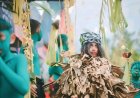
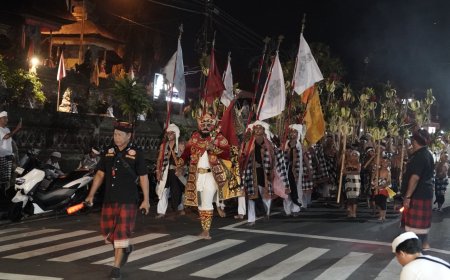
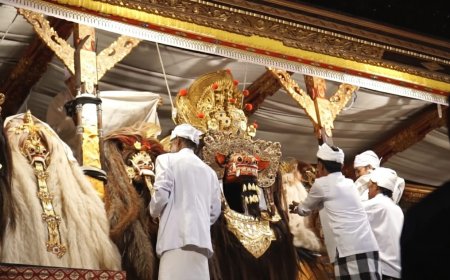
Image of Barong Kuring (Source: Private Collection)
These four brothers, who are around 70 years old, have chosen to live as sukla brahmacari, or celibate for life. Although they appear to be married from the outside, in reality they do not have wives. They live this spiritual life with full awareness and dedication.
The Beginning of the Ngelawang Tradition
Their story began with a family that originally consisted of five siblings. In their family's merajan (sacred place), there were two tapel sesuhunan. Their lives changed when their sister got married and left her four older brothers. Shortly after that, their parents also passed away.
The passing of their parents left a heavy burden on these four siblings. They had to figure out how to put food on the table every day, especially since they were responsible for cremating their parents. In the midst of their confusion about how to find a way out, one day they received an extraordinary revelation. A tapel rangda in their merajan seemed to be asking to be taken around or ngelawang to various places. This revelation became a turning point in the lives of the four siblings.
They began to carry out the ngelawang tradition around Lumbuan Village, especially after Budha Kliwon Dungulan (Galungan Day). Their formation was simple but meaningful: one person carried the sesuhunan while holding a tedung (umbrella), one person played the kendang, and the other two played the kempur while hitting the kemong. Only this simple gamelan accompaniment accompanied their spiritual journey.
Video of Ngelawang Barong Kuring (Source: YouTube: Ari Kakoel)
At first, when they were wandering, some residents began to greet them and fill their canang with money. It was not uncommon for them to have to stay overnight at temples where they spent the night. However, their sincerity was never in vain. Villagers who felt sorry for them often gave them food or drink at the temples where they stayed. These small, sincere gifts became provisions for them to continue their spiritual journey.
The Peak of Devotion and the End of a Tradition
Most proudly, from the results of ngelawang, the four siblings were finally able to collect enough funds to cremate their parents. The spiritual obligation that had been a heavy burden could now be fulfilled with gratitude. After successfully cremating their parents, the four siblings continued the tradition of ngelawang until the end of their lives. Now, the four siblings have passed away and become hyang, or spirits. Their passing marked the end of the Barong Kuring tradition.
The Barong Kuring tradition they carried out with dedication is now only preserved in photo and video documentation. The memory of the four grandfathers who diligently performed ngelawang every Galungan and Kuningan has become part of Bali's cultural history that needs to be remembered and passed on to future generations.