






Observing the Sky of Bali at Pura Manik Corong

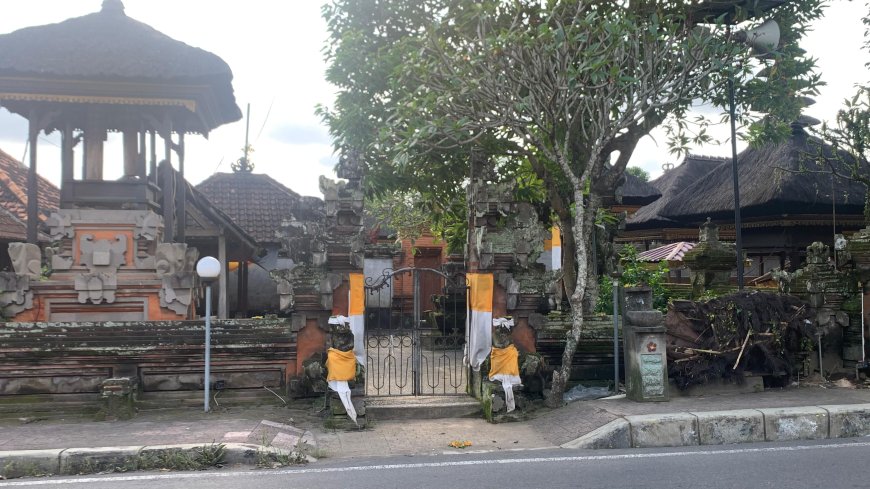
Pura Manik Corong is one of the ancient temples in Bali that holds high spiritual and cultural value. The temple is located in Banjar Puseh, Pejeng Village, an area well known for its historical heritage and numerous archaeological sites. The existence of Pura Manik Corong is not only as a place of worship for Hindus, but also as a sacred space believed to possess special spiritual power connected to nature, particularly the weather.
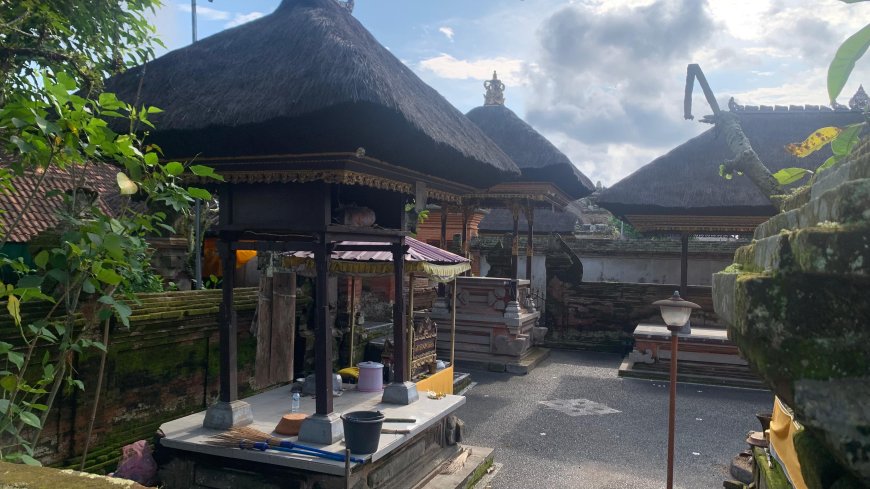
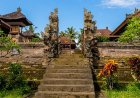
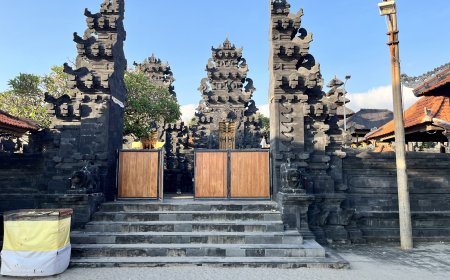
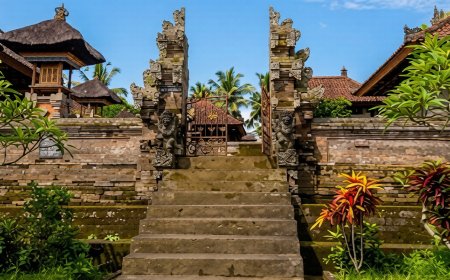
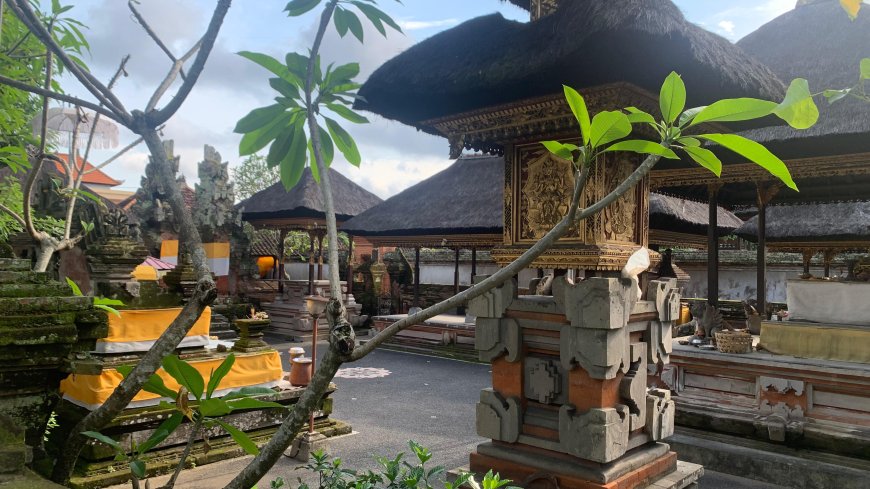
Utama Mandala of Pura Manik Corong (Source: Personal Collection)
The deity worshipped in this temple is Ida Hyang Manik Galih, also known as Ida Hyang Manik Corong, who is believed to be the son of Dewa Pasupati. This divine figure is revered as a manifestation of sacred power that provides protection and balance, especially in relation to community life and the smooth conduct of traditional ceremonies.
Shrine Structure and Archaeological Heritage
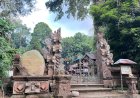
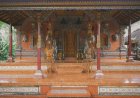
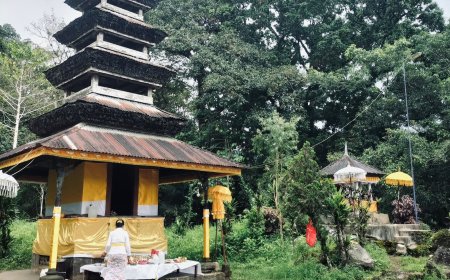
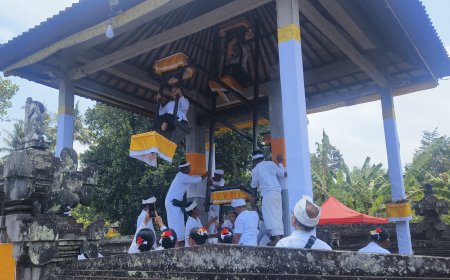
One of the unique features of Pura Manik Corong is the terraced shrine (pelinggih berundag) located on the eastern side of the temple. This shrine takes the form of a multi-level platform resembling ancient worship structures, reflecting the influence of Balinese sacred architecture rich in cosmological symbolism.
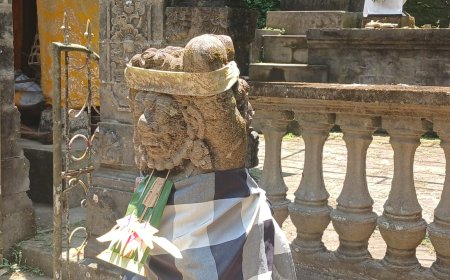
At the highest level of the shrine, there are several ancient statues that are still preserved and honored today. The presence of these statues indicates that Pura Manik Corong has served as a center of worship since ancient times and possesses a long historical continuity. These artifacts are not only important archaeological evidence but also strengthen the sacred atmosphere of the temple as a space where humans and divine forces meet.
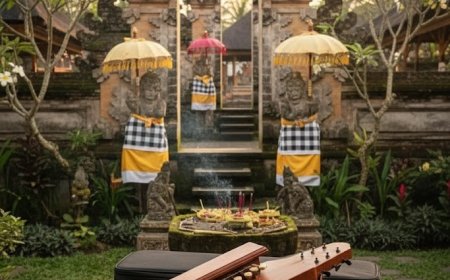
Shrines of Pura Manik Corong (Source: Personal Collection)
According to local beliefs, Pura Manik Corong holds a very special spiritual role as a place to pray for the absence of rain, a practice known as nunas nerang. This tradition has been passed down through generations and has become an important part of the community’s religious practices.
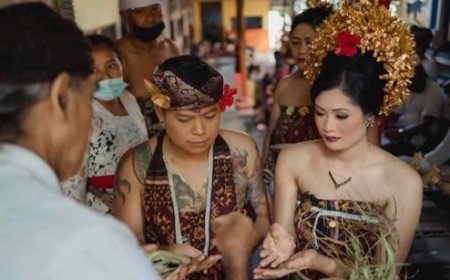
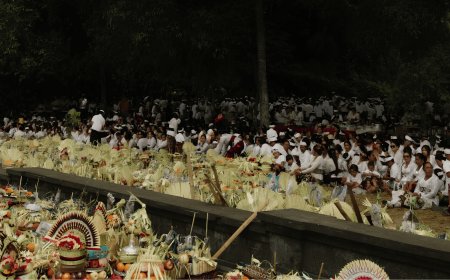
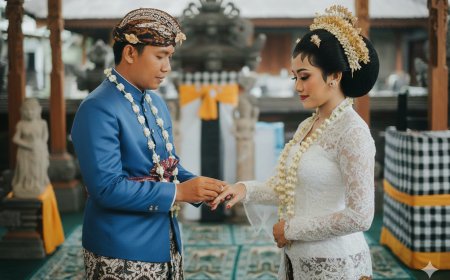
Usually, when villagers or community groups are preparing for traditional ceremonies, weddings, temple festivals (piodalan), or major religious events, they come to Pura Manik Corong to seek blessings so that the weather remains clear and the ceremonies can proceed smoothly. This belief is not merely ritualistic, but also represents harmony between humans, nature, and God, as reflected in the concept of Tri Hita Karana.
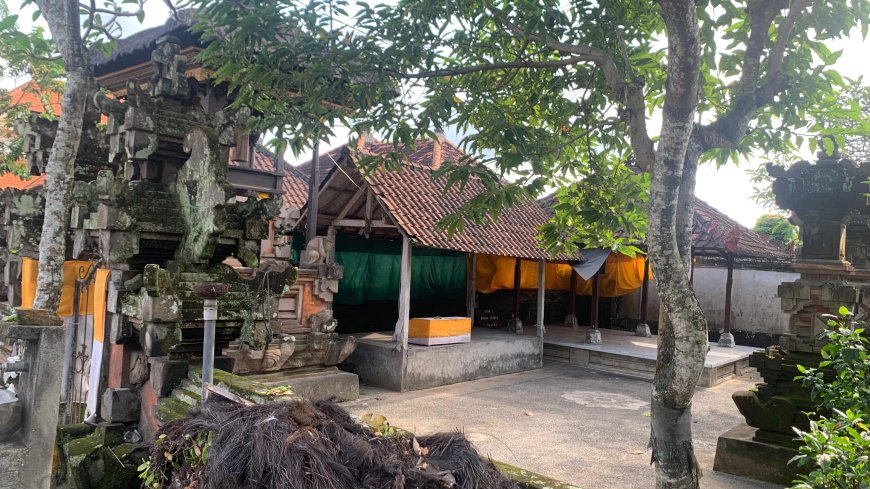
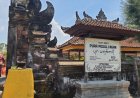
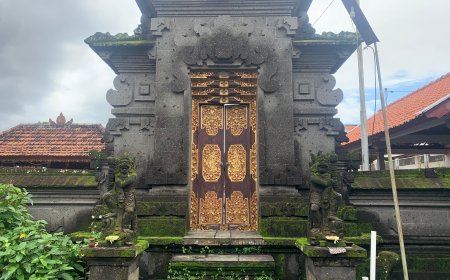
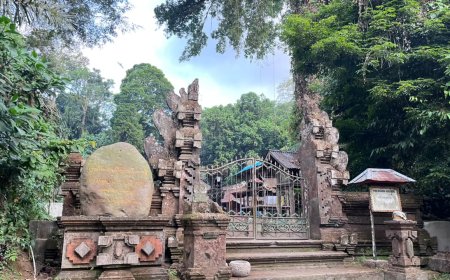
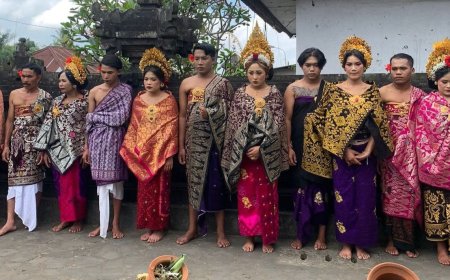
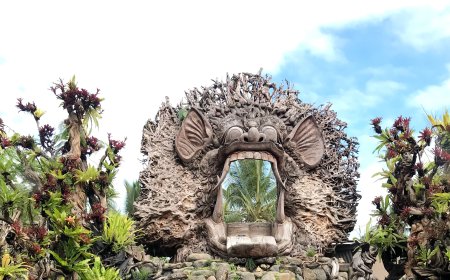
Nista Mandala of Pura Manik Corong (Source: Personal Collection)
In addition to praying for clear weather, the community also performs nunas jatu, which is the act of requesting symbolic items such as matches or incense from the temple. These items are then brought to the ceremony site and used as spiritual means to maintain the sanctity and smoothness of the ritual procession. This symbol is believed to serve as a medium for blessings from Ida Hyang Manik Corong to the worshippers conducting the ceremony.
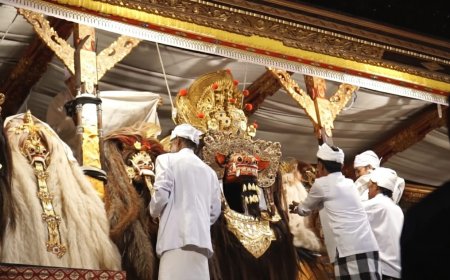
The piodalan at Pura Manik Corong falls on Budha Cemeng Kelawau and is held every 210 days according to the Balinese calendar system. This temple anniversary becomes an important moment for the community to express devotion, perform collective prayers, and strengthen spiritual and social bonds among the people.
Pura Manik Corong is not merely a sacred structure, but a guardian of tradition, history, and cosmic balance for the people of Pejeng Village and its surrounding areas. The presence of the terraced shrine, ancient statues, and the tradition of nunas nerang shows how ancestral heritage remains alive and continuously preserved to this day.
Amid the progress of modern times, Pura Manik Corong continues to stand as a symbol of the connection between humans, nature, and the Creator, teaching that harmony is built not only through technology, but also through spiritual wisdom passed down by the Balinese ancestors for centuries.