






The Legend of the Giant Cave of Sanggulan Deeply Rooted Traditions and Taboos
The Giant Cave of Sanggulan in Tabanan, Bali, is a legendary site shrouded in mystical tales of giants and unique traditions. The prohibition against consuming Timbul fruit has become a cultural heritage respected as a tribute to the ancestors. Through rituals at Pura Paneduhan and well-preserved traditions, the cave reflects the harmonious wisdom of local culture amidst modernization. The cave’s uniqueness, with its three branching passages, adds to its allure as a symbol of the connection between humans, nature, and ancestral heritage.

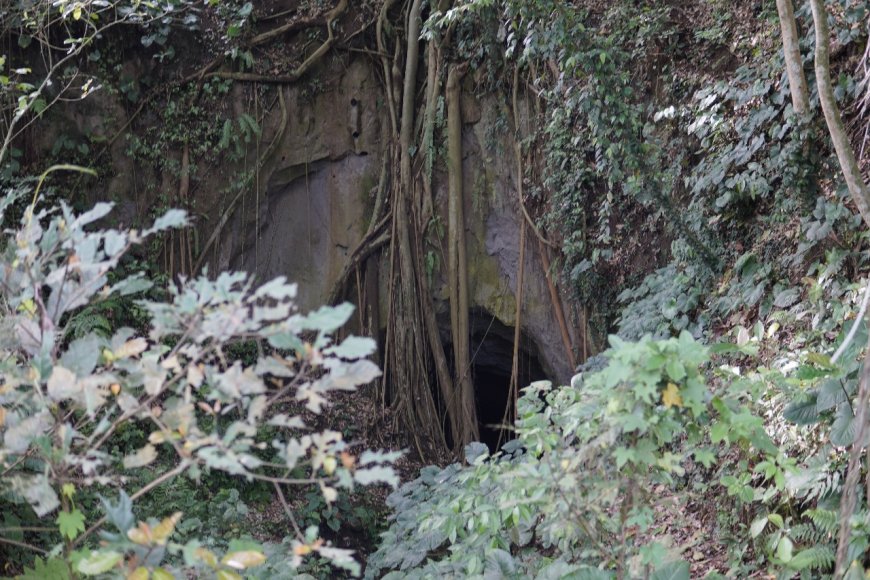
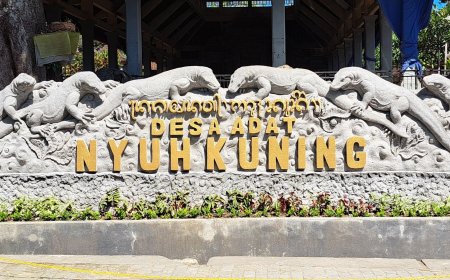
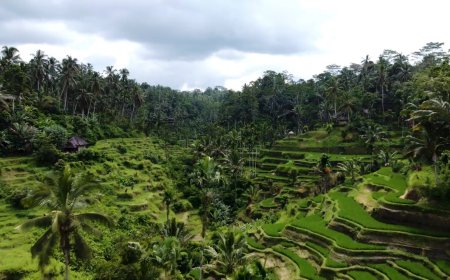
Amid the lush surroundings of Sanggulan Traditional Village, Kediri District, Tabanan, Bali, lies a legendary tale passed down through generations. The Giant Cave of Sanggulan, as the locals call it, holds mystical stories of a giant who once inhabited this cave in ancient times. This large cave is not merely a historical relic but also an integral part of the village's cultural heritage. Traditions and beliefs associated with the cave, including the taboo against consuming Timbul or Tiwul, are still observed to this day. This prohibition is believed to be a form of respect for the ancestors, even though there are no written records in inscriptions or palm-leaf manuscripts.
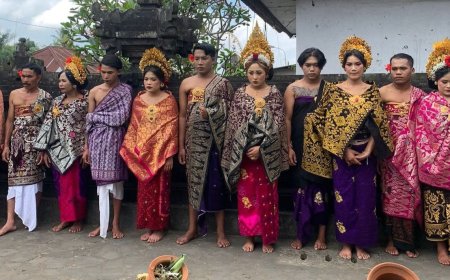
According to Jero Mangku I Made Jata, the caretaker of Pura Paneduhan, this taboo is not a written rule but rather a custom passed down through oral tradition. "We who are born and raised here never eat Timbul," he said. This belief is closely tied to the legend of the giant that lived in the cave. Such traditions strengthen the identity of the local community, which continues to honor its ancestral heritage even as times change.
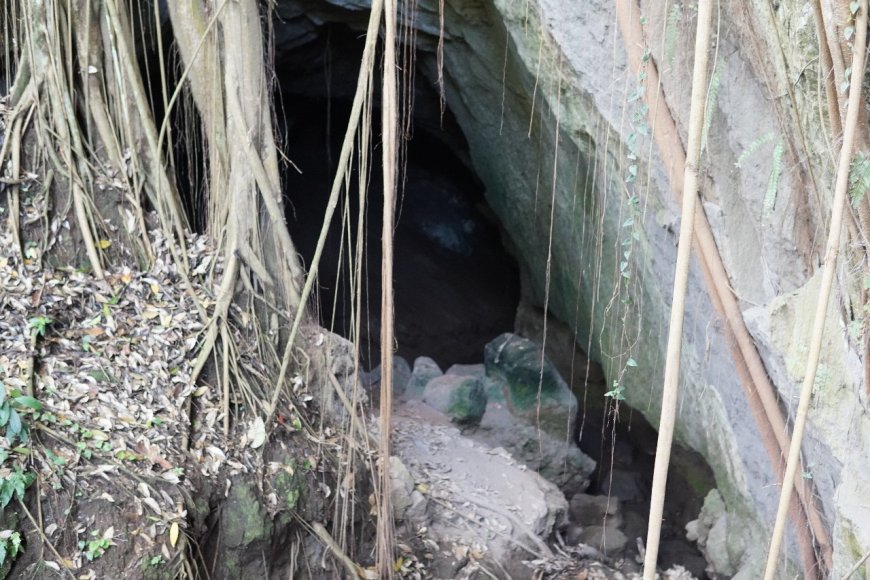
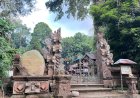
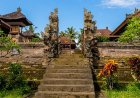
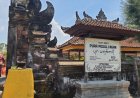
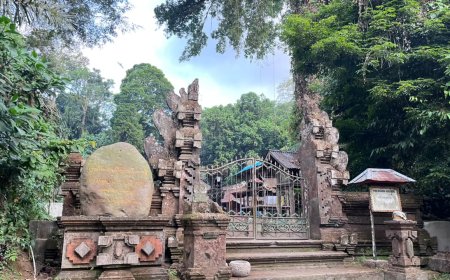
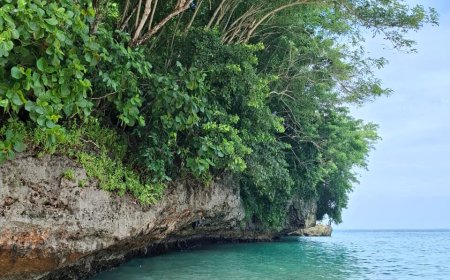
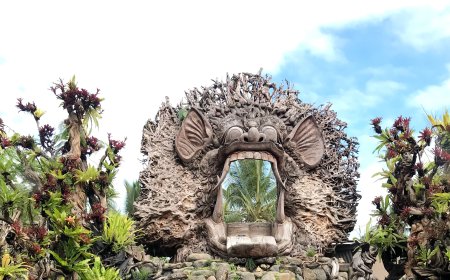
Entrance of the Cave (Source: Personal Collection)
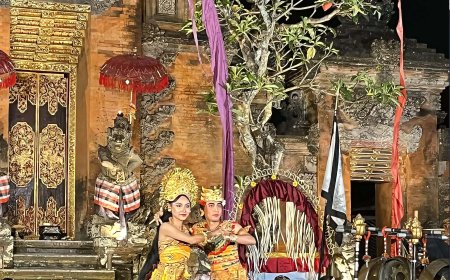
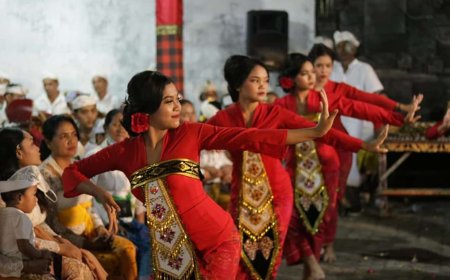
This legend dates back to the Kingdom of Tabanan, when the large cave was believed to be the dwelling place of a giant who frequently terrorized the community. The giant became a menace, especially during royal ceremonies featuring the Rejang Dewa Dance. The last dancer in the lineup often mysteriously disappeared, causing great anxiety among the people. The King of Tabanan eventually ordered his patih (chief minister) and soldiers to investigate the disappearances. In their efforts, the patih employed a simple yet effective strategy: giving the last dancer half-milled rice to carry at their waist. The scattered grains of rice led the patih and his troops to the mouth of the cave, where they discovered human bones. This finding confirmed their suspicions that the giant inhabiting the cave was behind the dancers' disappearances. However, battling the giant was no easy task. Ordinary weapons were ineffective, presenting a significant challenge for the patih and his forces.
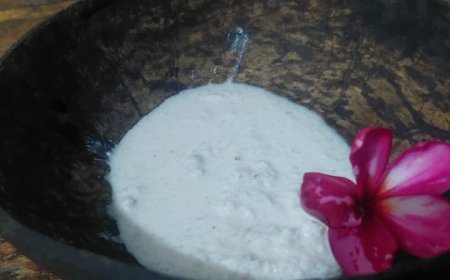
Undeterred, the King of Tabanan devised another plan. He ordered the people to gather a large amount of dry reeds. The reeds were burned in front of the cave entrance, producing thick smoke that forced the giant to emerge. In a desperate state, the giant finally revealed its weakness: it could only be defeated using Timbul wood. Armed with this knowledge, the giant was successfully defeated. Before dying, it warned the people never to consume Timbul fruit as a sign of respect for the wood that had vanquished it. This taboo has since become part of the cultural traditions of Sanggulan Village. The community believes that breaking this prohibition can bring misfortune, such as mysterious illnesses that can only be cured by seeking forgiveness from their ancestors at rong telu, a sacred structure in the family temple. This prohibition is not merely a tradition but also a symbol of respect for the ancestors and the village's history.
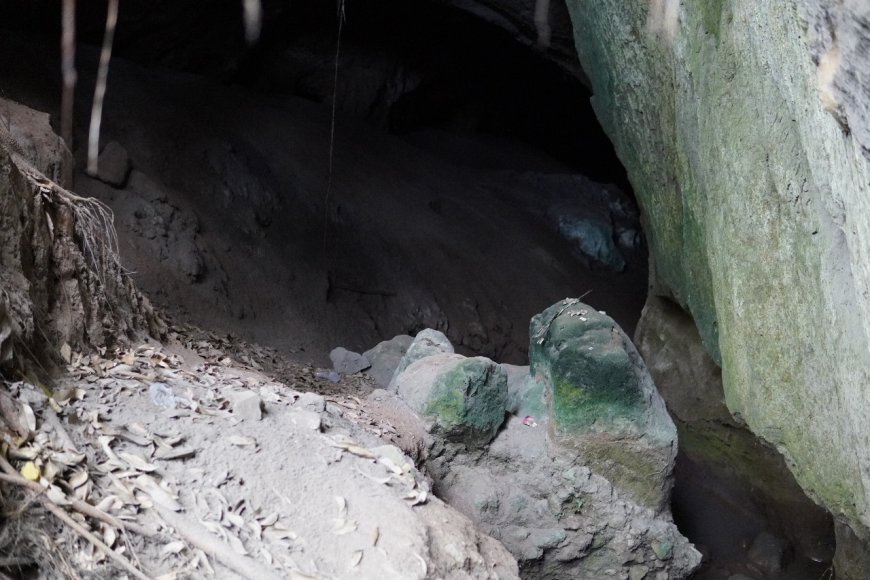
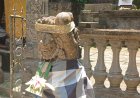
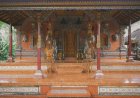
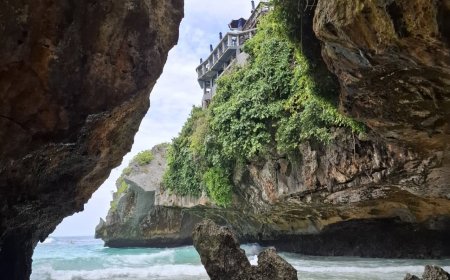
Interior of the Cave (Source: Personal Collection)
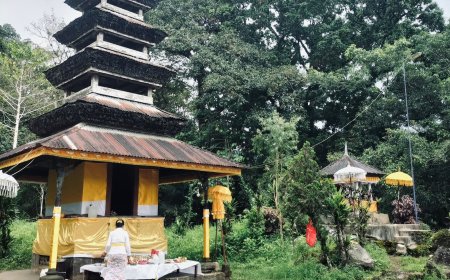
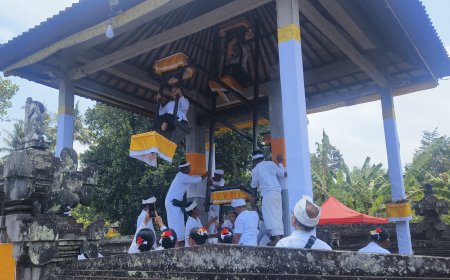
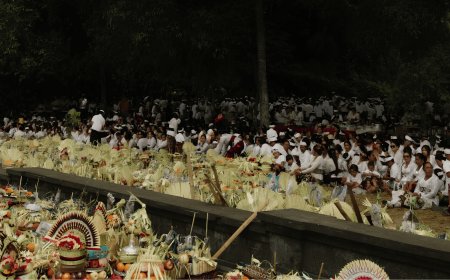
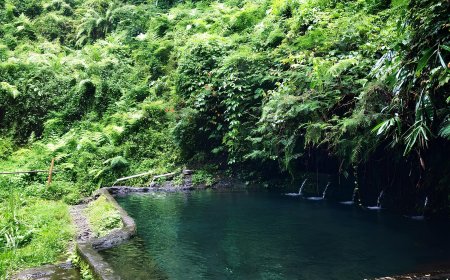
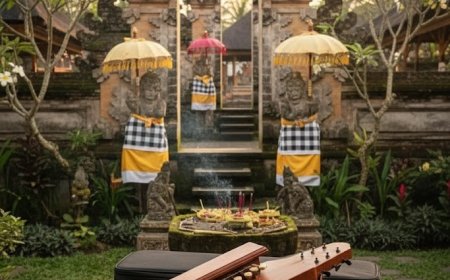
This cave also has its own uniqueness. With its considerable size, the Giant Cave has three branches, each extending to the north, south, and west. One branch leads to the Tukad Yeh Panan River, a vital water source for the local community. Though rarely entered, some brave individuals who have ventured into the cave report a strong mystical atmosphere. Before entering, they usually offer offerings as a sign of respect. The Giant Cave of Sanggulan is also located close to Pura Paneduhan, approximately 100 meters away. This temple once served as a resting place for the entourage of the King of Badung while en route to a royal invitation from the King of Tabanan. Although there is no direct historical connection between the cave and the temple, local tradition requires offerings to be made at the cave whenever a piodalan ceremony is held at the temple. The piodalan, routinely held every six months on Budha Wage Merakih, is an important moment for the community to come together and honor their ancestors.
The Giant Cave of Sanggulan is more than just a legendary site; it serves as a reminder of the strength of tradition and local culture. The prohibition against consuming Timbul fruit and the ritual offerings at Pura Paneduhan symbolize how the people of Sanggulan remain connected to their past. This tradition teaches the importance of maintaining harmony between humans, their ancestors, and nature. In every act of honoring their ancestral heritage, the Giant Cave of Sanggulan stands as a symbol of timeless local wisdom. Despite the march of modernization, the traditional community of Sanggulan continues to preserve traditions that have become an integral part of their identity.