




Taro Traditional Village: Traces of the History of a Traditional Village Rich in Cultural Heritage
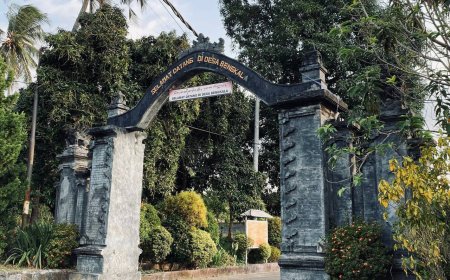
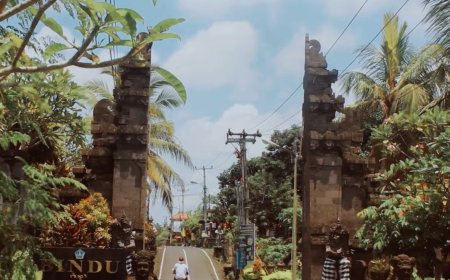
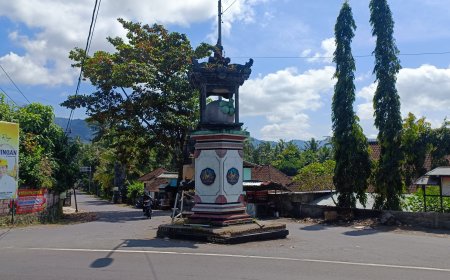
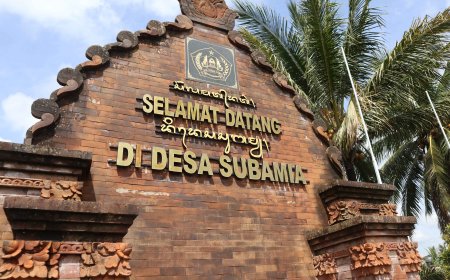
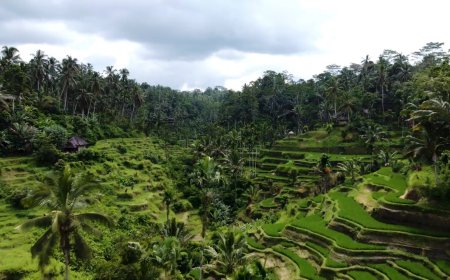
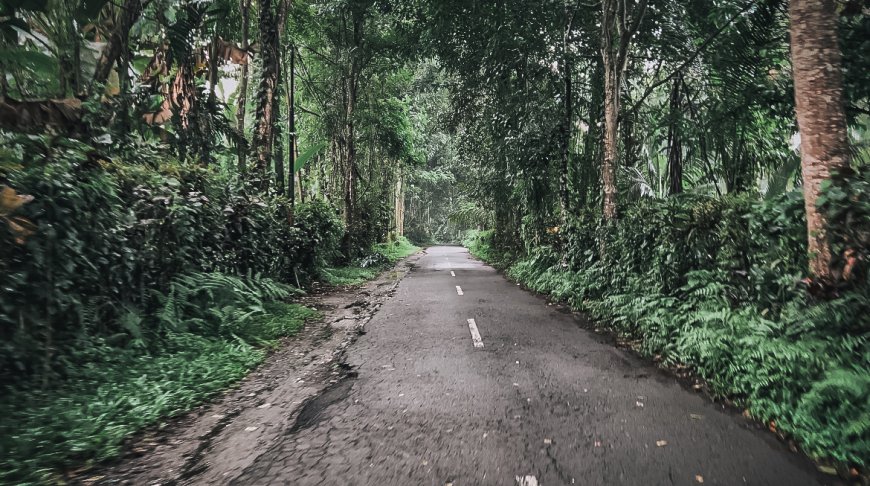
Taro Village is an old village in Bali which is full of cultural heritage from the past. Taro Village was originally known as Bhumi Sarwaa Ada, which means everything. Taro Village is located in Tegalalang District, Gianyar Regency, Bali, between Kintamani to the north and Ubud to the south.

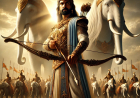
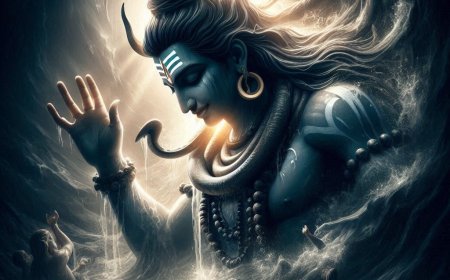
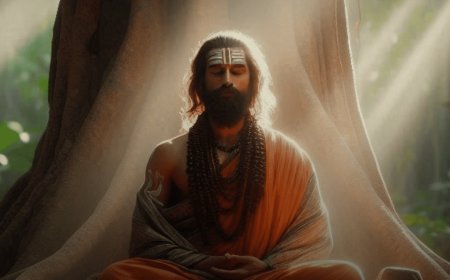
The name Taro Village itself appeared in the Markandya Purana Period. The beginning is taken from the Markandya Purana. Markandya was born in India from Shiva's blessing in the 4th century. He headed to Southeast Asia, East Kalimantan, then to Java Island. Markandya was given the blessing by Shiva, so he was given the title Maha Yogi Markandya, which means from asceticism. Markandya was so strong that even when tempted by Indra, he was not shaken. Finally Shiva came out and gave him, Markandya Maha, meaning great and Yogi, meaning ascetic. Because Markandya asked God (Shiva) for a long life, he knew that because God is omniscient, what he wanted was already known.
After Yogi Markandya arrived in Indonesia in the 4th century, he arrived on the island of West Kalimantan and continued on to West Java. He looked east to Mount Damalung, on this mountain he was tempted by many giants, so he ran to Mount Dieng, from Mount Dieng he was able to defeat the giants (evil) on Mount Damalung. Finally he went to Mount Raung in East Java. From here he looked to the east, there was a gleam of light that caught his eye, from Mount Raung he dreamed of going towards that light. Strangely enough, at that time there were already residents called wong aga. He was able to gather 400 people to search for light in the East. As he continued his journey to East Java, the light turned out to be on Mount Toh Langkir (Mount Agung).
It was from Shiva's blessing that he got the power to know both what exists and what does not yet exist, that Mount Agung is the peak of the Himalayas in India.
Because the forests on the island of Java (long) are very sacred, many of his followers died, finally he returned to Mount Raung to do yoga, from his second (two) yoga with panca datu, he finally returned to gather 800 Wong Aga people, and He immediately invited his followers to take the five datu to Mount Agung.
Arriving on the slopes of Mount Agung, he found a pile of stones, perhaps the pile of stones was a place of worship for his first living followers. Finally the five datu were planted there. From the slopes of Mount Agung, he headed west with his followers and arrived at Ponorajon (Writing). Arriving at the Writing Peak, he stopped for a moment, looking west. From the power of His yoga place on Mount Raung, He looked to the east of Mount Agung,

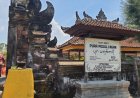
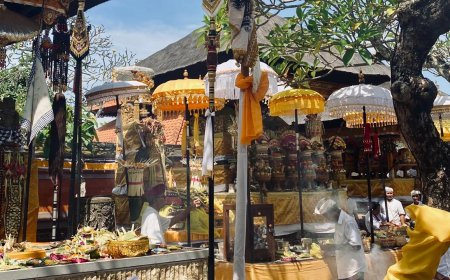
Gunung Raung Agung Temple (Photo Source: Editorial Collection)
Looking to the north of India where He was born, looking to the south to prepare for His place. Finally, his followers were told to go south to build houses (dormitories). His followers did not come to the Writing Peak for a long time, he went down and walked south to Sabang Deet Temple. His followers came there, his followers asked why they didn't come to Writing? Because there was no lack of food or drink, the place was named Sarwa Ada (Taro). From there, the Subak plantation land was distributed. Now it is named Puakan Village. Then he continued to Sarwa Ada (Taro). He continued his journey south until he reached the Wos Campuhan river, he prayed there that the Sapta Ganges in India were there, such as: Gangga, Saraswasti, Serayu, Narmada, Yamuna, Sindu, so he made a temple called Pura Gunung Luah. Gunung means high, Luah means river. He finally looked to the north of his dormitory. Sarwa Ada Utare means Taro, so Sarwa Village is called Taro Village. From there He prelinas His followers who have died. The word banjar arose, meaning ups and downs. Returning to his ministry, he built a temple on the slopes of Mount Agung called Besakih, which means safe. So now it is called Pura Besakih.