





















Loloh Don Kayu Manis: A Traditional Usadha Bali Remedy for Sore Throat
Katuk leaves, known in Balinese communities as don kayu manis, are not only used as a food ingredient. In the knowledge of Usadha Bali, the plant is traditionally used as an ingredient in loloh, a herbal preparation consumed to relieve sore throat. Its use is also documented in the Taru Pramana Lontar, while communities continue to preserve the knowledge of preparing loloh don kayu manis using simple ingredients.

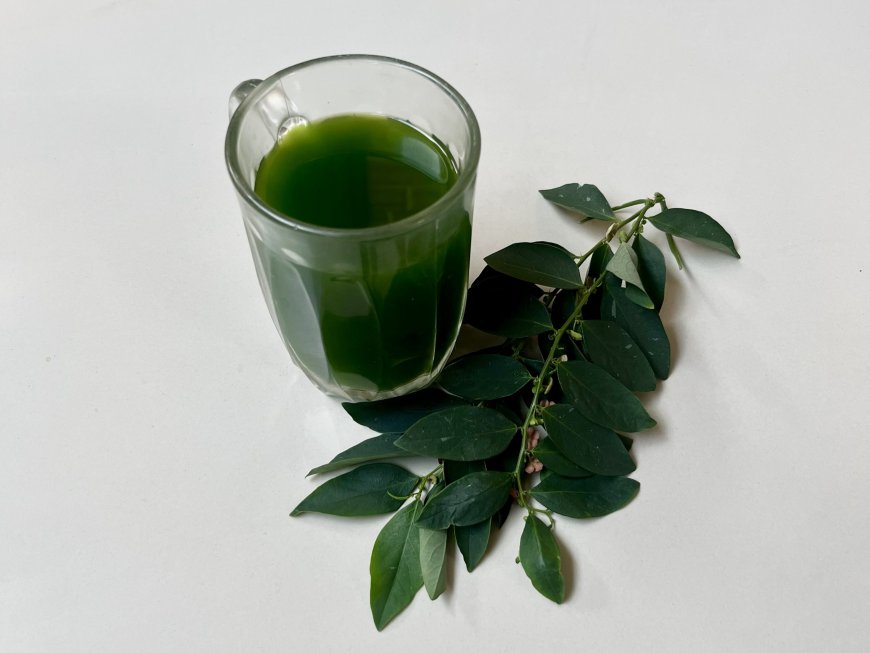
Have you ever heard of loloh don kayu manis? Among the many plants used in traditional Balinese medicine, katuk leaves, locally known as don kayu manis, are one of the plants worth exploring. Although the plant is commonly known as a vegetable, it also has a history of use in Usadha Bali, the traditional healing knowledge of Bali.
Don kayu manis is used as an ingredient in loloh, a traditional herbal preparation in liquid form that is consumed as a drink. According to local knowledge, loloh don kayu manis is traditionally used to help relieve complaints such as sore throat. This practice is not merely based on stories passed down within the community. Its use can also be traced to the Taru Pramana Lontar, which records various plants along with their properties and uses in traditional Balinese medicine.
Traditional Balinese medicine, or Usadha, has a close relationship with the use of plants found in the surrounding environment. One source that demonstrates this relationship is the Taru Pramana Lontar. Taru Pramana contains knowledge about various plants that can be used for healing. The plants are not only identified by name, but may also be described according to the parts used, their properties, methods of preparation, and their uses.
According to an explanation from the Buleleng Regency Department of Culture and Tourism, different parts of plants used in traditional medicine may include the roots, stems or babakan, leaves, flowers, fruits, and sap. These plant materials can then be processed into various forms of traditional remedies, such as loloh, sembar or simbuh, boreh, tutuh, tempel, and others. One form that remains relatively familiar today is loloh, a liquid preparation consumed by drinking.
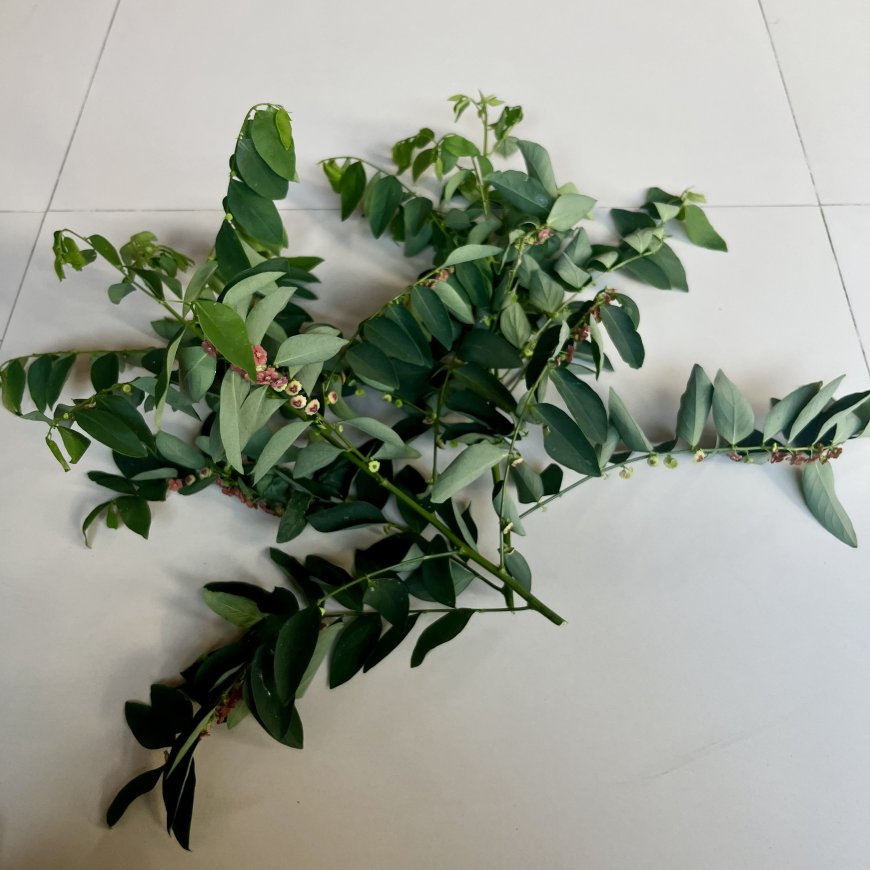
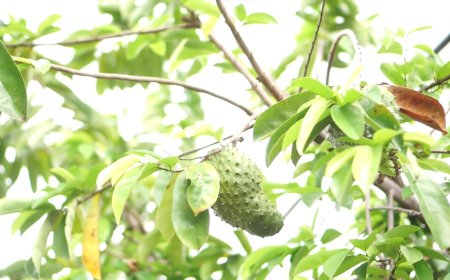
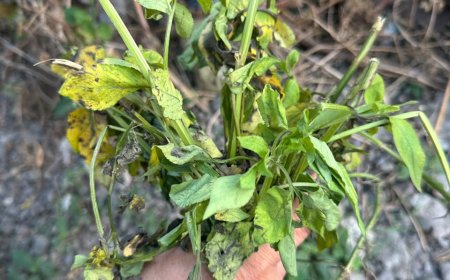
Katuk Leaves/Don Kayu Manis (Photo Source: Personal Collection)
One of the plants recorded in studies of Taru Pramana is Taru Manis, identified as Sauropus androgynus (L.) Merr., commonly known as katuk. In the Balinese context, the plant is also known as don kayu manis. This plant can be used as an ingredient for loloh within traditional medicinal knowledge.
What makes don kayu manis particularly interesting is the description of its use for sore throat. This information can be found in a copy of the Usada Taru Pramana Lontar documented in the Repository of Universitas Pendidikan Ganesha.
The text states:
“Tityang mawasta taru manis, akah rawuh ring dawun tis, yan ana wong rare sakit seret, ambil tityang anggen loloh, ra., santen bawang.”
The translation provided in the source reads:
“I am called the Taru Manis tree, from the roots to the leaves I possess a cooling property. If there is someone suffering from a sore throat, take me and make me into loloh, mixed with coconut milk and onion.”
This statement provides an important basis for understanding the relationship between Taru Manis, loloh, and sore throat in the knowledge of Usadha Bali. In other words, the use of don kayu manis as a loloh for sore throat is not merely a practice known in the community today, but has a written record in the Taru Pramana Lontar.
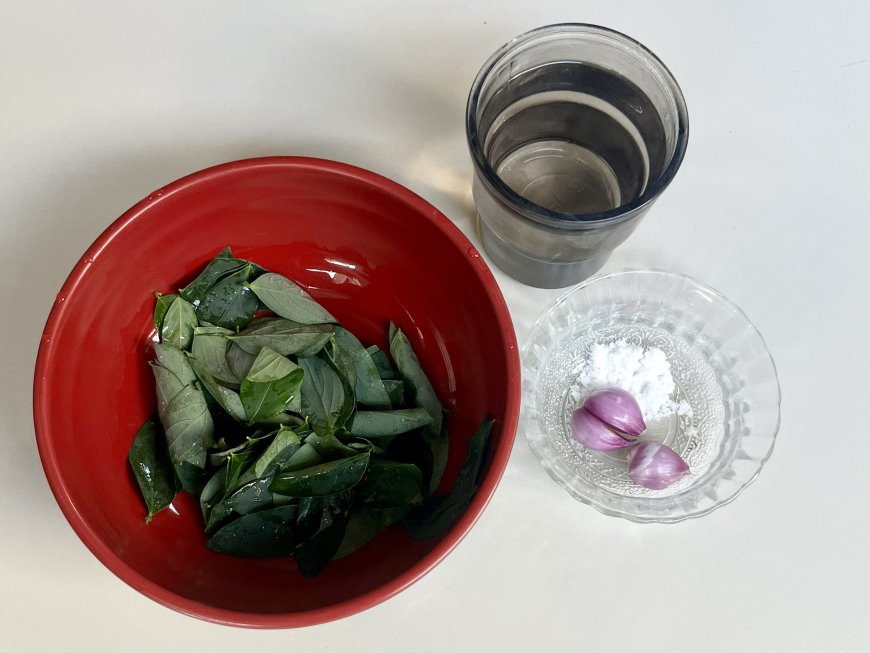
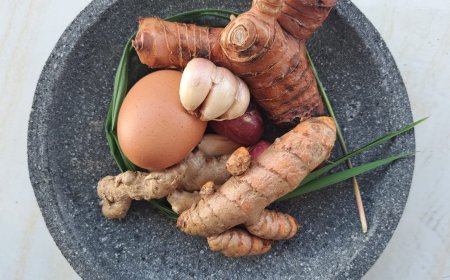
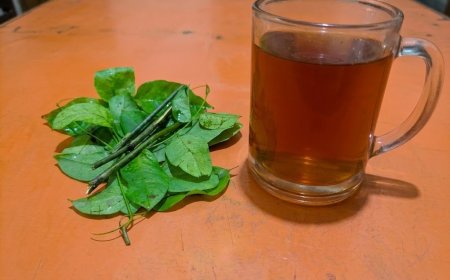
Ingredients for Loloh Don Kayu Manis (Photo Source: Personal Collection)
In addition to its documented presence in the lontar, knowledge about loloh don kayu manis can still be found within the community. Based on an interview, there is a simple recipe commonly known for preparing loloh don kayu manis. The ingredients are also easy to find around the household.
Ingredients
- Katuk leaves or don kayu manis, as needed
- Shallot
- Drinking water
- Salt, to taste
Preparation
- First, separate the katuk leaves from the stems. If there are flowers on the plant, remove them as well. Wash the leaves thoroughly using boiled or safe drinking water.
- Once clean, the leaves are squeezed and kneaded by hand until they release their green-colored juice.
- Next, raw shallot and a small amount of salt are added. Continue kneading the leaves so that the ingredients are thoroughly mixed with the extracted juice.
- Once enough juice has been extracted, strain the mixture to separate the liquid from the remaining plant material.
- The resulting green liquid can then be consumed as loloh don kayu manis.
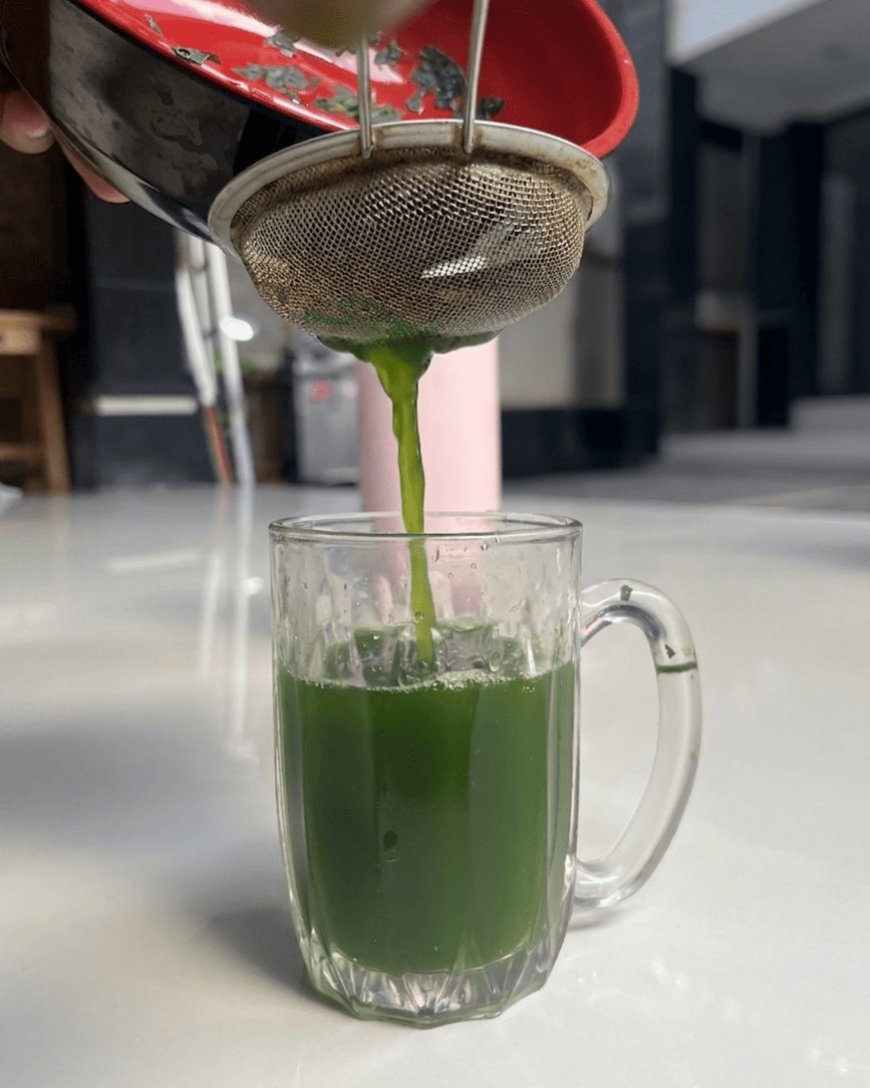
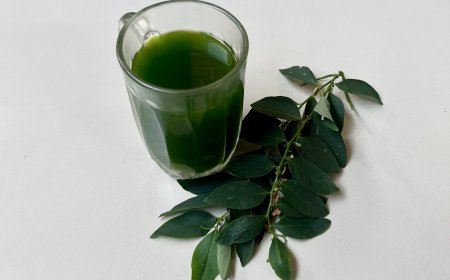
Loloh Don Kayu Manis Preparation Process (Photo Source: Personal Collection)
The preparation process is relatively simple. It does not require special equipment or a lengthy boiling process. This simple method also illustrates how knowledge about medicinal plants can be passed down through everyday practices, rather than only through written texts.
Interestingly, the method of preparing loloh currently known within the community differs from the description found in the Taru Pramana Lontar. The lontar states that Taru Manis is prepared as loloh with coconut milk and onion, while the recipe obtained through the interview uses water, shallot, and salt.
This difference demonstrates that knowledge about loloh can undergo adaptations as it continues to be practiced within the community. The ingredients and preparation methods may change according to local practices, while the main plant used as the herbal ingredient remains the same.
Therefore, the recipe currently known in the community should not necessarily be understood as an exact reproduction of the recipe recorded in the lontar. Both can be viewed as part of the continuing history of knowledge surrounding the use of don kayu manis as loloh.
This also demonstrates that traditional knowledge does not survive solely through written manuscripts. Some forms of knowledge continue to exist because they are practiced, remembered, and passed down orally within families and communities.
Source:
disbudpar, A. (2021, Maret 2). TARU PRAMANA. Retrieved from https://disbudpar.bulelengkab.go.id/informasi/detail/artikel/14-taru-pramana
Pardika, M. (2000). HASIL STUDI DOKUMENTASI “ETNOKIMIA BAHAN LOLOH MENURUT LONTAR USADA TARU PRAMANA DAN INTEGRASINYA DALAM PEMBELAJARAN KIMIA DI SMK FARMASI”. Retrieved from https://repo.undiksha.ac.id/21097/9/2013031012-LAMPIRAN.pdf