






Ajeran: A Wild Plant Used as a Traditional Herbal Remedy for Fever in Usadha Bali
Ajeran is one of the plants known in traditional Balinese healing knowledge, or Usadha Bali. This plant, scientifically known as Bidens pilosa L., often grows wild around yards, gardens, and open areas and is frequently considered a weed. However, behind its simple appearance, Ajeran has traditionally been used as an ingredient in herbal remedies to help relieve fever.

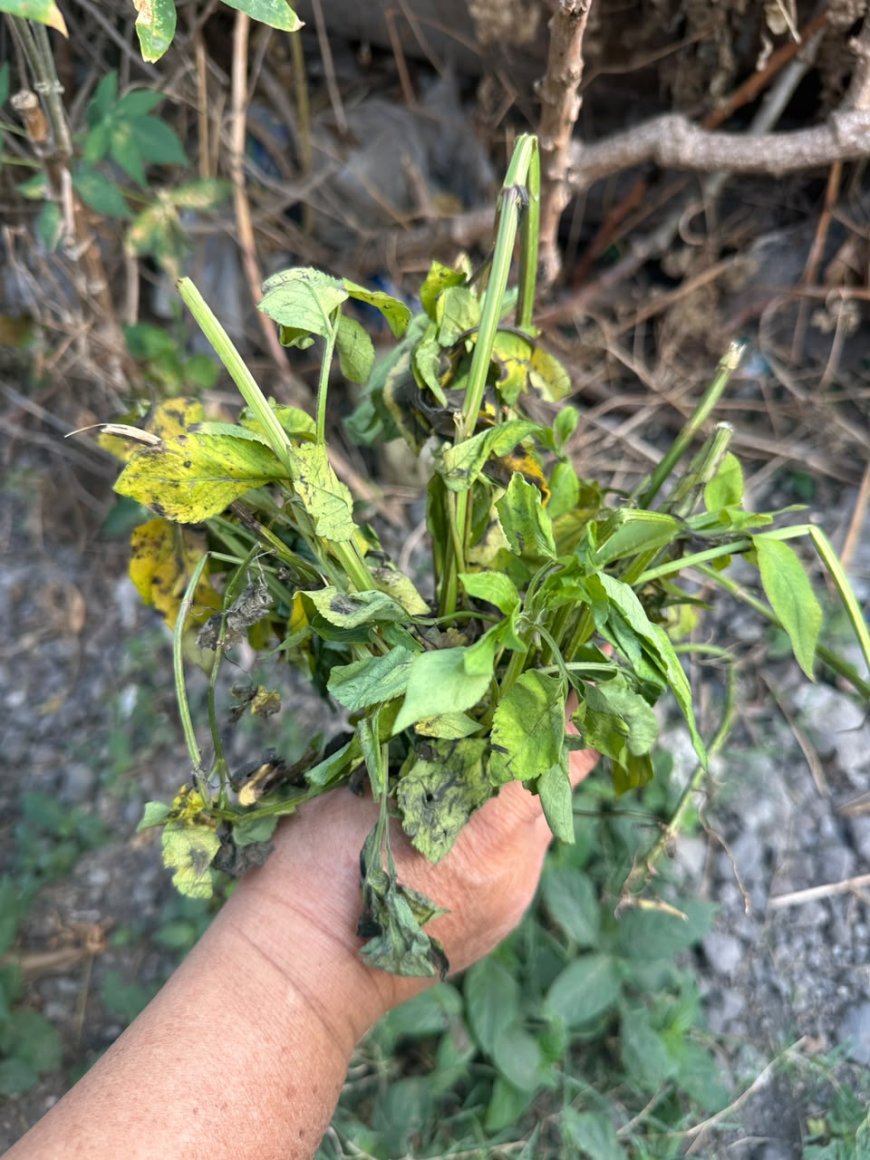
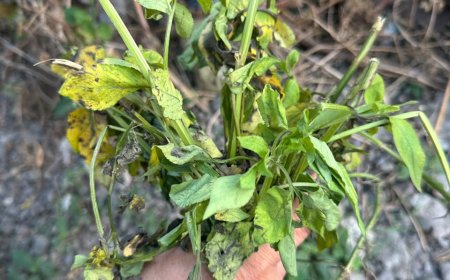
Ajeran has yellow centers and green leaves with serrated edges. Because it can grow easily, the plant often receives little attention. However, according to Bali Governor Regulation Number 29 of 2020, Ajeran (Bidens pilosa) is listed among Usadha medicinal plants. The parts traditionally used include the leaves, as well as the roots and leaves, with one of its traditional uses being for fever.

Leaves and flowers of Ajeran (Bidens pilosa L.) (Source: Personal Collection)
The use of Ajeran shows how Balinese people have long possessed knowledge about plants found in their surroundings. Plants that appear ordinary can be identified and then used as ingredients in traditional remedies. This knowledge represents a form of local wisdom passed down from generation to generation.
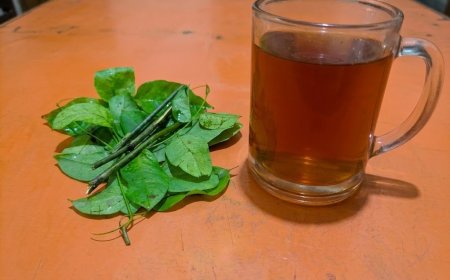
In addition to being listed as a Usada plant, Ajeran is also found in traditional herbal remedy sources for fever and the common cold. In these remedies, Ajeran is not used alone but is combined with several other plants, such as Pule bark, Sembung leaves, and Poko leaves. The combination of these ingredients is an example of how people utilize the diversity of plants around them as part of traditional healing practices.

Ingredients for preparing the traditional Ajeran herbal remedy (Source: Personal Collection)
- Ajeran herb (Bidens pilosa L.) - 3 grams
- Pule bark - 200 mg
- Sembung leaves - 3 grams
- Poko leaves - 2 grams
- Water - 130 ml
Steps for Preparing the Ajeran Herbal Remedy
1. Preparing the Ajeran
First, prepare 3 grams of Ajeran herb. Choose plant material that is in good condition and clean it of any dirt or impurities.

Preparing and weighing the Ajeran herb (Source: Personal Collection)
2. Preparing the Additional Ingredients
Next, prepare 200 mg of Pule bark, 3 grams of Sembung leaves, and 2 grams of Poko leaves. All of these ingredients are used as part of the herbal mixture.
 200 mg Of Pule Bark (Source: Personal Collection)
 3 Gram Of Sembung Leaves (Source: Personal Collection)
 2 Gram Of Poko Leaves (Source: Personal Collection)
3. Cleaning the Ingredients
After all the ingredients have been prepared, carefully clean the plant materials to remove any dirt or impurities that may still be attached.

Cleaning the plant materials before processing (Source: Personal Collection)
4. Preparing the Water
After cleaning the ingredients, prepare 130 ml of water. The water is used in the preparation process through the infusion or steeping method.

Preparing the water for the herbal remedy preparation process (Source: Personal Collection)
5. Infusing or Steeping the Ingredients
Next, the prepared ingredients are processed together with water using the infusion or steeping method. This process is carried out to produce a liquid herbal remedy from the plant materials.

Processing the Ajeran ingredients using the infusion or steeping method (Source: Personal Collection)
6. Straining the Herbal Remedy
After the infusion or steeping process is complete, strain the herbal liquid to separate the liquid from the remaining plant materials.

Straining the Ajeran herbal remedy to separate the liquid from the plant residue (Source: Personal Collection)
7. The Ajeran Herbal Remedy Is Ready to Be Used
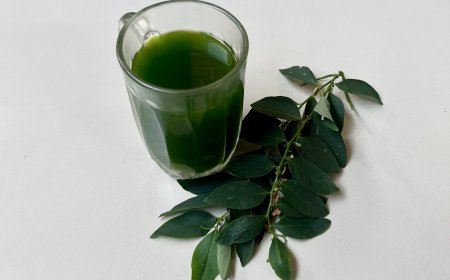
After straining, the Ajeran herbal remedy is ready for traditional use.

Traditional Ajeran herbal remedy after preparation (Source: Personal Collection)
The recipe source states that the remedy is traditionally used twice a day, in the morning and evening, 100 ml each time. This usage is part of traditional practice and should not be considered a substitute for modern medical treatment.
Ajeran may appear to be nothing more than a wild plant growing around us, but its existence has a much longer story. This plant is an example of how Balinese people have recognized plants in their surroundings and utilized them as part of Usadha Bali knowledge.
Amid the development of modern medicine, knowledge about traditional plants such as Ajeran may become less familiar, especially among younger generations. However, learning about Ajeran does not mean that modern medicine must be abandoned. Instead, learning about this plant means understanding one form of local wisdom inherited from Balinese ancestors.
From a wild plant to a herbal remedy, from a herbal remedy to knowledge, and from knowledge to cultural heritage. This is why Ajeran deserves to be known again, especially by younger generations, so that knowledge about Usadha Bali will not disappear with the passage of time.