











Sabo Tegen: A Sacred Trace of Offerings to Shiva and Parvati in Kedisan, Kintamani
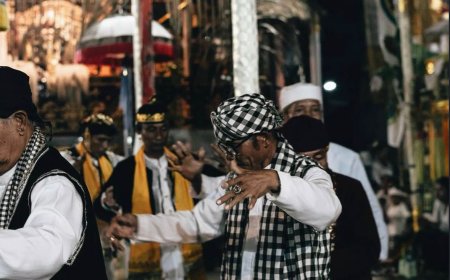
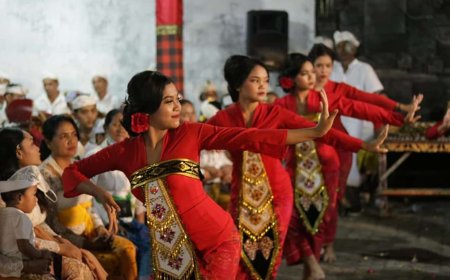
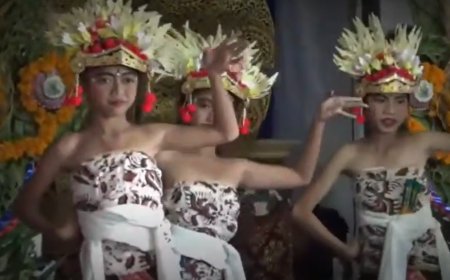
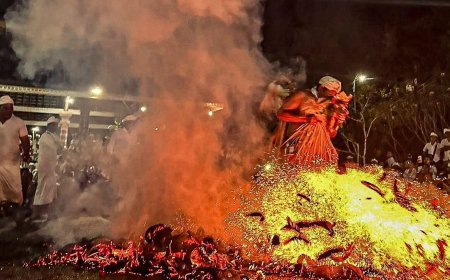
Sabo Tegen is a sacred tradition of the people of Kedisan, Kintamani, carrying significant religious and cultural values. This tradition is part of the community’s ancestral heritage, reflecting the relationship between people and God, one another, and nature, while emphasizing the importance of preserving Bali’s local cultural heritage.

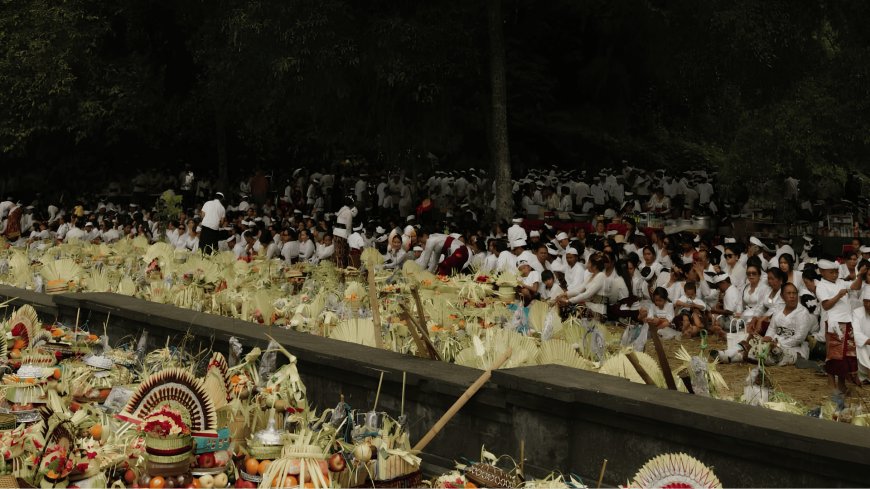
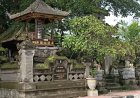
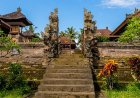
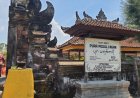
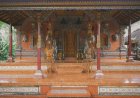
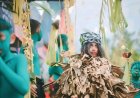
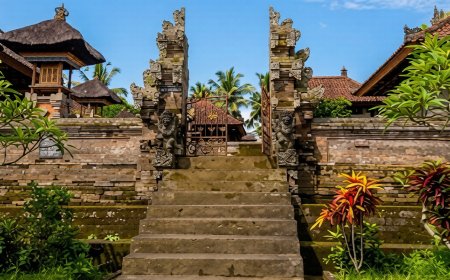
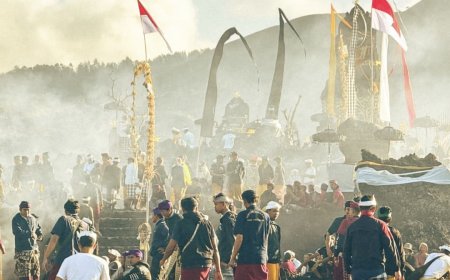
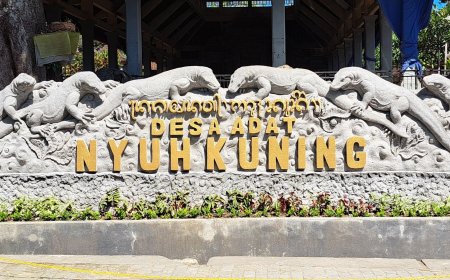
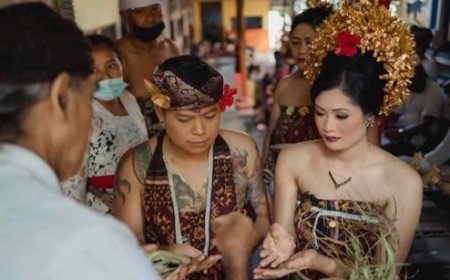
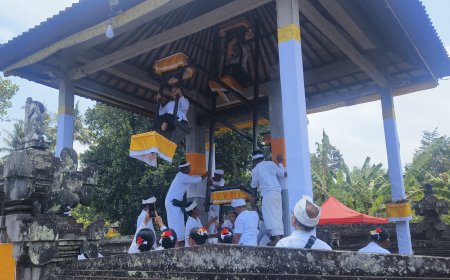
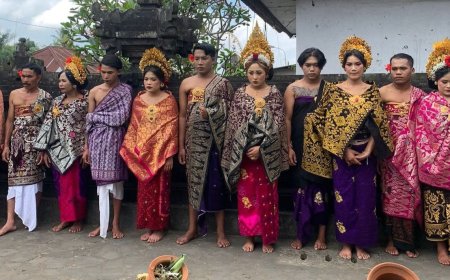
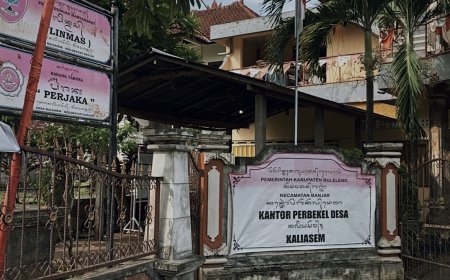
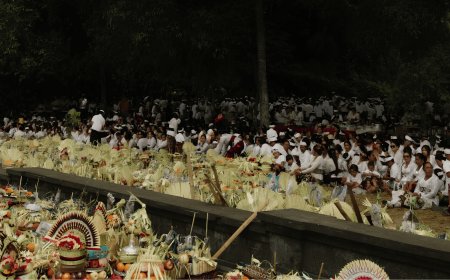
Sabo Tegen, also known in several local sources as Ngusaba Tegen or Ngusaba Tatag, is one of the religious traditions practiced by the people of Kedisan Village, Kintamani District, Bangli Regency, Bali. This tradition is performed regularly and is centered around the Pura Dalem Agung and Pura Dalem Prajapati temples. One of its distinctive characteristics can be seen in the way people carry the offerings. Men carry the offerings by ditegen, which means carrying them on the shoulder using bamboo poles, while women carry the offerings by disunggi, placing them on top of their heads. This practice is not merely a way of transporting offerings but has become part of the identity of Sabo Tegen in Kedisan Village.
The uniqueness of Sabo Tegen can also be seen in the rules for preparing the ritual offerings. During the ceremony, there is a requirement that the cakes and fish used as part of the offerings must not be fried. These ingredients are prepared by steaming, boiling, burning, roasting, or ditimbung. This rule shows that the community has specific procedures for preparing the ritual offerings, which are different from everyday cooking practices. These methods of preparation have become part of a tradition that is passed down from generation to generation and must be followed during the ceremony.
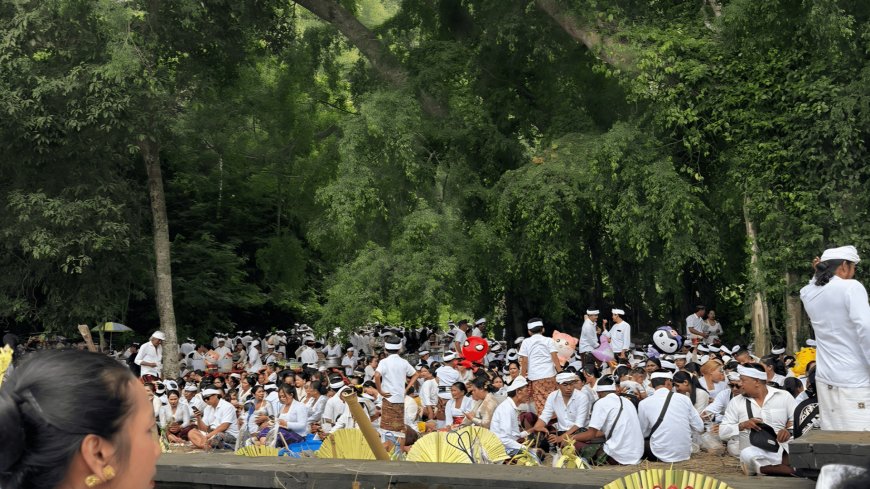
The Harmony of Sabo Tegen in Kedisan Village
The offerings used in Sabo Tegen also have specific forms and symbolic meanings. Several of the offerings include bantal, ketipat, jaje uli or tatongkok, bananas, fruits, and certain types of food. Bantal is understood as a symbol of purusa, while ketipat is associated with pradhana. Jaje uli or tatongkok also carries its own meaning as part of the complete offering. The presence of these various offerings shows that they are not merely food or natural products brought to the temple, but contain symbolic meanings and religious values related to the community's beliefs in performing the ritual.
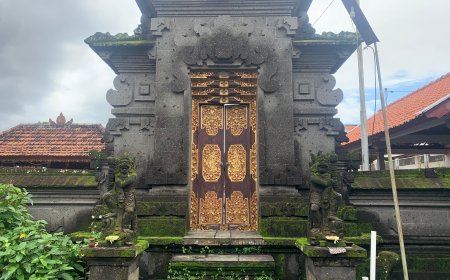
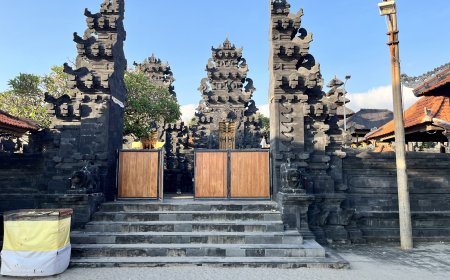
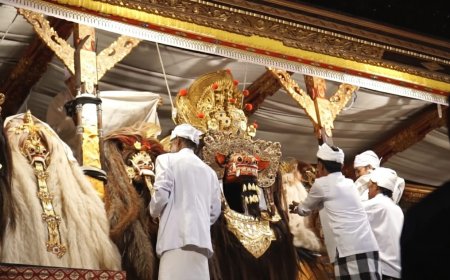
The connection between Sabo Tegen and the worship of Shiva and the sacred forces associated with the Dalem area is an important aspect of understanding this tradition. Sources discussing the Kedisan tradition explain that the ceremony is associated with honoring Lord Shiva and Bhatari Durga at Pura Dalem Siwa and Pura Dalem Prajapati. Holy water, or tirta, from the Dalem Siwa area is also used in the ritual and is associated with the purification of the ancestors. This shows that the relationship with Shiva in Sabo Tegen is not merely expressed through names or symbols, but is directly connected to sacred places, the use of holy water, reverence for ancestors, and the rituals performed by the community.
In addition to its connection with sacred places and worship, Sabo Tegen has specific and well-structured ritual rules. One of them is the concept of sarwa or serba dua puluh, meaning a set of offerings based on the number twenty, which is found in the banten tegenan. Several offerings are arranged according to certain quantities and requirements and make use of resources available in the community, such as agricultural products, fruits, vegetables, and other food sources. These requirements demonstrate that preparing the offerings is part of the cultural knowledge of the Kedisan community, with its own rules that distinguish it from other forms of religious offerings.
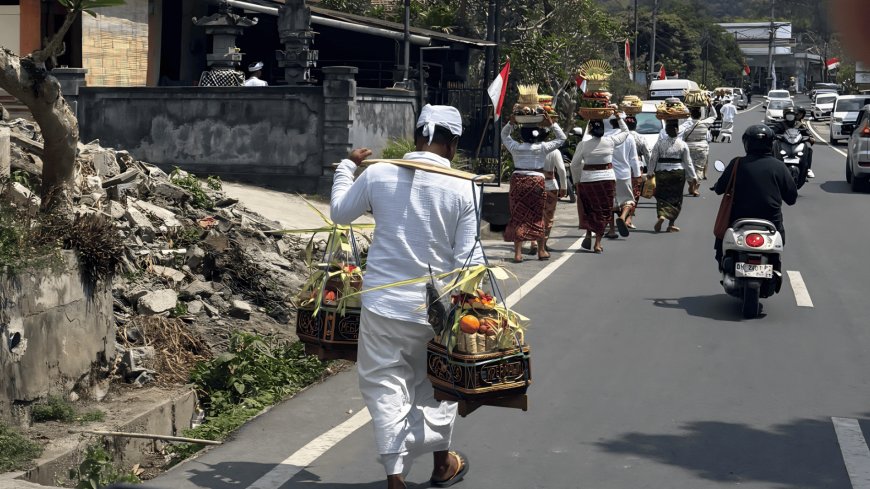
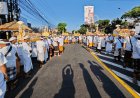
A Moment of Residents Walking Together While Carrying Tegenan Offerings
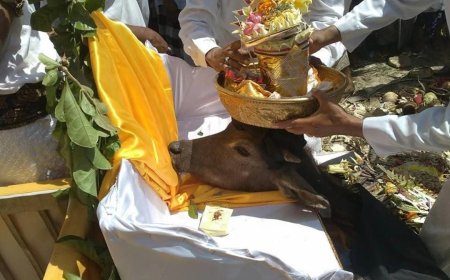
Another distinctive feature of this tradition is the Nyungkit system, which involves a specific cycle in the use of ritual offerings. In its implementation, the first three ceremonies use duck meat, while in the fourth year, buffalo or beef is used. This change shows that Sabo Tegen is not simply an annual ceremony without a particular pattern, but rather has a system and set of rules passed down through generations. This cycle also demonstrates that knowledge of the tradition continues to be preserved through the community's understanding of the rules inherited from previous generations.
Sabo Tegen also has a social function that can be seen through the involvement of the community throughout the entire ceremony. One of the interesting elements is cacah jiwa, which refers to the recording or counting of community members as part of the tradition. The people collect uang kepeng (traditional coin money) as part of this process, and the coins are then buried in the temple courtyard as a way of conveying the number of people in Kedisan Village to the deities. Cacah jiwa demonstrates that Sabo Tegen is not only concerned with the relationship between humans and God, but also involves togetherness and community participation in carrying out a shared tradition.
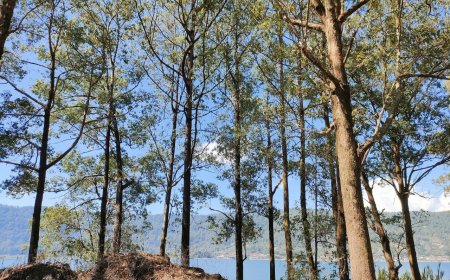
The connection between Sabo Tegen and the daily life of the community can also be seen through the use of natural resources as part of the offerings. Some of the ingredients used come from the environment surrounding the people of Kedisan, including fish from Lake Batur as well as agricultural products and other food sources. This demonstrates that the tradition has developed from the community's own way of life and does not exist separately from the environment in which they live. Therefore, Sabo Tegen reflects the relationship between religious life, the environment, customary practices, and social life, not merely as an abstract concept, but through the actual materials and activities used in its implementation.
Ultimately, Sabo Tegen is not merely a form of offering, but a tradition that preserves rules, symbols, and knowledge passed down by the people of Kedisan Village. The way the offerings are carried, the rules regarding the preparation of ritual ingredients, the symbolic meanings of the offerings, the connection with Shiva and the Pura Dalem area, the Nyungkit system, and the implementation of cacah jiwa all demonstrate that each part of the tradition has its own function and meaning. Sabo Tegen represents the sacred traces of the Kedisan community in preserving their religious and cultural heritage. The continuation of this tradition is important because it contains not only religious practices, but also cultural knowledge and identity that continue to be passed on to future generations.