






A Brahmin Village Amid a Heterogeneous Society: Tracing the Unique History of Cucukan’s People
Amid Balinese society, where people come from diverse wangsa backgrounds, Cucukan Traditional Village in Klungkung stands out for its rare uniqueness: almost all of its krama adat trace their ancestry to the Brahmin lineage. Beginning with the journey of a pandhita and gradually developing into a traditional village, Cucukan has preserved its history and ancestral identity from one generation to the next. But how has a village with such strong ancestral roots managed to live side by side and maintain the spirit of menyama braya within a heterogeneous society?

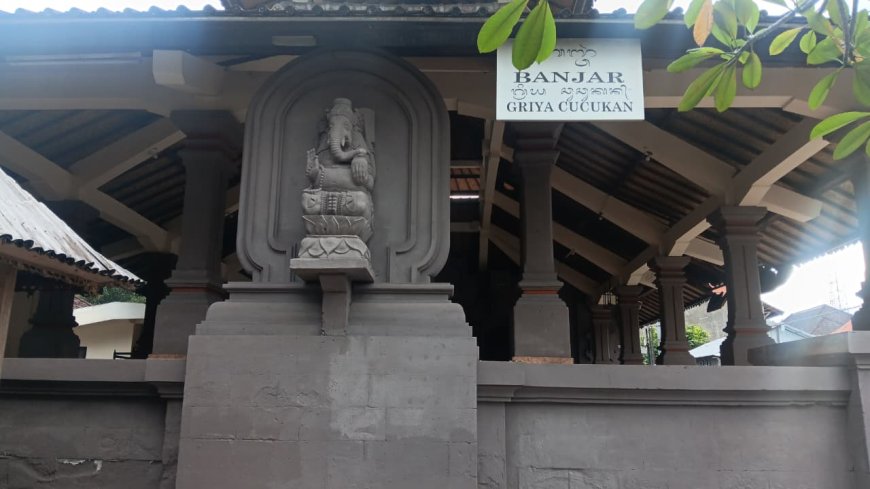
Hindu communities in Bali are known for their diverse social life. Within a single banjar or village, people generally come from different wangsa, or social lineages. In Balinese society, the groups of Brahmin, Kshatriya, Vaishya, and Sudra are commonly recognized as part of the social structure. These differences can also be identified through the use of certain titles placed before a person's name.
However, what if, within one village, almost all of its traditional village members shared the same ancestral lineage?
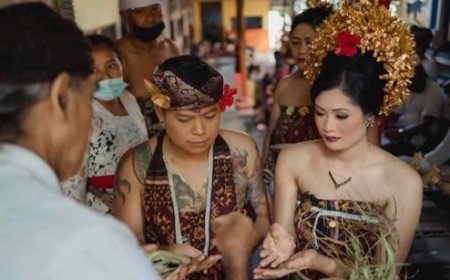
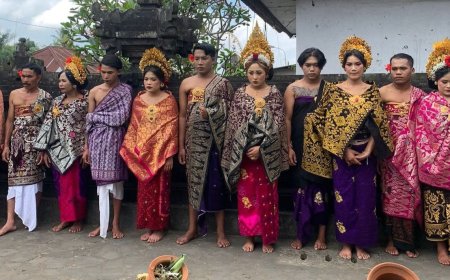
This phenomenon can be found in Cucukan Traditional Village in Klungkung Regency. Unlike the surrounding villages, which have communities with more heterogeneous backgrounds, almost all of Cucukan's krama adat come from Brahmin lineage. This identity can be recognized through the use of the titles Ida Bagus and Ida Ayu.
This uniqueness did not emerge overnight. Behind the uniformity of this ancestral lineage lies a long historical journey that has been passed down from generation to generation.
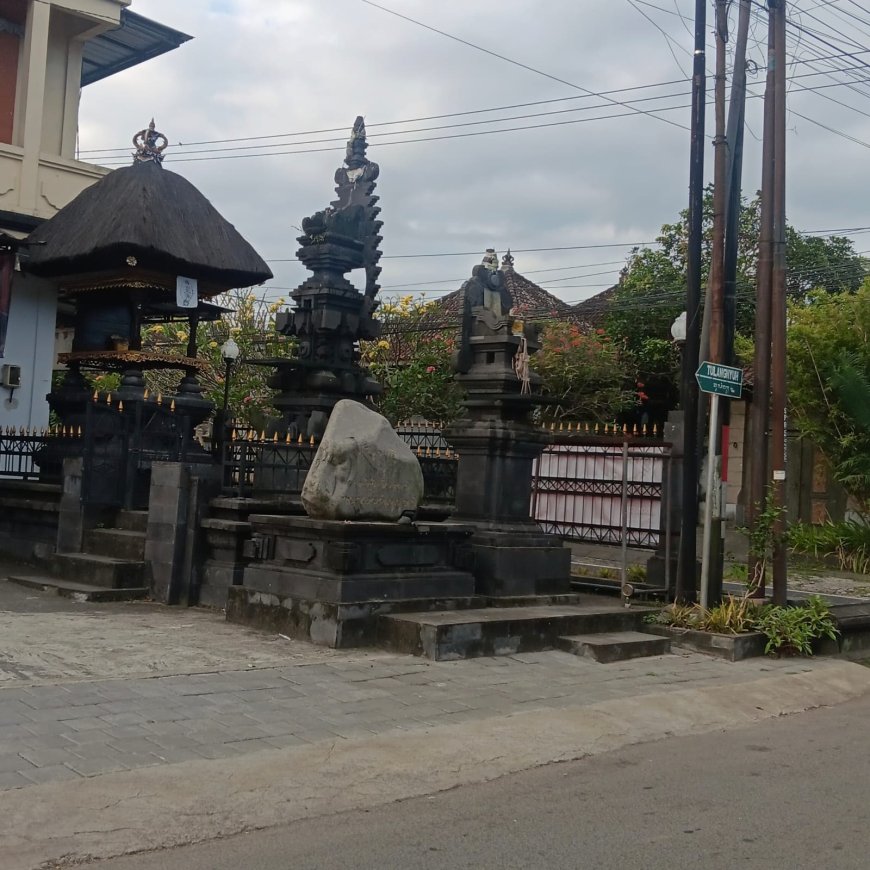
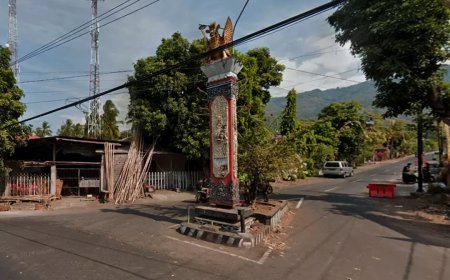
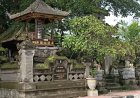
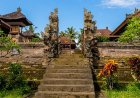
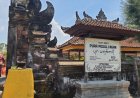
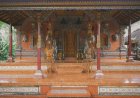
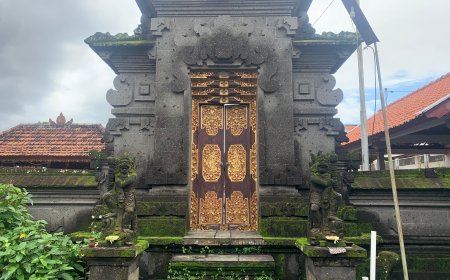
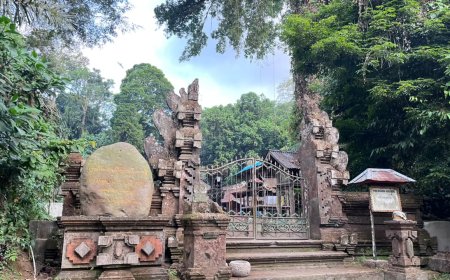
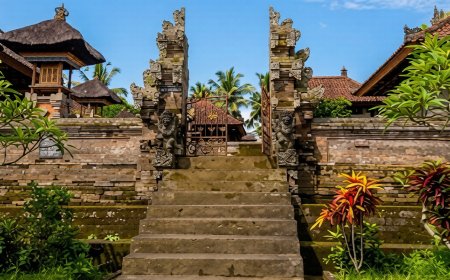
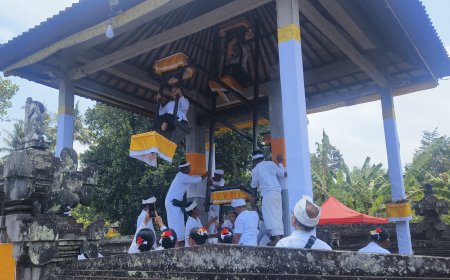
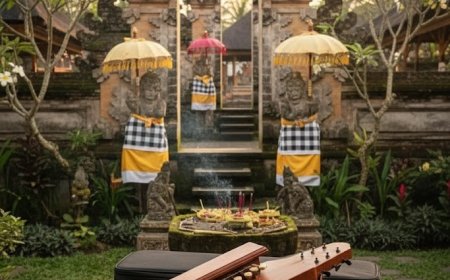
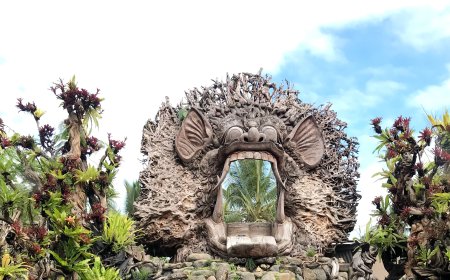
Melanting Temple of Cucukan Traditional Village (Source: Personal Collection)
The Origins of Cucukan Traditional Village
According to the account of the Bendesa Adat of Cucukan, Ida Bagus Anta Wijaya, the history of Cucukan Traditional Village began with the journey of a pandhita, or Hindu priest, who traveled from Banjar Ambengan in Singaraja to the Klungkung region. As a Brahmin, he traveled while carrying out dharma wacana, or the teaching and sharing of religious knowledge with the community.
During his journey, the pandhita once rested in the Selat Kawang area, which is now part of Selat Village in Klungkung. Afterward, he lived in Griya Sangku, located south of Besang Village. However, due to disturbances in the area, the pandhita intended to move elsewhere.
His intention to leave was later held back by Jro Bendesa Subagan, who greatly respected him. Instead, the pandhita was given a new place to live in a higher area. The place was known as Adra Negara, which means “above,” as it was located in a higher area along the route leading to Pura Besakih.
Over time, the name of the area gradually changed and eventually became known as Cucukan. The name is believed to be derived from the word pucukan, meaning “given,” referring to the land that was given to the pandhita as a place to settle. It was in this area that the journey of Cucukan Traditional Village began.
The pandhita later had a son named Ida Sangku. Ida Sangku had four sons: Ida Putra Manduang, Ida Made Gunung, Ida Nyoman Gianyar, and Ida Ketut Batu. Ida Putra Manduang later chose to settle in Muncang, while his other three brothers remained in Cucukan and continued to develop their family lineages in the area.
In his old age, Ida Sangku married Ida Ayu Kecig and had a son known as Ida Gede Rai. He later received the title Mpu Suruwedana because he was known for successfully composing various religious literary works.
As time passed, Ida Sangku's descendants continued to grow. The kinship network, or pasemetonan, expanded and gradually developed into a banjar, eventually forming Cucukan Traditional Village. Today, the village consists of more than 190 households, with the majority of its krama adat originating from Brahmin lineage.
The story of the origins of Cucukan Traditional Village is also preserved to this day through an inscription. This inscription cannot be opened or read carelessly. Only the penglingsir, or village elders, are allowed to read it during the implementation of a Karya Agung, or major religious ceremony.
This tradition serves as a way for the people of Cucukan Traditional Village to preserve the memory of their ancestors. Younger generations are invited to revisit the long journey that marked the beginning of the village while also understanding how their ancestral lineage developed into an established traditional community.
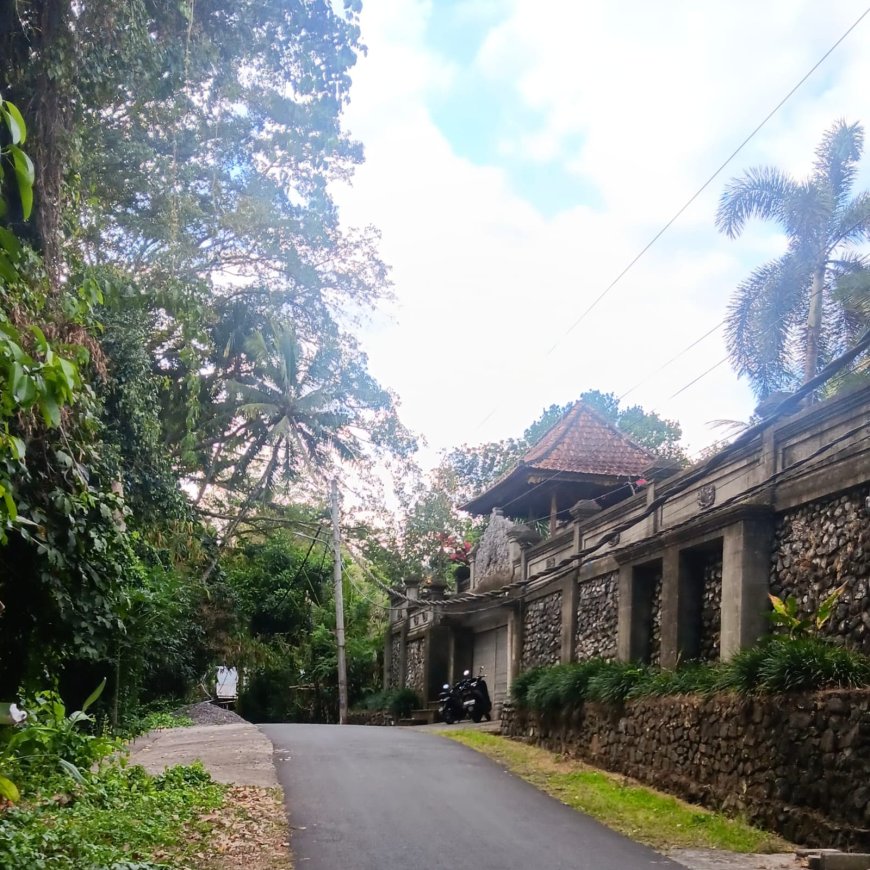
One Ancestral Lineage, Yet Still Living in Brotherhood
The uniqueness of Cucukan Traditional Village may lead some people to imagine that its community lives in isolation and only interacts with members of its own group. However, this is not the case.
Although the krama adat of Cucukan have a relatively homogeneous ancestral background, the community continues to maintain social relationships with neighboring villages. The concept of menyama braya, which refers to brotherhood, kinship, and togetherness, remains an important part of daily life.
The people of Cucukan Traditional Village continue to interact with residents of nearby villages, such as Tulangnyuh Village and Selat Village. According to the Bendesa Adat, differences in wangsa have never been a barrier to building social relationships.
This can be seen when members of the Cucukan community receive invitations to participate in activities in other villages. They continue to attend, maintain social ties, take part in community activities, and engage in ngayah, or voluntary communal service and mutual cooperation.
The identity of Cucukan as a village whose krama adat are predominantly of Brahmin descent does not become a barrier separating its people from the surrounding community. They remain part of a wider social environment and continue to live alongside people from different backgrounds.
In addition, this uniformity does not mean that everyone living within the territory of Cucukan Traditional Village must come from a Brahmin lineage. In traditional village life, there are two commonly recognized groups: krama adat and krama tamiu.
Krama adat refers to members of the community who are part of the village's traditional structure and customary life, while krama tamiu refers to people who live within the village area but come from outside the village's traditional membership. In Cucukan Traditional Village, there are also residents from different wangsa backgrounds who live there as krama tamiu.
This is what makes Cucukan Traditional Village even more interesting. The uniformity lies primarily in the ancestral lineage of its krama adat, while its social life continues to exist within a diverse community.
Uniting Brotherhood Within One Village
Another uniqueness of Cucukan Traditional Village can also be seen in the history of its religious life. According to the account of the village's Jro Bendesa, there were once two Pura Dadia in the Cucukan area: Pura Dadia Griya Gede and Pura Dadia Griya Tengah.
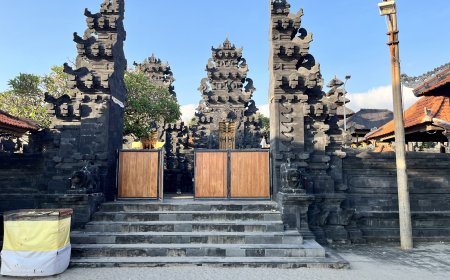
However, as the community developed, the two groups were eventually united through the construction of a Pura Desa, or village temple, by Ida Pedanda Gede Rai. The temple not only served as a sacred place of worship but also became a symbol of the unity and brotherhood of the people of Cucukan Traditional Village.
From family relationships emerged groups of pasemetonan. From these kinship groups grew a banjar, which eventually developed into a traditional village whose identity has endured to this day.
Ultimately, Cucukan Traditional Village is not only interesting because of the many names bearing the titles Ida Bagus and Ida Ayu among its krama adat. More than that, the village preserves stories of ancestral journeys, kinship, traditions, and the community's efforts to maintain its identity.
Amid surrounding villages with more heterogeneous populations, Cucukan Traditional Village continues to preserve the traces of its history. It is a village with strong ancestral roots, yet it remains open to living side by side and practicing menyama braya with people from different backgrounds. Cucukan Traditional Village is one unique example of how history, ancestry, and social life can shape the identity of a village in Bali.