







The Shattering of the Payuk Pare Tirta Kamandalu: The Origin of Belahan Alas Harum Temple, Basangambu Customary Village
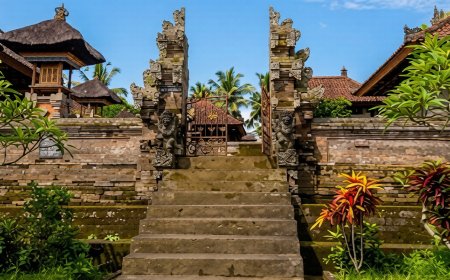
In Basangambu Traditional Village, Manukaya, Tampaksiring District, Gianyar, stands a sacred site known as Belahan Alas Harum Temple. The story behind this temple has been passed down through generations by the local community. Its history is closely connected to the journey of the deities and the sacred Tirta Kamandalu, while its religious traditions continue to be practiced by the community to this day.

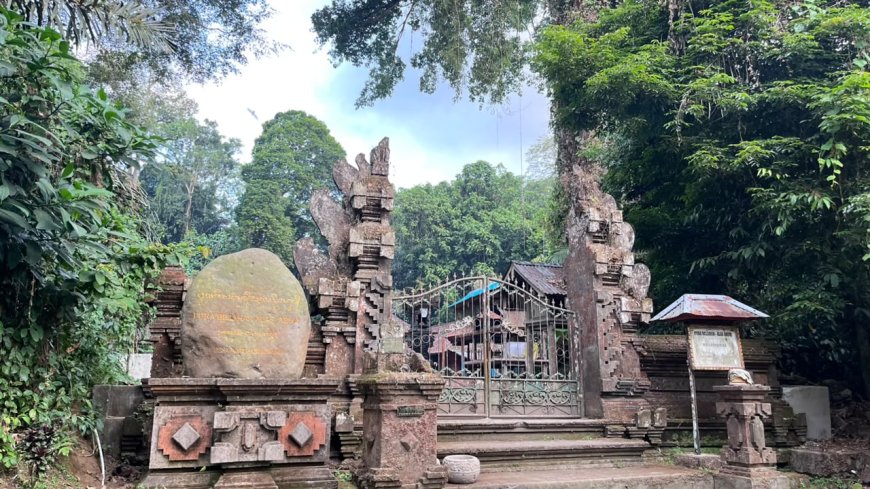
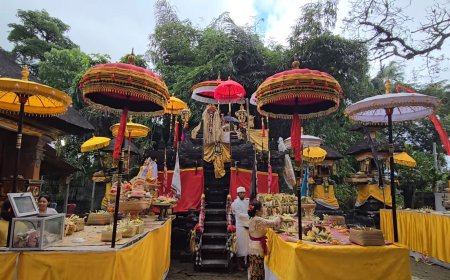
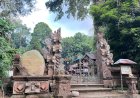
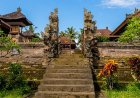
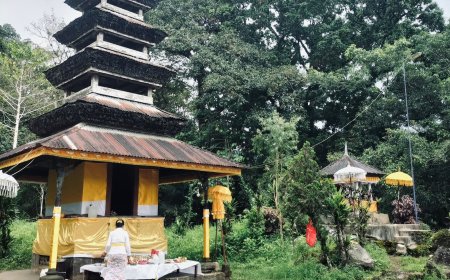
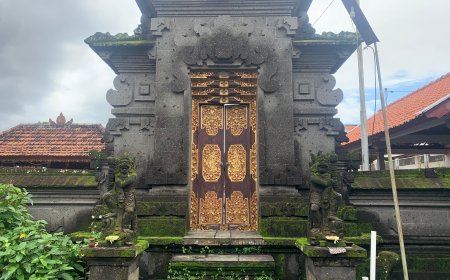
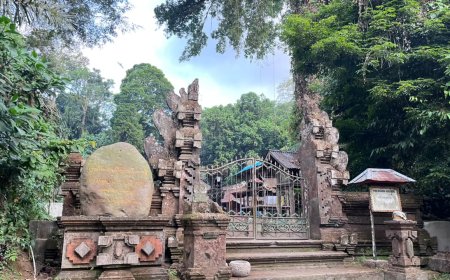
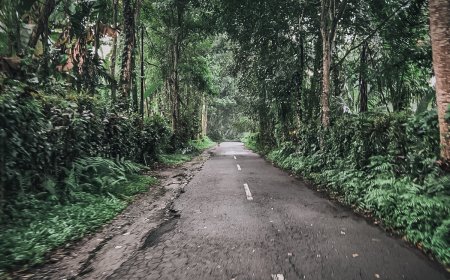
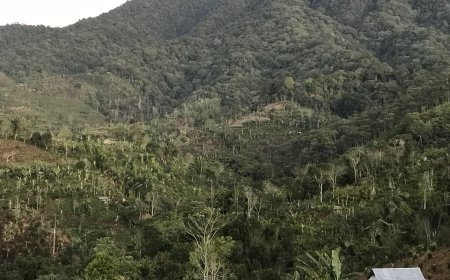
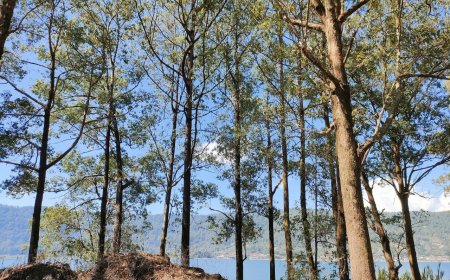
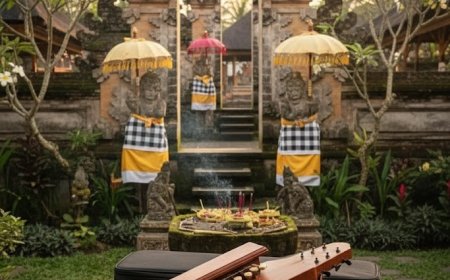
The surroundings of Belahan Alas Harum Temple are cool and peaceful. The temple is surrounded by lush trees, creating an atmosphere that feels almost like being in the middle of a forest. This natural setting seems to reflect the meaning behind the temple’s name Alas Arum which can be understood as fragrant forest.
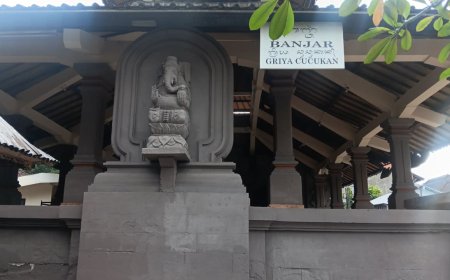
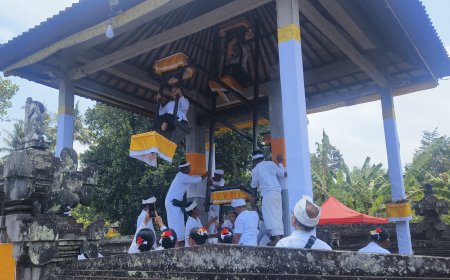
Within the temple complex are several sacred shrines and structures, each with its own place and function in religious ceremonies. These include Pelinggih Pengaruman, Pewedan, Peselang, Bale Catur, Bale Gong, Bale Lantang, Pranggungan, Pelinggih Ratu Lingsir, Padmasana, Penyucian, Pelinggih Ratu Gede, Pelinggih Arca, Linggayoni, and Bale Kulkul. Together, these structures form an important part of the temple complex and are used during various religious activities.

Belahan Alas Harum Temple (Photo Credit: Personal Collection)
Behind the existence of Belahan Alas Harum Temple lies a story that holds an important place in the local community the story of the shattering of Payuk Pare the vessel containing Tirta Kamandalu. This story is connected to the journey of Bhatara Indra and his troops as they pursued Sri Mayadenawa.
At that time, the deities were traveling after a battle with Sri Mayadenawa. During their journey, an envoy was sent to obtain Tirta Kamandalu. After receiving the sacred water, the envoy began his journey back to where Bhatara Indra was waiting. However, along the way, at a location to the northeast of the place where Bhatara Indra had rested, an unexpected event took place. Payuk Pare, the vessel containing Tirta Kamandalu, broke, causing the sacred water inside to spill onto the ground.
The spilling of Tirta Kamandalu is believed to have brought a transformation to the surrounding area. The forest where the sacred water spilled was said to become filled with a beautiful and fragrant aroma. This event is believed to be the origin of the name Alas Arum. Belahan Alas Harum Temple was later established in this forest and is believed by the local community to be one of the Dangkahyangan temples. After the incident, the envoy returned to Bhatara Indra and told him what had happened. As proof, he brought an ambu, a cord from the broken Payuk Pare.
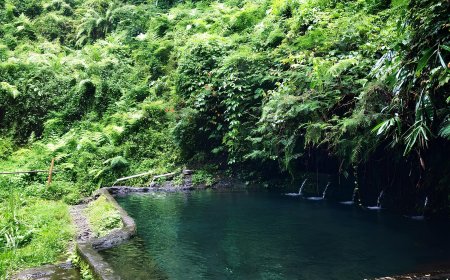
The story of Tirta Kamandalu then continued as Bhatara Indra carried a tedung and umbul-umbul toward the west. After they were planted in the ground, water suddenly burst forth from the spot. The sacred water was then sprinkled on and drunk by Bhatara Indra’s troops. According to the story passed down through the community, the sacred water brought the fallen troops back to life, allowing them to rise again and continue their journey in pursuit of Mayadenawa. The place where this sacred spring appeared later became known as Tirta Empul Temple.
This sequence of events connects the shattering of Payuk Pare and Tirta Kamandalu with several places that are still known today, including Belahan Alas Harum Temple, and Tirta Empul Temple. The story has become part of the cultural heritage that continues to be passed down by the people of Basangambu Traditional Village.
Apart from the story of Tirta Kamandalu, Belahan Alas Harum Temple also has other stories that are still believed by the local community. Because the temple remains surrounded by dense trees and has the atmosphere of a forest, people believe that the area is home to things that cannot always be seen by the human eye. One of the stories often shared by the community is the appearance of a golden deer around the temple. Some residents have said that they have seen a deer-like figure with a golden color within the temple grounds

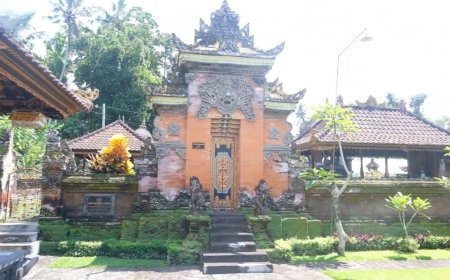
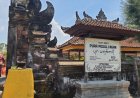
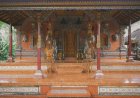
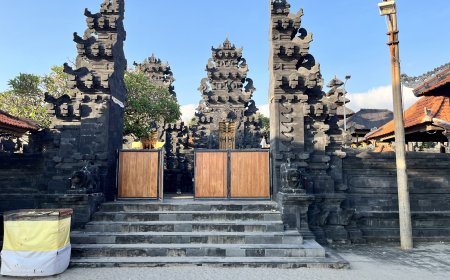
Pemasaran Temple (Photo Credit: Personal Collection)
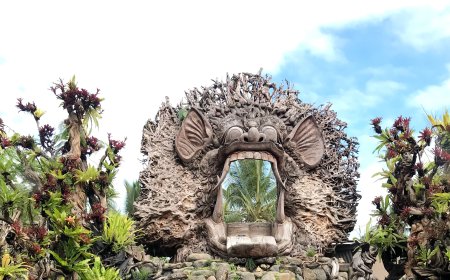
Pura Belahan Alas Harum stands alongside Pura Pemasaran, which is situated right at the temple entrance Pura Pemasaran itself has its own unique history. Local residents believe this temple marks the site of what was once the sacred market of Ida Bharata. The existence of Pura Pemasaran is also linked to the religious activities conducted at Pura Belahan Alas Harum.
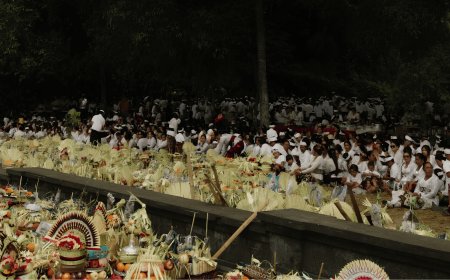
Whenever an odalan ceremony is held at Belahan Alas Harum Temple, the odalan at Pemasaran Temple is also carried out. This tradition continues to be maintained by the community as part of a practice that has been passed down through generations. It shows that the two temples are connected not only by their close location but also by the religious life of the people of Basangambu Traditional Village.

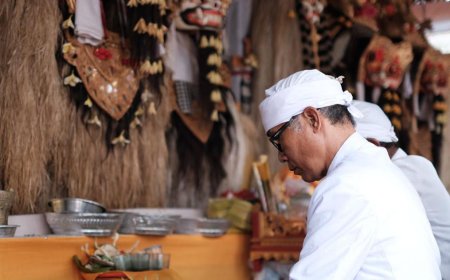
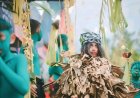
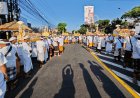
Baris Pugpug (Photo Credit: Banjar Collection)
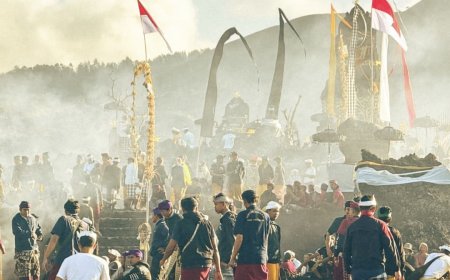
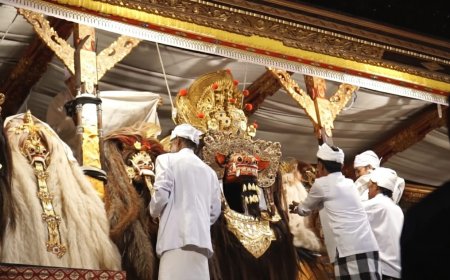
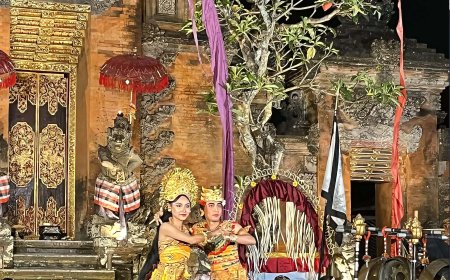
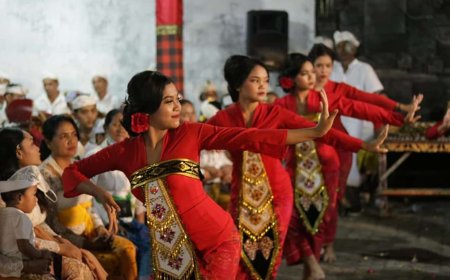
The odalan at Belahan Alas Harum Temple is held every Purnama Sasih Kapat, or the full moon of the fourth month in the Balinese calendar. One of the distinctive traditions performed during the ceremony is Baris Pugpug. Baris Pugpug is a procession involving a group of young boys carrying spears made from carang pugpug, or palm branches. They walk and sometimes run while making distinctive calls such as “hore” or “oi.” The procession moves at the front, serving to accompany and guard the journey of the sacred representations of the deities and the ceremonial offerings.
The Baris Pugpug procession accompanies Ida Bharata Alas Arum, particularly during mancut tirta and mepapada. The atmosphere becomes lively with the sound of footsteps, the children’s calls, and the procession of ceremonial objects. This tradition has become one of the distinctive features of the odalan ceremony at Belahan Alas Harum Temple.
The significance of Belahan Alas Harum Temple lies not only in its sacred structures but also in the stories and traditions that continue to live within the community. The story of the shattering of Payuk Pare and the spilling of Tirta Kamandalu, the transformation of the forest into a fragrant place, and the tradition of Baris Pugpug are all interconnected parts of its cultural story. Together, these stories and traditions give Belahan Alas Harum Temple a special significance for the people of Basangambu Traditional Village. They are not merely stories from the past, but a cultural heritage that continues to be preserved and passed down to future generations.