














Deep Meaning of Rejang Pande Dance: Widyadari Dewi Saraswati in Movements and Attire
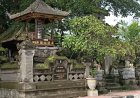
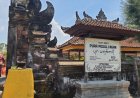
In the heart of Tihingan Village, Banjarangkan District, Klungkung, lies a renowned center for gong production, intricately linked to the Pande Urip Wesi community residing in the area. Beyond the gong industry, the Pande residents of Tihingan also possess a sacred art form known as Rejang Pande Suci Wedana dance.

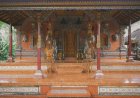
Created in 2016, this unique dance not only symbolizes purification in the piodalan ceremonies at Pura Penataran Dalem Pande Urip Wesi but also encapsulates deep spiritual and cultural wisdom. Rejang Pande Suci Wedana is a sacred dance, reserved for performances in kawitan temples, mother temples (pura pajenengan), and occasionally at Besakih. The creation process involved the guidance of the temple's priests and the young Pande members, seemingly blending conscious and subconscious states during its development.
The dance originated from a unique spiritual experience, triggered by Pawisik felt by the Pemangku Pamucuk, Ida Betara Kawitan, echoing the words "Rejang pinaka Penyucian" (Rejang, the epitome of purification). This inspired the temple leaders and devotees to craft the dance, naming it "Suci Wedana," inspired by the Caru Gelar Solas Suci Wedana, where "Suci" signifies cleanliness or purity, and "Wedana" refers to sacred faces.
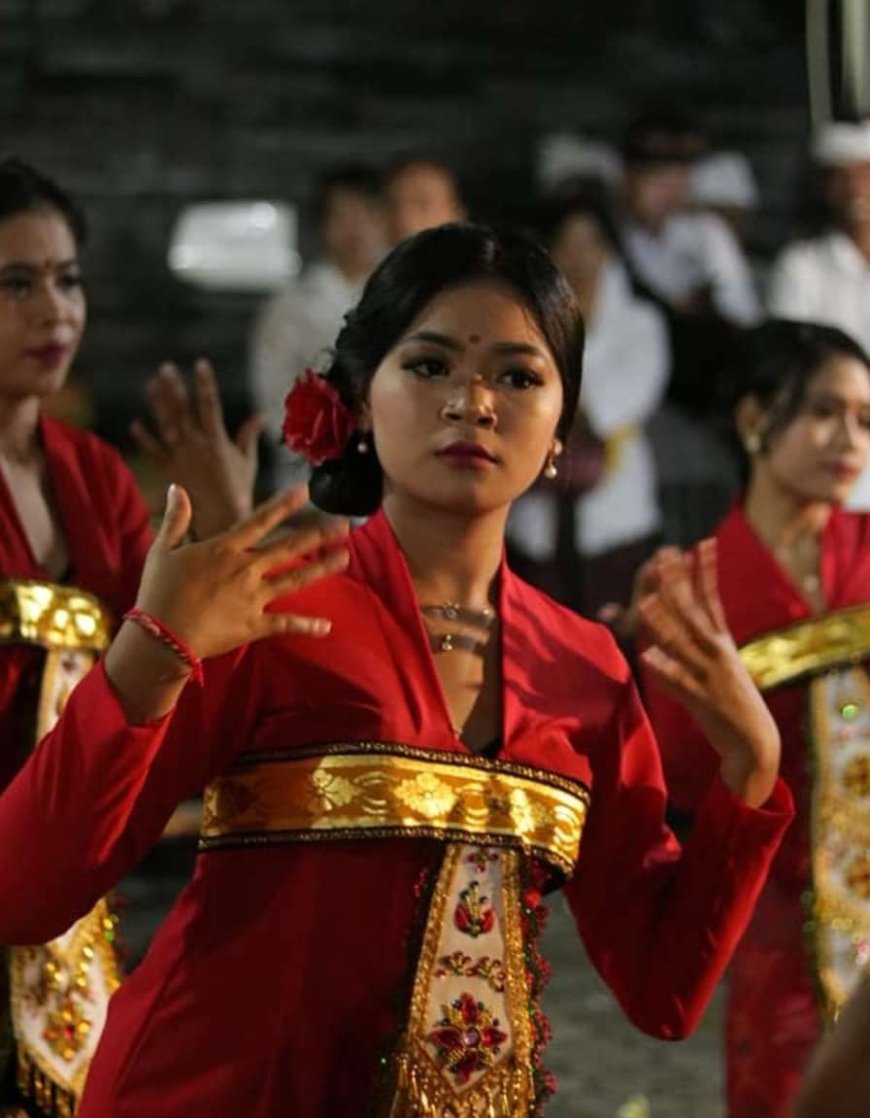
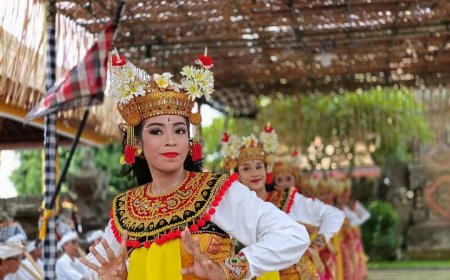
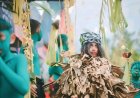
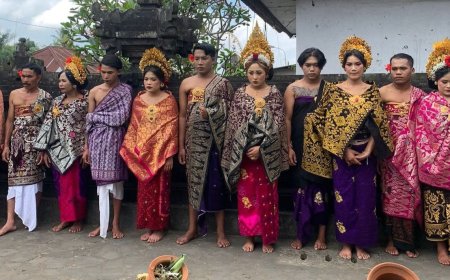
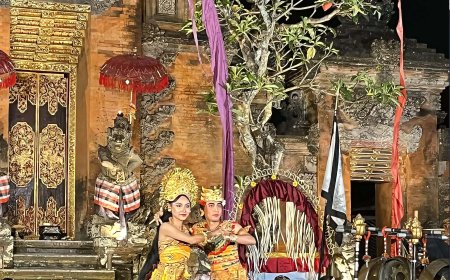
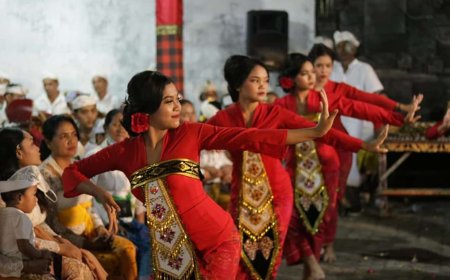
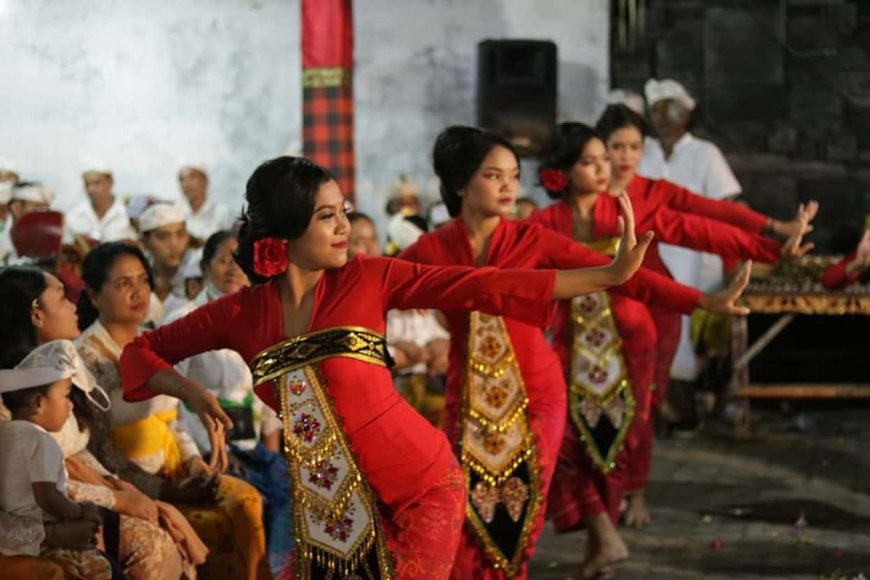
Rejang Pande Dancer (Sumber Photo : Writer Collection)
Rejang Pande Suci Wedana Tihingan is distinct from typical Rejang dances in Bali, as per the local awig-awig (customary regulations), allowing performance exclusively at Pura Pande and solely by young women of the Pande caste (Truni Yowana Pande). The number of dancers can range from 5, 6, 9, to 11 individuals, with those who have undergone pawintenan known as "Pawintenan Brahma Angga." Before the dance, a purification ritual is conducted, symbolizing the bestowal of divine energy and respect to the apsaras/widyadari.
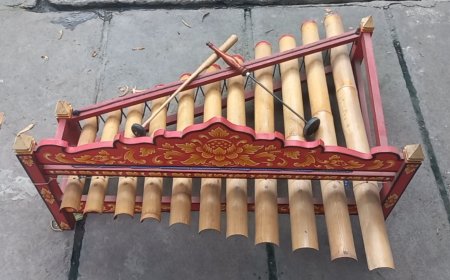
The dance not only captivates through its movements but is complemented by the Semarandana gamelan ensemble, including instruments like Terompong & Reong, Kendang (Wadon), Gangsa, Kantilan, Jegog, and others. Each musical element contributes to the profound spiritual ambiance of the performance.
The dancers don striking red costumes adorned with the sacred syllable "Ang" on their chests as a mark of reverence to Dewa Brahma. The dance, performed by young Pande girls according to the cardinal directions, is accompanied by Panca Gita, featuring instruments such as bells, drums, strings, and percussion, enhancing the sacred vibrations of the dance.
The significance of this dance extends beyond its visual appeal, playing a crucial role in religious ceremonies. Considered the "Rejang Pinaka Penyucian," it contributes to the sanctity of the ceremonies, bringing purification to the temple grounds during each piodalan.
From a spiritual perspective, the dance aims to purify the entire temple area, especially the Madya Mandala, destined to become the abode of Tedunnya Tapakan Ida Bhatara Ratu Pande. Consequently, Rejang Pande Suci Wedana Tihingan transcends being a mere artistic performance, evolving into a profound spiritual medium.
On a social level, the dance showcases the existence of the Pande lineage to the broader community. By maintaining the tradition as a sacred dance reserved for Pura Pande and performed exclusively by Truni Yowana Pande, the people of Tihingan uphold the authenticity and uniqueness of their cultural art.
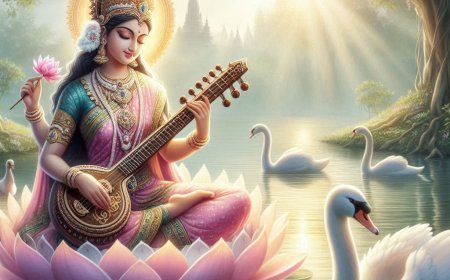
In summary, the essence of Rejang Pande Suci Wedana Tihingan goes beyond the representation of Dewi Saraswati; it embodies the Sakti of Dewa Brahma, descending to purify the grounds of Pura Penataran Dalem Pande Urip Wesi. While the dance carries a universal significance, it also holds specific meanings within its movements and attire.
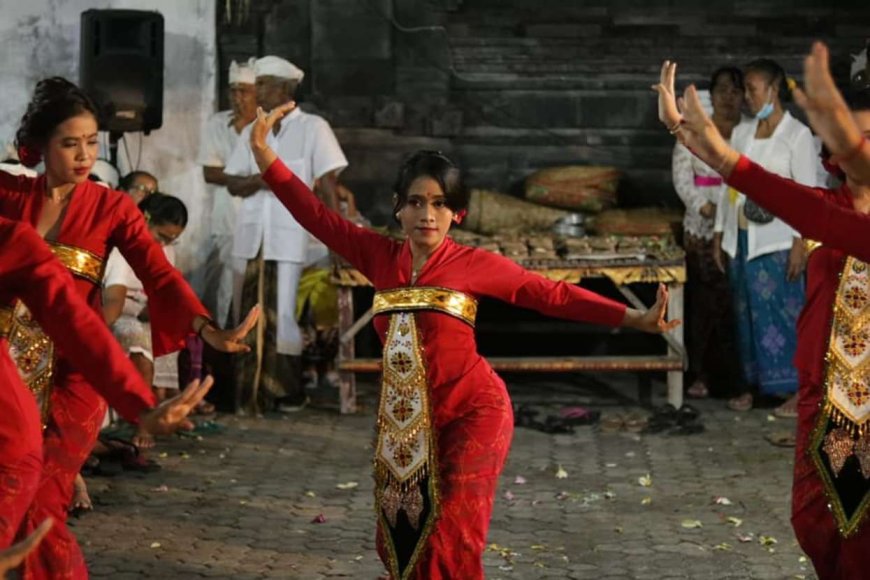
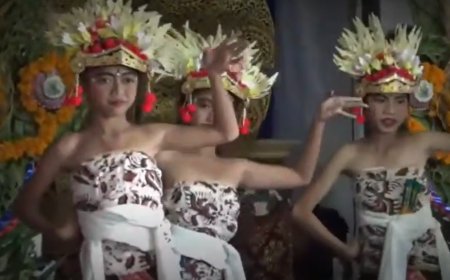
Rejang Pande Dancer (Sumber Photo : Writer Collection)
According to local sources, attempts to replicate this dance through widely circulated recordings have often fallen short. The unique rituals preceding the dance highlight its exclusivity, emphasizing that Rejang Pande Suci Wedana requires a deeper understanding and spiritual connection. Recently, the dance has been granted Intellectual Property Rights (HAKI) recognition by the Ministry of Law and Human Rights of Indonesia.
Rejang Pande Suci Wedana Tihingan at Pura Penataran Dalem Pande Urip Wesi doesn't just serve as a visual spectacle; it encapsulates rich religious, spiritual, and social values. It stands as a testament to the importance of preserving and nurturing cultural heritage, especially when it carries a sacred essence, leaving a touching and awe-inspiring impression on those who witness it.
Looking ahead, the hope for Rejang Pande Suci Wedana Tihingan revolves around two pivotal aspects. Firstly, it is anticipated that the dance continues to be an integral part of the religious rituals at Pura Penataran Dalem Pande Urip Wesi, carrying forward the traditions of purification and cleansing. Secondly, there is an aspiration that the existence of this sacred dance is continually appreciated and respected by the wider community, serving as a bridge connecting the present generation with the profound spiritual and cultural richness of Bali. Thus, Rejang Pande Suci Wedana Tihingan becomes not only a precious legacy for Tihingan Village but also contributes to the preservation and care of the local wisdom that shapes Bali's cultural identity.