








Mepajar Jimbaran: The Silent Dance of Ancestors Revived Every Kajeng Kliwon at Pura Ulun Suwi
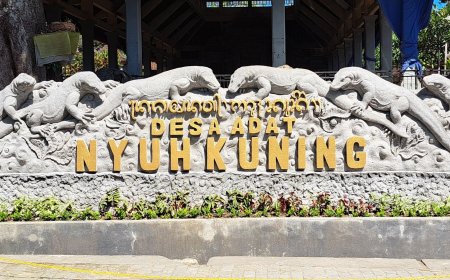
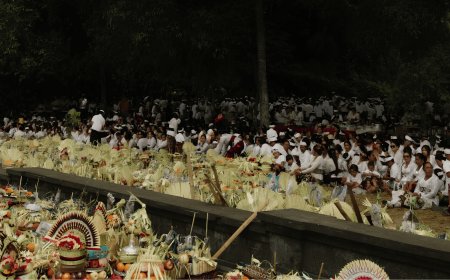
Behind the glitz of southern Bali’s coastal tourism, Jimbaran Traditional Village holds a sacred tradition carried out in profound silence: Mepajar. This tradition is not just a dance performance, but a ritual passed down from ancestors, continuously preserved as a spiritual communication medium between humans, nature, and unseen forces. Mepajar exists as a quiet space where sacred messages are conveyed, felt, and passed down through generations.

Mepajar comes from the word pajar, meaning a message or voice being delivered. In the ritual of Jimbaran Traditional Village, Mepajar is interpreted as the conveyance of a spiritual message believed to originate from Ida Bhatara Sesuhunan and the spirits of ancestors. This message is not delivered through words alone, but is manifested through dance movements, gamelan music, and the sacred atmosphere that envelops the entire procession. Therefore, Mepajar is not just a performance, but a medium of spiritual communication carried out within the framework of bhakti (devotion) and the collective belief of the Jimbaran community.
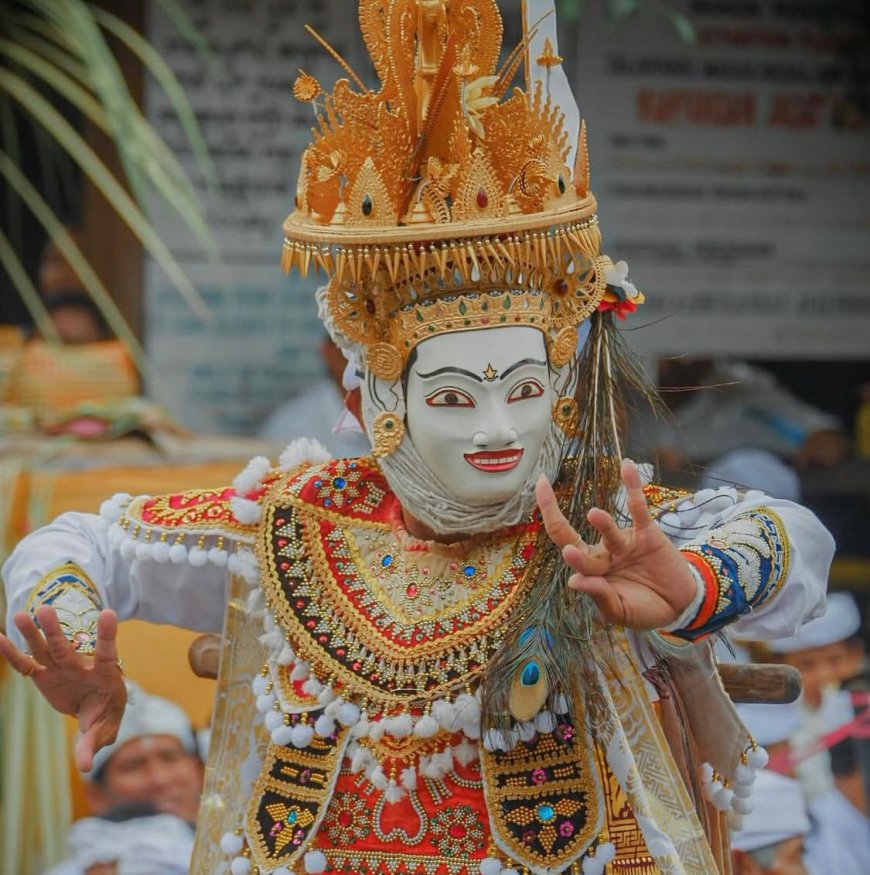
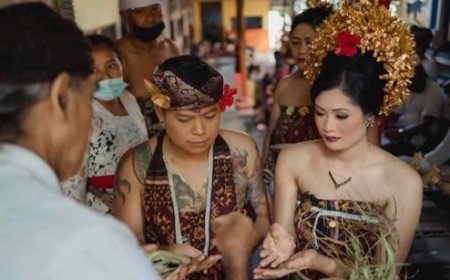
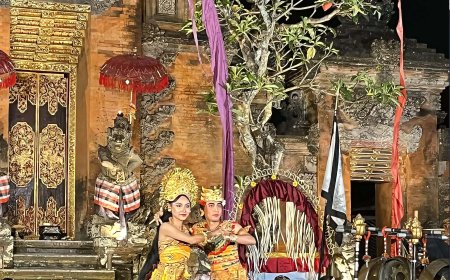
Performance of the Sandar Dance (Source : Private Collection)
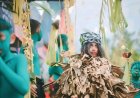
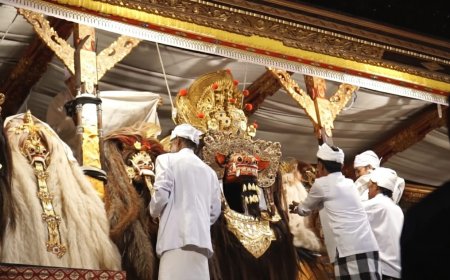
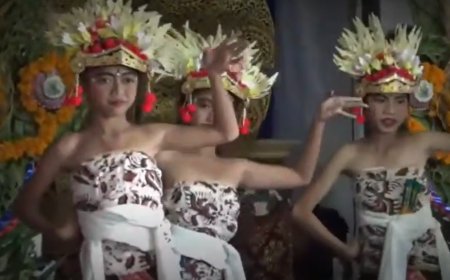
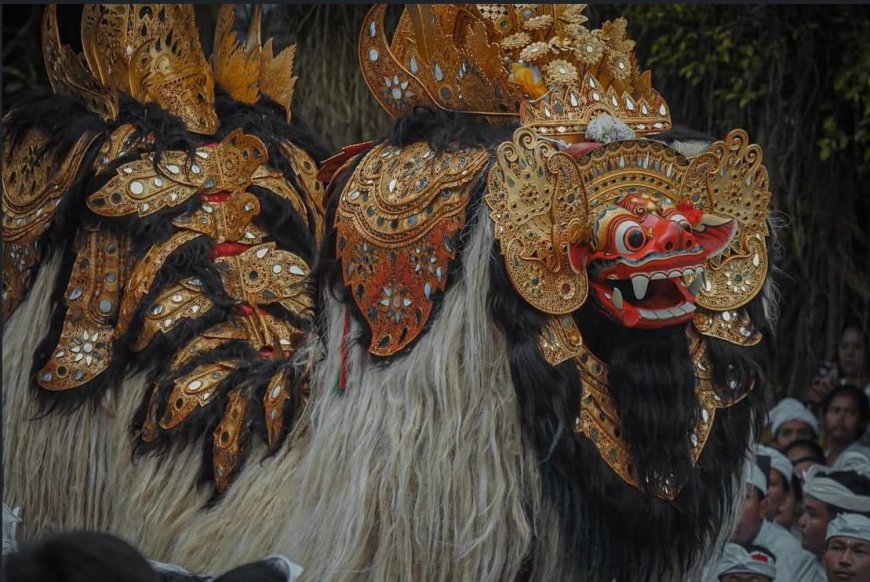
In its form, Mepajar presents a series of sacred ritual dances performed in sequence and full of symbolism, including Sandaran or Telek, Barong Ket, Jauk, Rarung, culminating in the climax with Rangda. Each dance plays its own role and carries its own meaning, but together they build a cosmic narrative about the encounter and balance of two opposing forces good and evil which is a concept in Balinese Hindu cosmology. In this context, the meeting of these forces is not seen as mutually destructive, but rather as a balance that must be maintained for the harmony of life.
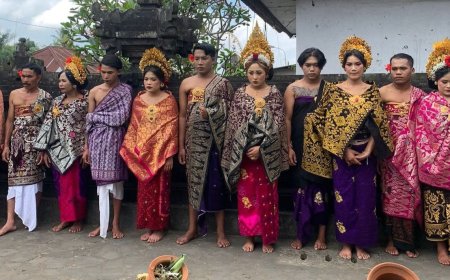
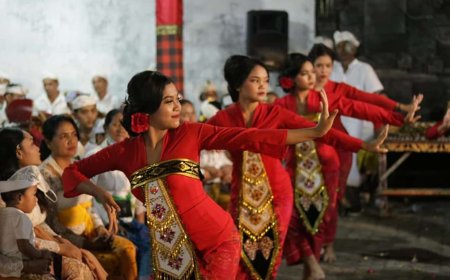
The uniqueness of Mepajar Jimbaran is also reflected in the involvement of its ritual performers. All the dancers in this tradition are men, especially teenagers and young adults from the Jimbaran Traditional Village community. All roles, including those traditionally played by women in other practices, are performed by men without exception. Communal participation extends beyond the dancers to include gamelan musicians, ceremony organizers, and the villagers who accompany and witness the procession as a form of collective devotion.
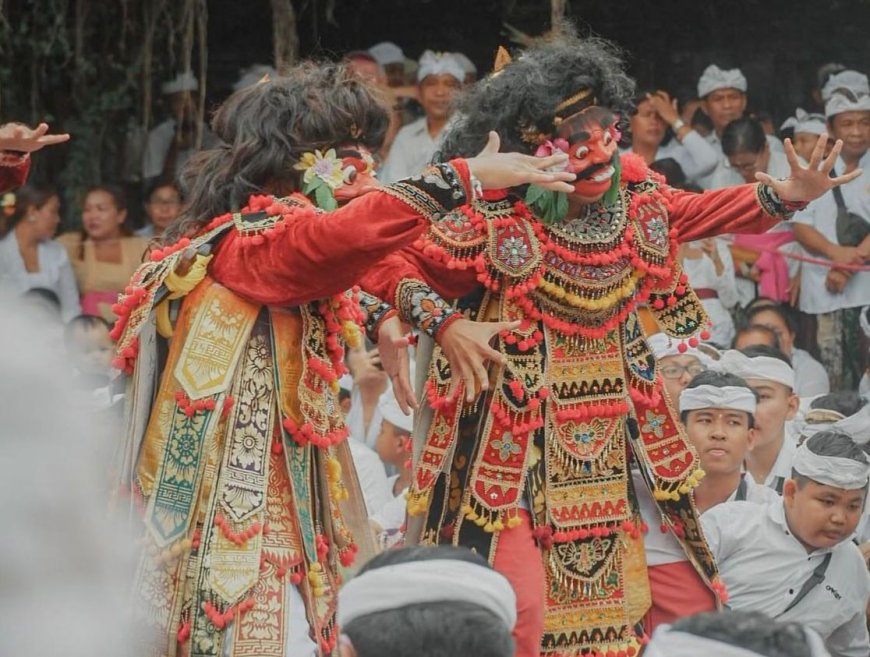
Performance of the Telek Dance (Source : Private Collection)
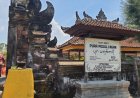
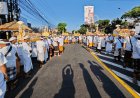
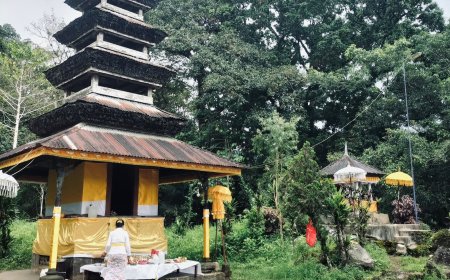
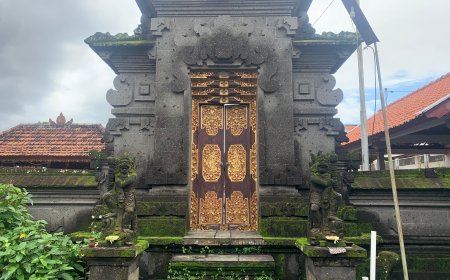
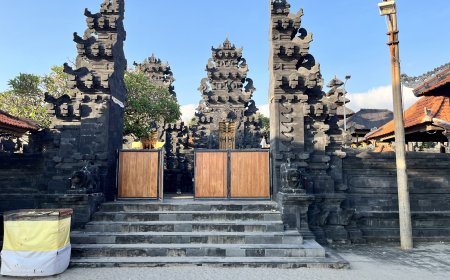
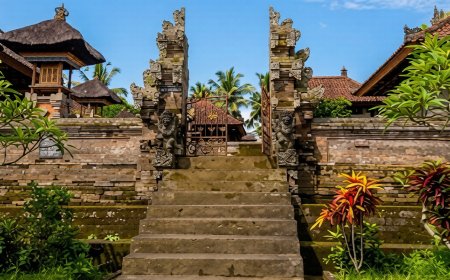
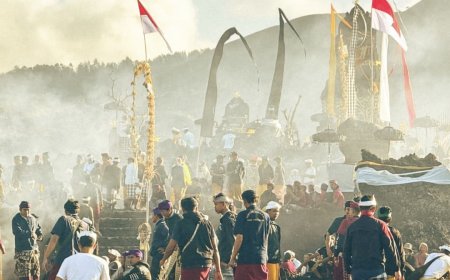
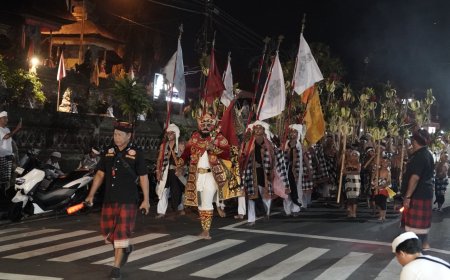
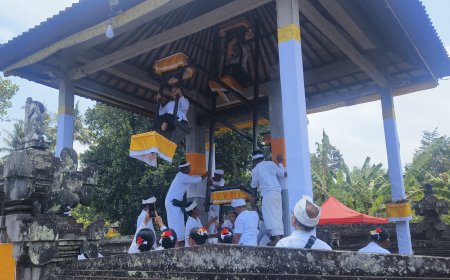
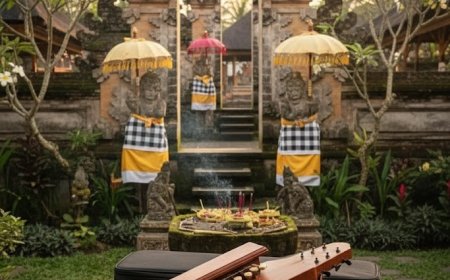
Mepajar is carried out according to the Balinese calendar, specifically on Kajeng Kliwon, a day believed to have magical power for self-purification and environmental sanctification. On this day, the boundary between the material and spiritual realms is believed to be thinner, allowing spiritual messages to be received more clearly. The ritual centers at Pura Ulun Suwi, one of the important temples in Jimbaran Village, and is often followed by a procession through the village’s streets to sacred spots, thus making the village space itself part of the ritual experience.
For the Jimbaran community, Mepajar holds layered meanings. Religiously, the ritual is a medium of prayer for the safety, harmony, and well-being of the village. Symbolically, the encounter between Barong and Rangda represents the eternal dialogue between the two poles of life that balance each other. Culturally, Mepajar serves as a means of preserving cultural identity, as ancestral values are not only remembered as knowledge but also directly experienced by the younger generation through their involvement as performers and part of the ritual community.
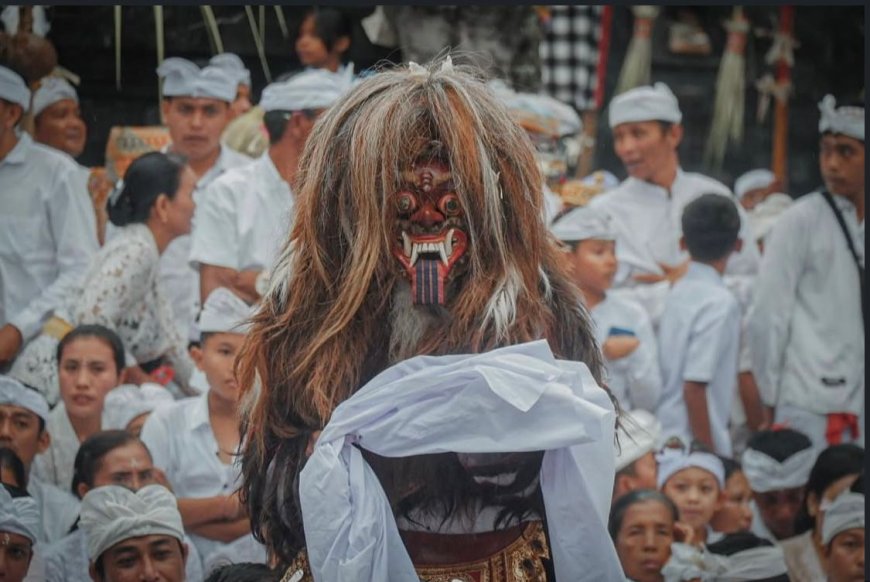
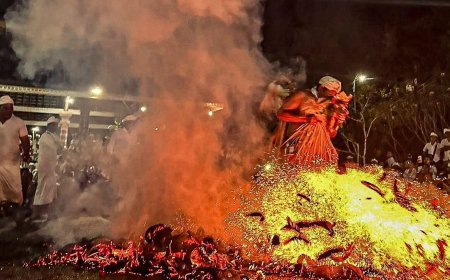
Climax of the Rangda Dance Performance (Source : Private Collection)
The Mepajar procession itself follows a long series of stages that require both physical and spiritual preparation. Preparations begin well in advance, including the care of sacred costumes and ceremonial implements, purification of the gamelan, and dance rehearsals that are not only technical but also spiritual. On the day of the performance, the series of dances typically begins with Sandaran or Telek, followed by Barong Ket and Jauk, leading up to the climax with Rarung and Rangda. Throughout the procession, the sounds of the gamelan strengthen the magical atmosphere that enhances the ritual’s intensity. At certain points, a state of spiritual trance called ngunying may occur, where dancers or participants are believed to become the medium for delivering spiritual messages.
Ultimately, Mepajar Jimbaran is not a relic of the past performed solely for aesthetic purposes but a living tradition that continues to be practiced with awareness of its function and meaning. In the silence of movement, the power of symbols, and the vibrations of the gamelan, Mepajar shows that Balinese culture breathes not only as a visual identity but as a spiritual experience that integrates into the daily lives of the Jimbaran Traditional Village community.