







Penataran Agung Sekar Mukti lan Pundung Temple: Traces of Balinese Tradition and Culture Penataran Agung Temple Pangsan Village
Penataran Agung Sekar Mukti lan Pundung Temple in Pangsan Village, Bali, which is the Khayangan Jagat Temple, is managed by Banjar Sekarmukti lan Pundung. This temple has unique traditions such as "Kekembangan" and "Lampad Tradition" which are held every Full Moon day. The history of the temple begins with eight people who fled during the war, bringing Pelinggih Sesuhunan from Sekarmukti Wetan. Initially managed by the people of North Sekarmukti, the temple developed into the Kahyangan Jagat Temple and is managed by two banjars.

Bali is a province known as the Island of the Gods and the Island of a Thousand Temples. This term has its own meaning and meaning as the identity of the island of Bali. Bali is an island that is very famous for its natural beauty, diverse culture, traditions and religious rituals which strongly influence almost every element and movement of Balinese life. The island of Bali is dominated by Hindus who believe in and recognize the existence of ancestors and gods. Dewa is the holy light of Ida Sang Hyang Widhi Wasa or God Almighty who gives many holy rays, gifts and blessings to all living creatures in the world. Apart from that, Bali is also often referred to as the Island of a Thousand Temples, which means that there are many temples in all corners and regions of Bali. This temple is a holy place as a residence for the ancestors and gods as a manifestation of Ida Sang Hyang Widhi Wasa, and the temple is also a place of prayer for Hindus. The island of Bali has many sacred and prayer buildings such as temples. There are also several types of temples in Bali, namely Tri Kahyangan Temple or commonly called Pura Kahyangan Tiga, Pura Sad Kahyangan, Pura Dhang Kahyangan, Pura Jagatnatha, Pura Penataran Agung, Pura Ancestor or commonly called Pura Kawitan and others. These types of temples have their own stories and histories. There are also several types of temples that not all villages in Bali have. One type of temple is Penataran Agung Temple. One of the Penataran Agung temples in Bali is the Penataran Agung Sekar Mukti lan Pundung Temple.
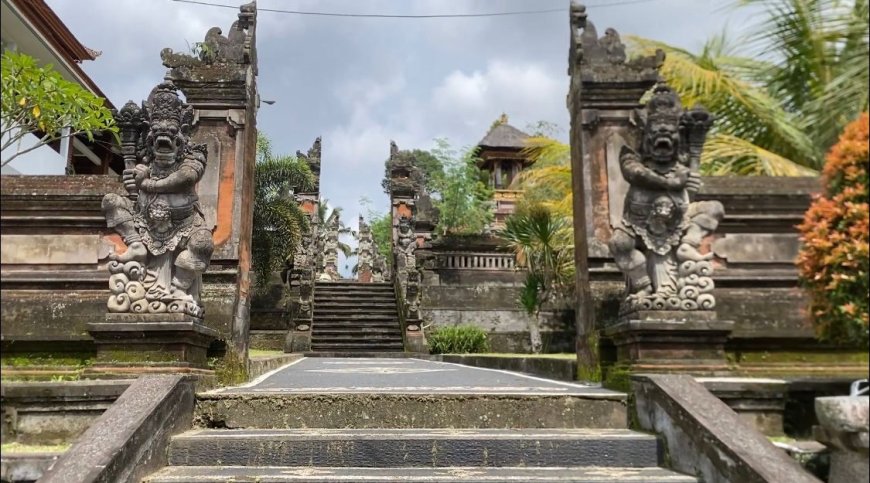
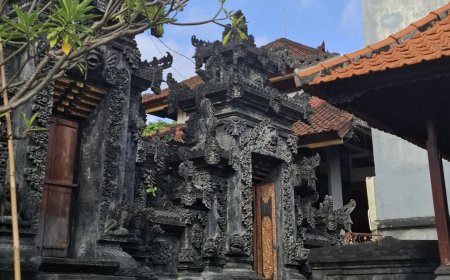
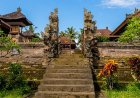
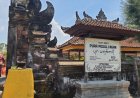
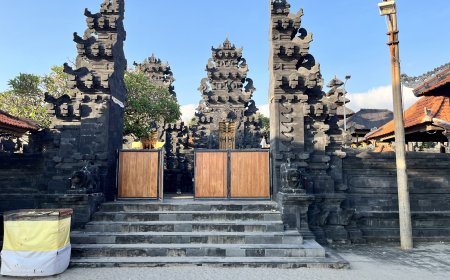
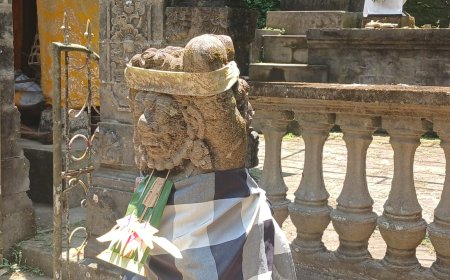
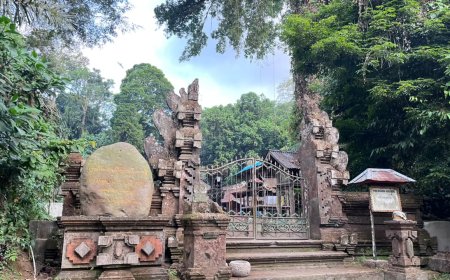
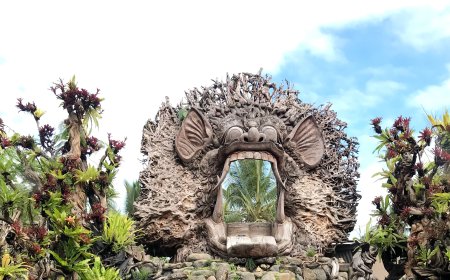
Nista Mandala Pura Penataran Agung Sekar Mukti lan Pundung (Source: Own Collection)
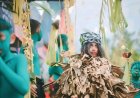
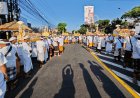
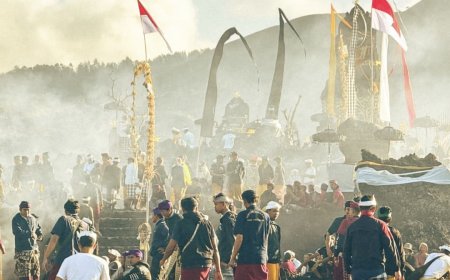
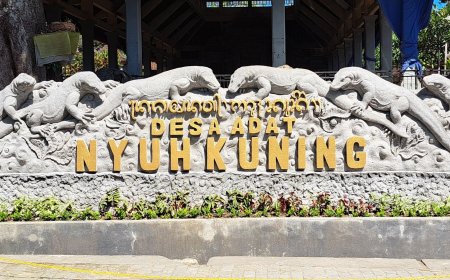
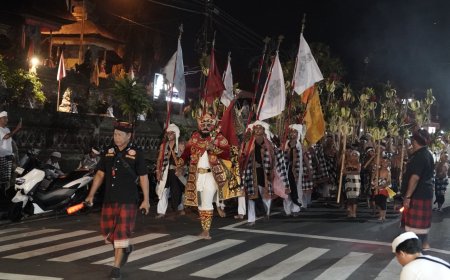
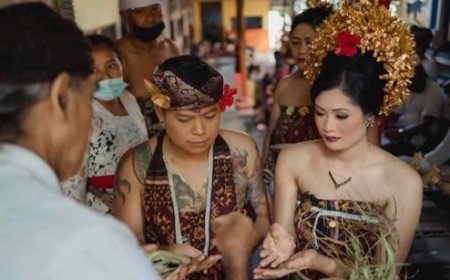
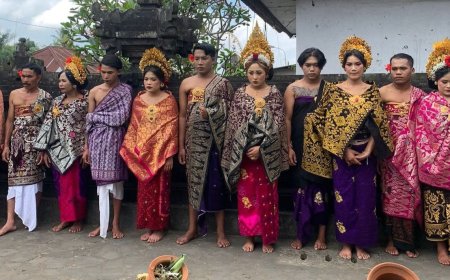
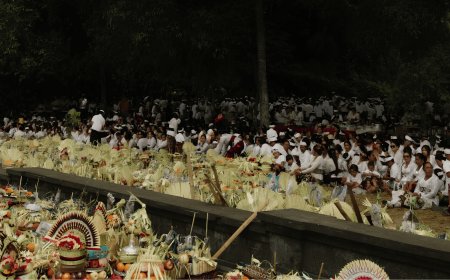
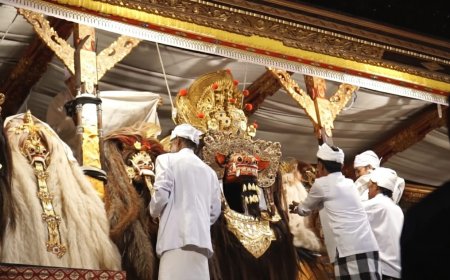
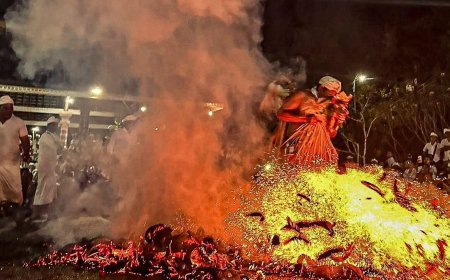
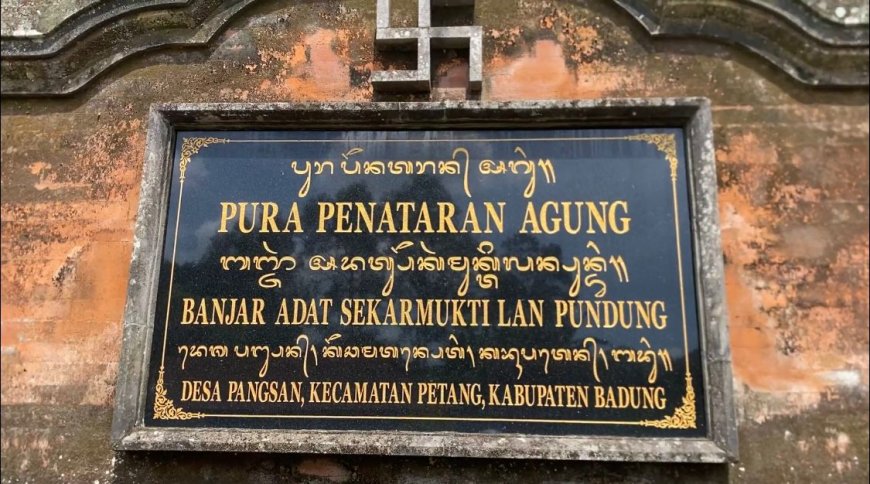
Penataran Agung Sekar Mukti lan Pundung Temple is a Khayangan Jagat Temple located in Sekarmukti lan Pundung banjar, Pangsan Village, Petang District, Badung Regency, Bali. This temple is managed by the community from Banjar Sekarmukti and Banjar Pundung, totaling around 460 families. Pura Penataran Agung Sekarmukti lan Pundung has several unique things, including the presence of a special father from the young people of Banjar Sekarmukti lan Pundung who is called "Kekembangan". Apart from that, the Penataran Agung Sekarmukti lan Pundung Temple has a very unique and sacred tradition which is carried out every Full Moon day or once every 30 days which is called the "Lampad Tradition". "Lampad" which means vegetables, is a tradition carried out as a form of gratitude by the people of Banjar Sekarmukti lan Pundung to the people who reside at the Penataran Agung Sekarmukti lan Pundung Temple.
Regarding the history of the Penataran Agung Sekarmukti lan Pundung Temple, based on literature or chronicles, no one clearly explains the construction or history of this temple. But based on stories passed down from generations by parents and people in Pangsan Village regarding the history of the Penataran Agung Sekarmukti lan Pundung Temple, as in general when we talk about temples there are definitely Pura, Puri, and Purana. If there is a Pura there must be a Puri and there must be a Purana. Regarding the history of the Penataran Agung Sekarmukti lan Pundung Temple, it is said that there were eight people resting there, on a plantation which at that time was a plantation owned by Puri.
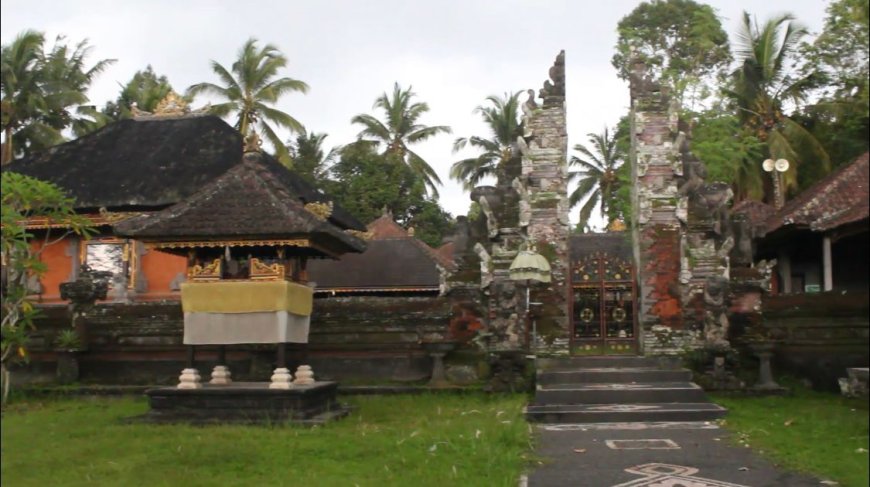
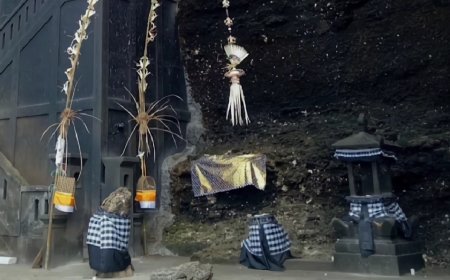
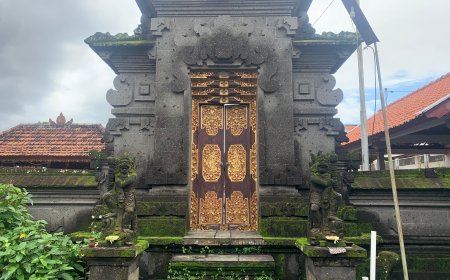
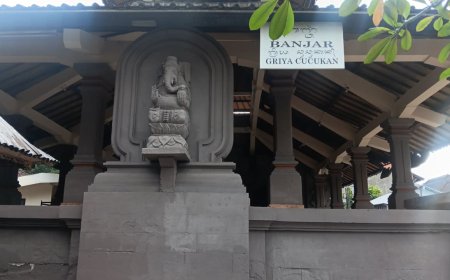
Madya Mandala Pura Penataran Agung Sekar Mukti lan Pundung (Source: Own Collection)
While they were resting there, one of the people in the village saw them. Then the people who saw the eight people resting on Puri's plantation informed the King who was staying at Jero Oka. The people told the King that an unknown person was resting on Puri's plantation and they had brought Tigasana. When the King was given this information by one of the local villagers, the King went to the unknown person. When the King met these unknown people, the King asked "where are you from?" "What is that you brought?" It turned out that what the eight people were carrying was Pelinggih Sesuhunan from Sekarmukti Wetan. Because at that time there was a war going on between the Bangli troops and the Mengwi troops which often resulted in disagreements. Because one of the troops felt pressed, In the end, the eight people fled and headed for Mengwi. Then in the end, the weapons brought by unknown people were placed at the top to the east, which is where the Penataran Agung Sekarmukti lan Pundung Temple is now.
Regarding the Penataran Agung Temple, initially it was only called the Pemaksan Temple which was managed by the people of North Sekarmukti and the descendants of I Gusti Ngurah Abian. Over time, as time progressed, the pelinggihs and intersections corresponded to the history of the journey of Ida Bhatara Shri Arya Sentong's ancestors, so that the Pura Penataran Agung Sekarmukti and Pundung pelinggih became more complete. Finally, the Penataran Agung Sekarmukti lan Pundung Temple is called the Kahyangan Jagat Temple. Those who are in charge or responsible and manage this temple are two banjars. At first there was only Banjar Sekarmukti, but as time progressed, the banjar expanded.
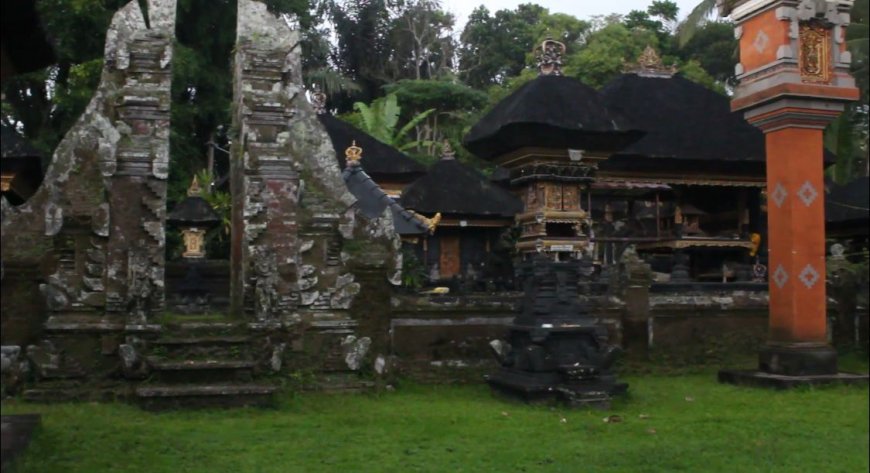
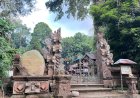
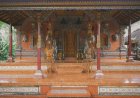
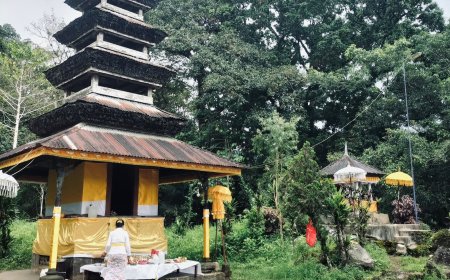
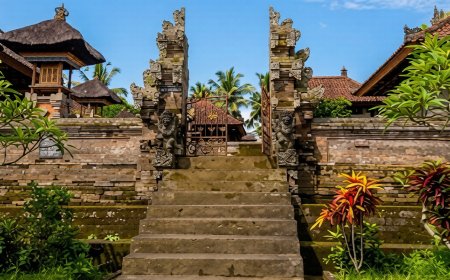
Main ring shrines of the Mandala Penataran Agung Temple Sekar Mukti lan Pundung (Source: Own Collection)
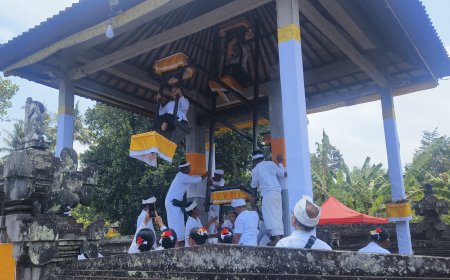
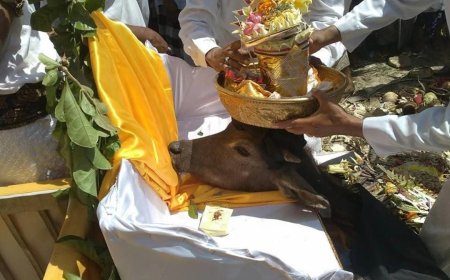
Apart from the Lampad Tradition, in Sekarmukti banjar there is also a tradition that has been passed down from generation to generation from my ancestors. This tradition is called the Ngendar ceremony. Do you know what "Ngendar" is? Maybe this word is still foreign to some people, especially people who are not residents of Banjar Sekarmukti. "Ngendar comes from the root word "Endar" which means porridge, given the prefix 'ng' so that it becomes the word "Ngendar" which ultimately means making porridge." This tradition is a series of ceremonies from the piodalan at the Nataran Agung Sekarmukti temple. What is unique about this ceremony is that during the Ngendar ceremony, adults are not allowed to participate except Daha and Teruna, because if there are adults who participate, something undesirable will happen.