









Pura Kemuda Saraswati: A Heritage Temple of the Ubud Kingdom with the Beauty of Its Water Palace
Pura Kemuda Saraswati in Ubud, Bali, is a heritage of the Ubud Kingdom, established in 1951 by Prince Cokorda Gede Agung Sukawati. Designed by the renowned architect I Gusti Nyoman Lempad, the temple is famous for its stunning Water Palace, surrounded by lotus ponds and statues of deities. With its breathtaking architecture and deep spiritual significance, this temple is one of the must-visit destinations in Bali.

The island of Bali is renowned for its rich culture and extraordinary traditions, with one of its main attractions being the temples that showcase architectural beauty while preserving deep historical values. One temple that should not be missed by both local and international tourists is Pura Kemuda Saraswati, located in the artistic district of Ubud, Gianyar Regency, Bali. Situated on Jalan Kajeng, close to Ubud Palace and the Ubud Art Market, this temple is easily accessible. Also known as the Water Palace, Pura Kemuda Saraswati attracts many visitors with its enchanting beauty.
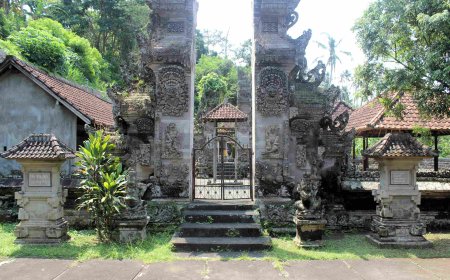
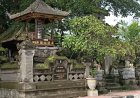
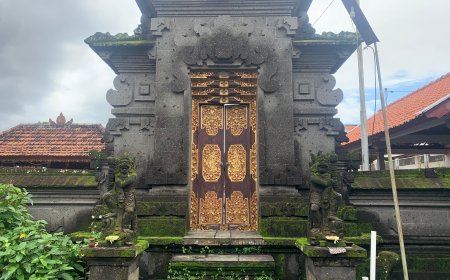
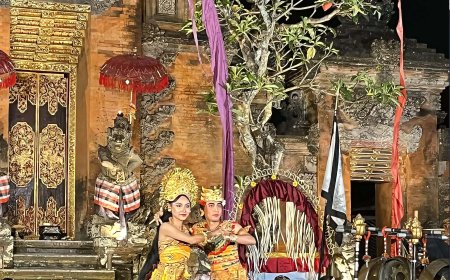
Pura Kemuda Saraswati holds significant historical value as part of Puri Ubud, or the Ubud Royal Family. The temple was built in 1951 at the initiative of the then Prince of Ubud, Cokorda Gede Agung Sukawati, with its architecture designed by I Gusti Nyoman Lempad, a renowned Balinese architect and artist known for his remarkable creativity and craftsmanship. The temple was constructed on the site of a former royal garden, previously known as Taman Soekasada, serving as a reminder of the great influence of the Ubud Kingdom in shaping Balinese art and culture.
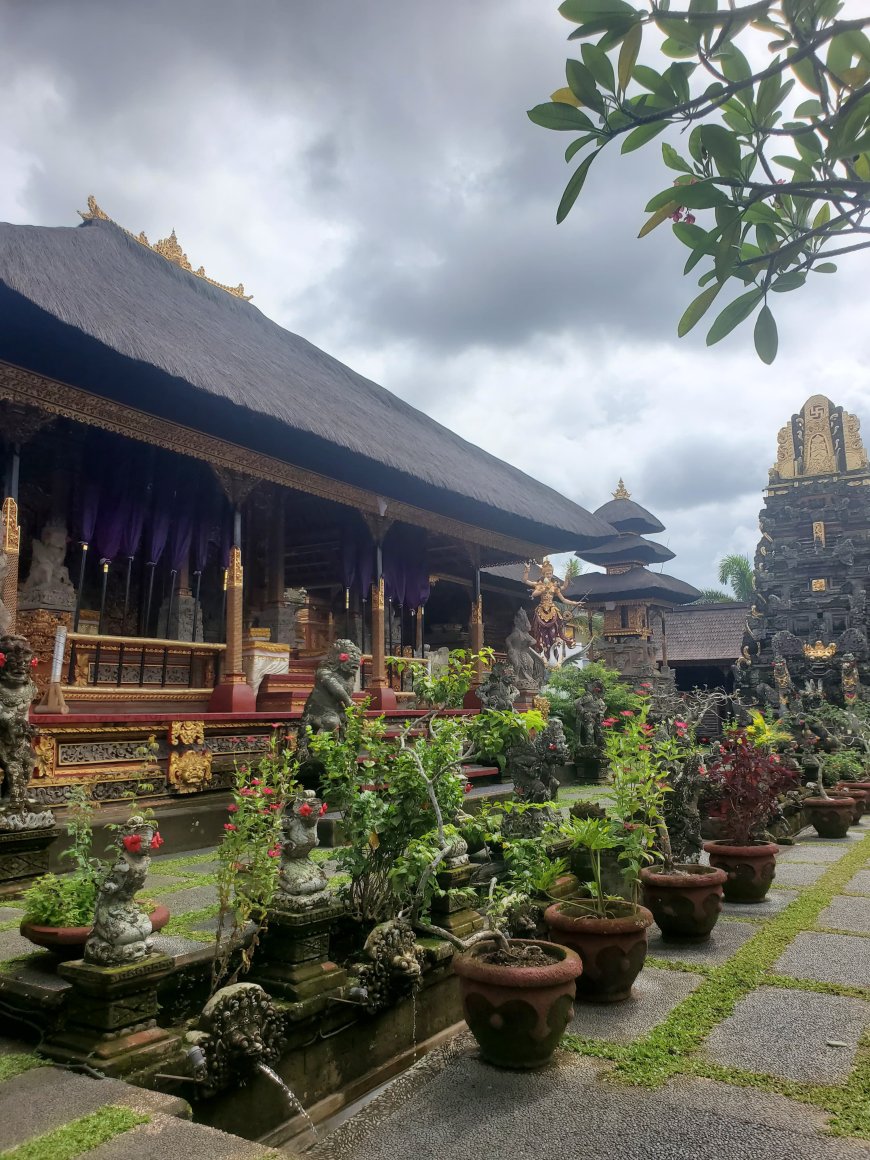
Kemuda Saraswati Temple (Source: Private Collection)
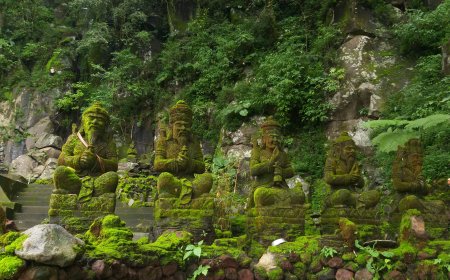
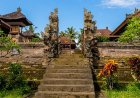
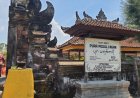
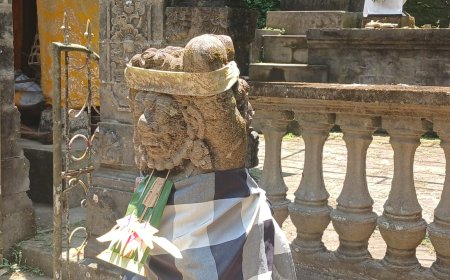
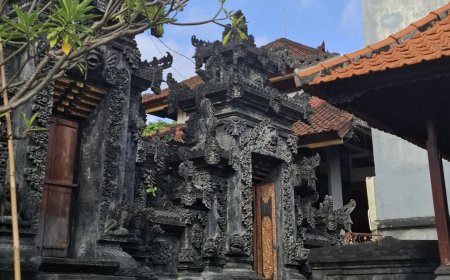
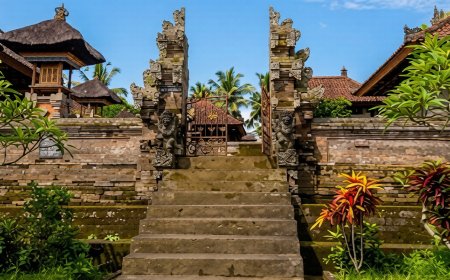
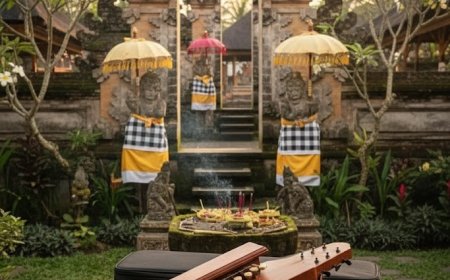
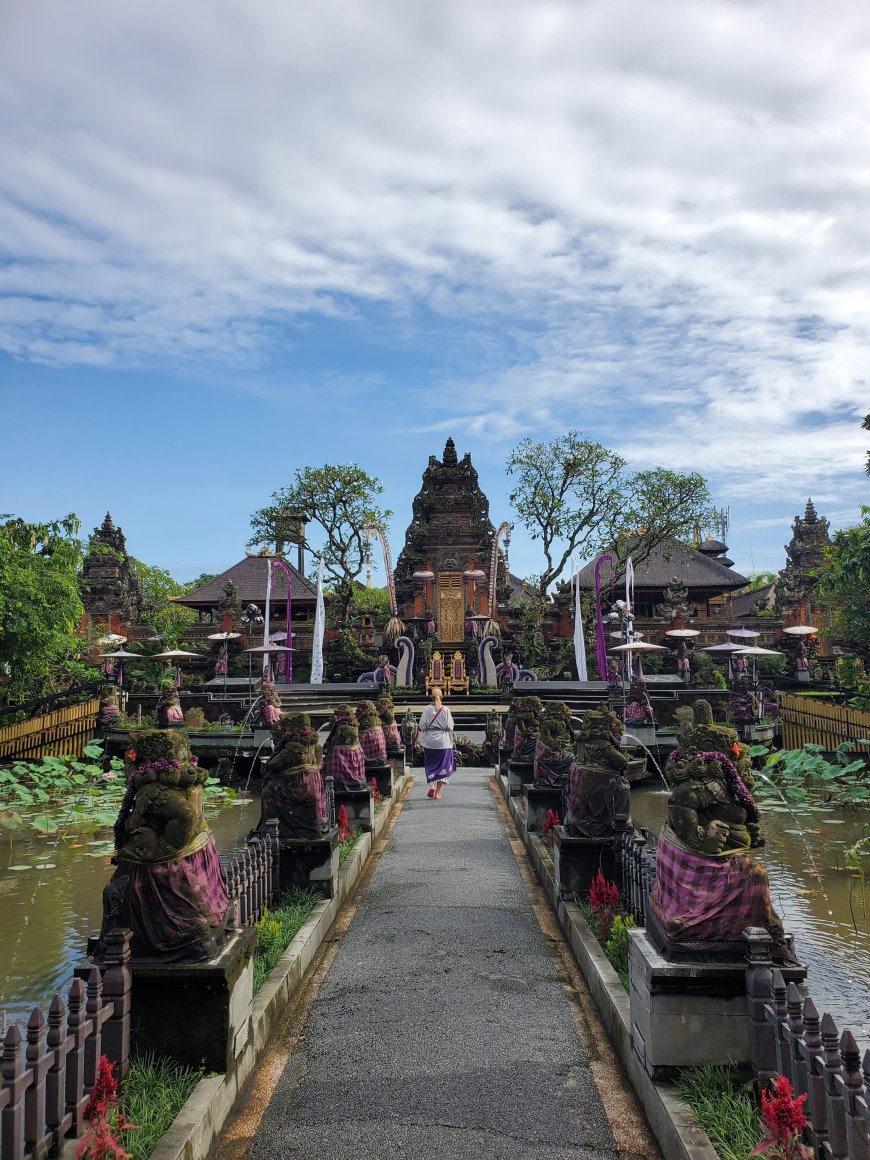
The uniqueness of Pura Kemuda Saraswati lies not only in its long-standing history but also in its captivating architecture. The temple follows the Tri Utama Mandala concept, which divides the temple grounds based on levels of sanctity. The first section encountered by visitors is Nista Mandala, which serves as the entrance area and is also known as the Water Palace. Visitors can access this area with an entrance fee of 35,000 IDR, which includes entry to the Water Palace. Wearing traditional Balinese attire, visitors can explore the surroundings and admire the beautiful lotus ponds, intricately carved gates, statues of gods and goddesses, and koi fish swimming peacefully in the water. The serene atmosphere of this place leaves a deep impression on every visitor.
In addition to its natural and architectural beauty, the Water Palace also offers an authentic Balinese culinary experience at the on-site restaurant in the Nista Mandala area. The restaurant serves various traditional Balinese dishes with breathtaking views, making the dining experience even more special. Although this area is open to visitors, some sections remain closed, such as the Madya Mandala, which is off-limits to both local and international tourists.
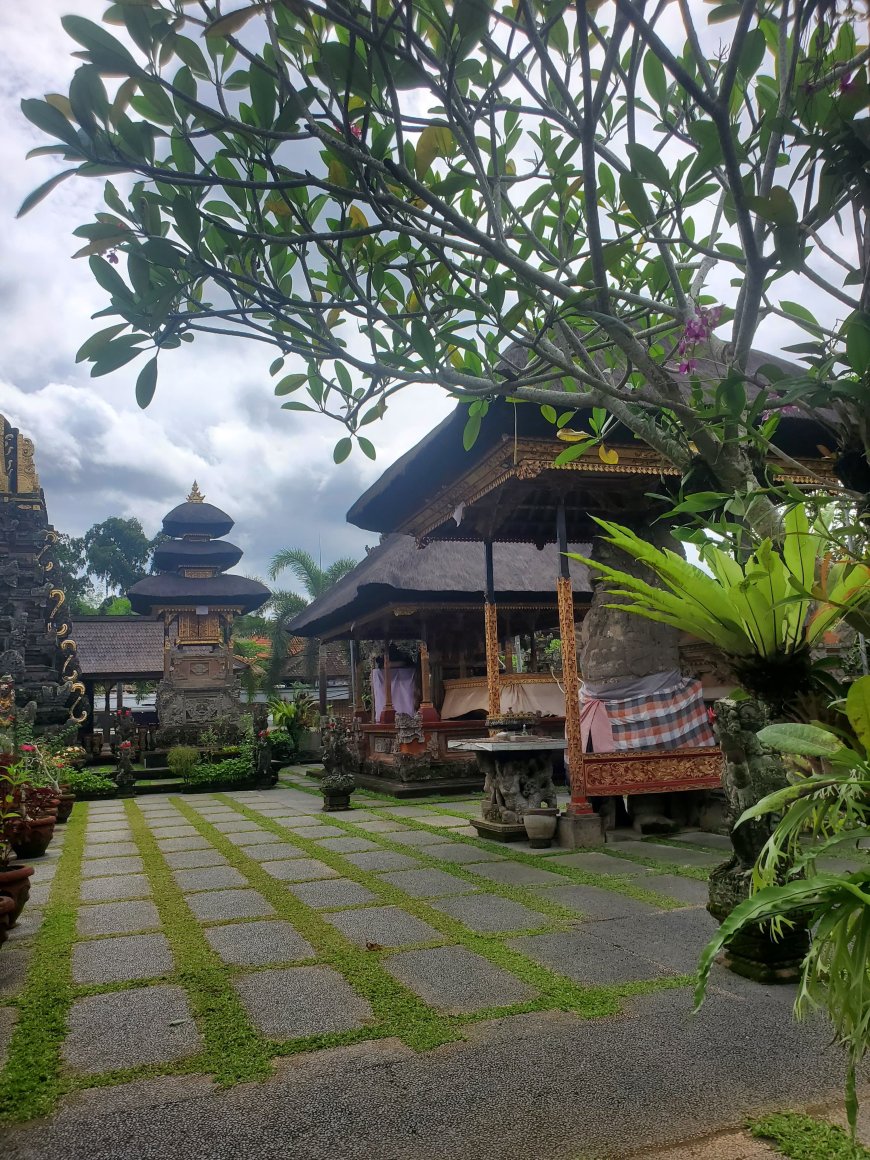
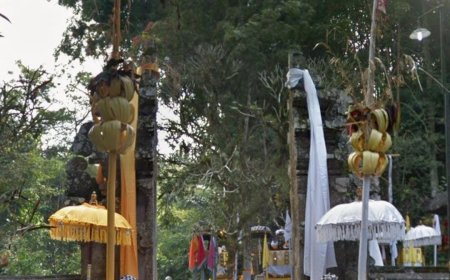
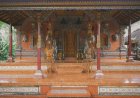
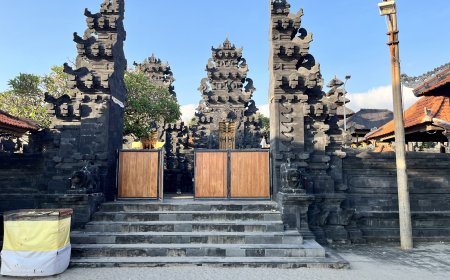
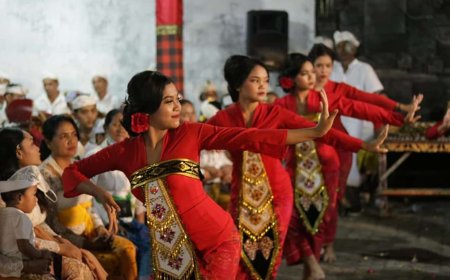
Madya Mandala Area (Source: Private Collection)
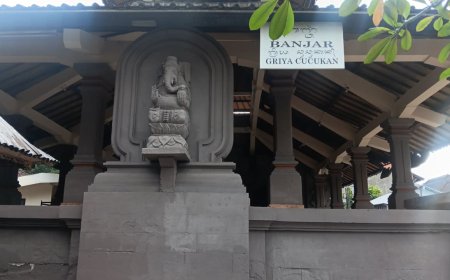
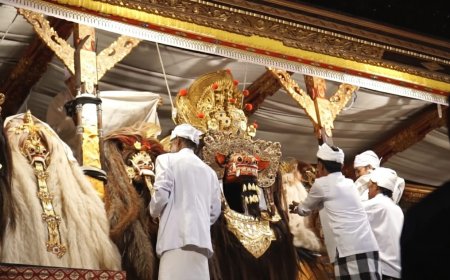
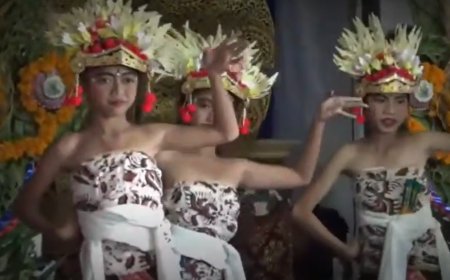
The Madya Mandala, located in the middle, serves as a transitional space between the Nista Mandala and Utama Mandala. It is meant for purification and preparation for worship, and it is often used for ceremonies and traditional Balinese dances. This area features several bale (pavilions), each with its specific function, and the Padmanaba, a towering shrine adorned with gold, symbolizing the power of the Tri Murti, ultimately focusing on Sang Hyang Acintya, the supreme force in Hinduism. To the north, there is also a shrine dedicated to Betara at Mount Agung, a sacred site for worshiping the forces of nature, along with a newly erected statue of Dewi Saraswati, the goddess of wisdom and knowledge.
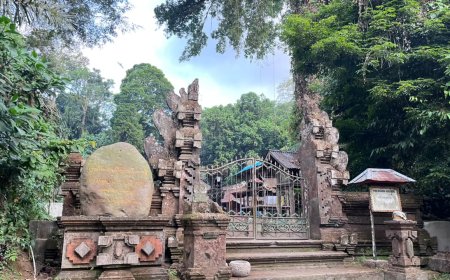
Meanwhile, the Utama Mandala, the temple's most sacred area, is reserved for the worship of Ida Sang Hyang Widhi Wasa, the Supreme God in Hindu belief. This section is only accessible during specific religious ceremonies for the Hindu community and remains closed to the general public. This exclusivity enhances Pura Kemuda Saraswati's status as not only a visually stunning site but also a vital spiritual center for Hindus, particularly in Ubud.
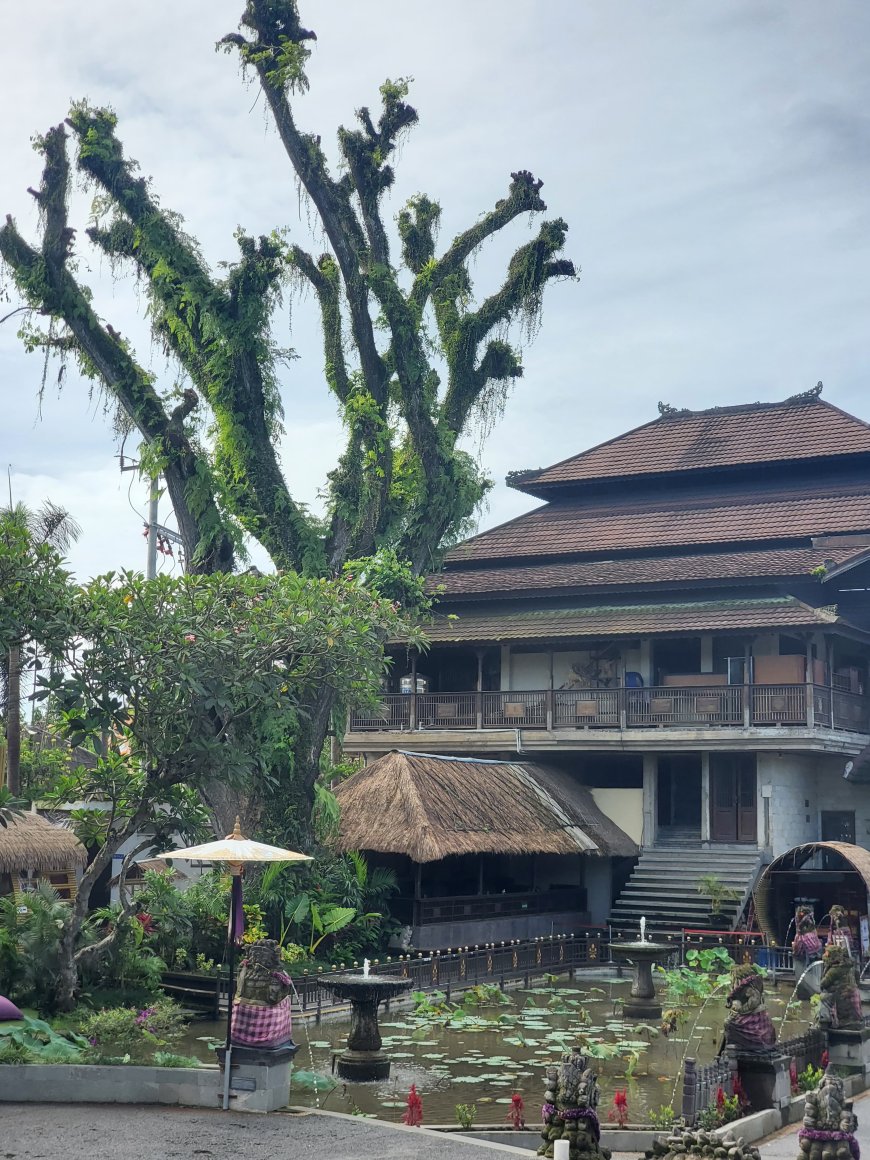
Nista Mandala Water Palace Area (Source: Private Collection)
Over time, Pura Kemuda Saraswati continues to be preserved by the Ubud Royal Family and the local community, making it an integral part of Bali's spiritual and cultural life. Although access to some parts of the temple is restricted, its beauty and profound meaning make it a must-visit destination for anyone seeking peace and a deeper understanding of Bali’s rich culture.
With its magnificent architecture, profound history, and deep spiritual values, Pura Kemuda Saraswati and the Water Palace are must-visit destinations for tourists traveling to Ubud. The uniqueness of this temple lies not only in its captivating visual charm but also in the sacred atmosphere that offers tranquility to every visitor. If you plan to enjoy a serene ambiance, explore the authentic beauty of Balinese culture, and experience the grandeur of the Ubud Kingdom's heritage, be sure to visit the enchanting Pura Kemuda Saraswati. Every corner of this temple holds stories and deep philosophies that provide an unforgettable spiritual and aesthetic experience.