







The Connection Between Pura Puseh in the Tohjiwa Traditional Village and Pura Besakih.
The Tohjiwa Traditional Village, located in Karangasem Regency, Bali, serves as a symbol of historical and religious richness. Its connection to Pura Besakih is revealed through the Purana Pura Besakih manuscript, wherein a king made offerings in the form of rice fields for the prosperity of the temple in Tohjiwa. Excerpts from the manuscript also unveil genealogical lineage, highlighting the significant role of Ida Tohjiwa in the construction of Pura Besakih. This village is closely intertwined with Bali's history, including its contribution to the development of Pura Besakih. Pura Puseh Tohjiwa, with its three-tiered meru shrine and Pura Catur Lawa, stands as guardians of religious values and spiritual heritage, binding the Tohjiwa Traditional Village as an inseparable part of Bali's rich culture.
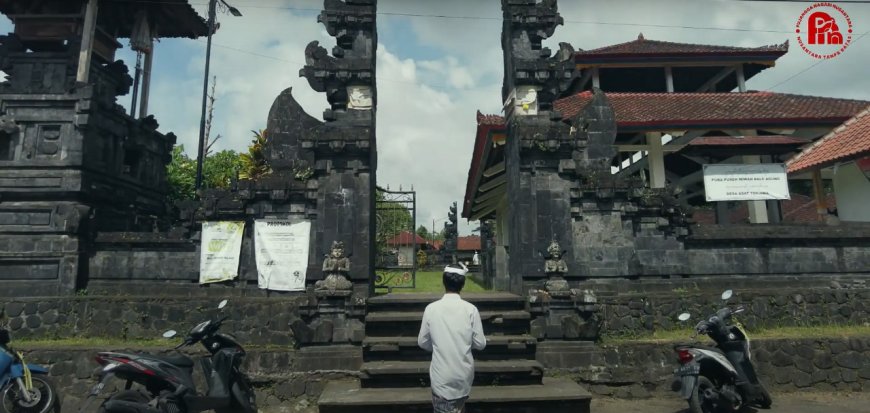
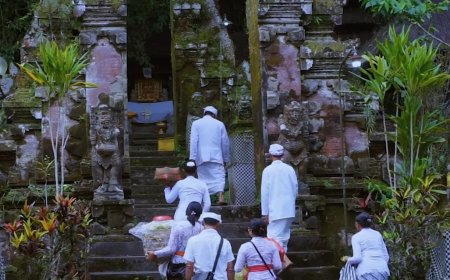
The island of Bali, with its natural beauty and cultural wealth, is hidden behind a colorful historical curtain. One of the places reflecting Bali's historical and religious richness is the Tohjiwa Traditional Village, which has Pura Puseh as the center of religious and cultural activities. Located in the Sidemen District, Karangasem Regency, Bali Province, the Tohjiwa Traditional Village serves as a living witness to the spiritual and cultural journey of the Balinese community.
The Pura Puseh of the Tohjiwa Traditional Village and Pura Besakih are closely interconnected. This connection can be traced through the history of the Tohjiwa Traditional Village related to Pura Besakih, as documented in a manuscript called Purana Pura Besakih. The interrelation is encapsulated in an excerpt from the manuscript, which goes as follows.
"Nian cinaritan, aturan Ida Dhalem, kinaran : sawah pecanigaan, pecanangan, daging gumi Tohjiwa, namaning sawah: Kepasekan, Bugbugan, Lenging Ngongang, Lod Umah, Dawuh Kutuh, pigung winih 12 tenah, asigar katur ring I DEWA BUKIT KIDUL, sebagi katur ring I DEWA BUKIT PENGUBENGAN, sebagi katur ring I DEWA DANGIN KRETEG, sebagi pada winih tigang tenah rong depuk, sepuri puri”.
The meaning of the excerpt from the lontar is as follows:
The land is located in Tohjiwa, specifically in the subak (irrigation cooperative) areas of Kepasekan, Bugbugan, Lenging Ogang, Lod Umah, Dauh Kutuh. The total area amounts to 12 1/2 bibit (a unit of measurement), distributed as follows: one-third for Batara Ratu Kidul, one-third for Batara I Dewa Bukit Pangubengan, and one-third for Batara Dewa Dangin Kreteg. Consequently, each temple received rice fields amounting to 3 bibit 2 depuk (another unit of measurement).
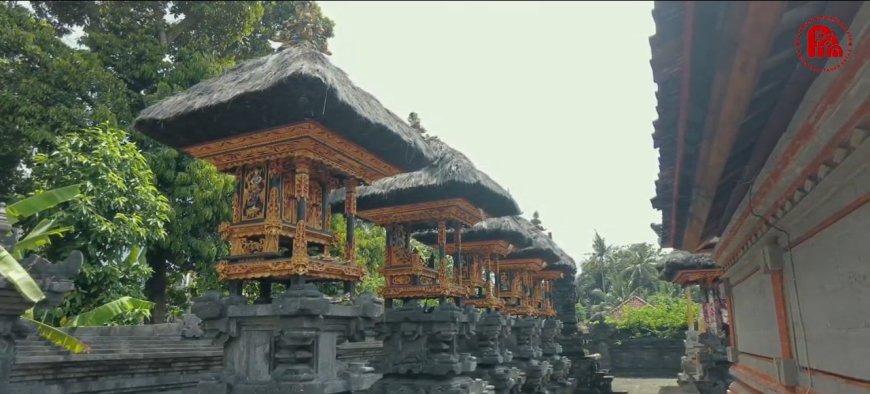
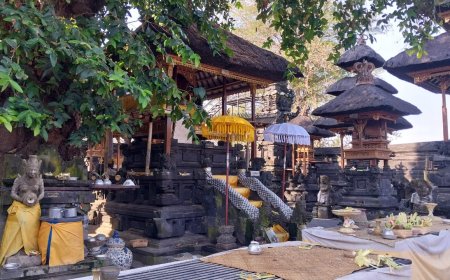
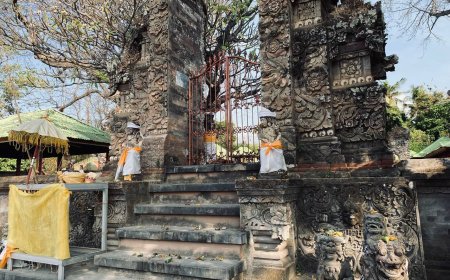
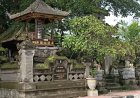
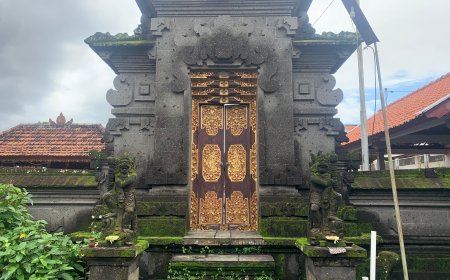
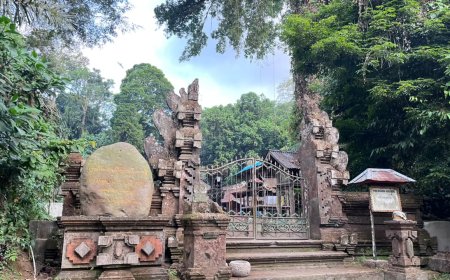
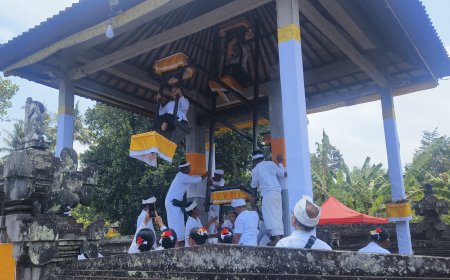
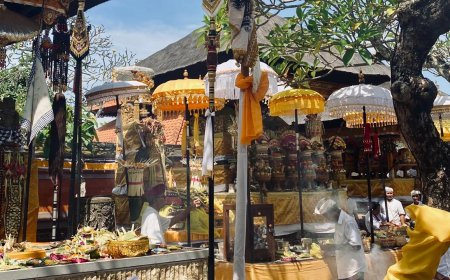
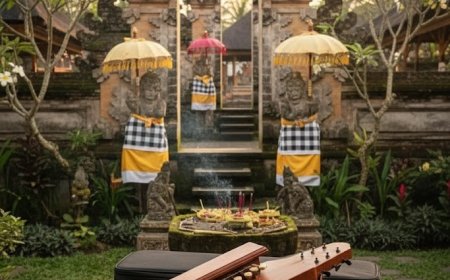
Shrine of the Pura Puseh in Tohjiwa Traditional Village (Photo Source: Pujangga Nagari Nusantara )
Based on the excerpt from the Raja Purana Besakih manuscript above, it primarily mentions the names of specific places or agricultural lands, namely rice fields. Additionally, genealogical lineage is also mentioned in the Raja Purana Besakih manuscript in the following excerpt:
"Caritaken Pangeran Jrantik Ketut ring Camengaon. Tereh Arya Kanuruhan: Pangeran Pegatepan, Tangkas, Brangsinga. Tereh Pangeran Dawuh Bale Agung, mantreng Pakisan Tereh Pangeran Petandakan: Pangeran Bungaya, Asak, Tereh Arya Wang Bang: Penataran, Tohjiwa, Singarsa. Tereh Arya Kenceng: Ngurah Tabanan, Badung. Tereh Arya Belog: Buringkit, Kaba-kaba. Tereh Wang Bang: Pering, Cagahan. Tereh Arya Kuta Waringin : Kubon Tubuh."
The meaning of the excerpt from the lontar is as follows:
Prince Srantik in Camanggawon. Descendant of Arya Kanuruhan: Prince Pagatepan and Prince Tangkas. Prince Pangalasan descended from: Srantik, a knight from Majapahit, cousin to the descendants of Prince Dauh Bale Agung, a resident of Arya Kepakisan, who became a minister in Dalem Kepakisan, whose descendants include Prince Batan Jeruk, Prince Nyuh Aya, and Prince Asak. Descendants of Arya Wang Bang, Sang Penataran, Tohjiwa, Singarsa, including the community of Pengalasan.
In the above excerpt, Tereh is mentioned with the name Tohjiwa, which is none other than Ida Tohjiwa. Ida Tohjiwa is a significant figure in the construction of Pura Besakih. He initiated the construction of Pura Penataran Agung Besakih, the main temple in the Pura Besakih complex. The passage mentions that Ida Tohjiwa is a descendant of Arya Wang Bang, part of the Pengalasan community. Arya Wang Bang is a key figure in Bali's history, leading the Majapahit forces in the conquest of Bali in the 14th century.
This information indicates that the Tohjiwa Traditional Village has a close connection with Pura Besakih. The Tohjiwa Traditional Village is one of the traditional villages contributing to the construction of Pura Besakih. Furthermore, the village is under the auspices of Pura Besakih.
In David J. Stuart-Fox's book, it is explained that Ida Manik Angkeran (Arya Wangbang) had four sons, namely Ida Tulus Dewa, Ida Banyak Wide, Ida Wayabya, and Sang Manikan. Of these, Ida Tulus Dewa had two sons, namely Ida Penataran and Ida Tohjiwa. From the excerpt, I Gusti Penataran's brother mentioned in the explanation is Ida Tohjiwa, and the name "Tohjiwa" becomes the name of his seat of power. He is given the name Ida Tohjiwa because of his brave and true warrior character willing to risk his life.
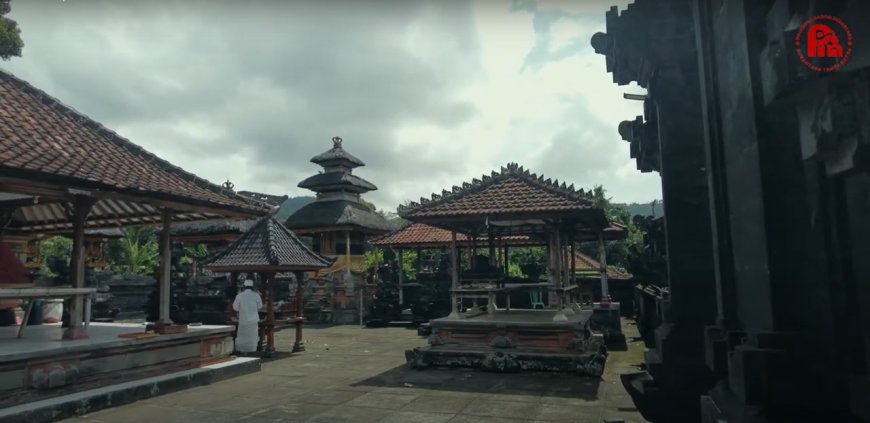
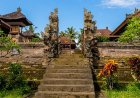
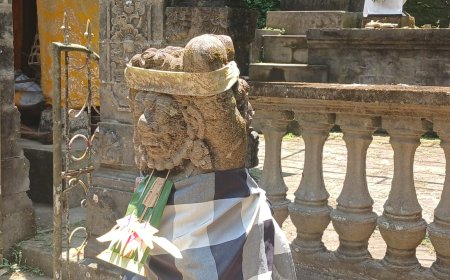
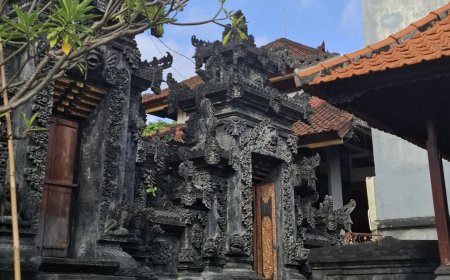
The Three-Tiered Meru Shrine of Pura Puseh in Tohjiwa Traditional Village (Photo Source: Pujangga Nagari Nusantara)
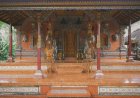
To honor his contributions, the three-tiered meru shrine was built at Pura Puseh in the Tohjiwa Traditional Village. Additionally, Bhatara Turun Kabeh descends to Pura Puseh Tohjiwa due to the ancestral connection of Mpu Sidhimantra, the son of Ida Bang Manik Angkeran, who descended Ida Tulus Dewa and had sons Ida Tohjiwa and Ida Penataran. Ida Tohjiwa was given authority to reside in Tohjiwa. Therefore, Pura Puseh in the Tohjiwa Traditional Village is closely related to Pura Besakih.
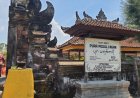
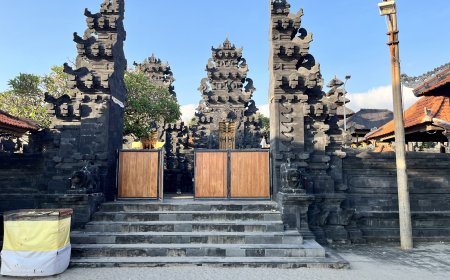
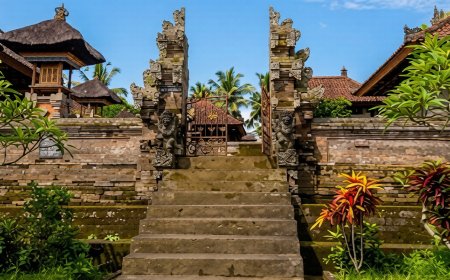
There is also Pura Catur Lawa, serving as the guardian of Pura Puseh Tohjiwa. Pura Catur Lawa is located in the Tohjiwa Traditional Village because the village has a strong connection with Pura Besakih, as explained above. The temple consists of Pura Ratu Laga Kangin, Pura Ratu Laga Kauh, Pura Dalem Lingsir/Dalem Catur, and Pura Penataran Temaga, spread in the four cardinal directions. Pura Puseh Tohjiwa serves as the central point, and Pura Catur Lawa serves as the guardian with positions in the four directions: Northeast Pura Ratu Laga Kangin (located in Banjar Tohjiwa), Southeast Pura Dalem Lingsir (located in Banjar Tohjiwa), Northwest Pura Penataran Temaga (located in Banjar Temaga), and Southwest Pura Ratu Laga Kauh (located in Banjar Tohjiwa).
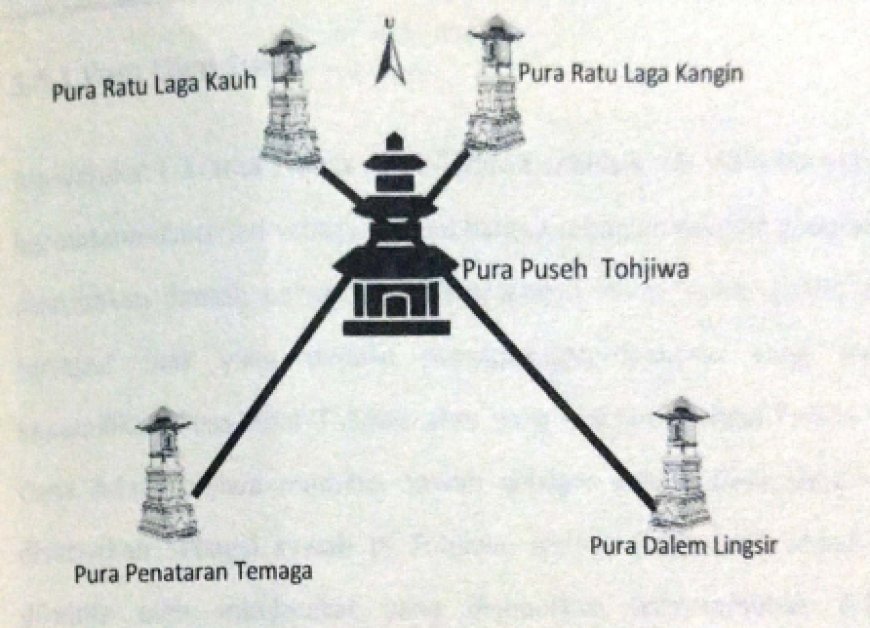
Layout Plan of Catur Lawa Temple in Tohjiwa Traditional Village (Photo Source: Personal Collection)
In conclusion, Pura Puseh in the Tohjiwa Traditional Village not only bears witness to history but also safeguards religious and spiritual values passed down from generation to generation. Its connection with Pura Besakih goes beyond religious aspects, constituting an inseparable part of Bali's rich history and culture.