











Sesolahan Barong Landung: The Romance of Legend Wrapped in Art in Singapadu Village
Sesolahan Barong Landung is a traditional Balinese performing art that has developed in Bali, including in Singapadu Village, featuring the figures Ratu Gede and Ratu Ayu as symbols of the legend of King Jaya Pangus and Kang Cing Wie. The performance holds sacred meaning as a guardian of balance and a protector of the village, and is usually presented during piodalan ceremonies at temples. To this day, Barong Landung continues to be preserved as a cultural heritage that unites art and spirituality.

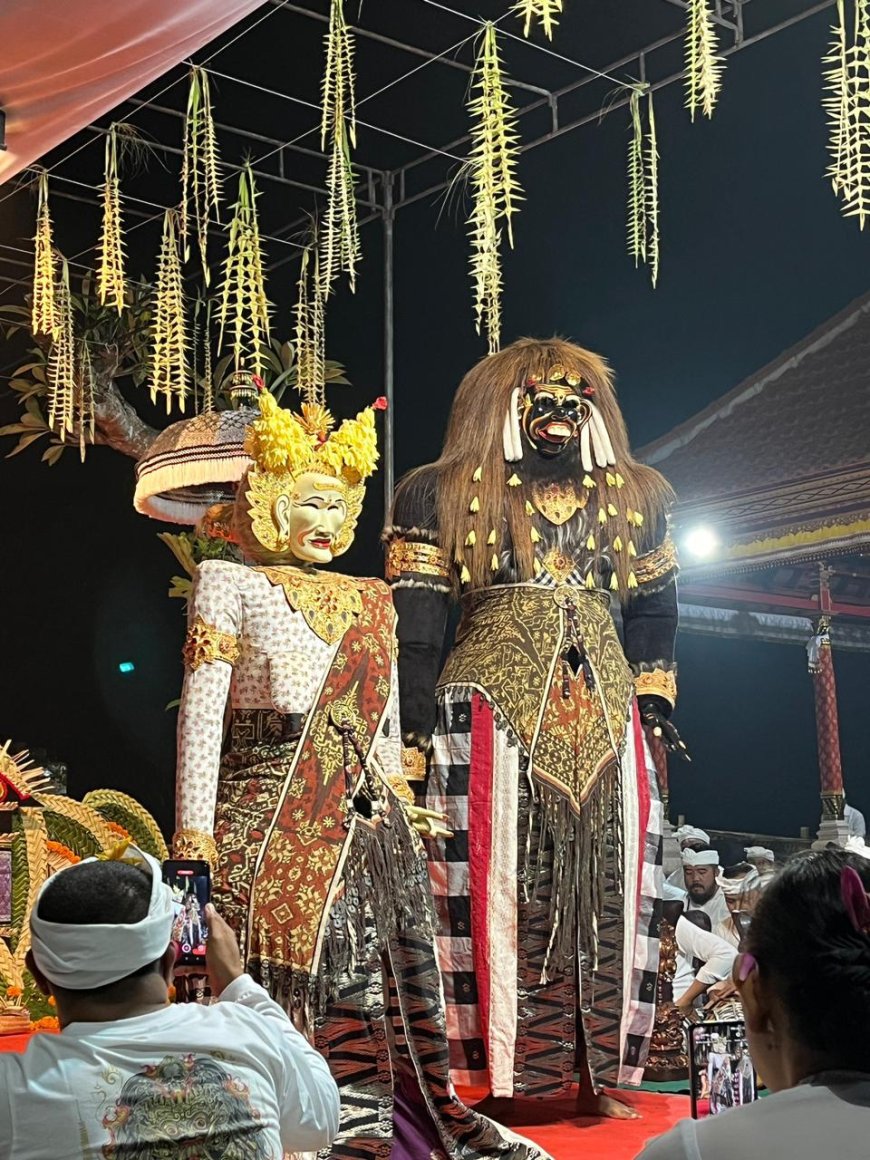
Sesolahan Barong Landung is one of Bali’s cultural and artistic treasures passed down from generation to generation. In Singapadu Village, this performance is not merely a form of entertainment, but an integral part of the community’s cultural identity. Its unique appearance, distinctive movements, and rich symbolic meaning make Barong Landung a focal point whenever it is performed.

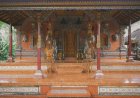
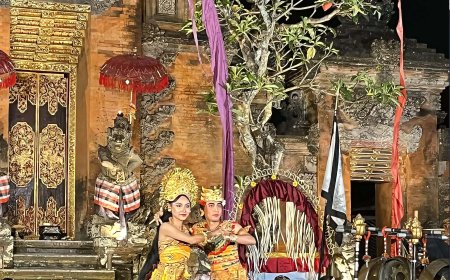
Barong Landung before the performance (Source: Private Collection)
Barong Landung is a form of Balinese art that presents a pair of figures: Ratu Gede and Ratu Ayu. Both symbolize the journey of a love story and the meeting of two cultures during the era of ancient Balinese kingdoms. Although portrayed in the form of tall human-like figures, Barong Landung is not merely a physical symbol, but carries profound meanings of harmony, loyalty, and protection for the community.
In Balinese society, Barong Landung is believed to be a guardian of the village, a protector against negative energies, and a balancer of good and bad forces. Every movement in the performance conveys a spiritual message and symbolizes the relationship between humans and unseen forces that safeguard life.
The Barong Landung performance has a sacred purpose. In addition, it serves as a reminder of an ancient legend, namely the story of King Jaya Pangus and his queen from China, Kang Cing Wie.

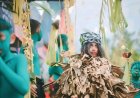
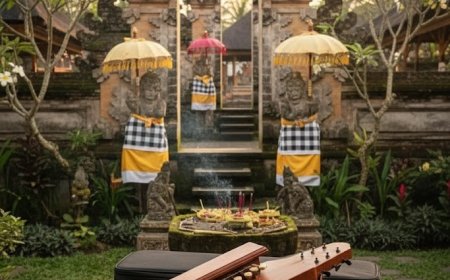
Ratu Gede Performing (Source: Private Collection)
In Balinese folklore, Jaya Pangus is known as a wise king who was often tested by life’s journey. He met Kang Cing Wie, a woman of gentle character and deep wisdom. Their relationship brought a sense of peace to the kingdom. However, differences in cultural background and various trials meant that their journey was not always smooth.

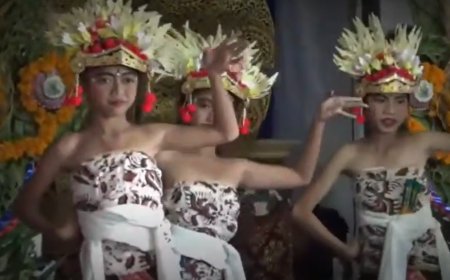
Ratu Ayu Performing (Source: Private Collection)
Despite the dynamics within their story, Balinese people interpret the relationship between Jaya Pangus and Kang Cing Wie as a symbol of loyalty, love that transcends cultural boundaries, and harmony in life. The presence of Barong Landung figures representing these two characters is believed to bring goodness to the people and serves as a reminder that sincerity and harmony are essential foundations of communal life.
The Barong Landung performance also functions as an educational medium for younger generations. Through this sesolahan, children and adolescents are introduced to cultural philosophy, traditional values, and the importance of preserving ancestral heritage.
Performances in Singapadu Village involve sekaa (art groups) that have safeguarded this art form across generations. The dancers usually consist of banjar members who have studied both the movement techniques and the symbolic meanings of each figure. In addition to the dancers, there are gamelan musicians who accompany the performance with dynamic and sacred rhythms, as well as sesandaran singers who chant responsorial verses, creating a mystical and solemn atmosphere.

Sekaa Gamelan Players in the Barong Landung Performance (Source: Private Collection)
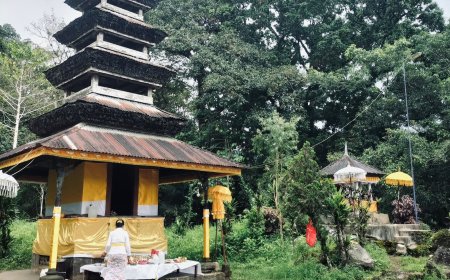
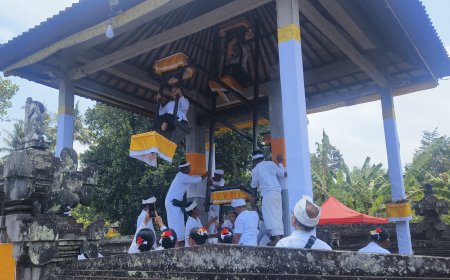
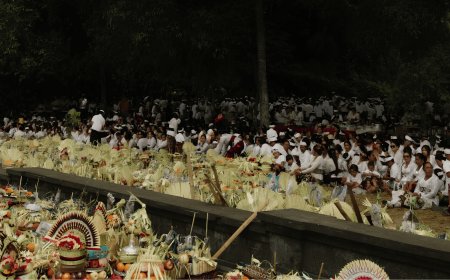
In Singapadu Village, Barong Landung is usually performed during temple piodalan ceremonies. Piodalan is considered the most sacred time, when the community expresses gratitude, prays for safety, and maintains harmony with nature. The presence of Barong Landung during piodalan symbolizes sacred protection bestowed upon the village and the worshippers participating in the ceremony.
In Singapadu, Barong Landung is typically performed within the temple complex hosting the piodalan. The performance may take place in the middle courtyard (jaba tengah), adjusted to the stage of the ongoing ritual. The temple atmosphere filled with penjor, incense, and gamelan accompaniment makes the performance even more vivid and sacred. During the performance, the audience can feel a strong spiritual presence. The harmony between movement, gamelan rhythms and sesandaran chants, along with the ceremonial setting, makes this sesolahan feel alive and imbued with its own distinctive power.

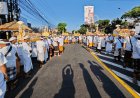
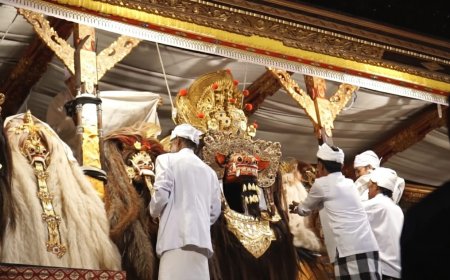
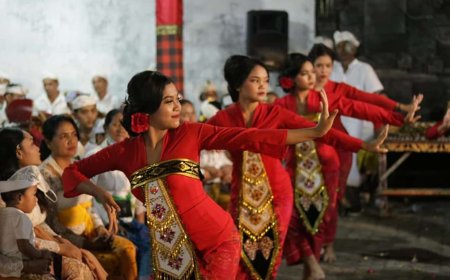
Sesolahan of Ratu Gede and Ratu Ayu during Piodalan in Singapadu Village (Source: Private Collection)
As part of Bali’s cultural heritage, Sesolahan Barong Landung in Singapadu Village stands as proof of how the community preserves the relationship between tradition, spirituality, and art. The beauty of this performance lies not only in its visual appeal, but also in the profound meanings passed down from generation to generation.