















Time on Display, Tradition Revived: The SAKA Bali Museum in Contemporary Cultural Interpretation
Museum SAKA Bali is a place that bridges Bali's cultural heritage with contemporary narratives. With a modern design that blends minimalist aesthetics and the richness of traditional Balinese art, this museum offers a profound sensory experience. Showcasing a collection of artifacts, traditional textiles, and the phenomenal Ogoh-ogoh installations, Museum SAKA serves as a hub for the preservation of Balinese culture in the modern world.

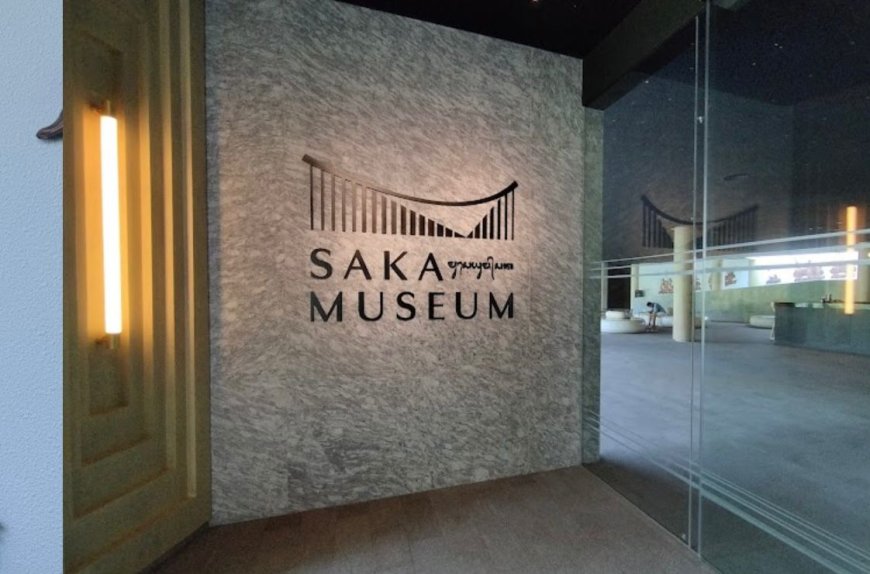
Behind the dazzling modern tourism of Jimbaran, stands an intellectual and spiritual oasis that has become a global topic of discussion: Museum SAKA. Located within the AYANA Estate, this museum is not just a grand building but a cultural statement about how Bali views time and space. The name "SAKA" itself refers to the Balinese Hindu calendar, a powerful symbol that signifies that this place is the keeper of the rhythm of life of the island’s people. This museum serves as a bridge that connects ancestral heritage with contemporary narratives, packaging the philosophy of Tri Hita Karana into a profound experience.
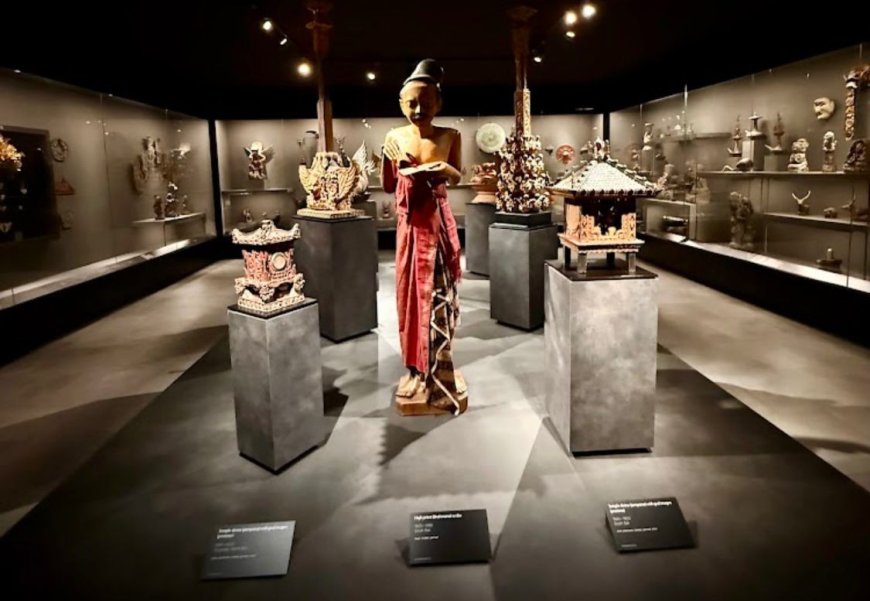
Main Gallery of Museum SAKA (Source : Personal Collection)
Entering its gallery, visitors are greeted by dramatic lighting arrangements, where each artifact seems to speak in silence. The main room of the museum is designed to create a meditative atmosphere, inviting us to delve into the spiritual depths of Bali through various figurative sculptures representing sacred entities and mythology. Every corner of the room is carefully planned, blending modern minimalist aesthetics with the rich details of traditional carvings that have been the essence of Balinese art for centuries.
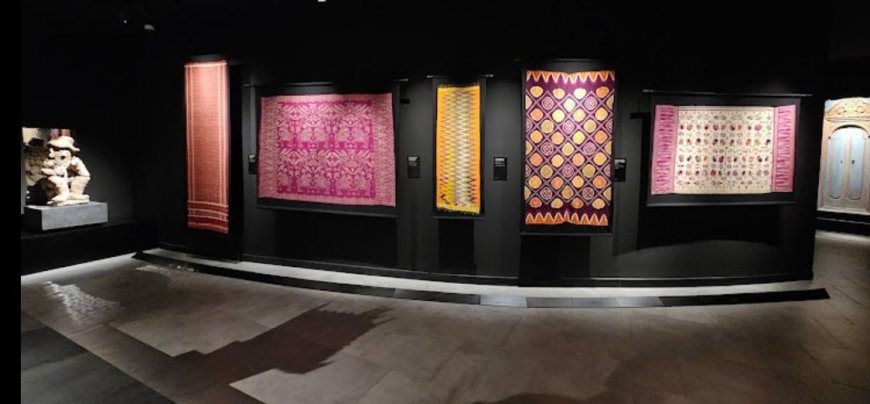
Rows of Traditional Balinese Textiles / Wastra Bali with Various Sacred Motifs (Source : Personal Collection)
The museum continues with a tribute to the aesthetic of wastra or traditional textiles. The fabrics displayed are not just ordinary items, but historical manuscripts woven with prayers and symbolic meaning. From intricate motifs to natural color gradients, the collection of wastra at Museum SAKA showcases the high level of textile civilization in Bali. Here, visitors can understand that each piece of fabric plays an important role in ritual ceremonies, serving as a spiritual protector and a marker of social identity, which is still carefully guarded by the community today.
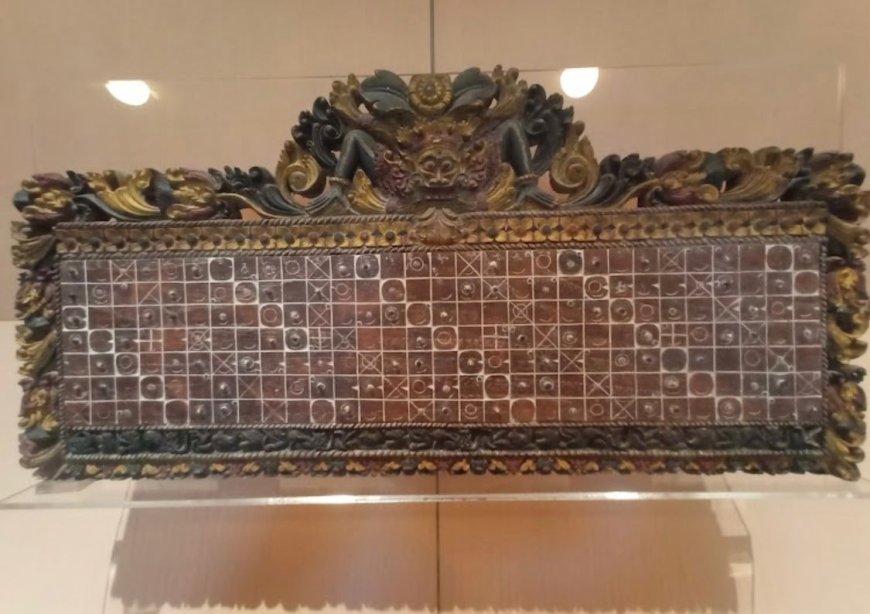
Traditional Calendar as a Symbol of Time Calculation in the Saka Calendar (Source : Personal Collection)
In one corner, there is an installation of gamelan instruments placed humbly on pandan mats. The presence of this instrument reminds us that Balinese culture is a culture that vibrates through sound. Gamelan is not just an accompaniment for dance but the heartbeat that brings life to the village and temple atmosphere. The placement of these musical instruments in the quiet museum space provides visitors with an opportunity to imagine the echo of pelog and selendro tones that usually fill the air of Bali during rituals.
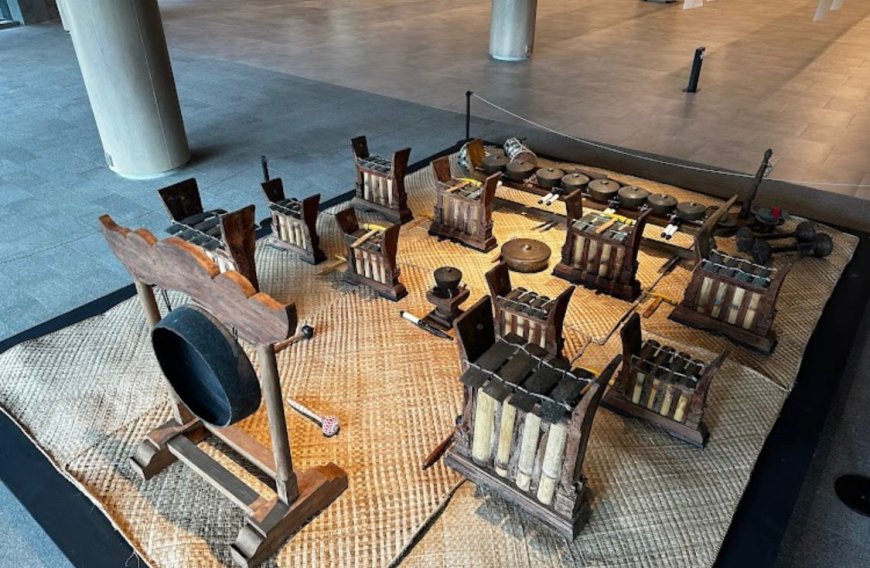
Balinese Gamelan Instruments Representing the Harmony of Sound (Source : Personal Collection)
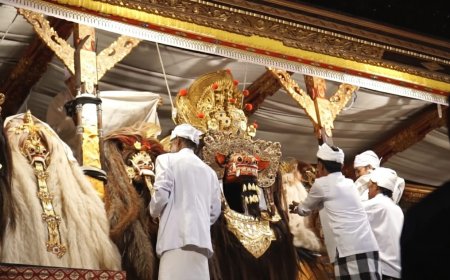
A major highlight of Museum SAKA is its phenomenal Ogoh-ogoh collection. While Ogoh-ogoh is typically only enjoyed once a year during Pengerupukan night before Nyepi, here this art form is immortalized in highly detailed and artistic forms. The small to medium figurative sculptures show how young Balinese artists conduct extraordinary anatomical experiments without abandoning traditional forms. These works are a true testament that Balinese creativity continues to evolve, giving birth to new, bold expressions.
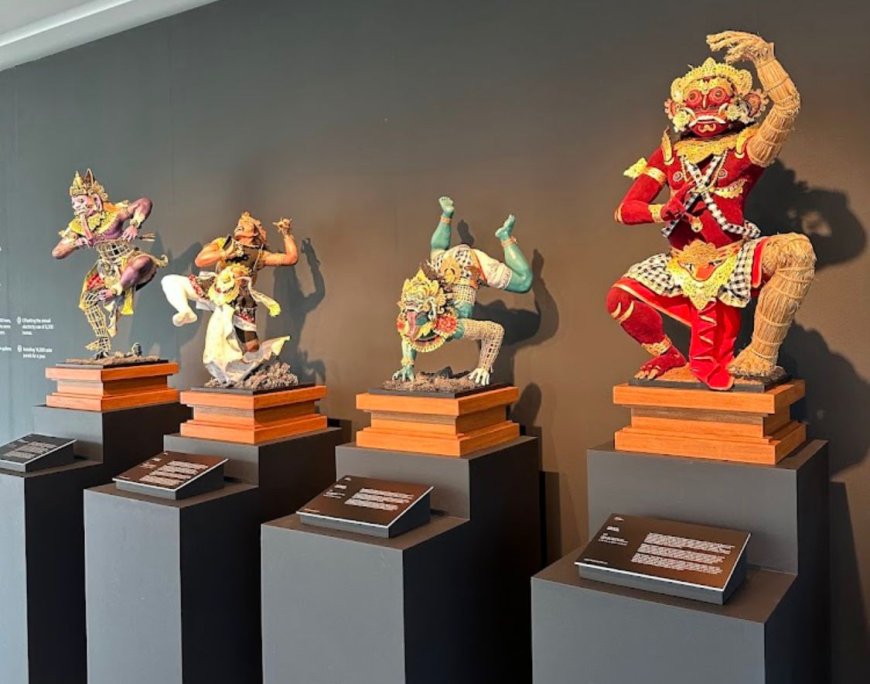
Miniature Collection Depicting Mythological Characters with Modern Carving and Painting Techniques (Source : Personal Collection)
The pinnacle of the visual experience in this museum is the presence of giant Ogoh-ogohs that seem so lifelike. These figures depict the cosmic duality between virtue and vice, which in Balinese teachings is known as Rwa Bhineda. With strong expressions and dramatic postures, this installation is not just a giant sculpture but a visualization of emotion and the power of the universe. Museum SAKA has placed these works strategically in a large space with a large glass backdrop, allowing the natural light of Jimbaran to touch the surface of the works, creating a dialogue between the real outer world and the magical mythological world.
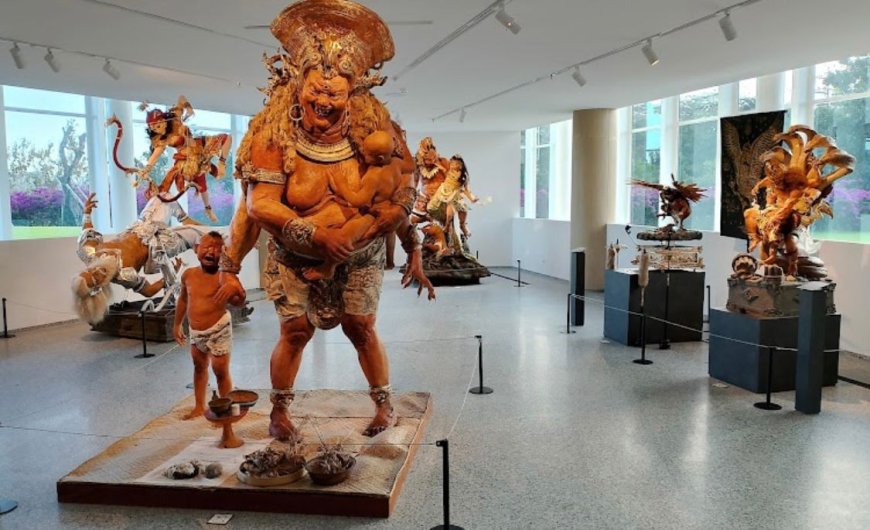
Ogoh-Ogoh as a Representation of Contemporary Balinese Art Rooted in the Nyepi Tradition (Source : Personal Collection)
Museum SAKA Bali has successfully set a new standard in cultural preservation. It not only preserves the past but also provides room for the future to grow. Through its meticulous curation and strong narrative, this museum invites all of us to pause in "silence"—just like Nyepi—to reflect on who we are and how we preserve this invaluable heritage. SAKA is an ode to Bali, a celebration of time that continues to pass, yet traditions remain eternal.