











Dance Leko and Bumbung Gebyog: Sacred Dance of Pinge Traditional Village
In exploring the beauty of Bali, it cannot be denied that traditional dances stand out as one of the striking cultural treasures on the Island of the Gods. Each dance movement depicts a rich cultural heritage, reflecting everyday life and providing an unforgettable experience for tourists longing for the enchanting traditions of Bali. Amidst the diversity of these dance arts, one that captures attention is the Leko and Bumbung Gebyog Dance, a traditional dance that adorns the lives of the community in the Pinge Traditional Village.
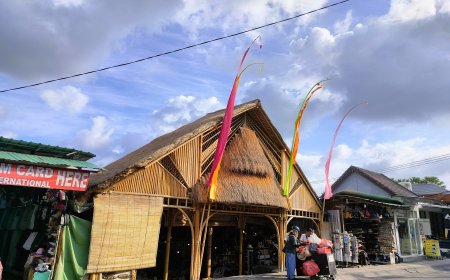
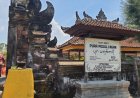
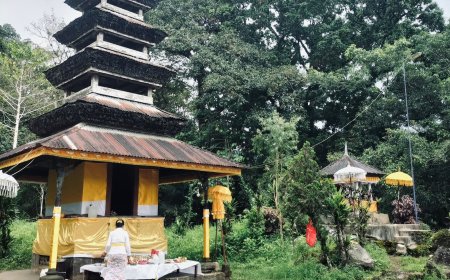
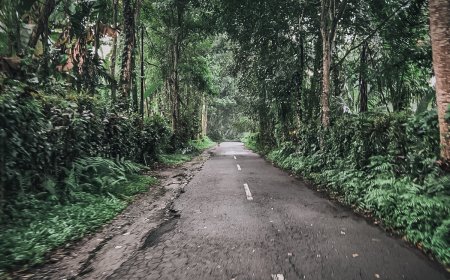
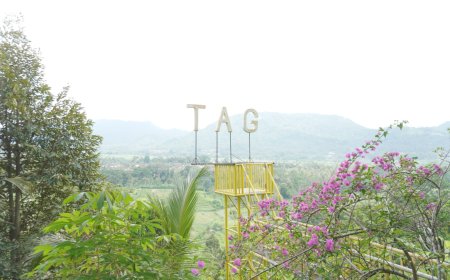
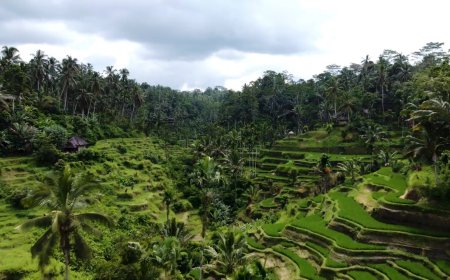
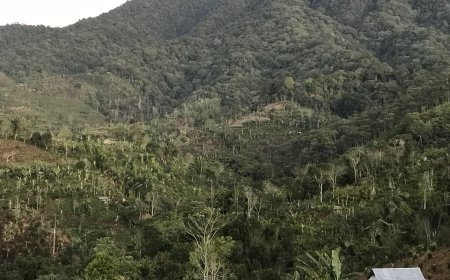
The Pinge Traditional Village, located in the Marga District, Tabanan Regency, boasts a distinctive natural panorama, characterized by numerous terraced rice fields. In addition to its beautiful natural scenery, Pinge Traditional Village also possesses rich cultural potential. As a result, in 2004, it was designated as a community-based tourist village.
The appeal of Pinge Traditional Village is not only found in its natural charm but also in the uniqueness of its traditional dances. Traditional dance in the village refers to a form of dance art that is passed down from generation to generation within a village community that has its own customs and specific traditions.
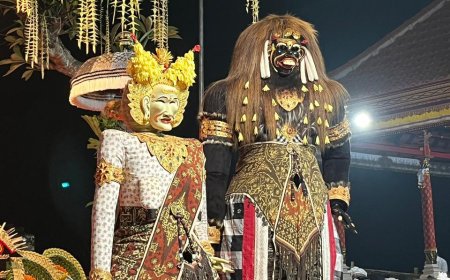
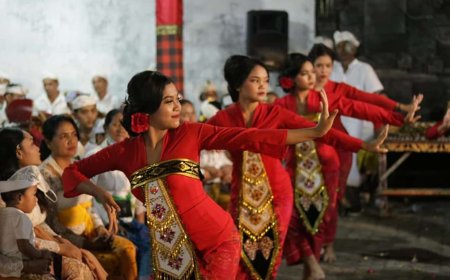
Traditional dances in Pinge Traditional Village, such as Leko dance and Bumbung Gebyog dance, have their own allure. These dances are a reflection of the cultural richness and history of the village community. The authenticity of Leko and Bumbung Gebyog dances is carefully preserved and enthusiastically maintained by the local community. The beauty of these dances is not only in the visual aspect but also in their uniqueness and the embedded meanings within them.
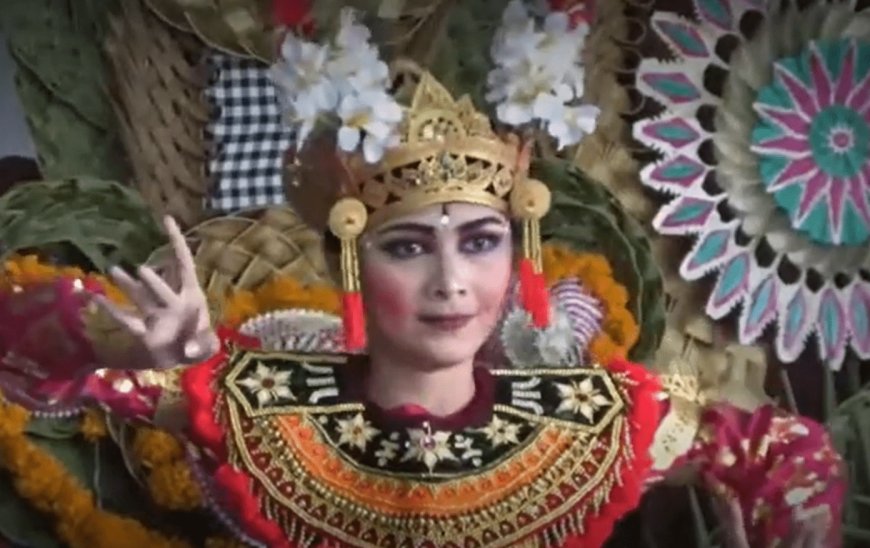
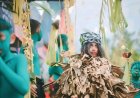
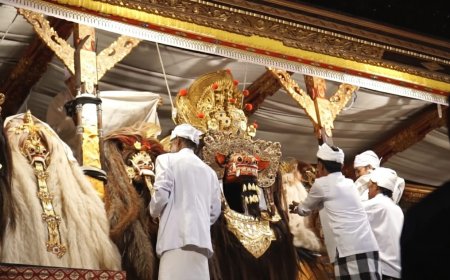
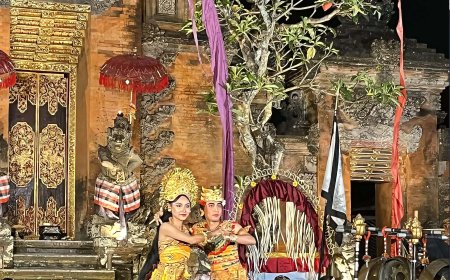
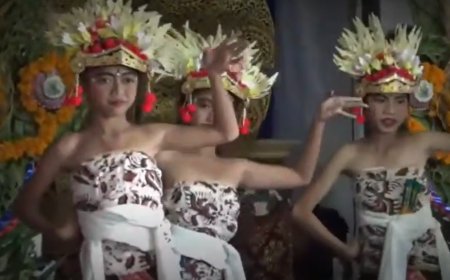
Leko Dance of Pinge Traditional Village (Photo Source: BuletinDewataTV Channel)
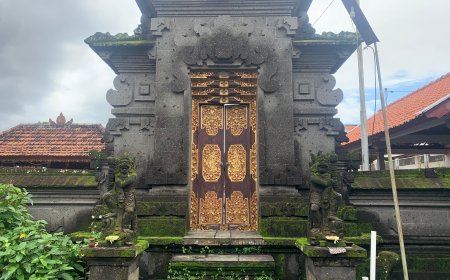
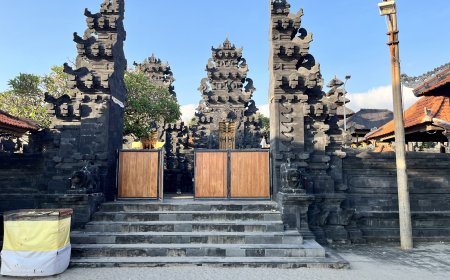
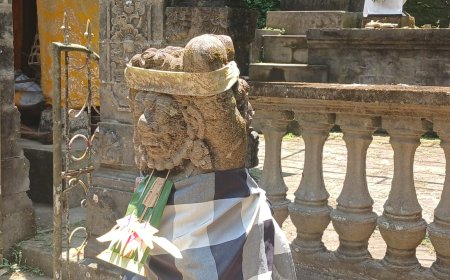
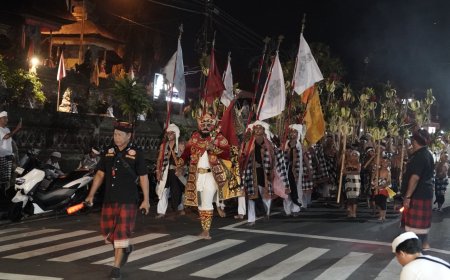
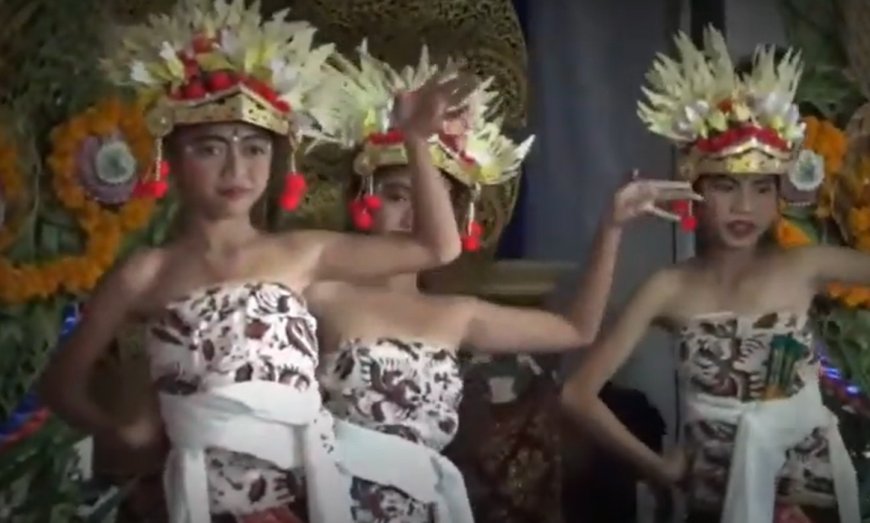
Leko dance and Bumbung Gebyog dance are sacred dances for the local residents. These dances are only performed on specific holy days and are restricted to be showcased only in the local temple. However, for tourists, there is a modified version of these dances, adapted from the original, which can be presented as entertainment performances. Thus, the authentic dances are still preserved in their sanctity.
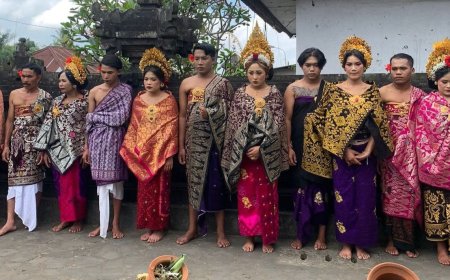
Both of these traditional dances not only showcase distinctive movements but are also accompanied by instruments made using bamboo, along with unique and traditional costumes. Leko dance is a type of legong keraton dance, while Bumbung Gebyog dance has its own distinct style and guidelines.
The Bumbung Gebyog dance does not include "nyeledet" or eye movements in its guidelines. This dance is an ancient dance performed by groups of women, specifically by girls who have not yet reached puberty.
The preservation of both traditional dances is carried out through "Seka Demen". Seka Demen is a group of people or can also be referred to as a community that has a passion for the arts originating from Pinge Traditional Village.
The Seka Demen community preserves the dances in Pinge Traditional Village based on their own awareness and passion. They are highly conscious of the importance of cultural heritage and demonstrate a deep respect for tradition and art with enthusiasm and love. Through their awareness, passion, and love, they have shown profound appreciation for both tradition and art.
Through the combination of the beauty of Leko and Bumbung Gebyog dances, Pinge Traditional Village not only invites tourists to witness breathtaking performances but also provides an opportunity to immerse themselves in the rich cultural and historical treasures closely associated with the Balinese community. Thus, every step taken in Pinge Traditional Village becomes an unforgettable adventure, allowing visitors to experience the enchantment of beauty and local wisdom on the Island of the Gods.