

























Usadha Santen Wood: A Traditional Balinese Medicine Heritage for Healing Stomach Ulcers
The kayu santen tree, known among the Balinese as turus urip, is not merely utilized as a living fence in residential yards. In the traditional medical knowledge of Usadha Bali, this plant is recognized as an ingredient for usadha, a herbal remedy traditionally used for stomach ulcer complaints and digestive disorders. In the Lontar Usadha Taru Pramana, kayu santen is recorded as a traditional medicinal plant with properties effective in relieving stomach ulcers.

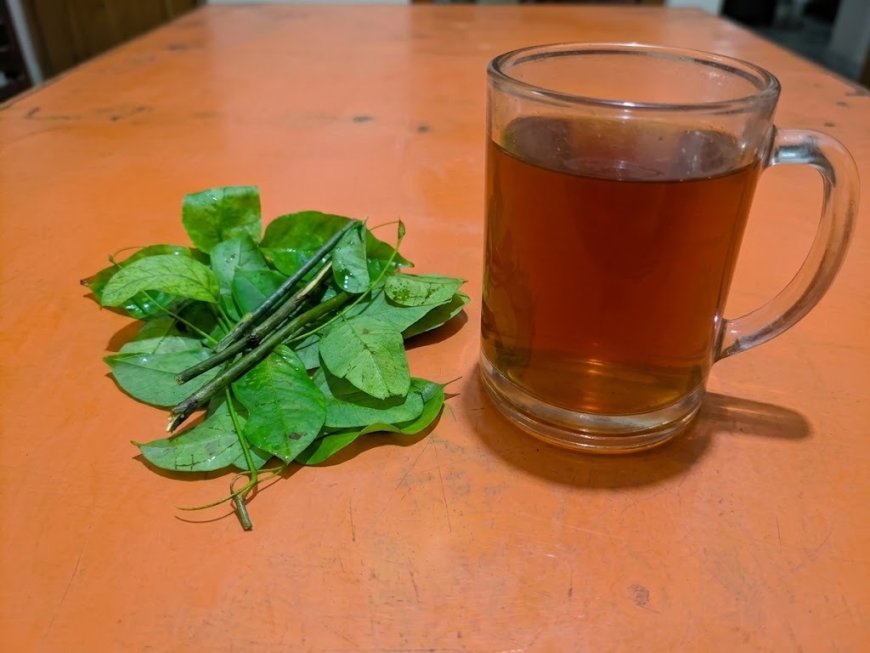
Have you ever heard of usadha kayu santen? Amidst the wide variety of plants used in Balinese traditional medicine, the leaves and bark of kayu santen, commonly referred to as turus urip, stand out as a highly interesting plant to learn about. This tree, more commonly known in daily life as a boundary fence in residential yards, actually has a deeply rooted history of use within the Balinese traditional medical system known as Usadha Bali.
Kayu santen is utilized as the primary ingredient in preparing usadha, a traditional Balinese herbal remedy in liquid form consumed by drinking. In local community knowledge, usadha kayu santen is believed to be highly effective in helping to relieve complaints such as stomach ulcers, stomach lining pain, bloating, and internal heat. This usage does not merely originate from baseless oral stories circulating in the community. Authentic traces of its use can be found in the ancient manuscript Lontar Taru Pramana, which systematically records various types of medicinal flora along with their properties, taste characteristics, and processing methods.
Balinese traditional medicine, or Usadha, has a very close and harmonious relationship with the utilization of biodiversity in the surrounding environment. One of the classical manuscript sources that serves as the primary reference for traditional medicine practitioners is the Lontar Taru Pramana. Taru Pramana contains local wisdom teachings about medicinal plants presented in the form of a philosophical dialogue between Mpu Kuturan and various types of trees. Within it, each plant is not only identified by its physical morphology but also explained in terms of which parts have medicinal properties, their physiological nature (whether hot, cold, or moderate), processing methods, and the specific diseases they are suited to treat.
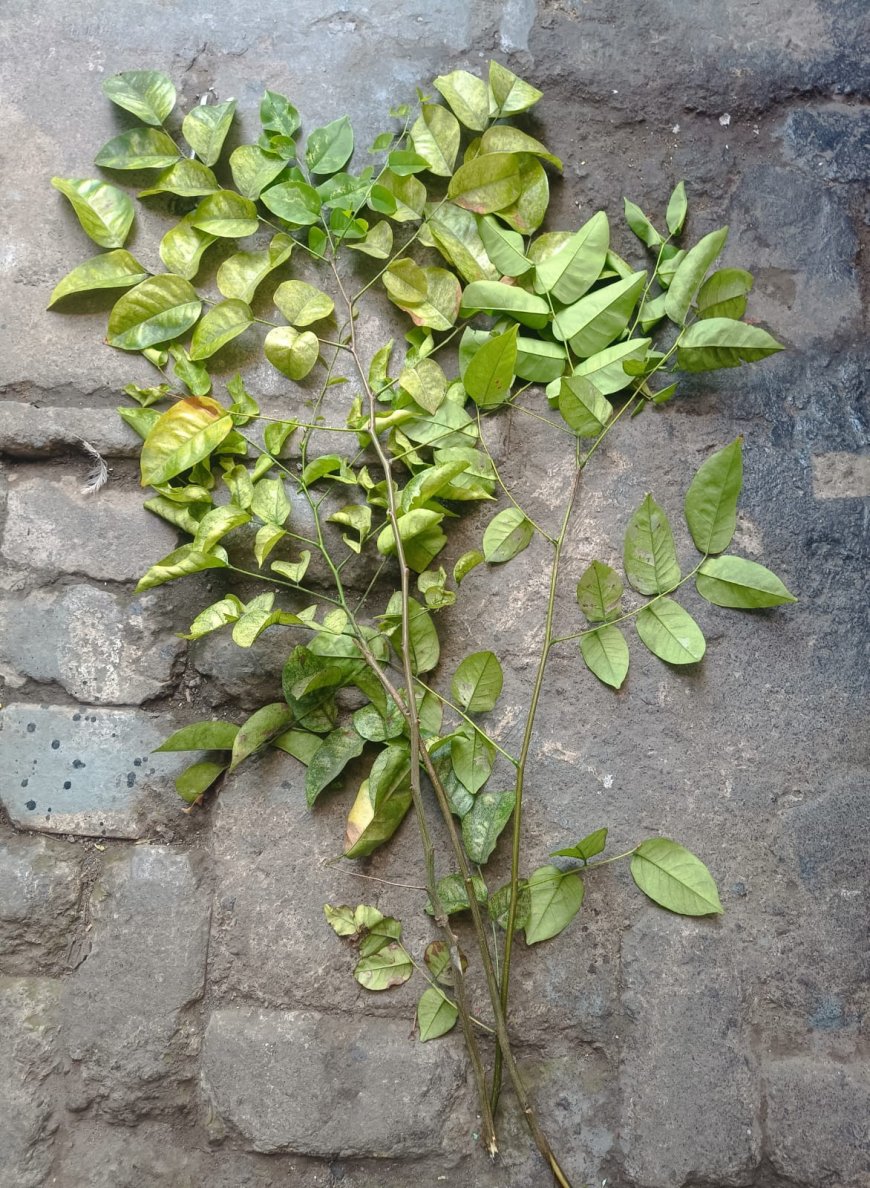
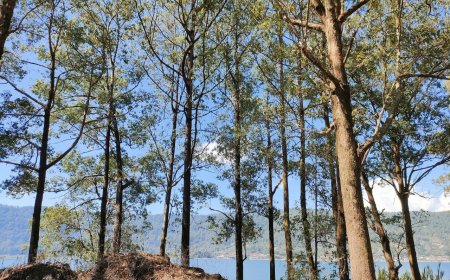
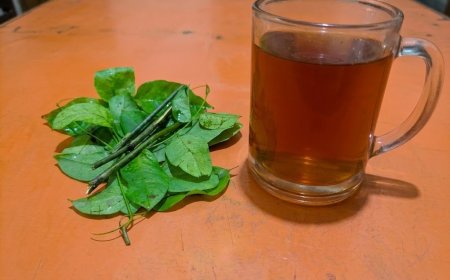
Santen Tree Leaves and Branches (Source: Personal Collection)
One of the important medicinal plants recorded in ethnobotanical studies of Taru Pramana is Taru Santen, which in botanical taxonomy is identified as Lannea coromandelica from the family Anacardiaceae. In the daily life of the Balinese people, this tree has a distinctive name: turus urip, due to its extraordinary regenerative ability a cut branch planted into the ground will immediately sprout into a sturdy fence post. The name ‘santen’ itself was given because when the bark of its twigs or trunk is peeled, a thick opaque white sap resembling diluted coconut milk flows out.
The primary distinction of kayu santen lies in its written documentation regarding its efficacy in relieving stomach ulcers, gastric inflammation, and digestive disorders. This information can be traced in manuscript copies of the Lontar Usada Taru Pramana.
Taru Santen, usadha remedies, and the healing of stomach ulcers are deeply interconnected in the Usadha Bali tradition. The philosophical term tis dumalada or ‘moderately cool’ holds a crucial role in Usadha diagnostics. Stomach ulcers are fundamentally triggered by an imbalance of excessive heat in the stomach organ. Medicinal plants that are too cold in character risk causing stomach cramps, while plants that are too warm will worsen irritation. Kayu santen occupies a perfect neutral point cool enough to reduce gastric acid inflammation without disturbing the balance of other body organs. Phytochemically, the tannin, flavonoid, and anti-inflammatory compound content in its leaves and bark work to form a mucoprotective layer that coats wounds on the gastric mucosa.
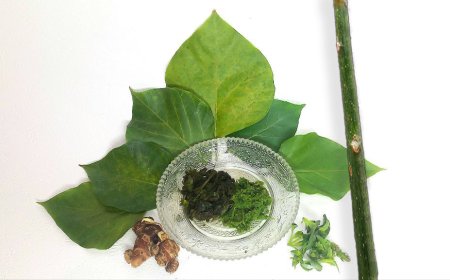
Beyond its foundation in classical manuscripts, the knowledge of preparing usadha kayu santen remains preserved and practiced from generation to generation by communities in rural Bali. Based on direct documentation of the preparation process, the ingredients needed are very affordable and easily obtained from the home garden environment.
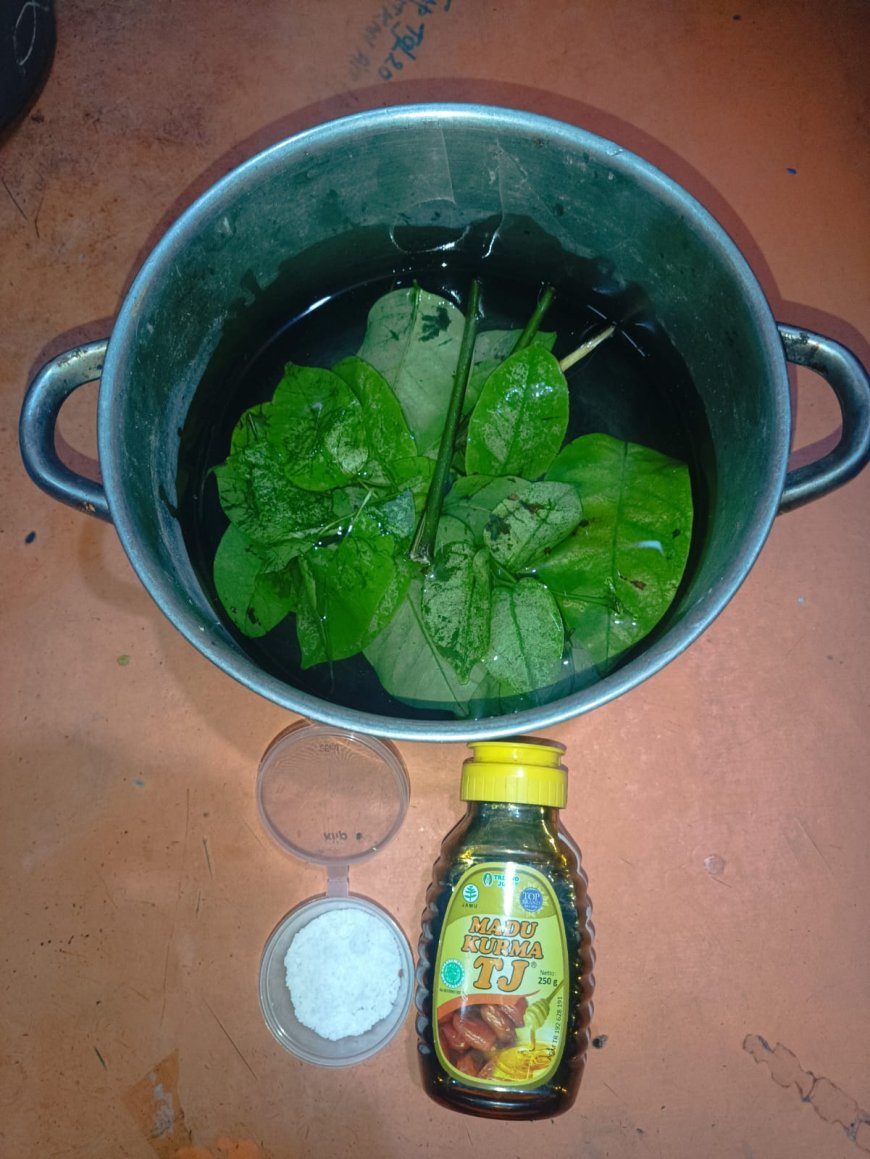
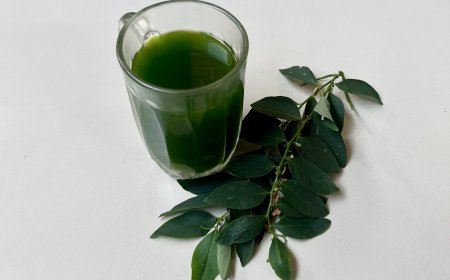
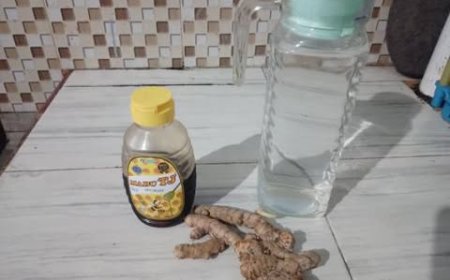
Ingridients for Usadha Kayu Santen (Source: Personal Collection)
Ingridients
- Kayu santen leaves as needed
- Kayu santen bark or twigs, 2–3 small pieces
- Clean water
- Salt as needed
- Honey, 1–2 tablespoons
Preparations Steps
- First, separate the kayu santen leaves from the coarse branches. Wash the leaves and bark pieces under running water until completely clean of dust, dirt, and excess sap.
- Place the thoroughly washed kayu santen leaves and bark pieces into a pot. Add 500 ml of clean water until all ingredients are fully submerged, then place the pot on the stove.
- Turn on the stove at medium heat. Boil the water together with the kayu santen leaves and bark until it reaches a full boil. After boiling, reduce the heat slightly and allow it to simmer for 10–15 minutes so that the sap and active compounds dissolve into the water. The color of the boiled water will gradually change from clear to a yellowish-greenish brown.
- After the boiling process is complete and the water has matured in color, add salt as needed to the pot. The addition of salt aims to neutralize the natural astringent taste of the santen leaves, increase mineral content, and provide natural electrolytes that soothe the stomach.
- Prepare a clean glass and fine strainer. Pour the hot boiled water from the pot through the strainer into the glass to separate the liquid from the leaf residue and bark fragments of kayu santen.
- Add one to two tablespoons of honey to the glass, then stir until evenly dissolved. Honey functions to soften the astringent taste and provides a coating effect on the stomach lining.
- Usadha kayu santen is now ready to be consumed as an herbal remedy for relieving stomach ulcers.
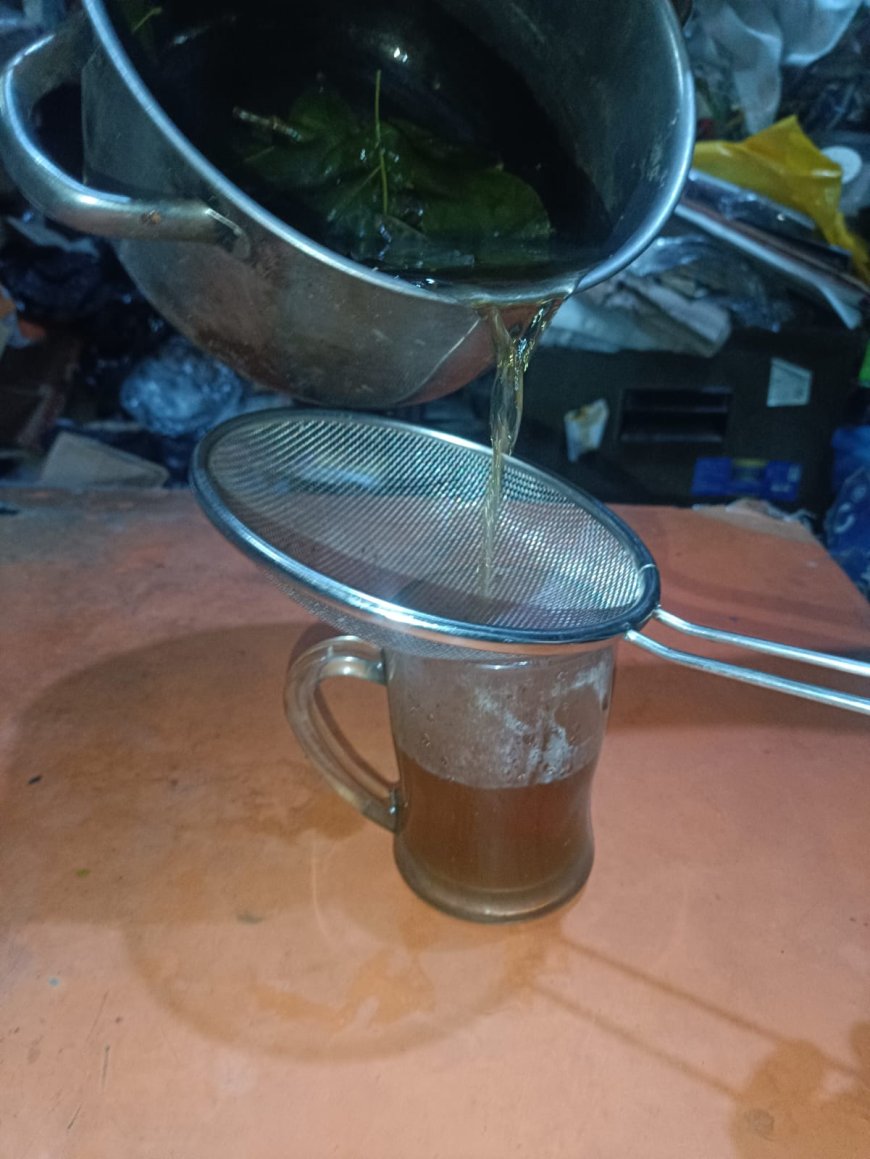
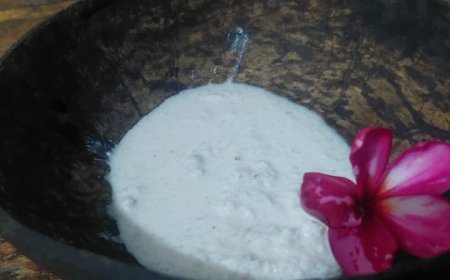
The Process of making Usadha Kayu Santen (Source: Personal Collection)
The process of preparing usadha kayu santen is highly practical and hygienic. No complex laboratory equipment or artificial chemicals are required. It is recommended to drink this usadha 1–2 times daily in the morning before eating or at night before sleeping, especially when symptoms of stomach ulcers, epigastric pain, or bloating begin to be felt. The first sensation when drinking is a slightly astringent taste followed by a warm and comfortable feeling that directly soothes the tension in the stomach.
Uniquely, the preparation through boiling and the addition of honey demonstrates how Usadha Bali knowledge continues to undergo intelligent adaptation at the hands of the community. The recipe practiced today retains the essence of the primary plant as written in the Lontar Taru Pramana, yet is processed in a more hygienic and comfortable manner for the modern stomach.
Therefore, the recipe that lives among the community today should not be viewed merely as a rigid copy from the pages of lontar. Both are interconnected links of knowledge that complement each other. This proves that the heritage of Balinese traditional medicine does not die within ancient manuscripts, but rather continues to live because it is practiced, remembered, and passed down in a tangible way within the family life and Balinese community from generation to generation.