

















The Gelgel Kingdom: When the Light of Glory Faded into the Twilight of Decline
The Gelgel Kingdom was once the center of Bali’s glory in the 16th century under Dalem Watu Renggong, with power extending to Lombok, Sumbawa, and Blambangan. Its decline began after Watu Renggong’s death and culminated in the 1650 rebellion led by I Gusti Agung Maruti, which eventually led to the establishment of the Klungkung Kingdom in 1686. Despite its fall, Gelgel’s cultural legacy continues to live on in Balinese traditions, arts, and the Pura Dasar Buana Gelgel.

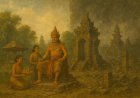
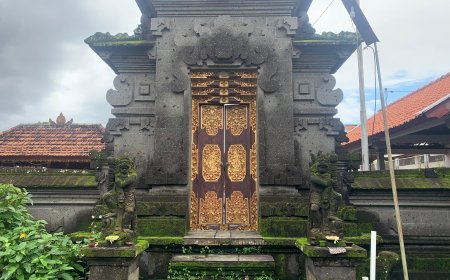
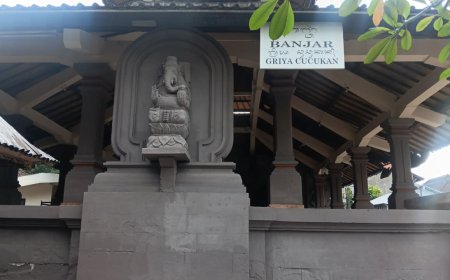
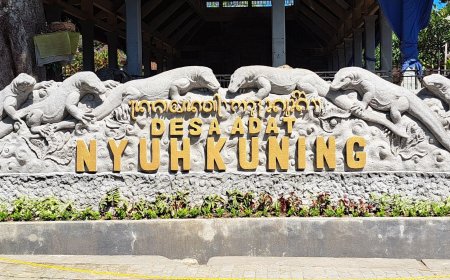
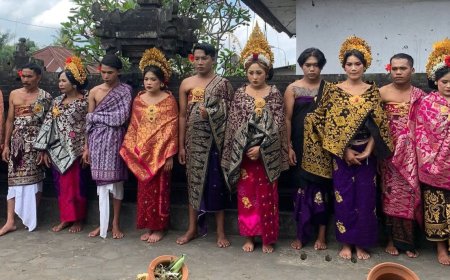
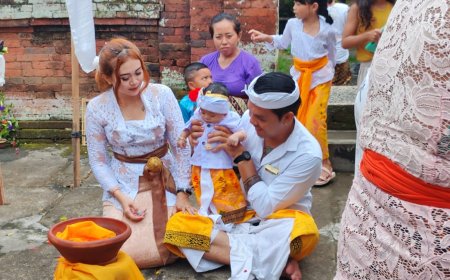
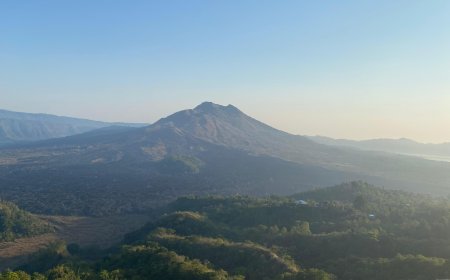
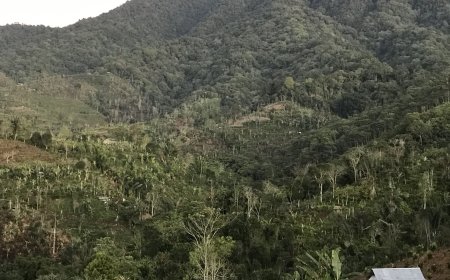
Bali Island holds traces of a past full of political and cultural dynamics. One of the kingdoms that once became the center of power in Bali was the Gelgel Kingdom. At the height of its power, Gelgel not only dominated Bali internally but also extended its influence to Lombok, Sumbawa, and Blambangan (East Java) (Wikipedia, 2023). This golden era grew in an atmosphere of stability, prosperity, and cultural solidarity. However, internal conflicts, external pressures, and political disintegration gradually led Gelgel to collapse.
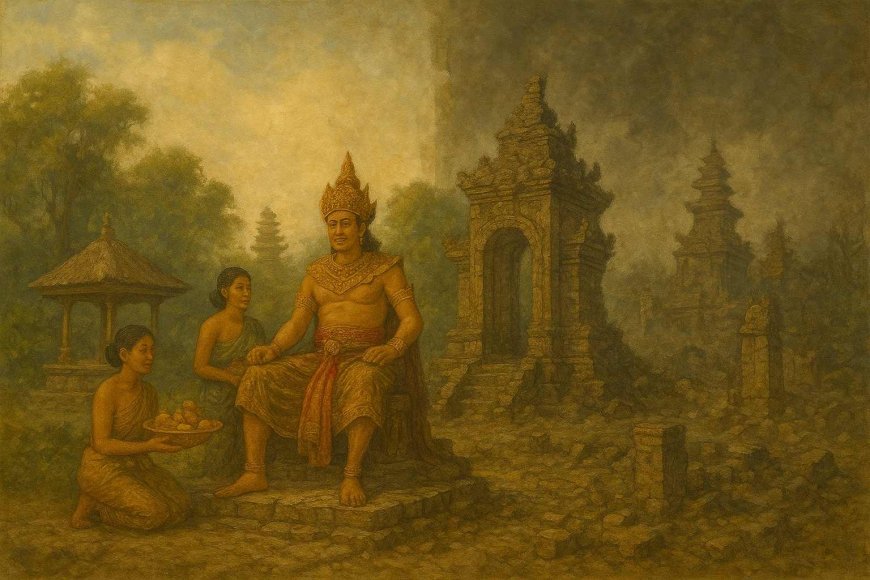
Kingdom, AI illustration, (Source: Private Collection)
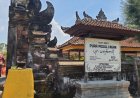
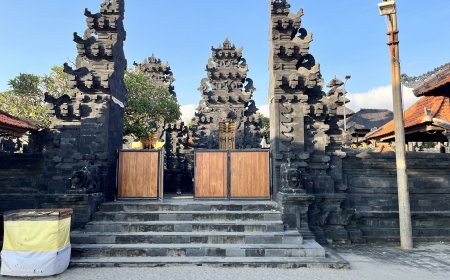
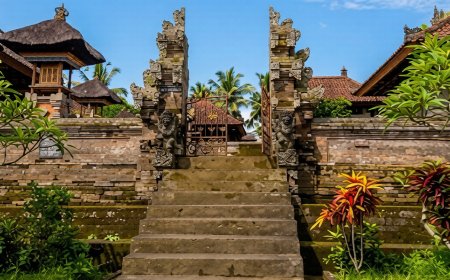
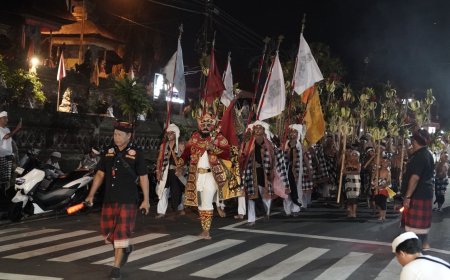
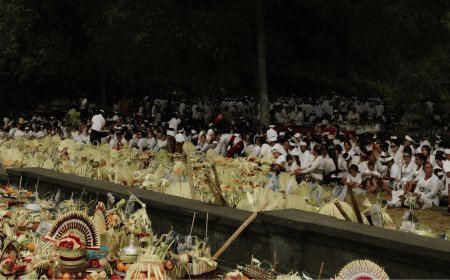
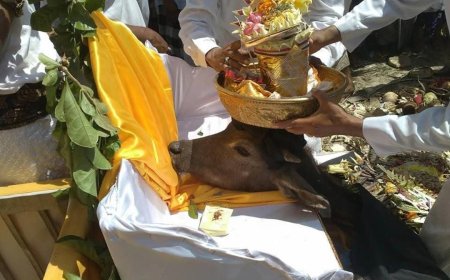
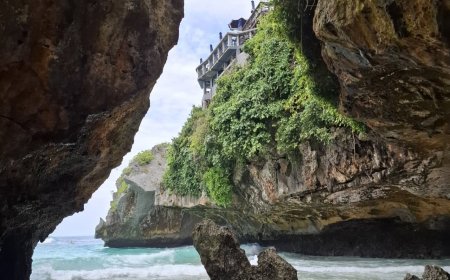
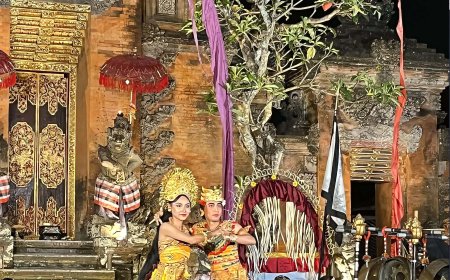
The peak of Gelgel’s glory is closely tied to the reign of Dalem Watu Renggong (16th century). His leadership brought political stability, socio-cultural growth, and improved welfare for the people. A major supporting factor in this golden period was the role of spiritual figures such as Dang Hyang Nirartha, who served as a spiritual advisor and strengthened the kingdom’s legitimacy (Mahadewa, 2021).
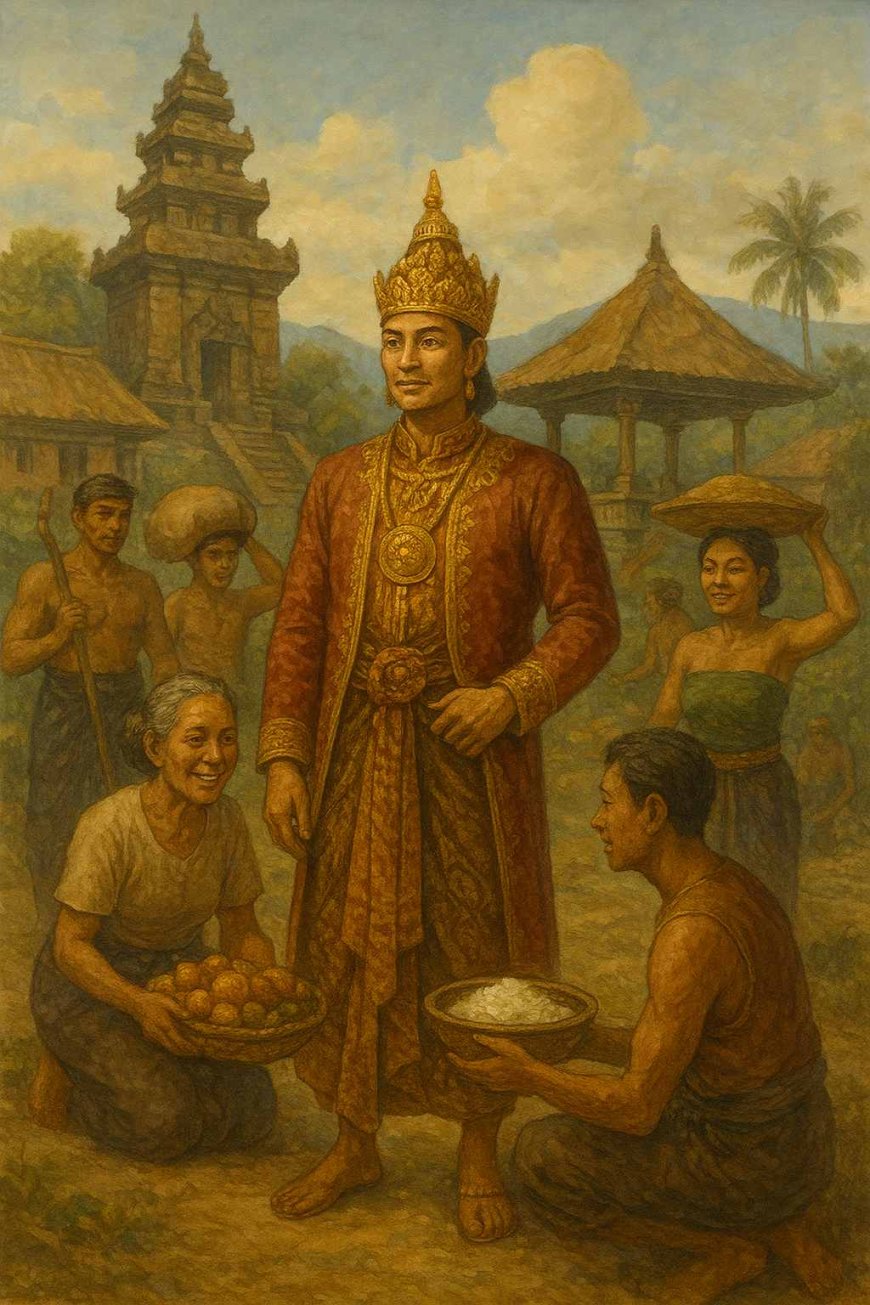
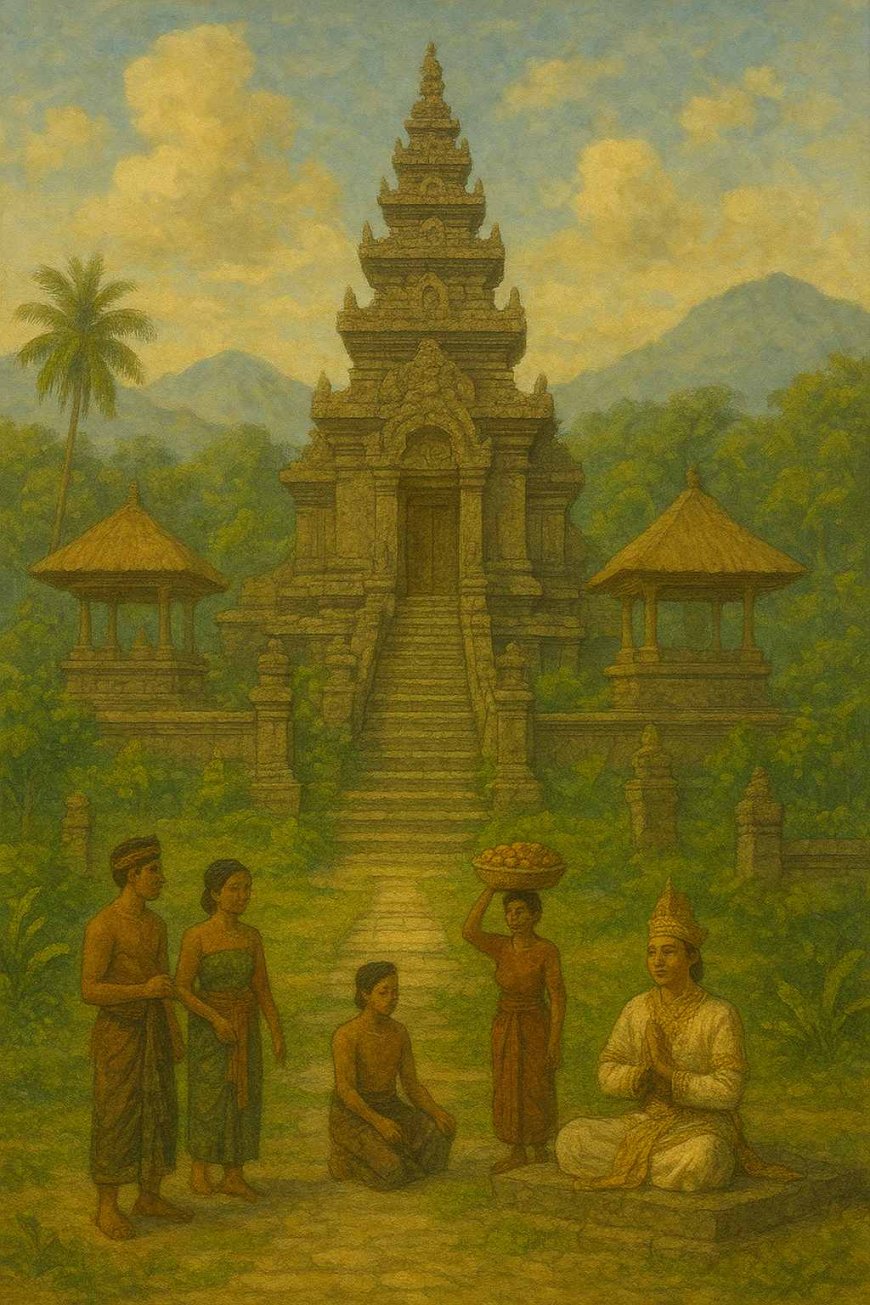
The Golden Age, AI illustration, (Source: Private Collection)
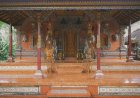
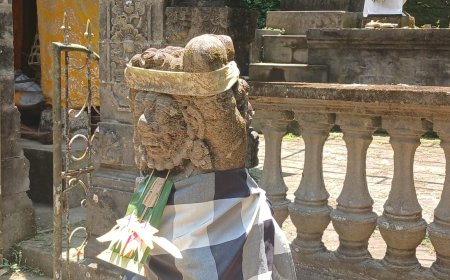
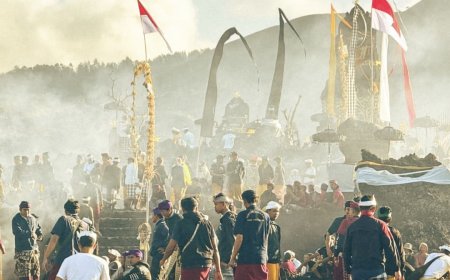
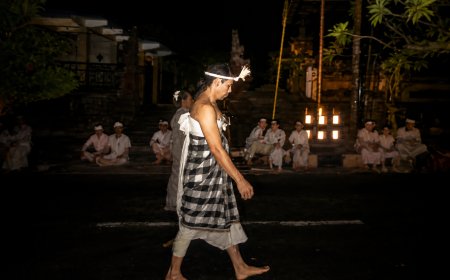
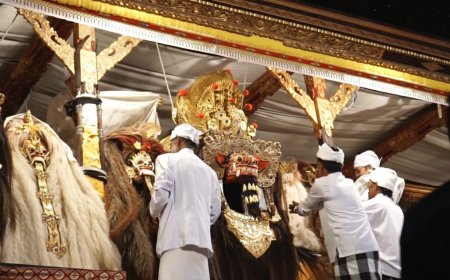
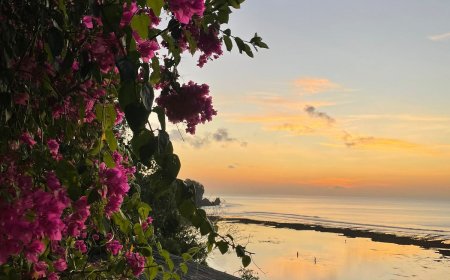
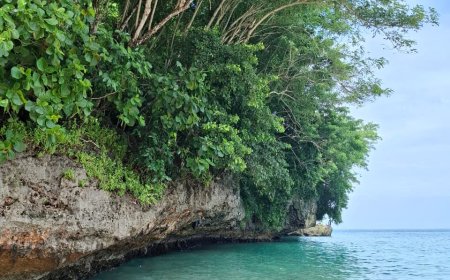
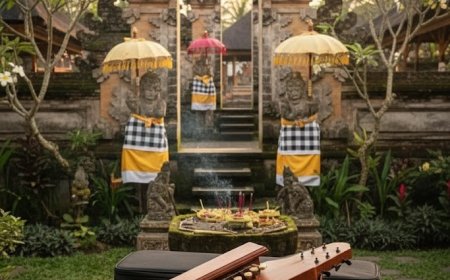
After the death of Dalem Watu Renggong, institutional stability began to weaken. Local nobles, who were initially under the authority of the central power, started to show independence. In 1650, a rebellion led by I Gusti Agung Maruti marked the beginning of Gelgel’s downfall. He successfully seized power from Dalem Dimade, the last king of Gelgel, who then fled to Guliang Village, part of the Bangli Kingdom (Klungkungkab.go.id, 2023).
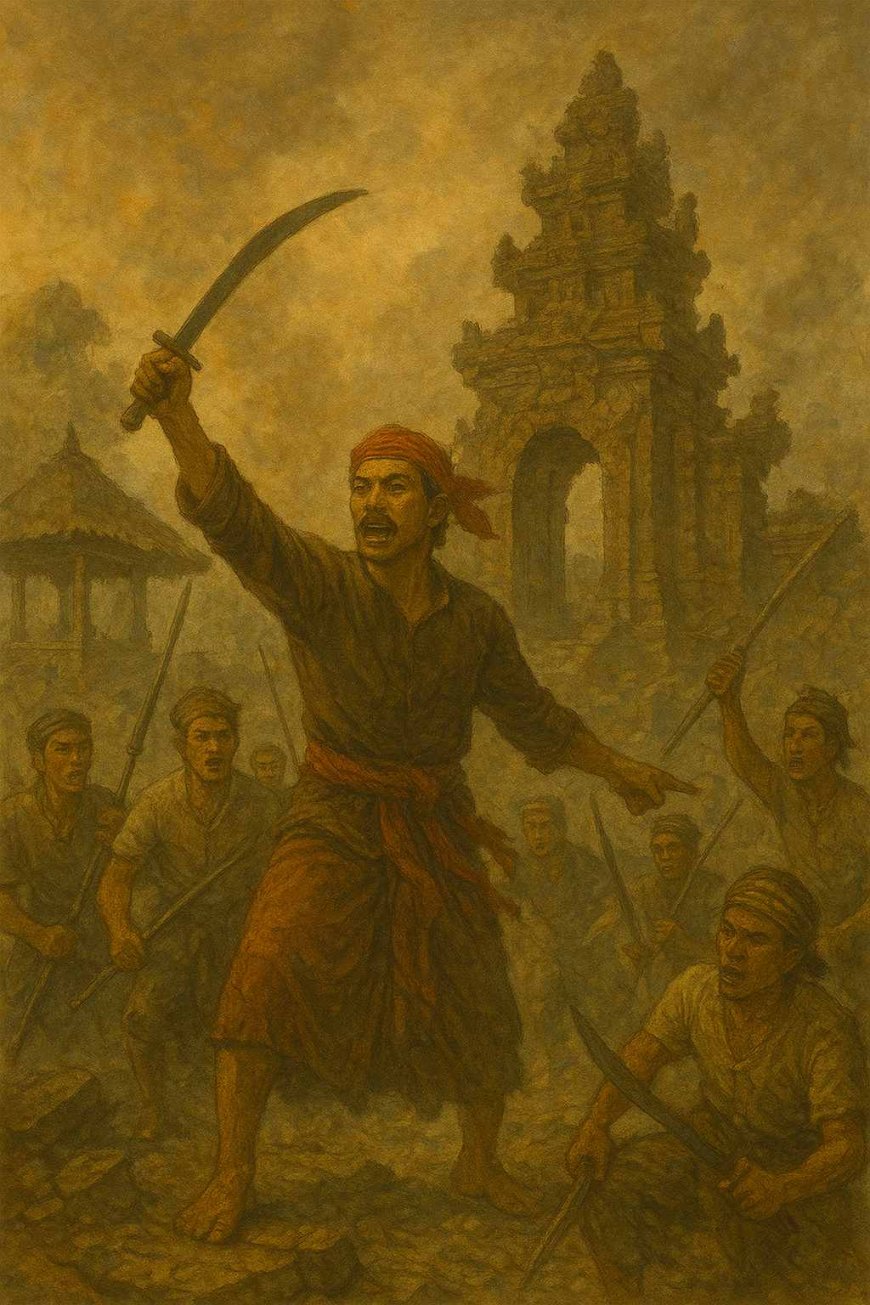
The Rebellion, AI illustration, (Source: Private Collection)
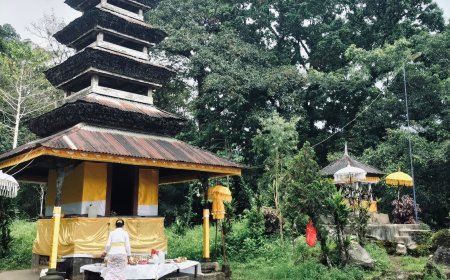
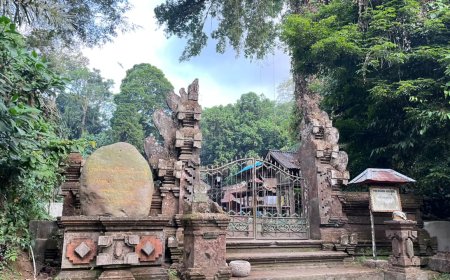
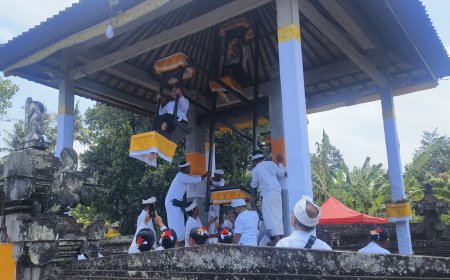
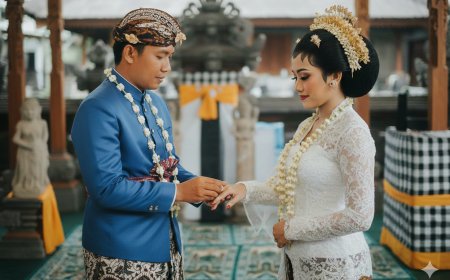
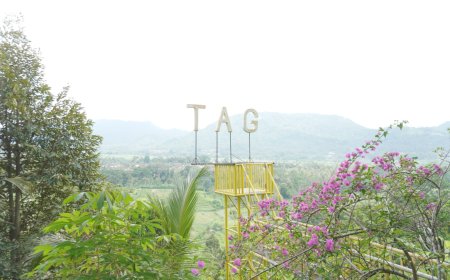
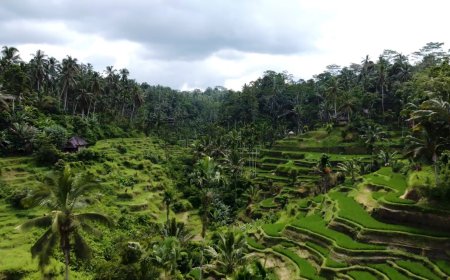
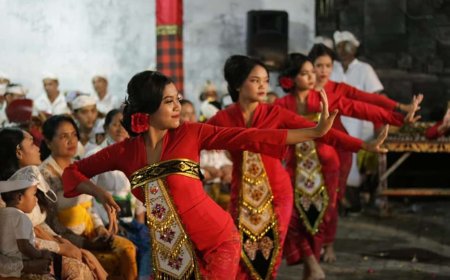
Maruti’s takeover represented the peak of the conflict. After Gelgel’s territories fragmented, the central power no longer had strong roots. In 1686, Ida I Dewa Agung Jambe established the Klungkung Kingdom, which later became the new political center of Bali, replacing Gelgel (Klungkungkab.go.id, 2023).
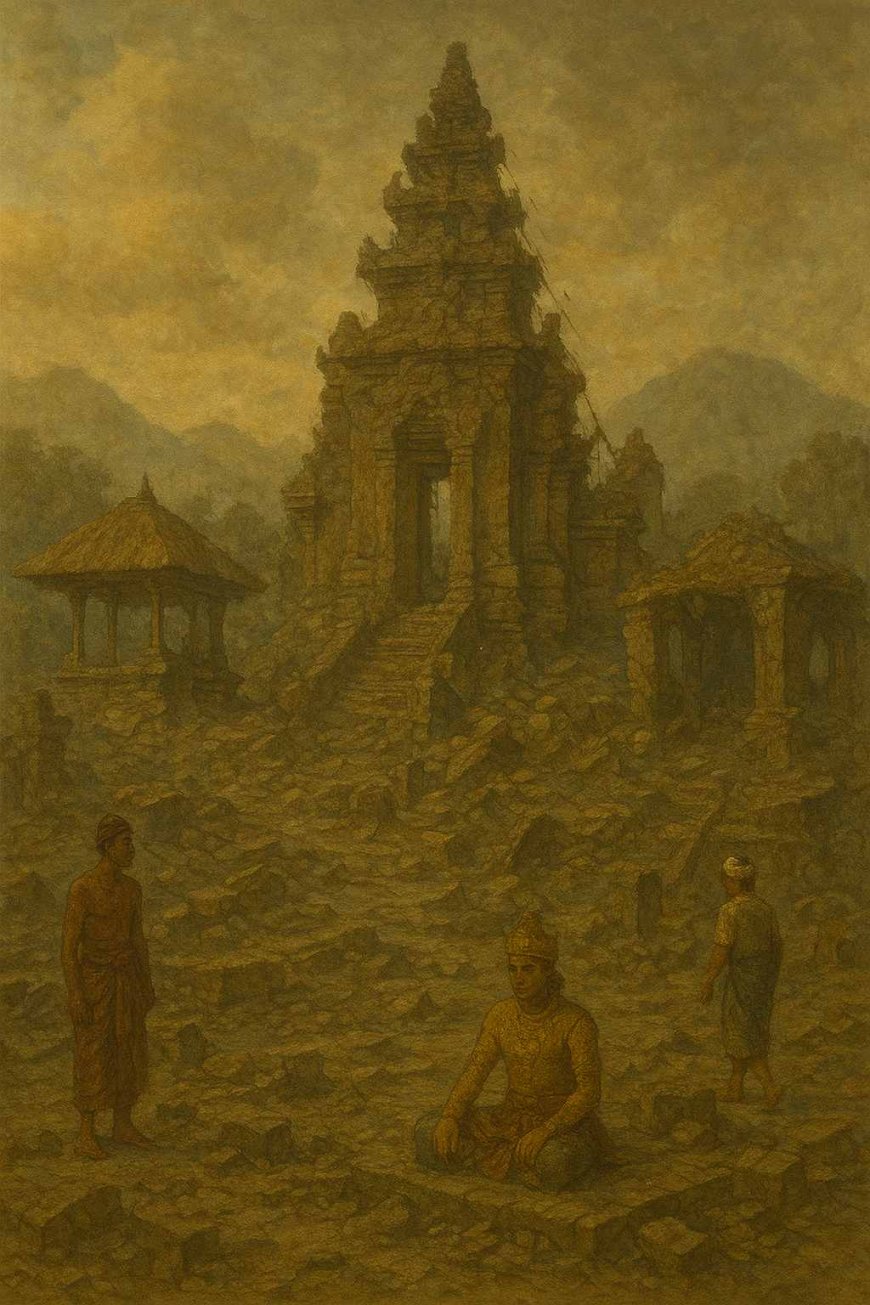
The Decline, AI illustration, ((Source: Private Collection)
Despite its fall, Gelgel left cultural and social legacies that are still felt today. Balinese ceremonial structures, metal carving arts, and social systems carry patterns that once flourished in the Gelgel era. An important legacy, the Pura Dasar Buana Gelgel, remains a spiritual center and living evidence of Gelgel’s golden age (Wikipedia, 2023).
The story of Gelgel Kingdom illustrates that glory is not eternal. Gelgel was once a beacon of cultural and political power in Bali, but internal conflicts, demands from subordinate regions, and unpreparedness in facing external powers eventually pushed it into decline. Nevertheless, Gelgel’s legacy continues to live on in the daily culture of Bali. This history reminds us that even the most magnificent past can fade into memory if not safeguarded with wise governance and consolidated power.
References:
Universitas PGRI Mahadewa. (2021). Peran Rohaniawan dalam Mewujudkan Keagungan Kerajaan Gelgel. Jurnal Social Studies. https://ojs.mahadewa.ac.id/index.php/socialstudies/article/download/2890/2012
Pemerintah Kabupaten Klungkung. (2023). Sejarah Klungkung. https://www.klungkungkab.go.id/halaman/detail/sejarah-klungkung
Wikipedia. (2023). Pura Dasar Buana Gelgel. https://en.wikipedia.org/wiki/Pura_Dasar_Buana_Gelgel