


























Traces of Ancestral Administration: Unraveling the Neatly Woven Bureaucracy of Ancient Bali
Studying Ancient Balinese bureaucracy is not only about political history, but also about how Nusantara societies built governance systems rooted in culture, religion, and tradition. From the Pakira-kiran I Jero Makabaihan to the Ulu Apad system of the Bali Aga villages, we see a political tradition no less complex than modern governmental models. That legacy remains visible today in desa adat, banjar, and awig-awig, which continue to thrive amid modernization. This is the political identity of Bali: a unique combination of monarchy, custom, and religious values that has endured across centuries.


Today, Bali is synonymous with tourism, art, and culture. Yet long before that, the island already had a well-organized system of government, complete with bureaucracy, law, and customary order. Inscriptions from the 9th to 13th centuries provide a window into how kings, officials, and village communities interacted within the framework of power. Through these stone records, we can glimpse how the political landscape of Ancient Bali took shape.
Ancient Balinese Bureaucracy: The King and His Advisors
At the top of the hierarchy, the king was indeed the center of all decisions. Interestingly, however, his power was not absolute. There was an advisory council known as Pakira-kiran I Jero Makabaihan, which emerged during the reign of King Udayana (around 1001 CE). This body was chaired by the prominent figure Mpu Kuturan, and consisted of senapati (commanders or regional rulers), Śaiva priests (kasaiwan), and Buddhist monks (kasogatan).
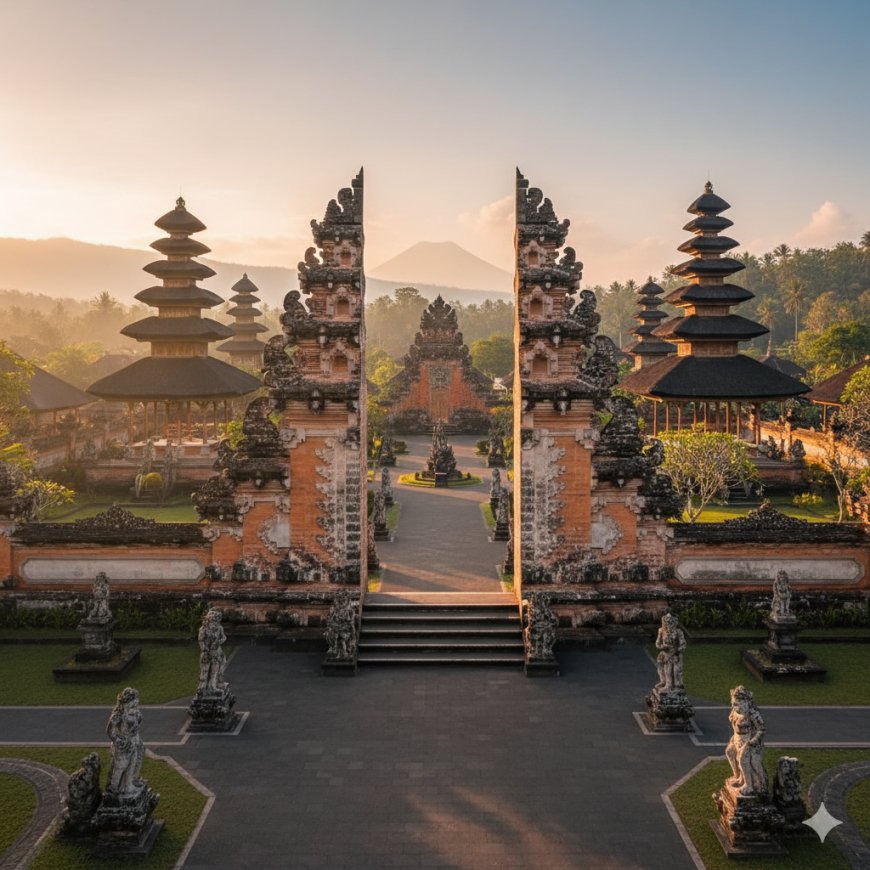
AI-generated illustration Ancient Balinese Palace (Source: Personal Collection).
This meant that important decisions—such as taxation, war, appointments of officials, and even capital punishment—could not be determined by the king alone. Deliberation was required. This demonstrates that from early on, Ancient Bali recognized a form of checks and balances, albeit in the unique context of a Hindu-Buddhist monarchy.
Puzzling Political Terms
Balinese inscriptions also hold riddles. The term saikarājya, for instance, is often translated as “single kingdom.” But is that truly the case? It might simply mean “one kingdom,” without implying full centralization. Similarly, saptanagara is often interpreted as “seven capitals,” though inscriptional evidence does not always support this reading.
Such debates are not merely about semantics. Interpretations of these terms determine how we understand Ancient Bali: was it truly a centralized kingdom, or rather a network of important cities standing side by side?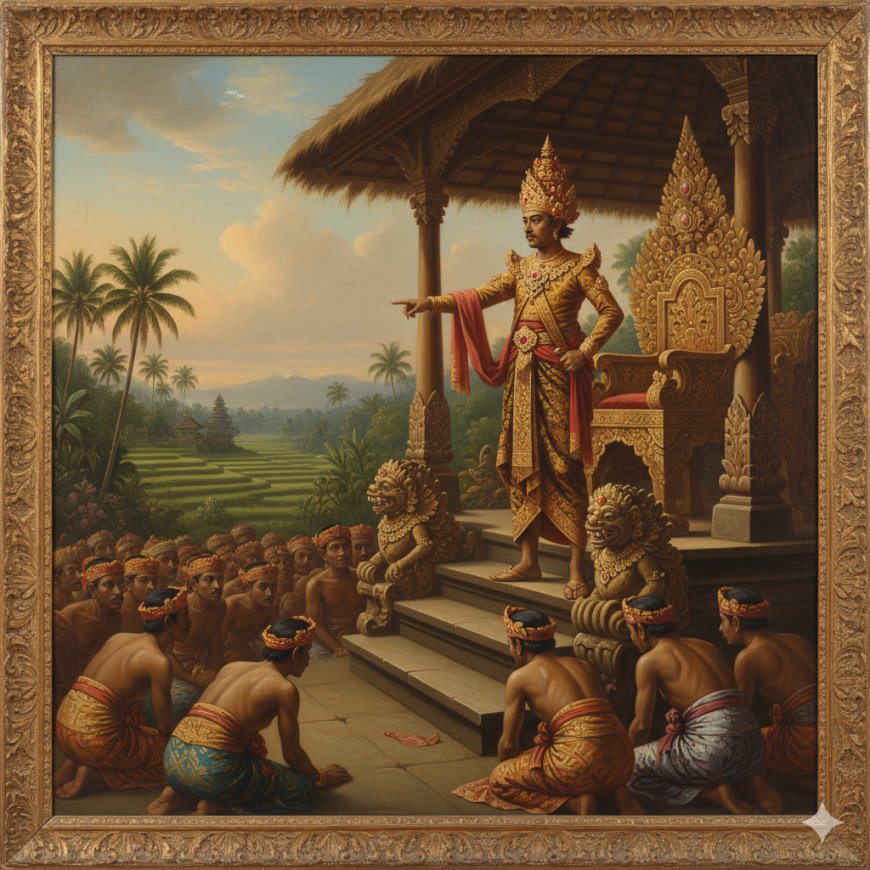
AI-generated illustration Balinese King with his followers (Source: Personal Collection).
The Bali Aga Villages and the Ulu Apad System
Beyond the palace, the highland communities known as the Bali Aga had their own way of governing. Their system was called Ulu Apad, literally meaning “steps toward the head.” Leadership in this system operated on a principle of succession: each person advanced through ranks gradually, based on age, marital status, or the retirement of a predecessor.

AI-generated illustration The Life of the Ancient Balinese Community in the Village (Source: Personal Collection).
There was no room for personal ambition to leap to the top. Everyone had to wait their turn. This model led scholars to describe Bali Aga villages as “village republics” (Dorpsrepubliek), since they were autonomous, democratic, and upheld their own customary laws.
From Majapahit to Dutch Colonial Rule
The year 1343 marked a turning point. Bali was conquered by Majapahit, and from then on, Balinese kings no longer stood entirely on their own. Majapahit envoys were stationed in Bali Aga villages, signifying the arrival of Javanese cultural and political hegemony. Many Bali Aga communities resisted this interference by retreating further into the mountains to safeguard ancestral traditions.
Centuries later, the Dutch arrived with their colonial system. Kings were retained, but only as symbolic figures. Above them stood a controleur (colonial administrator), who reported to the resident and ultimately the Governor-General. From this point, Bali’s bureaucracy entered a new phase: a blend of traditional royal governance and modern colonial administration.
Traditional Balinese Governance and Customary Law
Despite upheavals, Balinese traditional governance endured with its distinct character. Its structure included:
- The King (Dalem/Dewa Agung) – political and religious leader.
- Arya and Bendesa – nobles and customary leaders who bridged the people with the kingdom.
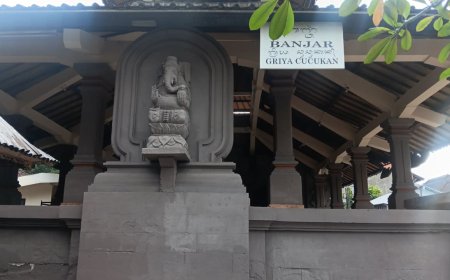
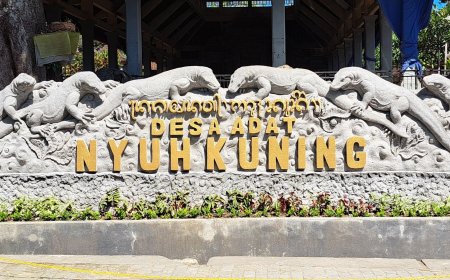
- Banjar and Desa Adat – social communities as well as local governance institutions.
- Awig-awig – customary laws preserving harmony in daily life.
All of this was grounded in the concept of Tri Hita Karana—the balance of human relationships with God, with one another, and with nature.
Legacy of Administration and the Spirit of Collectivism
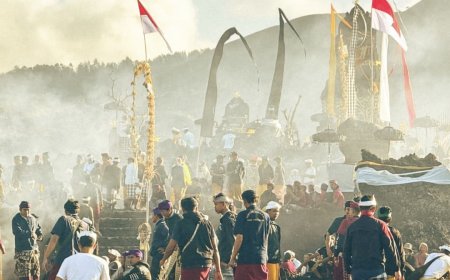
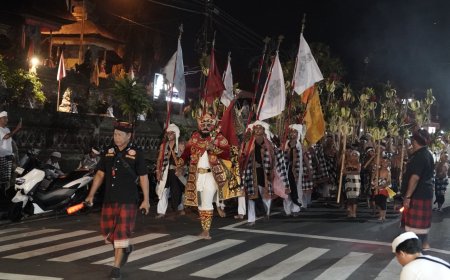
The ancient Balinese bureaucracy did not only leave behind a structure of government but also a legacy of values that can still be felt today. The spirit of togetherness and consensus that once thrived in the royal courts has now taken deep root within the banjar and traditional villages. Every important decision is made through paruman, or communal meetings, reflecting how the Balinese people maintain social harmony through dialogue and mutual agreement. This is what makes Balinese society so solid not because of power, but because of a shared sense of responsibility.
The Role of Religion in Governance
Continuity of Values into the Present Day