

















Kincang-Kincung: When Gratitude Concludes the Ceremony in Sacred Movement
Kincang-Kincung is a sacred Balinese Hindu tradition performed as the closing ritual of a ceremony, symbolizing gratitude, devotion, and the restoration of harmony between humans, nature, and the Divine. Through simple yet meaningful movements, it expresses spiritual sincerity rather than performance. More than a ritual act, Kincang-Kincung embodies togetherness, cultural identity, and spiritual balance, making it an essential cultural heritage that must be preserved for future generations.

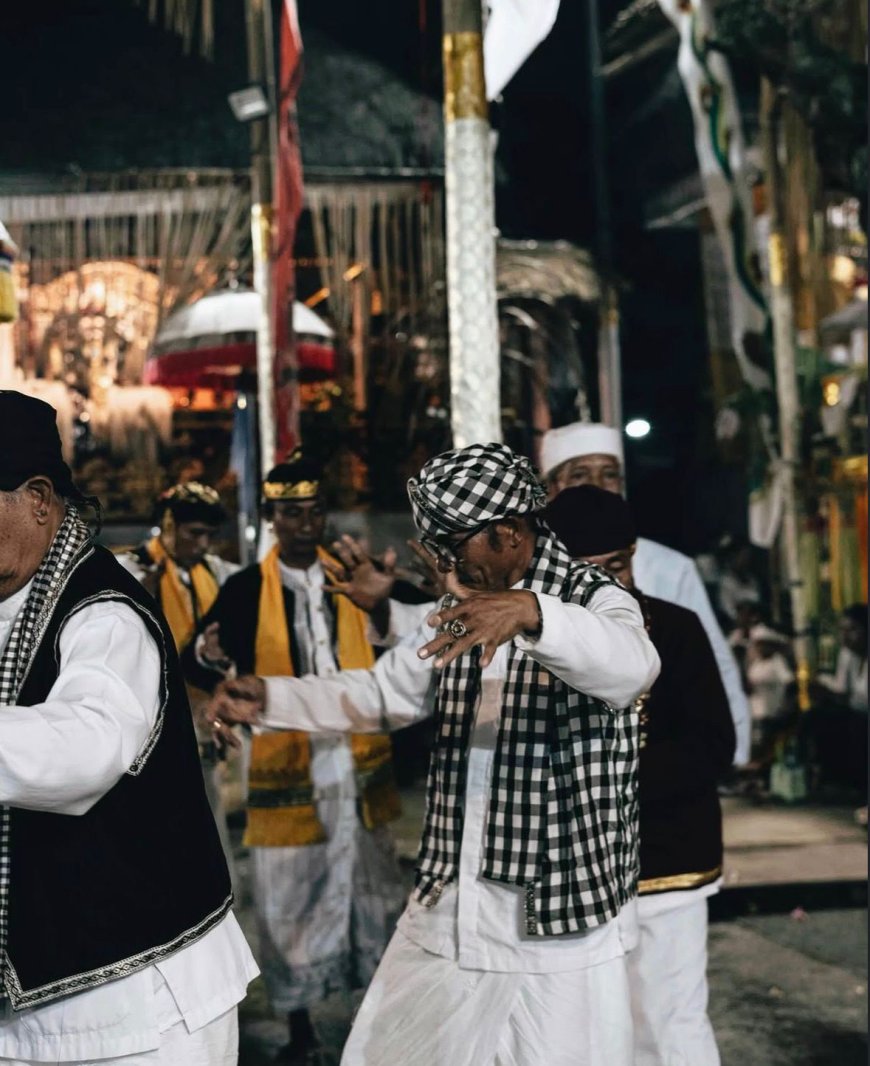
Kincang-Kincung is one of the sacred traditions within the series of Hindu religious ceremonies in Bali, carrying deep meaning as the closing ritual of the ceremony. This tradition is not merely a display of dance movements, but an expression of gratitude for the smooth completion of the ceremony and a symbol of penyineban—the formal closing of the ritual sequence. Through this tradition, devotees convey thankfulness and surrender to Ida Sang Hyang Widhi Wasa for the blessings and harmony granted throughout the ceremony.
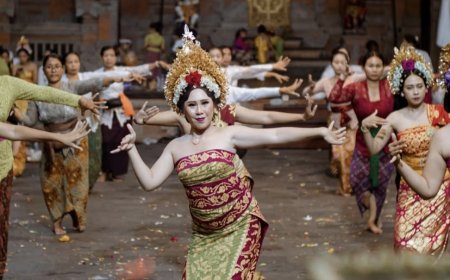
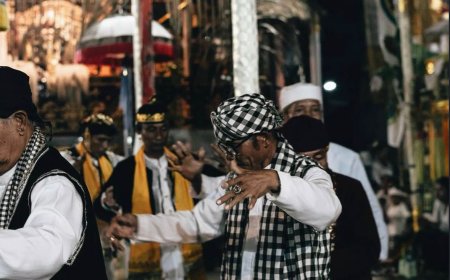
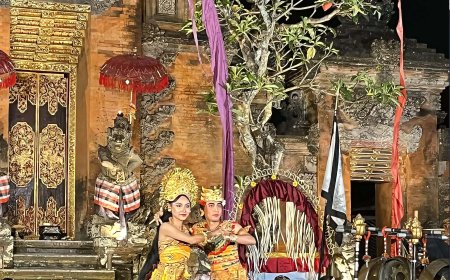
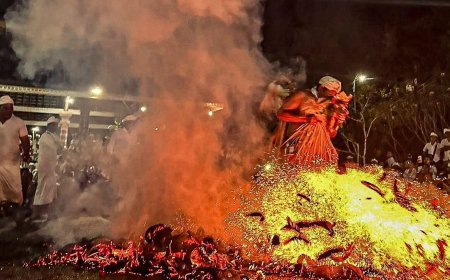
In its performance, Kincang-Kincung is presented through simple yet meaningful movements. Each gesture reflects sincerity, togetherness, and devotion to Ida Sang Hyang Widhi Wasa and His manifestations. This simplicity emphasizes the sacred essence of the tradition, where spiritual meaning and devotional values are prioritized over mere aesthetic or performative elements.
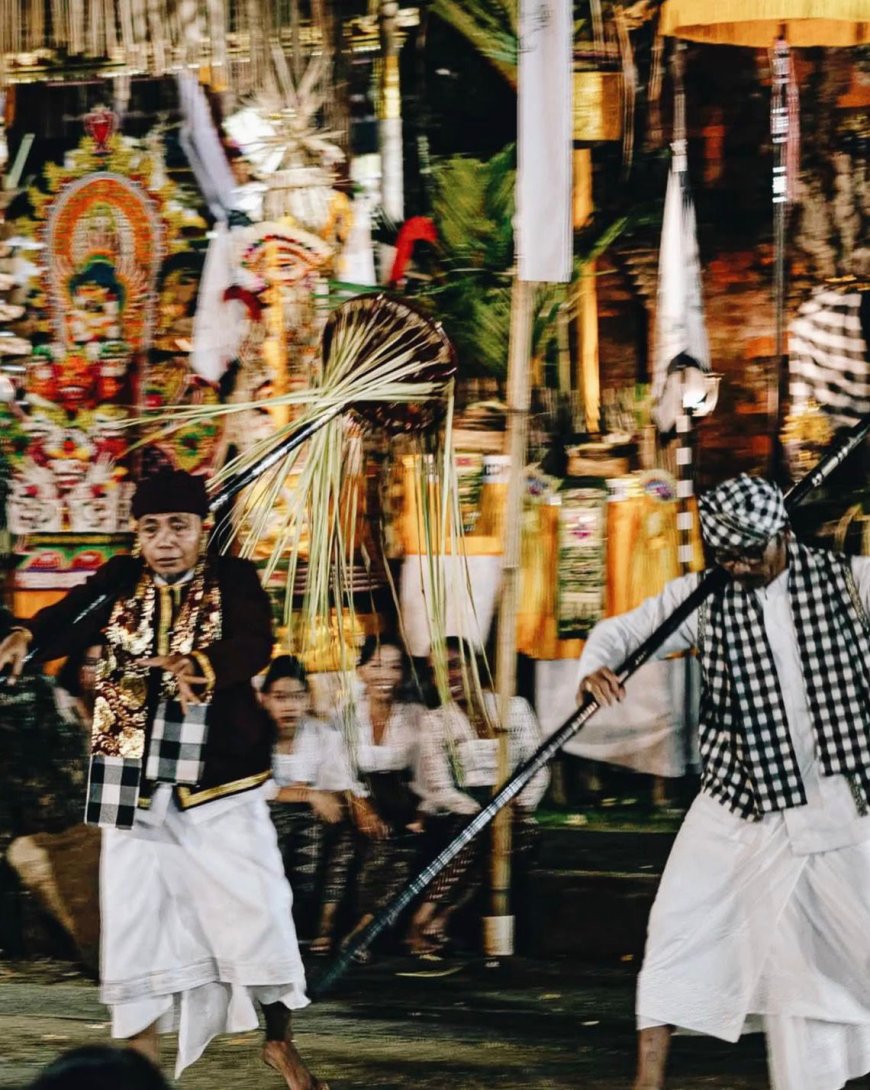
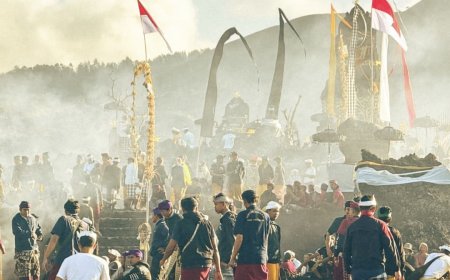
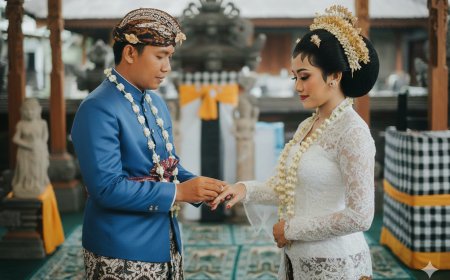
Dancing with a Sincere Heart (Source: Personal Collection)
The Kincang-Kincung tradition is usually performed at the final stage of the ceremony, after all main ritual processes have been completed. Its presence marks the peak of offerings and signals the transition into a moment of gratitude and spiritual relief. In this context, Kincang-Kincung serves as a medium for the final prayer, symbolizing the restoration of harmony between humans, nature, and the Divine after the sacred rites.
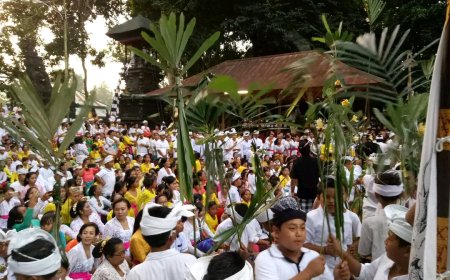
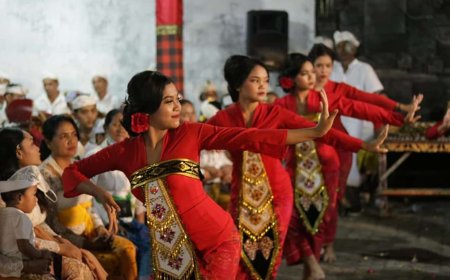
Beyond its religious significance, Kincang-Kincung also carries strong social and cultural values. The tradition strengthens communal bonds as it is performed collectively, regardless of age or social status. Through unified movements, a sense of harmony, solidarity, and mutual cooperation is fostered, reflecting the Balinese life philosophy of togetherness and balance.
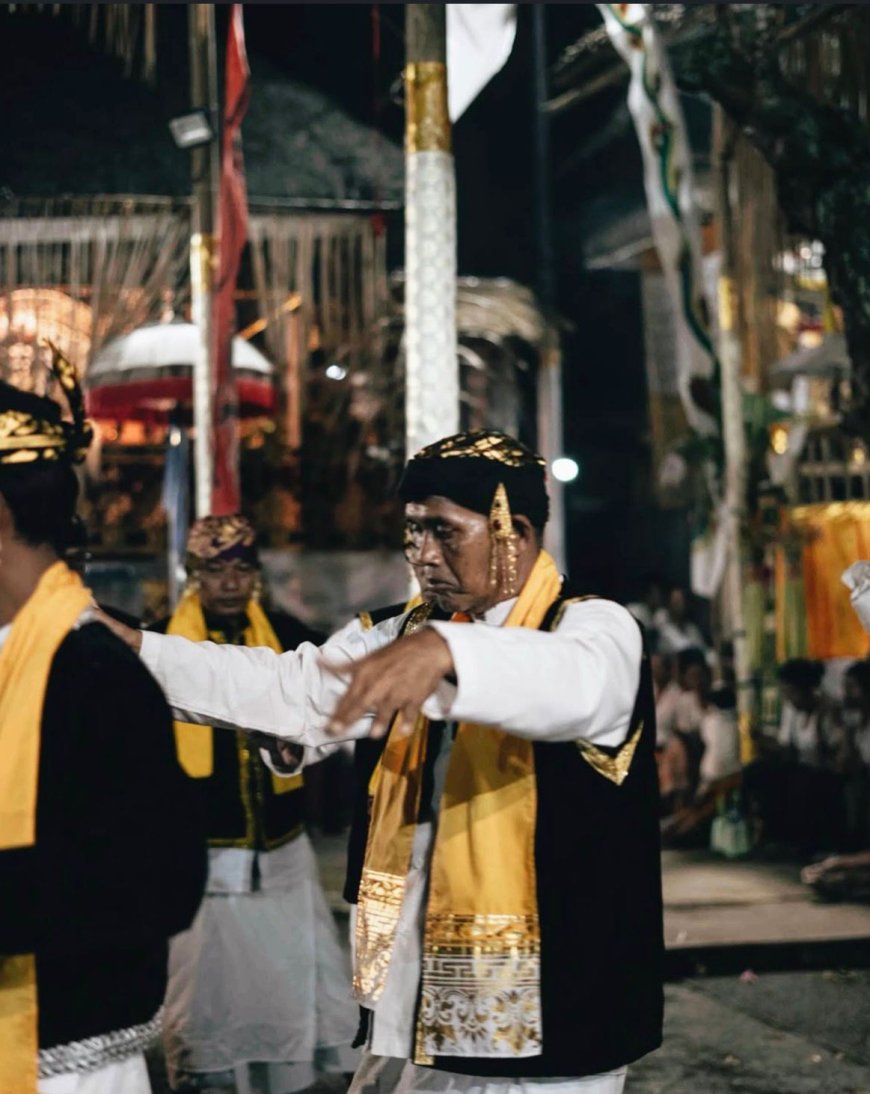
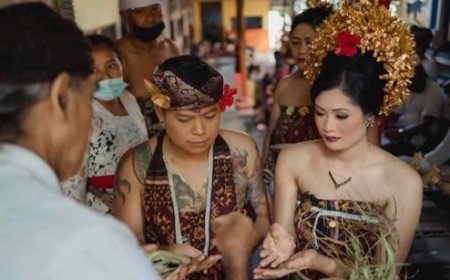
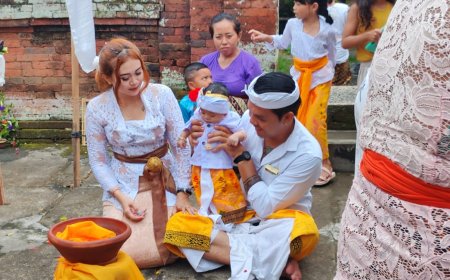
Menari Untuk Rasa Syukur (Sumber : Koleksi Pribadi)
Amid rapid modernization, the existence of Kincang-Kincung must continue to be preserved and safeguarded. It is not only part of a religious ritual but also a cultural heritage that teaches gratitude, simplicity, harmony, and balance in life.
These values guide Balinese society in maintaining equilibrium between the spiritual and social dimensions of life. Without continuous transmission, the tradition risks losing its meaning and gradually fading from the awareness of younger generations who are increasingly influenced by modern culture. Therefore, preservation efforts must include cultural education, active youth involvement, and collective awareness that this sacred tradition is an invaluable cultural identity.
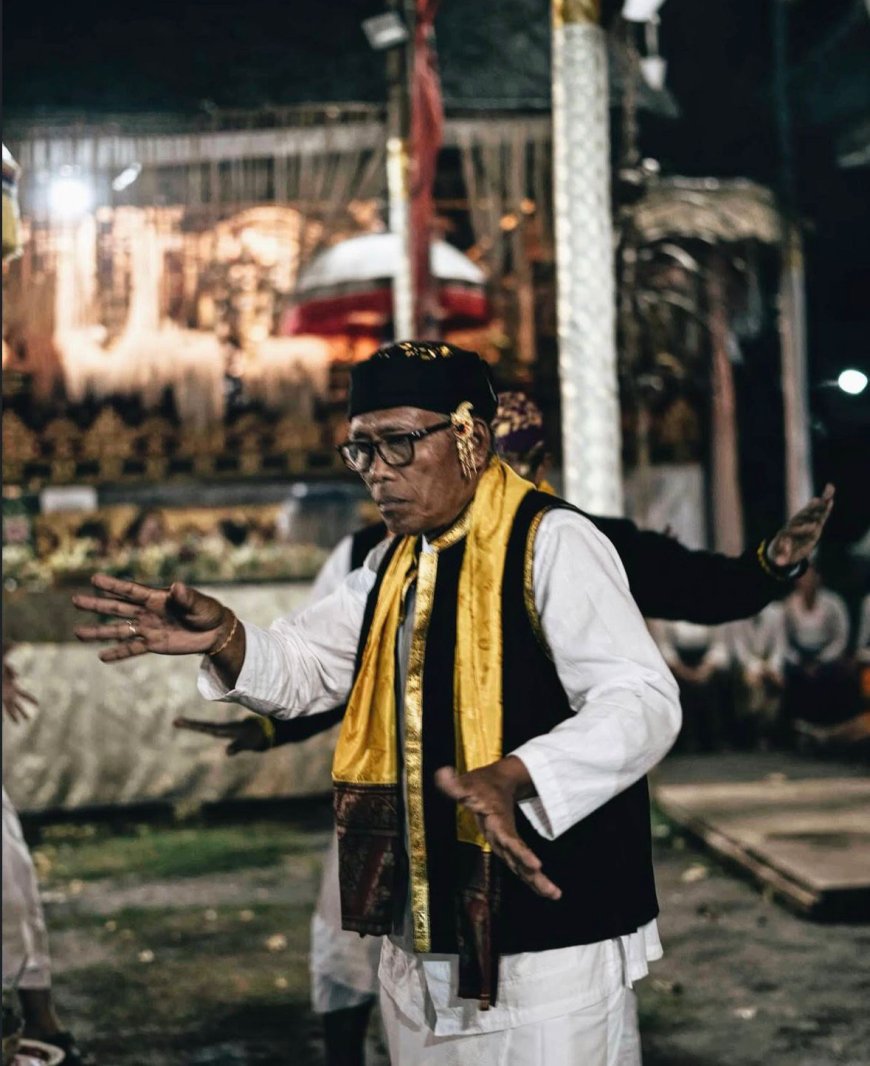
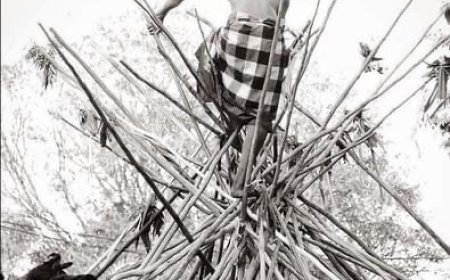
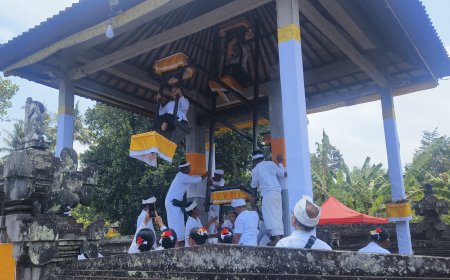
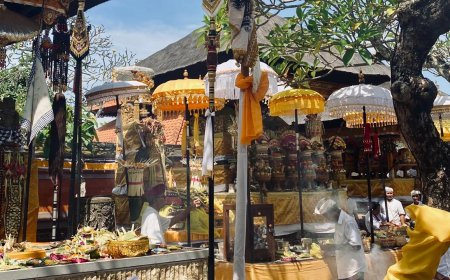
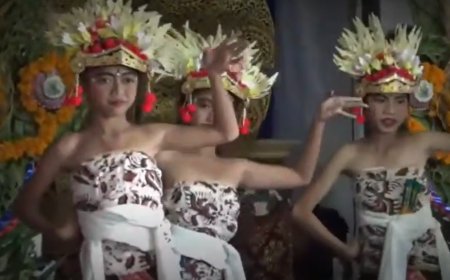
Kincang-Kincung (Source: Personal Collection)
More than that, Kincang-Kincung serves as a reminder that the essence of every ceremony lies not in grandeur or length, but in sincere gratitude and shared spiritual unity. It teaches that the closing of a ceremony is a moment of reflection, when humans reconnect with their harmonious relationship with God, fellow beings, and the universe. As long as these values are understood and practiced, Kincang-Kincung will endure not only as a ritual, but as the living soul of Balinese culture.