

















Lake Buyan: A Hidden Gem, Providing a Quiet Escape in a Serene Natural Landscape
Lake Buyan is one of the twin lakes formed from an ancient caldera in the North Bali area. In addition to its beautiful natural charm and being a favorite location for camping, this lake holds a crucial hydrological and ecological role as part of the Nature Tourism Park. This article explores the geological history, ecological function, and charm of Lake Buyan as a natural heritage of the Island of Gods.

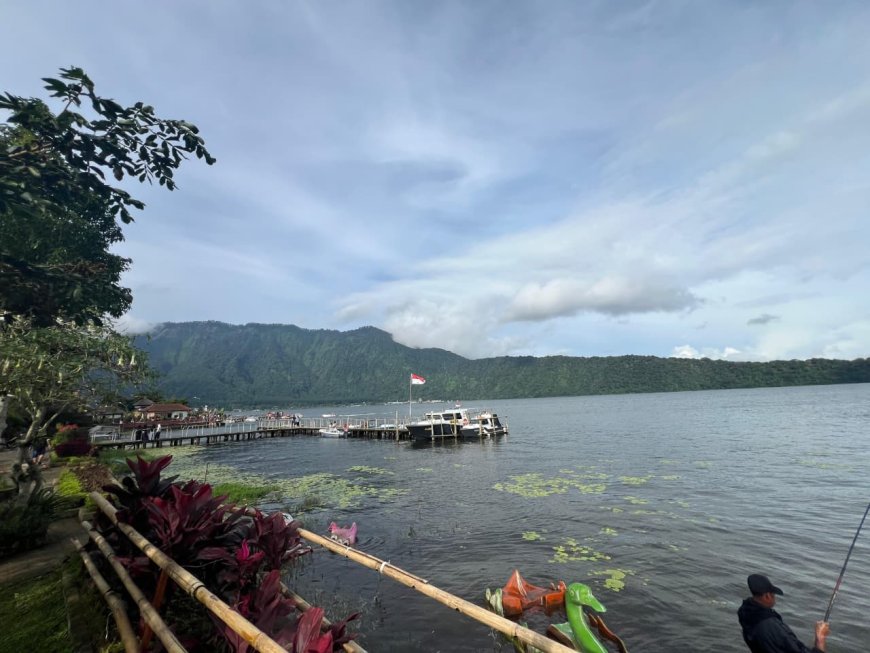
The Story of the Twin Lakes: Born from an Ancient Caldera
The existence of Lake Buyan is inseparable from the ancient volcanic history of Bali. This lake, along with Lake Tamblingan to its west and Lake Beratan to its east, was originally part of a single giant caldera formed by a massive eruption of Mount Lesung thousands of years ago. The eruption left a huge basin that was later filled with rainwater, creating a vast ancient lake.
Over time, geological processes and landslides within the caldera caused the formation of separating hills. One of these hills, which separates the lakes, is known by the local community as Bukit Pemisah or Tukad Melah. Consequently, the large ancient lake split into three smaller ones: Lake Buyan, Lake Tamblingan, and Lake Beratan. Lake Buyan and Tamblingan, due to their close proximity and being separated only by a narrow forest gap, are widely known as the twin lakes.
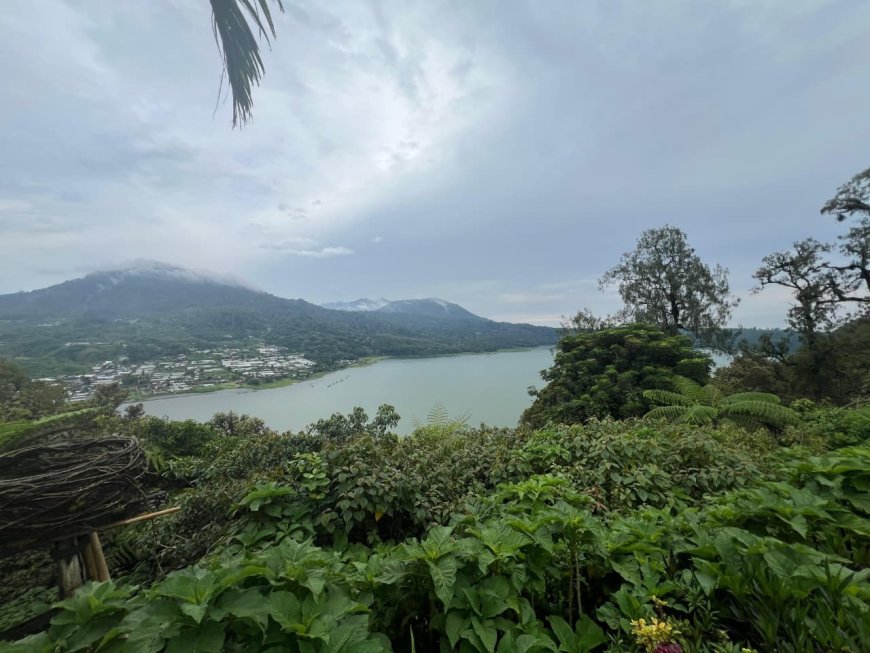
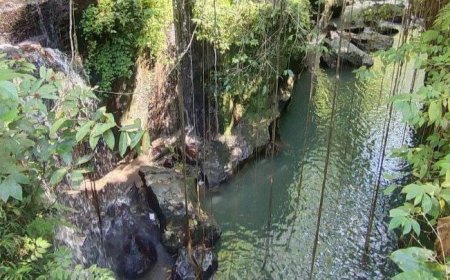
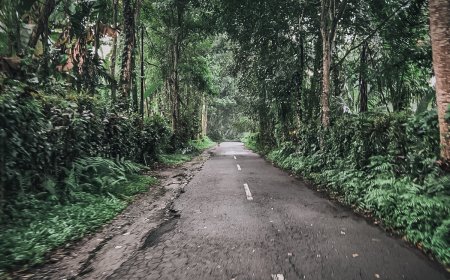
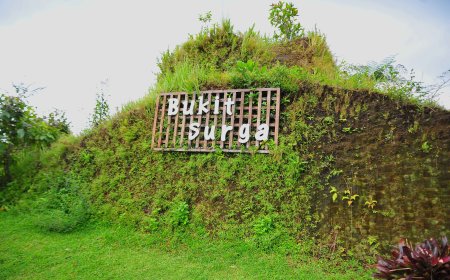
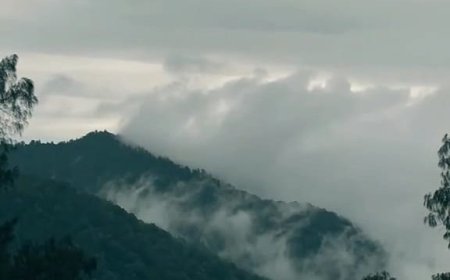
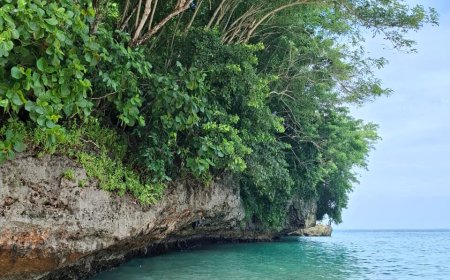
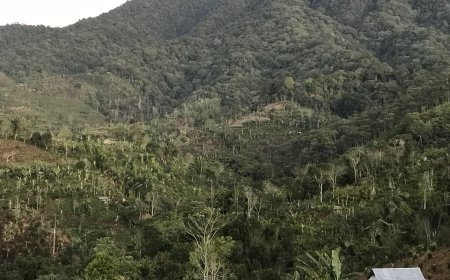
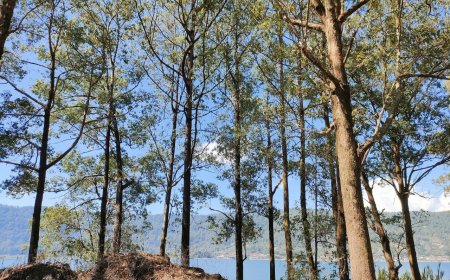
The Lush Green Hills Surrounding Lake Buyan (Source: Personal Collection)
A Strategic Location with a Crucial Ecological Role
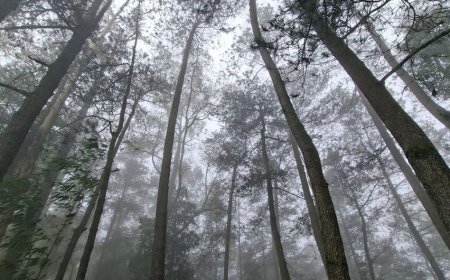
The Provincial Government of Bali has designated the Lake Buyan and Lake Tamblingan areas as a Nature Tourism Park. This status affirms the importance of the area's conservation function. The tropical rainforest surrounding these two lakes is home to rich biodiversity, including various species of birds, monkeys, and endemic vegetation. The existence of this forest is vital as a water catchment area, maintaining the availability of water resources for the regions below it.
Hydrologically, Lake Buyan plays a crucial role in supporting the traditional irrigation system, or subak, in Buleleng Regency and its surroundings. Water from the lake is a source of life for agricultural lands, demonstrating the close relationship between the preservation of the highland nature and the welfare of the agrarian community downstream. Therefore, maintaining the authenticity and cleanliness of the Lake Buyan ecosystem is not just about tourism but also about food and life sustainability.
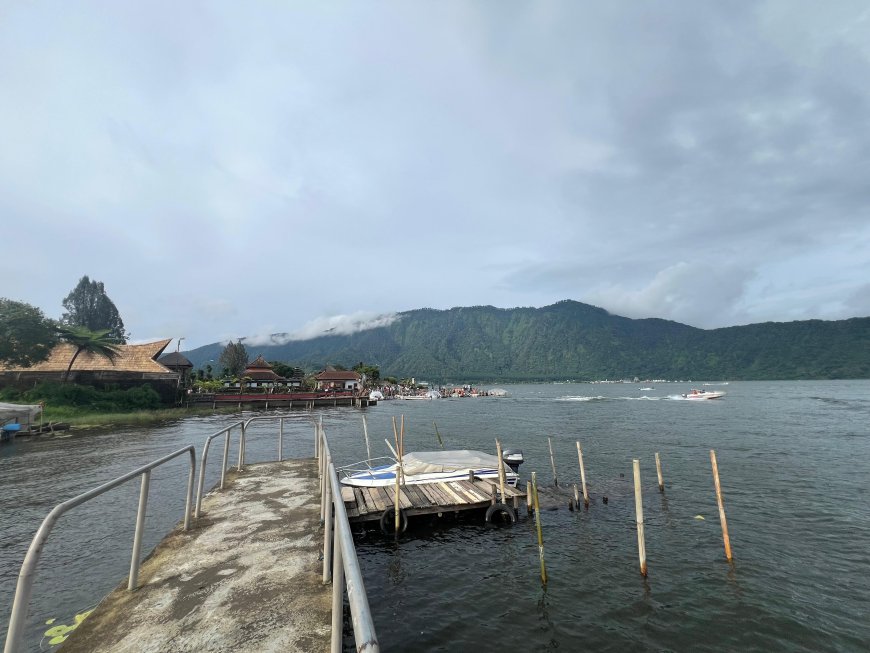
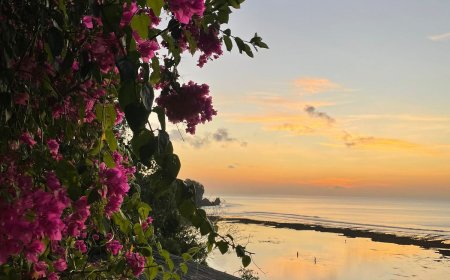
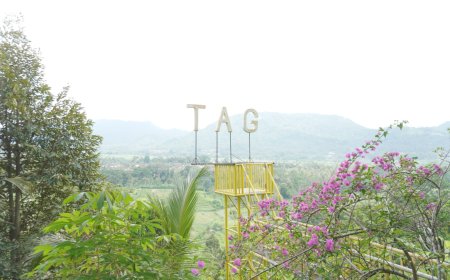
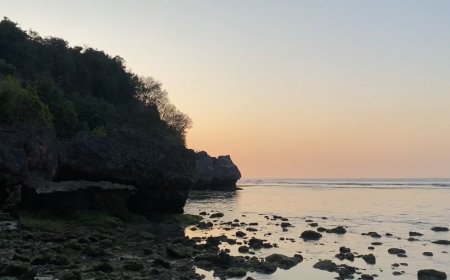
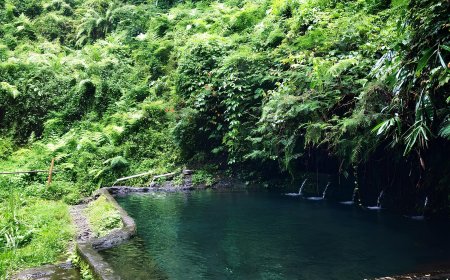
The Serene Pier at Lake Buyan (Source: Personal Collection)
The Charm of a Peaceful Natural Getaway
Unlike other tourist destinations in Bali, Lake Buyan offers a more personal experience that blends with nature. One of the most popular activities here is camping. There are several comfortable camping areas on the lakeside, allowing visitors to spend the night under the stars while enjoying the cool mountain air. The sounds of nature at night and the sight of thin mist sweeping the lake's surface in the morning make for an unforgettable experience.
In addition to being a tourist destination, Lake Buyan plays an important role in maintaining the ecosystem and natural balance of North Bali. This area has been designated as a Nature Tourism Park by the Provincial Government of Bali. The surrounding tropical forest serves as a habitat for wildlife like birds and monkeys, as well as endemic flora. Hydrologically, the water from Lake Buyan supports the subak irrigation system, which sustains agricultural land in Buleleng and its surroundings. Preserving the cleanliness and sustainability of this lake means also preserving food security and community well-being.
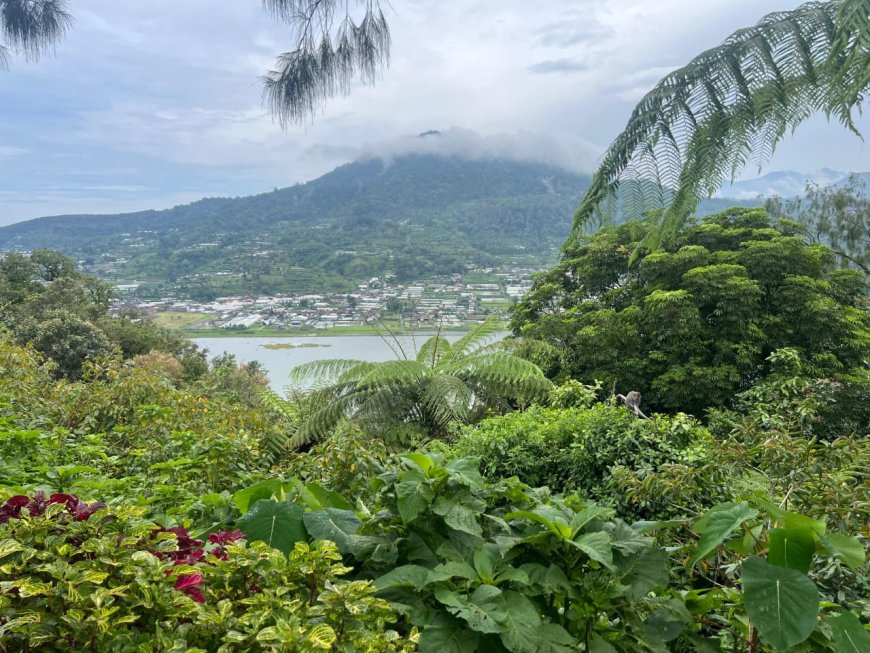
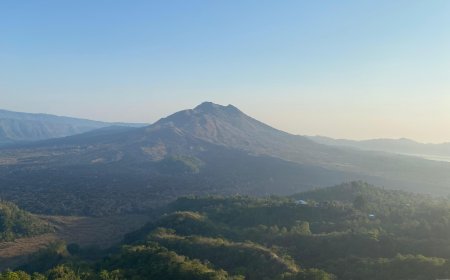
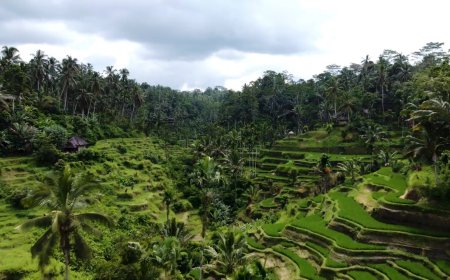
A Breathtaking View of Lake Buyan from the Highlands (Source: Personal Collection)
Lake Buyan is a representation of a different side of Bali: one that is serene, beautiful, and rich with ecological value. Its existence as a watery mirror of an ancient caldera reminds us of the power of nature and the importance of preserving this heritage. For anyone who wants to escape the crowds for a while and find true peace, Lake Buyan is the answer.