









Rarud Batur 1926–2026: A Century of Preserving Ancestral Heritage
In early August 1926, the people of Batur faced one of the most difficult events in their history. Mount Batur, which had shown continuous volcanic activity for several years, erupted again with great force. The eruption not only changed the landscape around the mountain but also forced the people of Batur Let Village to leave their homes and ancestral land. This evacuation became known as Rarud Batur.

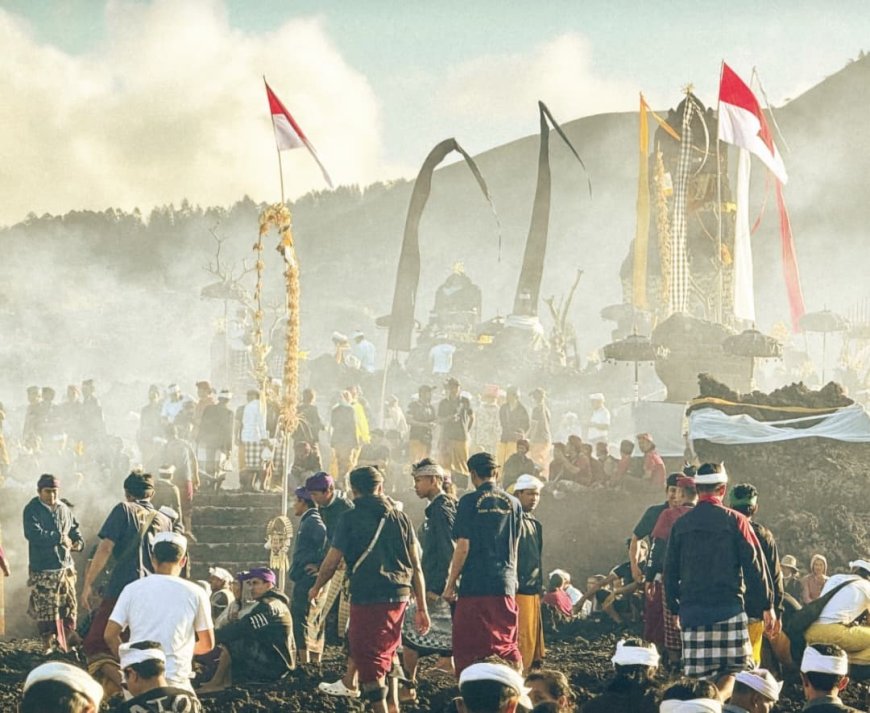
Before the major eruption of 1926, Mount Batur had experienced increasing volcanic activity since 1921. For five consecutive years, eruptions occurred almost every year. The people living around the mountain had therefore become accustomed to seeing signs of volcanic activity. However, the 1926 eruption had a much greater impact than previous eruptions and was even considered more devastating than the 1905 eruption.
The eruption began to show strong signs at midnight on August 2, 1926. Volcanic earthquakes shook the Batur area, and long cracks appeared on the southwestern side of Mount Batur. Glowing lava then emerged from these cracks. The volcanic activity temporarily decreased on August 3 during the day, and the lava even stopped flowing for a while. This condition led the people to believe that the situation was improving and that the eruption would soon come to an end.
However, the situation changed that night. Mount Batur's activity increased again, followed by a major explosion. Glowing lava once again flowed rapidly, with one of the flows moving toward the center of Batur Village. Within a short time, the threat that had previously been around the mountain began to reach the residential area.
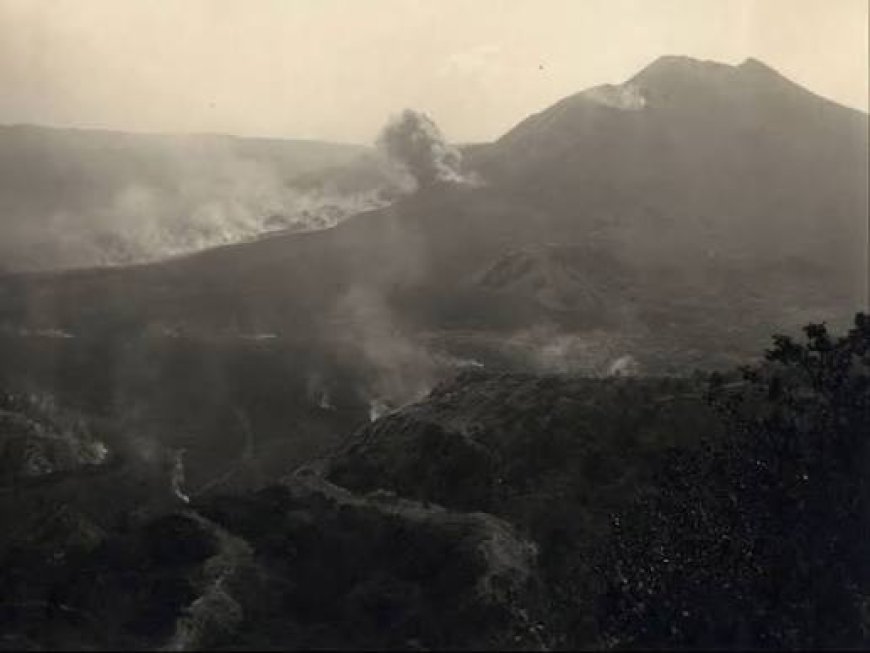
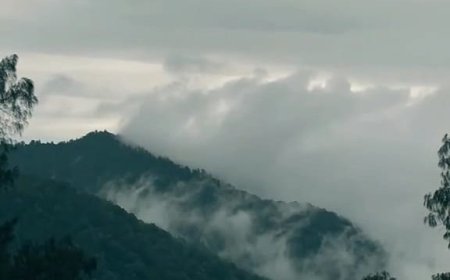
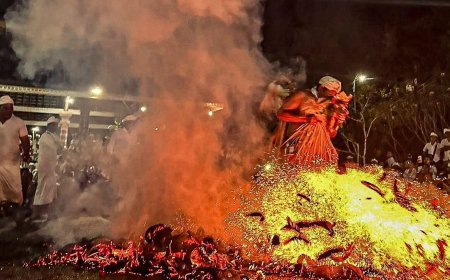
Mount Batur Eruption (Source: Personal Collection)
The situation became increasingly critical when the lava reached the settlement. The Klungkung Controller, J.C.C. Haar, arrived in Batur around midnight after receiving news of the eruption. When he arrived, the lava had already entered the village, and a house in the northern part of the village had been burned. The Assistant Resident of Denpasar, Zieck, subsequently arrived at the site. By the time he arrived, approximately 30 houses had been burned by the lava flow.
Seeing the increasingly dangerous situation, the Dutch East Indies Government immediately took action to evacuate the residents. The people were ordered to leave Batur Village to avoid the advancing lava. However, Rarud was not only about saving the residents. Another important priority was to save the sacred objects and religious heritage kept at Pura Ulun Danu Batur.
The priests and local residents worked to save various objects considered sacred. Sacred statues, heirlooms, religious manuscripts or rajapurana, and even the framework of the jero agung of Pura Ulun Danu Batur were successfully evacuated. The government also deployed additional assistance from soldiers and prisoners to support the rescue operation. These sacred objects were temporarily taken to Bayung Gede Village, which became an important location during the evacuation of the Batur community.
Life did not stop while the people were in exile. Although they had lost their homes, various traditions and religious activities continued to be carried out. An important ceremony such as Ngusaba Kadasa was even held in Bayung Gede Village. This demonstrates that Rarud did not sever the Batur community's connection with the traditions and beliefs inherited from their ancestors.
Meanwhile, Batur Let Village was devastated by the lava flow. The settlement, which had been a place where the community had built its life for many years, was buried beneath volcanic material. Losing their ancestral village was not a simple matter for the people of Batur. The village was not merely a place to live but was also closely connected to their social, cultural, and religious life.
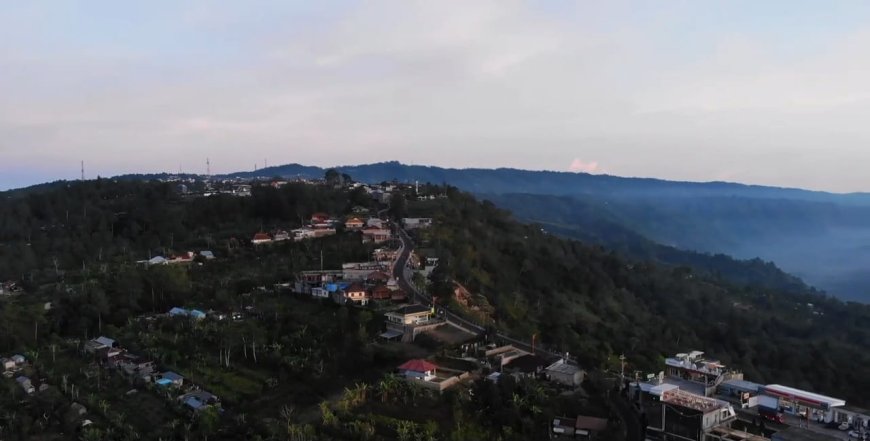
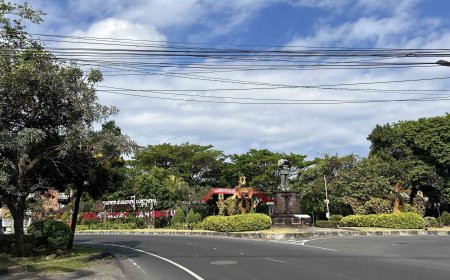
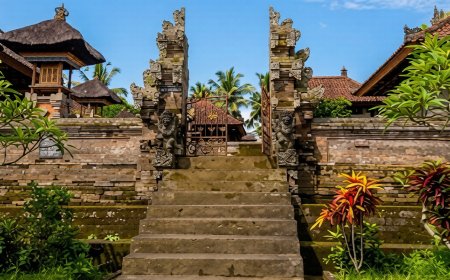
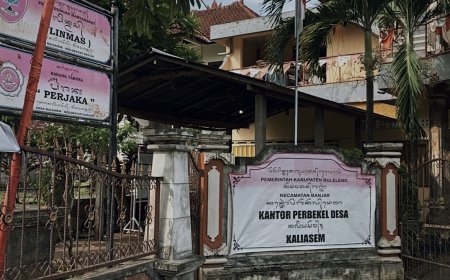
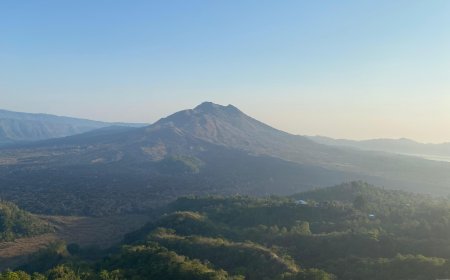
Batur Village or Kalanganyar Today (Source: Personal Collection)
The Dutch East Indies Government then offered Kalanganyar, an area east of Kintamani Village, as a new settlement. The relocation plan had already been reported shortly after the eruption. However, the people of Batur did not immediately accept the proposal. Some still wished to return to their old village because of their strong connection to their ancestral land and the sacred area where they had previously lived.
After going through a period of displacement, the people of Batur were officially relocated to Kalanganyar in 1928. In their new settlement, those who had been scattered during the evacuation came together again to rebuild their lives. Each family was given a new plot of land, and the community worked together to rebuild the settlement and the facilities they needed.
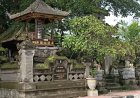
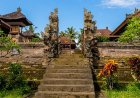
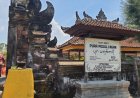
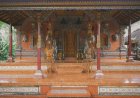
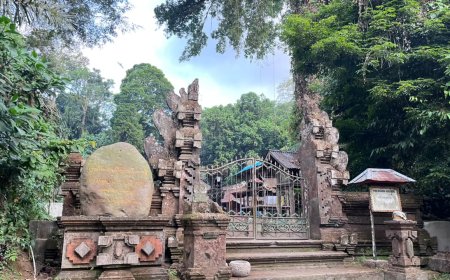
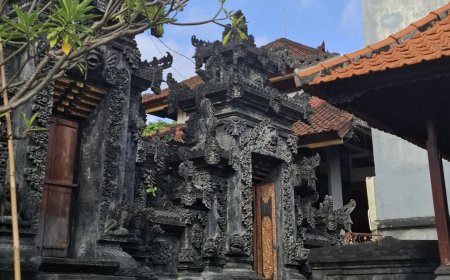
The rebuilding process also included Pura Ulun Danu Batur. The structure of the new temple was adapted to the layout of the former temple at the foot of Mount Batur. The temple was completed in 1935 and inaugurated through a series of religious ceremonies in April of the same year. The rebuilding of the temple became an important part of the Batur community's efforts to preserve its identity and ancestral heritage after the Rarud.
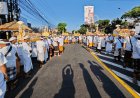
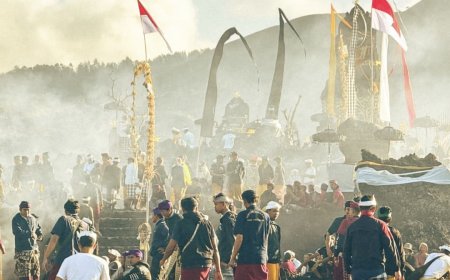
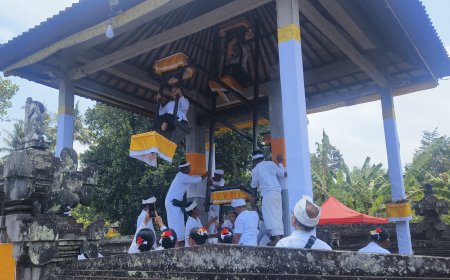
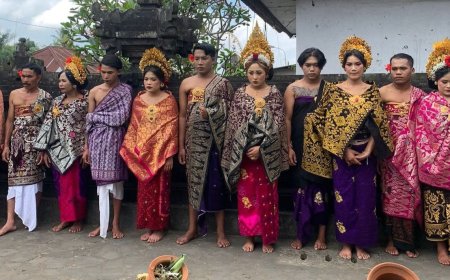
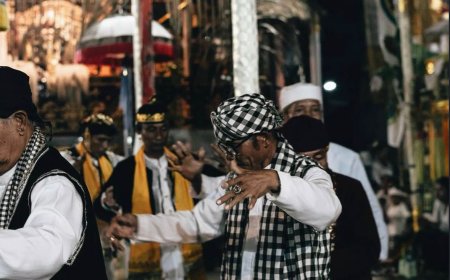
One hundred years after the event, the history of Rarud Batur was commemorated through the 100th Anniversary of Rarud Batur Heritage Walk on August 3, 2026. The event served as a moment to remember the journey of the Batur community from their old village to their new home.
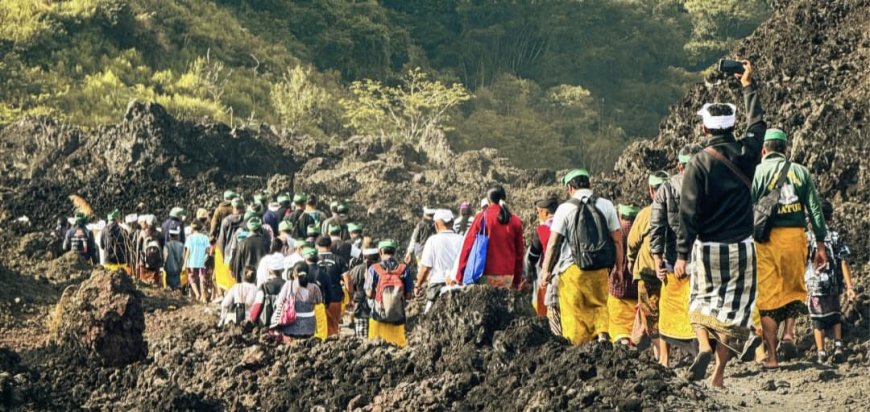
100-Year Rarud Batur Historical Trail (Source: Personal Collection)
The heritage walk began at 8:00 a.m. WITA from Purwa Mandala (Zero Point) of Ancient Batur Village, or Batur Let, located in the area of the former Meru Tumpang Solas or old Pura Ulun Danu Batur, southwest of Mount Batur. From this starting point, participants followed a route through Bayung Gede Traditional Village, across the Bukit Payang area, and finally arrived at Pura Ulun Danu Batur.
The route holds its own significance because it connects several places associated with the journey of the Batur community. The starting point recalls the village that once served as the center of community life before being buried by the eruption. Bayung Gede recalls the period of evacuation and the temporary location where sacred objects were saved. Meanwhile, Pura Ulun Danu Batur represents the continuity of the religious life of the Batur community after their relocation.
Therefore, commemorating one hundred years of Rarud Batur is not merely about remembering a natural disaster. Behind the event lies a story of loss, displacement, the preservation of heritage, and the struggle to rebuild a community. The people of Batur demonstrated that moving to a new place does not necessarily mean losing their identity.
One hundred years of Rarud Batur reminds us that ancestral heritage is preserved not only through buildings and sacred heirlooms, but also through memories, traditions, and the spirit of the community that continues to protect them. From Batur Let to their new settlement, this journey has become an important part of Batur's history, one that deserves to be remembered and passed on to future generations.
Ariana, I K. Eriadi, dkk. Seabad Relokasi Batur. Mahima dan Lingkar Studi Batur.