







Serokadan Traditional Village: The Mystery Behind the Disappearance of the Hyang Putih and Sadungan Identities
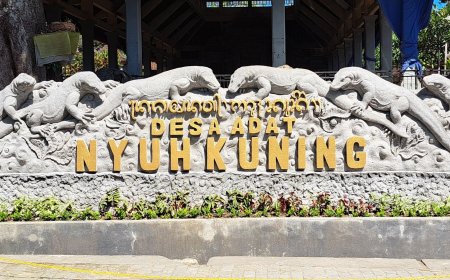
Serokadan Traditional Village in Bangli Regency holds both beautiful nature and magical historical puzzles. Behind its tranquility, this village once held a highly privileged status in the era of the Ancient Bali Kingdom under the names Hyang Putih and Sadungan, before its true identity was intentionally hidden to protect an ancestral secret.

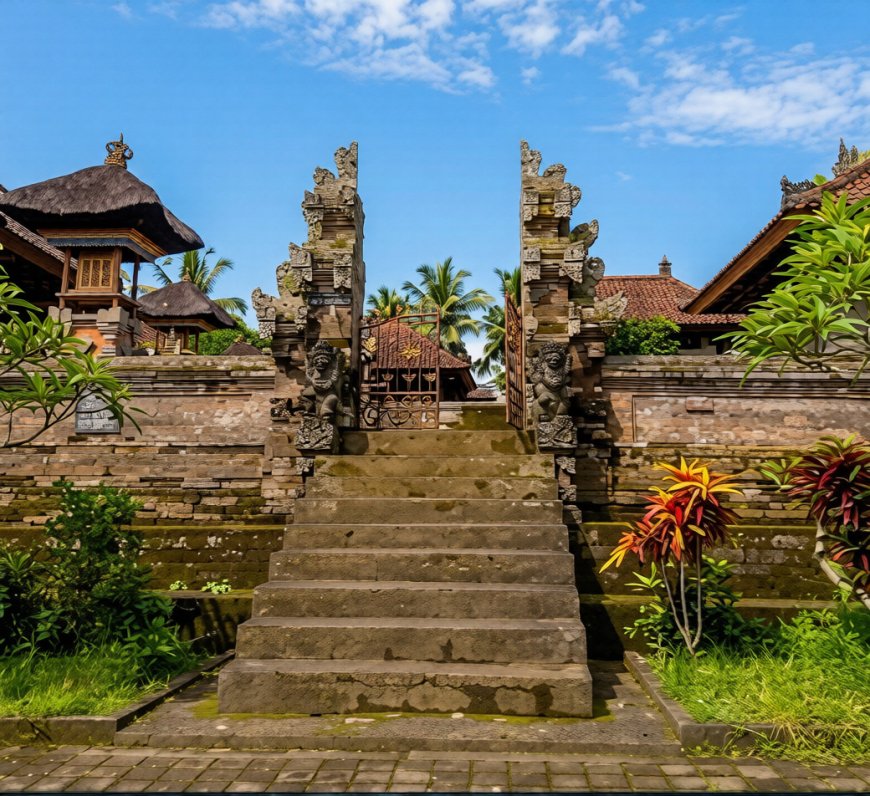
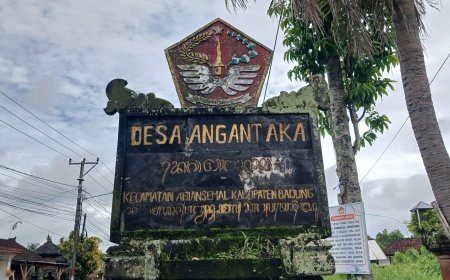
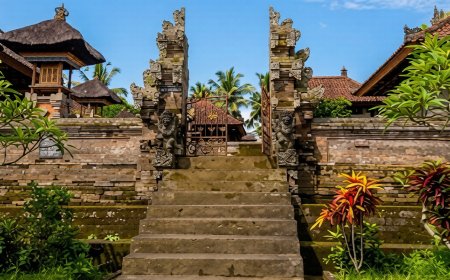
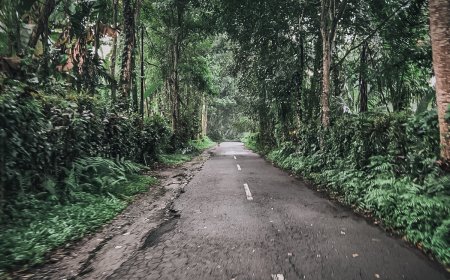
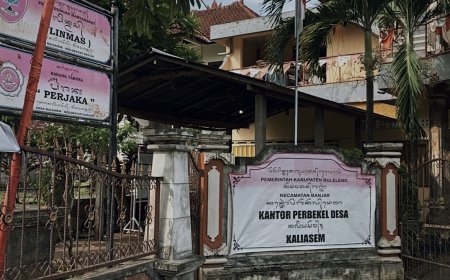
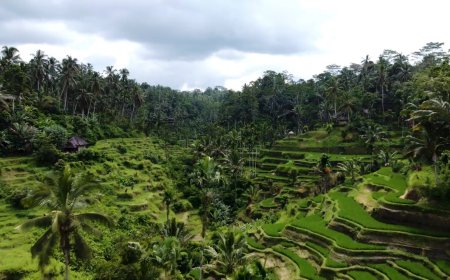
The Island of the Gods, Bali, never runs out of stories about the magic of a civilization passed down through generations by its ancestors. Behind the hustle and bustle of modern development and the glamour of tourism blanketing many areas, there are still many traditional regions that quietly harbor historical puzzles yet to be fully revealed to the surface. One of these awe-inspiring historical fragments is located in Bangli Regency, precisely in the Serokadan Traditional Village. If viewed briefly from the outside, Serokadan Traditional Village looks like traditional Balinese villages in general. This village offers authentic peace, a cool breeze, beautiful natural expanses, as well as a community life that is highly religious and upholds the harmonious values of Tri Hita Karana. However, this charm of tranquility and simplicity turns out to be merely a curtain covering a very long and mysterious page of ancient history.
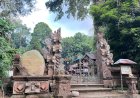
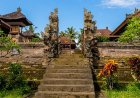
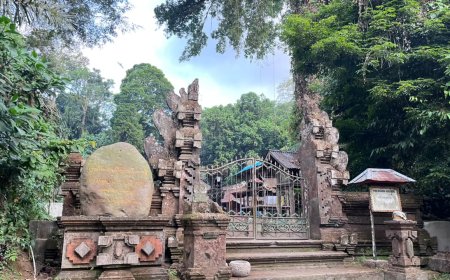
Behind the lushness of old banyan trees and the sturdy panyengker (boundary) walls of the temples surrounding this village, lies a great secret regarding the disappearance of the region's ancient identity. Long before the letters "Serokadan" were known by the wider public as they are today, this sacred area once bore a grand name highly respected by the kings of Ancient Bali. Its original name was Hyang Putih Village, which later in its historical journey briefly changed to Sadungan Village. The question that then arises is, why would a village with such a noble name have to hide its past?
It is told that in ancient times, precisely during the golden era of the Ancient Bali Kingdom civilization, the area now named Serokadan Traditional Village was a region that held a highly "VIP" or privileged status in the eyes of the kingdom. This historical fact is not merely fiction or a bedtime story passed by word of mouth, but is officially and eternally recorded in the copper plate sheets of the Srokadan Inscription dating back to the year 1246 Saka. At that time, the reigning ruler of the kingdom, Paduka Bhatara Guru along with his grandson named Paduka Raja Çri Tarunajaya, paid extraordinary attention to Hyang Putih Village. Considering the importance of the area, the King at that time issued a special decree or mandate addressed to the senapati and high-ranking kingdom officials. This decree granted a very rare privilege seldom obtained by other villages of its time, namely the exemption of all residents of Hyang Putih Village from all kinds of burdensome taxes, such as exemptions from the tikasan and pabangkis taxes.
Furthermore, it is revealed in the inscription sheets how strong and sovereign the position of the residents of Hyang Putih Village was at that time. The king's decree strictly forbade kingdom officials or any envoys from seizing the property or agricultural produce belonging to the local community. The villagers were freely allowed to raise livestock such as ducks without needing to worry about them being forcibly taken by the nayakan jawa or kingdom tax collectors. It didn't stop there; they were also exempted from the matarah bata obligation in the Wijayapura area, and were given full freedom to plant coconut trees and other important crops without limits and without needing to ask permission from the authorities.

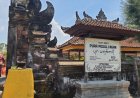
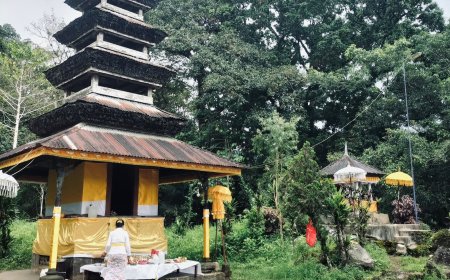
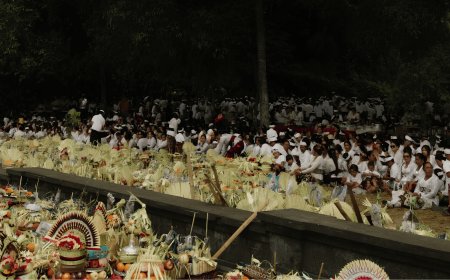
Of course, this extraordinary privilege that made Hyang Putih Village seem like an area immune to kingdom law was not given for free. The King bestowed this absolute freedom because the community of Hyang Putih Village carried an extremely heavy niskala (unseen/magical) responsibility, namely maintaining the sanctity and conducting all forms of religious ceremonies dedicated to Ida Bhatara who resides in the Candrimanik Temple. Guarding Candrimanik Temple was no ordinary task. Every full moon in the Cetra month, the community of Hyang Putih Village bore the spiritual obligation to present very specific ceremonial offerings, ranging from red rice, black rice, chicken, duck, to ripe bananas as a manifestation of their noble devotion to the universe and its creator.
With all the privileges, prosperity, and direct protection from the kingdom's ruler, a puzzle then emerges in the minds of the present generation: why did the great name of Hyang Putih, which was filled with pride, eventually have to vanish from circulation? Tracing oral history implies that as time passed and the dynamics of power changed in the land of Bali, the magical energy and sacredness enveloping Candrimanik Temple and the Hyang Putih area actually provoked particular concern among the traditional elders of that era. Candrimanik Temple is believed to be not just an ordinary place of worship, but to have a very close heritage connection with a great figure of the past, King Sri Aji Kunti Ketana. The high spiritual value and "golden" position held by this village made the ancestors realize that glory often invites threats. To protect the village from the malicious intent of outsiders, the threat of disaster, as well as the turmoil of changing kingdom orders that might arbitrarily target this tax-free area, the elders are believed to have agreed to take a bold step: hiding the noble identity of Hyang Putih and performing a magical camouflage by changing it to the name Sadungan Village.
This strategic move of changing the name to Sadungan Village is believed to be a manifestation of the ancestors' love in maintaining the harmony and peace of its residents. They let the village look ordinary and inconspicuous from the outside, even though the ground they stepped on actually radiated an immense vortex of magical energy. However, the long journey of this village's identity did not stop at the Sadungan crossroads. The magical aura and spiritual bond of the sacred land seemed to continue interacting with the movement of time, demanding an energy adjustment as time revolved. Over the course of centuries, the name Sadungan was also slowly abandoned in line with various spiritual events and social dynamics experienced by the villagers. The name then transformed again into Srokanden. This transformation of identity pronunciation continued to flow following the dialect pronunciation of the local community, social life dynamics, and niskala guidance until it finally crystallized, grounded, and was patented into the name Serokadan Traditional Village as firmly held by its panyungsung (devotees) and community members to this very second.
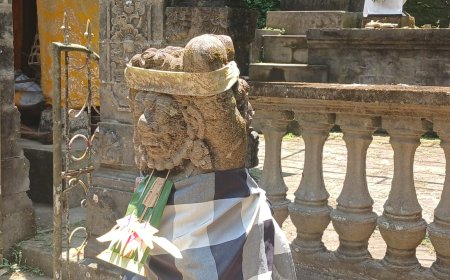
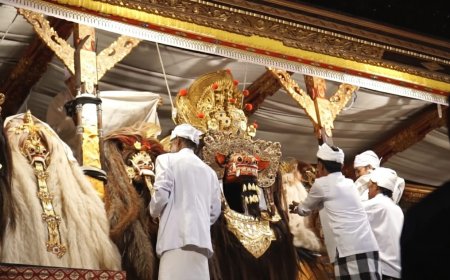
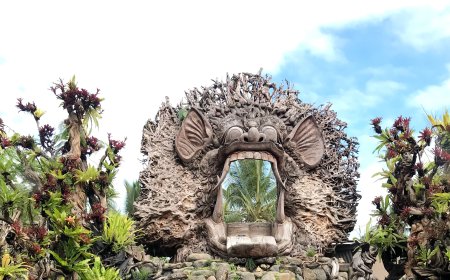
The mystery of the disappearance of the Hyang Putih and Sadungan identities apparently walks hand in hand with a niskala protection system that is highly sanctified and still beats strongly amidst the community of Serokadan Traditional Village. If the evolution of the series of name changes was a form of protective shield from the perspective of historical identity in the past, then the real magical protection in the present is manifested through the existence of the sacred Duwe or Sasuhunan residing in this traditional village. Serokadan Traditional Village has a grand protector in the form of a highly sanctified Tapakan Barong, respectfully known by the residents as Ratu Gede Lingsir. The existence of Ratu Gede Lingsir is not merely an ordinary wooden art carving from the modern era, but is believed to have resided there for centuries, even allegedly reaching thousands of years in age. This incredibly old age makes him a silent witness to the long journey of a village's evolution from the name Hyang Putih to Serokadan. The physical form of this Duwe is very strictly guarded in its sanctity, where its radiating aura is believed to be capable of making anyone who tangkil (pays a visit/prays) feel a chilling spiritual vibration, yet at the same time providing extraordinary inner peace.

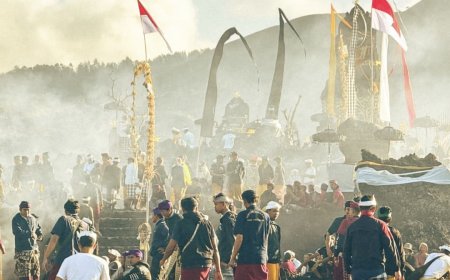
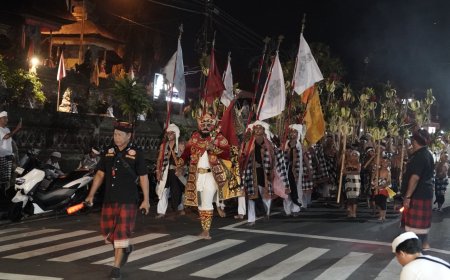
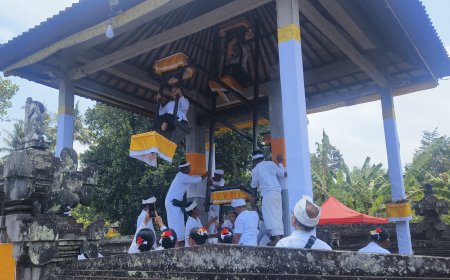
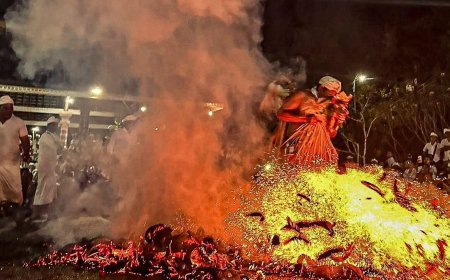
The existence of the Duwe Ratu Gede Lingsir has a very strong common thread with a hereditary tradition that is forbidden to be violated and continues to be preserved with full devotion by the community of Serokadan Traditional Village. This tradition is known as the Ngelawang Agung Tradition. It is told by the village elders that this tradition is not just an art performance event meant to entertain the audience. The Ngelawang Agung Tradition in Serokadan Traditional Village is a highly sacred disaster-repelling ritual. When the village is feeling an uncertain atmosphere, the emergence of bad omens from nature, anxiety mysteriously enveloping the peace of the residents, or when a disease outbreak threatens, the prajuru (traditional village administrators) and the entire community will unite their hearts to seek guidance from Ratu Gede Lingsir.
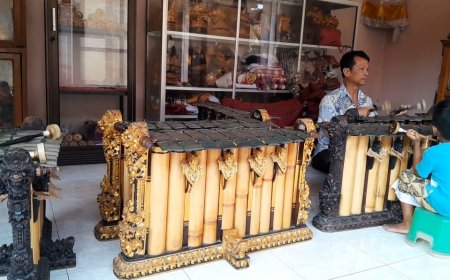
By his magical will, this sacred Tapakan will then tedun (descend) and be paraded with full respect to walk around the boundary of the village territory in the Ngelawang Agung procession. A magical atmosphere will instantly envelop the entire village. The resounding sound of the gamelan accompanying every stomp of the Tapakan's feet on the ground is absolutely believed to be able to disperse, neutralize, and sweep away all forms of negative energy, malicious intent, and seeds of disease trying to destroy the harmony of its residents. When this procession takes place, the residents will feel how the protection from the Ancient Bali Kingdom era is still very real and present in their home yards.
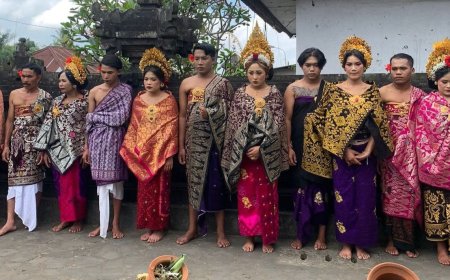
Through the long sequence of historical tracing and the strong determination of the community in preserving this tradition, a noble message can be pondered that Serokadan Traditional Village is a real manifestation of a sacred territory that has never lost its spiritual soul, even though it had to lose its original name. The great names of Hyang Putih and Sadungan may have been buried tight and slowly disappeared from the map of past administrative memory, but its spirit, sanctity, and protective power have never been broken by the erosion of time. The privilege as well as the responsibility of the residents to maintain the sanctity of Candrimanik Temple in the 13th century, which is immortalized in the copper engravings of the Srokadan Inscription, is now continuously kept alive in the form of the devotion of the Serokadan Traditional Village community who never tire of ngayah (serving sincerely) to protect their ancestral heritage. By constantly being sheltered by the magical fortress of Duwe Ratu Gede Lingsir, Serokadan Traditional Village continues to stand tall as a grounded spiritual epicenter. This proves that the glory and eternity of a traditional village do not solely depend on a row of letters in its name, but on the harmony of its residents in firmly keeping the sacred promise outlined since the golden era of the kings.
Budiagtra, Putu. Prasasti Srokadan (Bhatara Guru) Caka 1240. Museum Bali, Direktorat Museum-Dirjen Kebudayaan Departemen P&K.