





Tirta Seganing Temple: A Purification Sanctuary Amidst Gianyar's Rice Fields
Tirta Seganing Temple in Gianyar, Bali, is well-known as a place for purification rituals using holy water believed to cleanse the body and soul. Despite being surrounded by lush nature, the temple is often quiet, with most visitors being locals from Gianyar. The lack of promotion and information has led to the temple being less known, even though it has the potential to become a more popular destination.

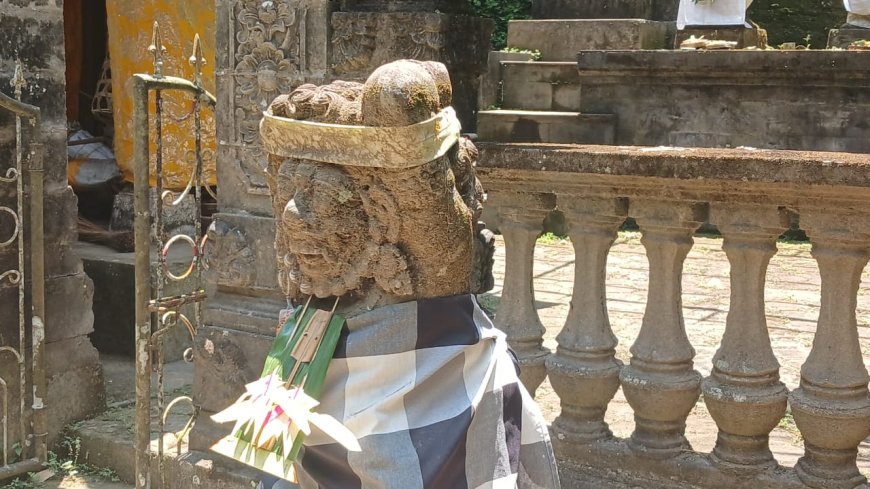
Tirta Seganing Temple is located on Jl. Dharma Giri, Gianyar, approximately 26 km from Denpasar City. This temple is also known as a place for penglukatan rituals, with holy water believed to cleanse oneself. Despite being close to the city's hustle and bustle, the atmosphere around the temple remains peaceful and cool, thanks to the abundance of trees growing nearby. Pura Tirta Seganing is usually visited by Balinese Hindus to conduct religious ceremonies or simply to seek tranquility.
Before performing prayers or the penglukatan ritual at Tirta Seganing Temple, there are several preparations needed to ensure the ritual is carried out properly and according to tradition. Here are the necessary preparations:
-
Personal Cleanliness: Before entering the temple area, it is important to clean yourself by taking a bath. This symbolizes physical purity before undertaking the ritual. If bathing is not possible, at least wash your hands, feet, and face.
-
Modest Clothing: Wear traditional Balinese attire such as kamben, udeng (for men), or a sash for women. Ensure the clothing is clean and not overly striking.
-
Offerings for Worship: Bring offerings such as canang sari, incense sticks, and flowers. If needed, visitors can purchase these offerings around the temple area.
-
Physical Readiness: Ensure your body is in good health. Since certain locations in the temple, like the sacred pancoran, require walking down stairs, having good stamina is highly recommended.
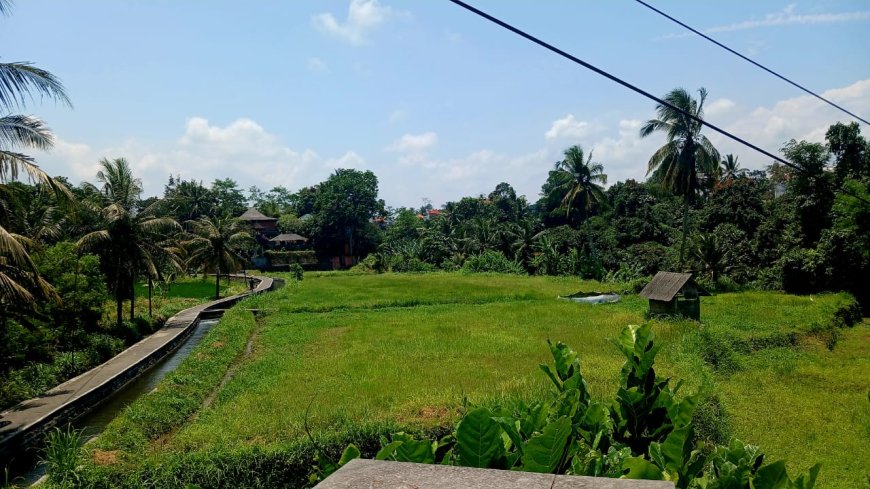
The Stretch of Rice Fields on the Path to Tirta Seganing Temple (Photo Source: Personal Collection)
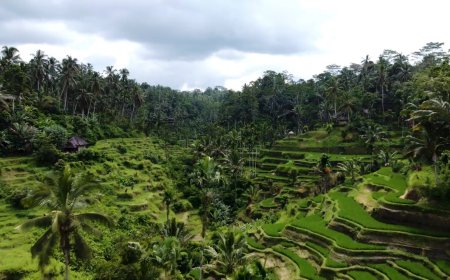
Tirta Seganing Temple does not have a parking area, so visitors need to find parking in the surrounding area before continuing their journey. Afterward, visitors must walk along a narrow path located at the edge of a rice field. Alongside the path, there is a calm river where children can sometimes be seen playing nearby. Visitors will then cross the rice fields to reach the temple. This serene natural scenery provides a sense of tranquility for those visiting.
It is recommended for visitors to come to Tirta Seganing Temple in the morning or evening. During these times, the air feels cooler and more comfortable, allowing visitors to pray with better focus. Visiting during midday, when the temperature is hotter, may make the journey less comfortable, especially when walking along the narrow path by the rice fields.
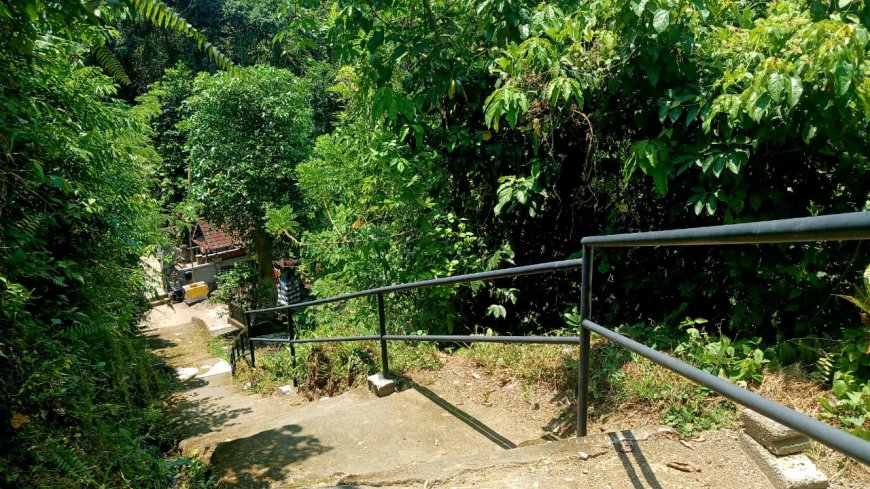
The Stairs Leading to Tirta Seganing Temple (Photo Source: Personal Collection)
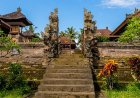
The stairs leading to Tirta Seganing Temple descend to a lower area surrounded by the lush greenery of tropical forests, creating a cooler atmosphere. Each step guides visitors away from the hustle and bustle of the outside world and toward the temple. However, visitors are advised to be extra cautious when using the stairs, especially during the rainy season, as they can become slippery and increase the risk of slipping.
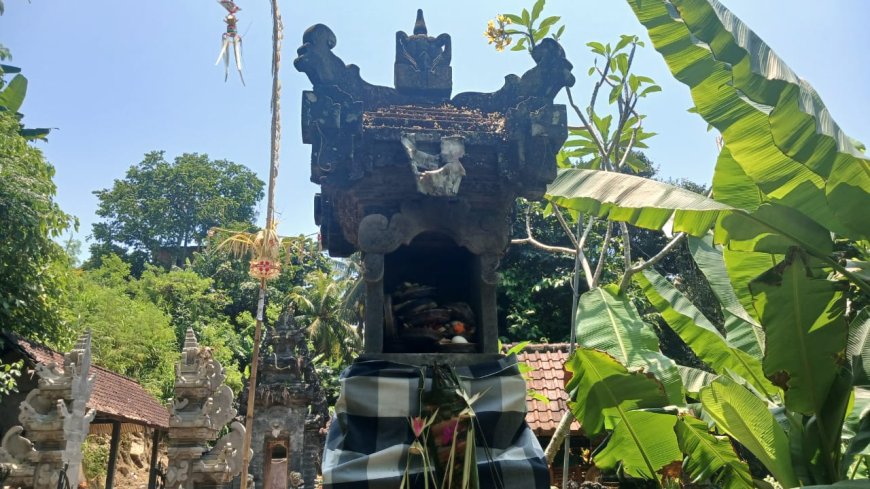
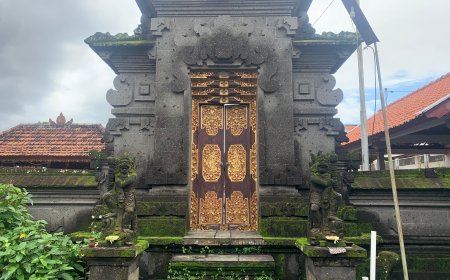
Pelinggih at the Nista Mandala Area (Photo Source: Personal Collection)
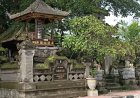
Nista Mandala at Tirta Seganing Temple is the first area encountered before entering the Madya Mandala. In this area, there is a pelinggih, which is a sacred place to honor gods or ancestral spirits. Although Nista Mandala is outside the more sacred areas, the pelinggih here still plays an important role in supporting the spiritual process before continuing to Madya Mandala and Utama Mandala. The atmosphere in Nista Mandala is more open, providing visitors with an opportunity to prepare spiritually before entering the more sacred and tranquil areas.
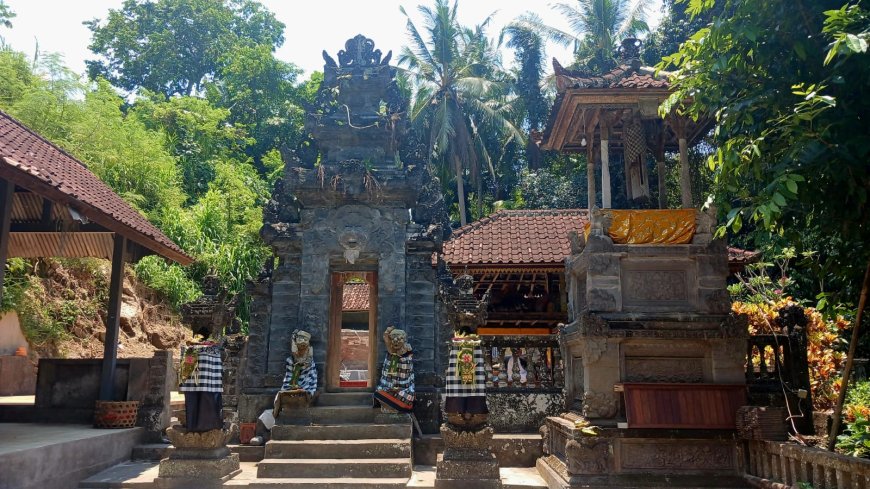
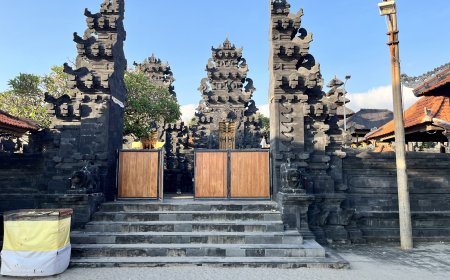
Madya Mandala at Tirta Seganing Temple (Photo Source: Personal Collection)
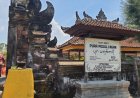
Madya Mandala at Tirta Seganing Temple is located in the central area, serving as a link between Nista Mandala and Utama Mandala. Here, there are important structures such as the Bale Kulkul and Bale Gong, which are often used for religious and social activities.
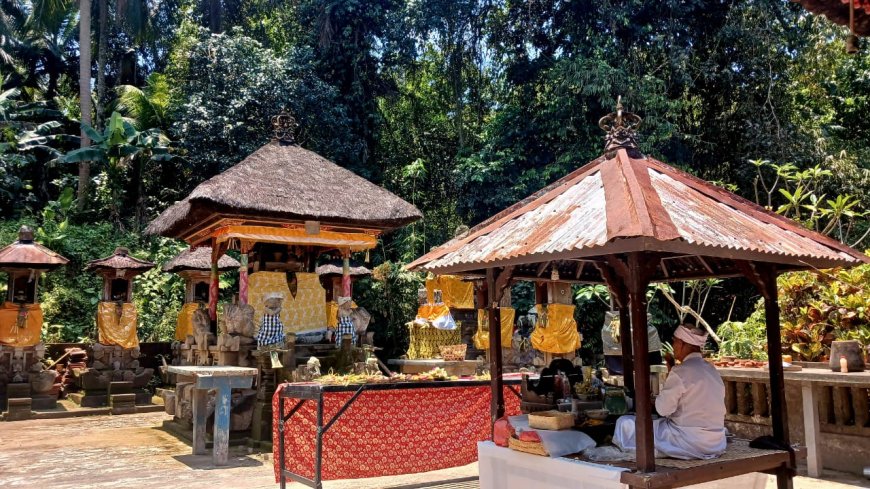
Utama Mandala at Tirta Seganing Temple (Photo Source: Personal Collection)
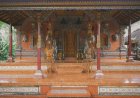
Utama Mandala, or Jeroan, is the holiest area at Tirta Seganing Temple, where worship of the gods is carried out. Visitors entering this area are asked to maintain silence and respect the sanctity of the place. It is strictly prohibited to be noisy or disturb the sacred atmosphere in Utama Mandala, so as not to disrupt ongoing ceremonies or prayers.
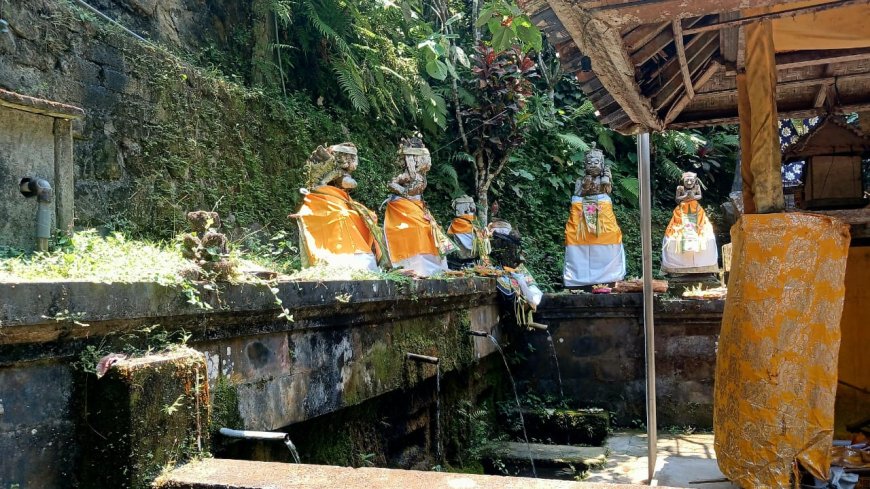
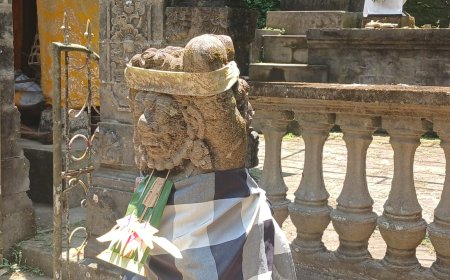
The Sacred Water Fountain at Tirta Seganing Temple (Photo Source: Personal Collection)
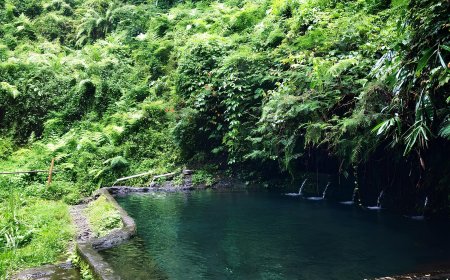
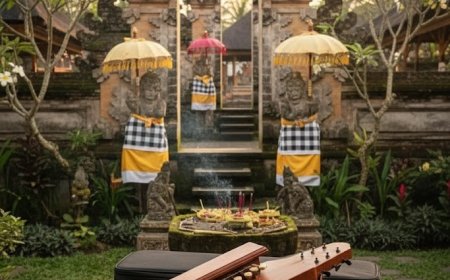
In this area, several statues are neatly lined up, each adorned with yellow and white cloths as symbols of purity. Beneath these statues, there are fountains of holy water flowing from the stone walls, providing a sense of tranquility and freshness to anyone who visits. The location is surrounded by lush green plants, creating a peaceful and harmonious atmosphere with nature. To reach this place, visitors need to walk toward the Nista Mandala area and descend the stairs until they arrive at this sacred fountain. This spot becomes an important point for performing the ritual of penglukatan, a self-purification ceremony in Balinese Hindu tradition.
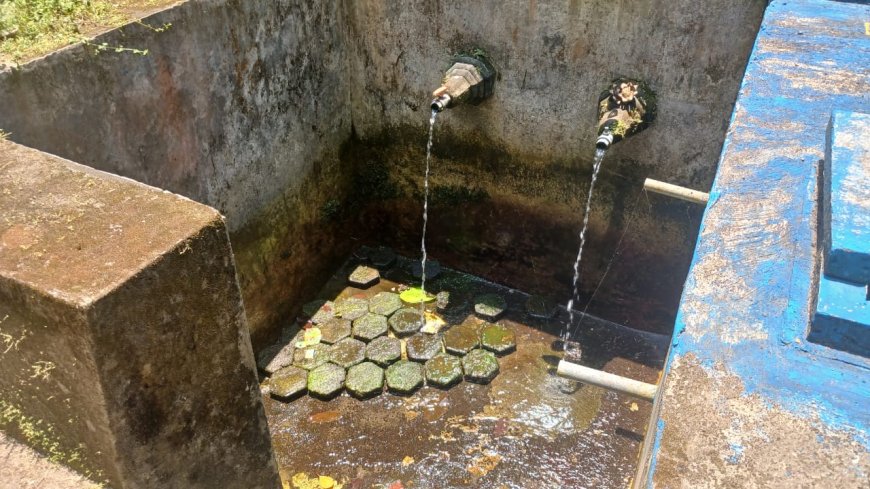
The Sacred Water Fountain at Tirta Seganing Temple (Photo Source: Personal Collection)
The fountain at Tirta Seganing Temple is one of the main places for visitors who wish to perform the penglukatan ritual. Here, holy water flows from the stone walls, and visitors can carry out the ritual by washing themselves with this water. This purification process is believed to cleanse both the body and soul, offering spiritual purification for anyone who practices it.
It is quite unfortunate that Pura Tirta Seganing often remains quiet and under-visited, despite its captivating natural beauty. Visitors to this temple are usually only local residents from the Gianyar area, while Balinese people from other regions rarely visit. Tourists from outside Bali are also hardly ever seen at this temple. This has made the temple less well-known, even though its serene atmosphere and lush natural surroundings make it a potential destination for more visitors. The lack of information and minimal promotion may be one of the reasons why this temple is not as popular as other temples in Bali.