





Understanding Kerambit Lipi in Usadha Bali: Traditional Treatment for Shingles in Tampaksiring
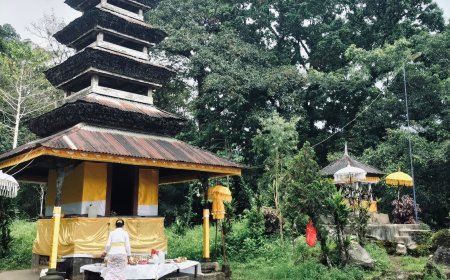
The Balinese people recognize Kerambit Lipi, or shingles, as a skin condition that causes rashes, a burning sensation, and intense pain. Medically known as Herpes Zoster, it is caused by the reactivation of the chickenpox virus. In Tampaksiring, Gianyar, the traditional treatment for Kerambit Lipi is deeply rooted in Usadha Bali and involves a spiritual request (nunas) for healing elements at the Pura Dalem within the Pura Penataran Uluwatu complex in Kelodan Traditional Village. How do science and traditional medicine complement each other in this practice?

Pernahkah Anda mengalami serangkaian ruam merah melepuh disertai rasa sakit yang tajam dan menusuk serta sensasi demam dan menggigil yang bergantian? Di Bali, kondisi ini secara tradisional dikenal sebagai Kerambit Lipi . Istilah lipi , yang berarti ular, bukan tanpa alasan. Ruam melepuh sering muncul dalam pola memanjang atau melengkung, menyerupai jejak ular yang melilit tubuh pasien.
Karena penampilannya tersebut, orang-orang di masa lalu mengembangkan berbagai mitos seputar penyakit ini. Salah satu kepercayaan yang paling populer di Tampaksiring adalah jika ruam Kerambit Lipi sepenuhnya melingkari tubuh dan kedua ujungnya bertemu di perut, pasien bisa meninggal. Namun, dari perspektif kedokteran modern dan pengamatan di lapangan, kepercayaan ini hanyalah mitos yang muncul dari ketakutan masyarakat terdahulu karena kurangnya penjelasan ilmiah pada saat itu. Jadi, apa sebenarnya yang terjadi pada tubuh seseorang yang menderita Kerambit Lipi menurut ilmu kedokteran?
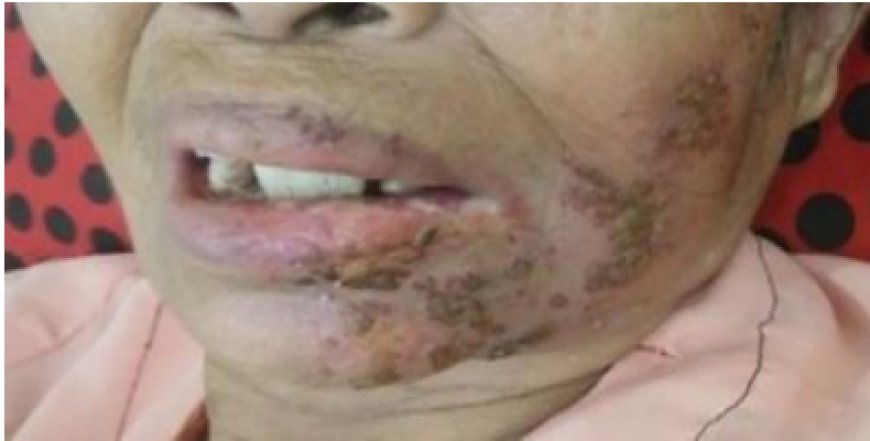
Seorang pasien dengan Kerambit Lipi, atau herpes zoster, di wajah (Sumber: Cut Desy Diana Sari & Wizar Putri Mellaratna / JURRIKE Vol. 2 No. 2, 2023)
Dalam pengobatan modern, Kerambit Lipi atau cacar ular secara resmi dikenal sebagai Herpes Zoster . Menurut literatur kesehatan (Sari, 2023; Nasruddin dkk., 2023), penyakit ini adalah infeksi neurokutaneus yang menyerang sistem saraf dan kulit. Penyakit ini disebabkan oleh reaktivasi Virus Varicella-Zoster (VZV) , patogen yang sama yang menyebabkan cacar air.
Ketika seseorang sembuh dari cacar air, virus VZV sebenarnya tidak sepenuhnya hilang dari tubuh. Sebaliknya, virus tersebut memasuki keadaan dorman di dalam sistem saraf perifer di dekat sumsum tulang belakang. Bertahun-tahun kemudian, ketika sistem kekebalan tubuh seseorang melemah karena kelelahan fisik, stres berat, penuaan, atau faktor lain, virus tersebut dapat aktif kembali.
Setelah aktif kembali, virus tersebut bergerak sepanjang serabut saraf menuju permukaan kulit. Hal ini menjelaskan dua gejala khas Kerambit Lipi:
- Nyeri Saraf Parah: Serabut saraf yang meradang mengirimkan sinyal nyeri yang dapat dirasakan sebagai sensasi terbakar, kesemutan, atau rasa sakit yang tajam dan menusuk.
- Pola Unilateral: Ruam lepuh muncul dalam pola memanjang di satu sisi tubuh, mengikuti jalur saraf atau dermatom . Biasanya tidak membentuk lingkaran lengkap di seluruh tubuh. Fakta medis ini membantah mitos bahwa ruam akan sepenuhnya melingkari tubuh dan menyebabkan kematian.
Although modern medicine provides antiviral treatments for Herpes Zoster, Balinese communities have their own traditional healing practices that have been passed down through generations through Usadha Bali. These healing practices are based on a copy of the Lontar Taru Pramana owned by Ida Pedanda Putra Temuku Jelantik, which contains traditional knowledge regarding the medicinal properties of plants and their use in traditional healing.
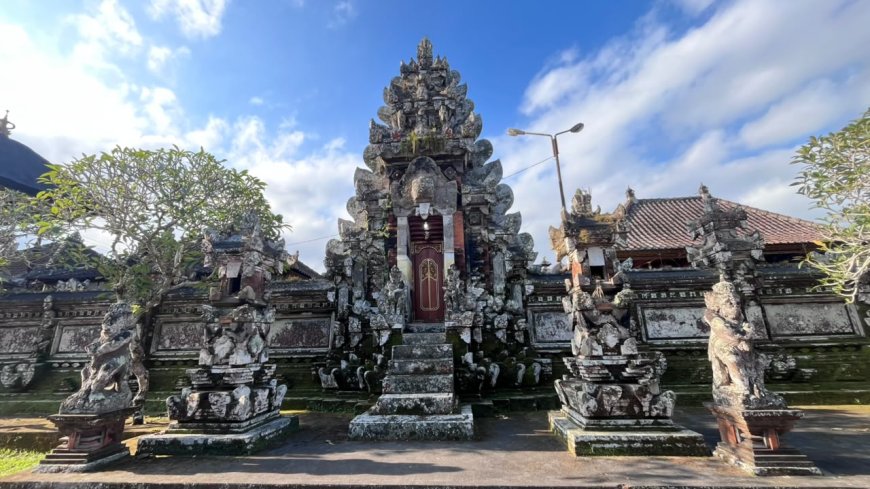
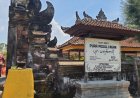
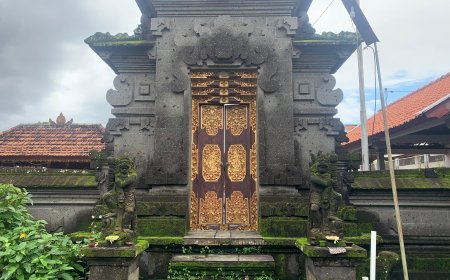
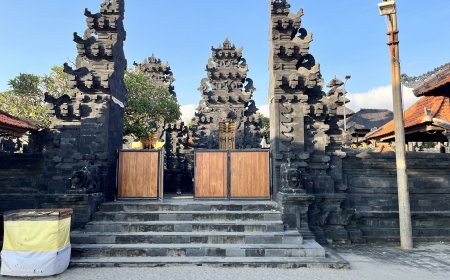
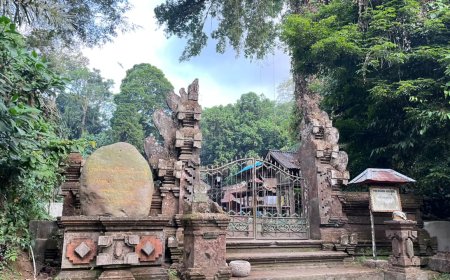
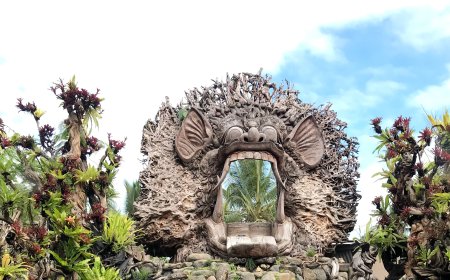
Penataran Uluwatu Temple, Kelodan Traditional Village, Tampaksiring (Source: Personal Collection)
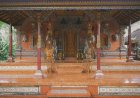
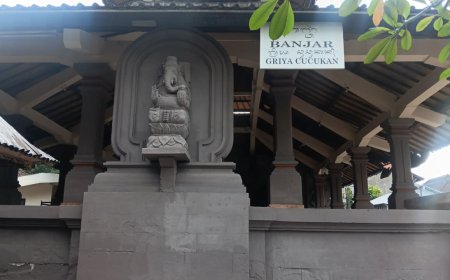
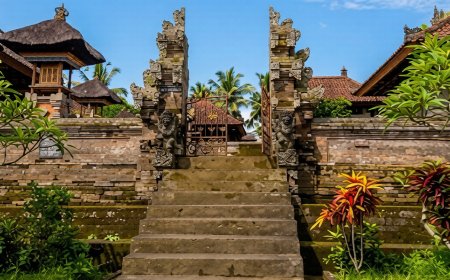
One traditional treatment for Kerambit Lipi that is still strongly believed in today can be found in Tampaksiring District, Gianyar. Based on a direct interview with a local practitioner, Ida Pedanda Putra Temuku Jelantik, the treatment of Kerambit Lipi in this area does not simply rely on natural ingredients. Instead, it begins with a spiritual ritual known as nunas, which takes place at the Dalem Temple located within the Penataran Uluwatu Temple complex in Kelodan Traditional Village, Tampaksiring.
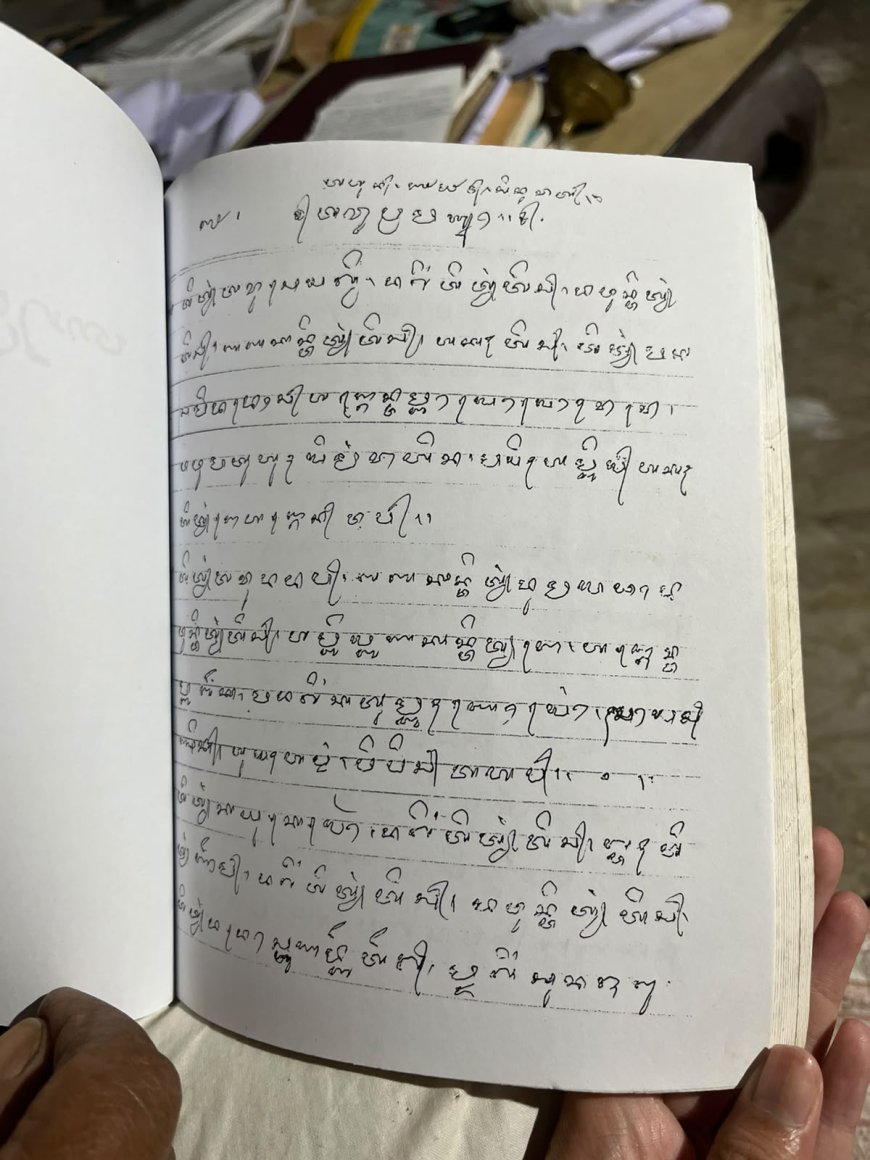
Page from a copy of the Lontar Taru Pramana containing basic information about medicinal plants used in Usadha Bali for treating Kerambit Lipi, owned by Ida Pedanda Putra Temuku Jelantik (Source: Personal Collection)
For patients or family members who wish to seek treatment for shingles, there are specific procedures and customary practices that must be followed:
- Offering a Canang: The patient or a family representative visits the Dalem Temple carrying a canang, a traditional offering, as an expression of devotion and a request for spiritual permission.
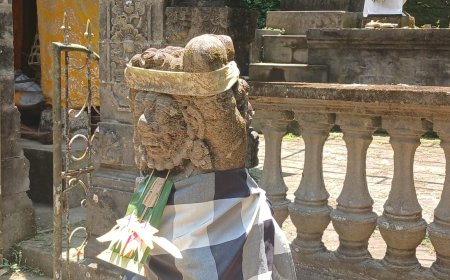
- Nunas Usadha: In front of the pelinggih, the person seeking treatment performs prayers and conducts the nunas ritual, meaning to ask or seek a medicinal preparation for treating Kerambit Lipi.
- Searching for the Sacred Ingredient at the Bataran Pelinggih: After completing the prayer ritual, the person searches for the medicinal ingredient around the bataran pelinggih, the foundation of the sacred structure. The ingredient consists of approximately two to three small white grains resembling rice, which are traditionally believed to be sacred snake droppings (taik lipi) that serve as a remedy for the disease. Ida Pedanda Putra Temuku Jelantik states that as long as the patient's intention is sincere, these white grains are traditionally believed to be found.
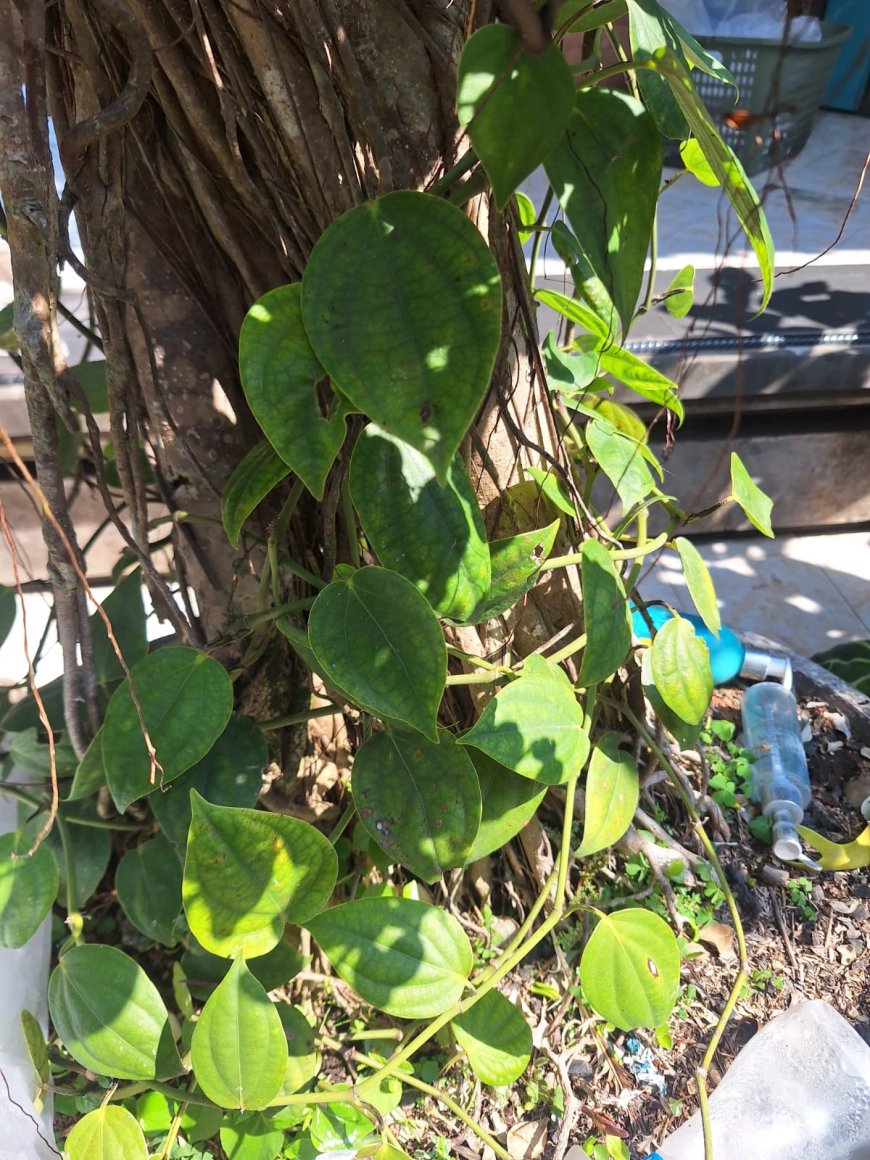
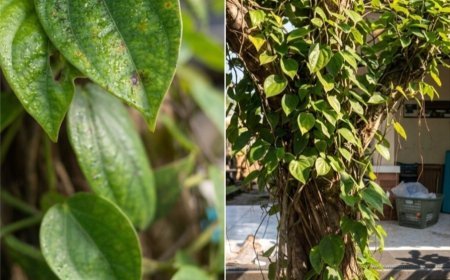
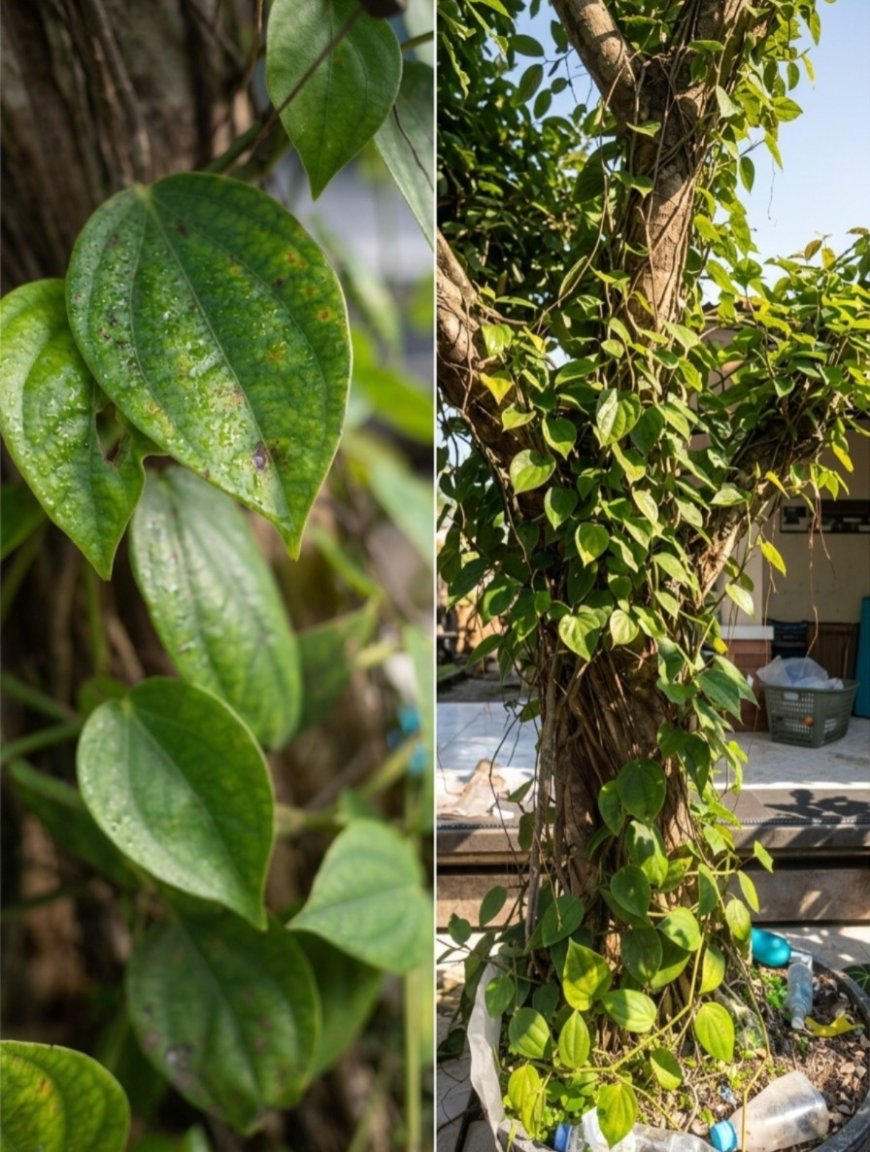
Pepper leaves as a natural ingredient in the topical treatment (Source: Personal Collection)
After obtaining the main ingredient from the temple area, the next step is to prepare a topical remedy (boreh or ointment) by combining it with natural ingredients. The preparation process is very specific:
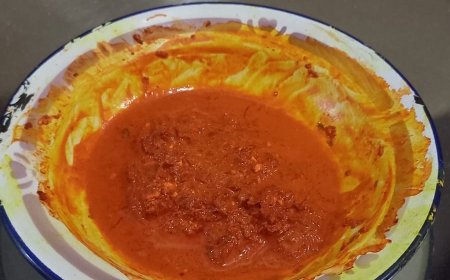
- Grinding the Ingredients: The white grains, traditionally regarded as snake droppings, are finely ground together with two to three fresh pepper leaves.
- Egg Oil Extraction: One chicken egg is fried. Once it is cooked, the remaining oil from frying the egg is collected. This oil functions as a natural medium for the mixture and as a moisturizer for the skin.
- Mixing: The ground mixture of the white grains and pepper leaves is combined with the remaining oil from frying the egg until thoroughly blended.
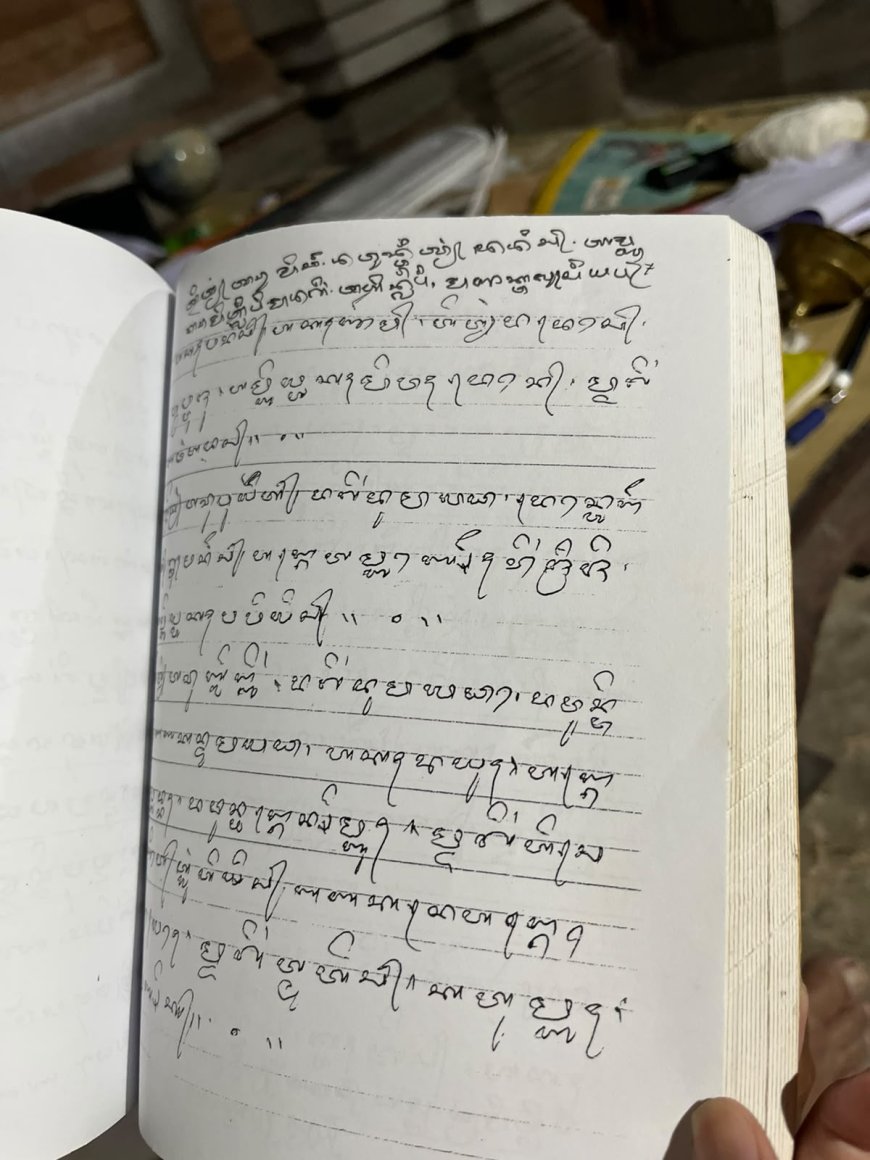
Page from a copy of the Lontar Taru Pramana containing instructions on the properties of medicinal plants, as well as the preparation and application of the traditional Usadha remedy for Kerambit Lipi (Source: Personal Collection)
The application technique for this traditional remedy is quite unique. The mixture is applied to the surface of the rash using a chicken feather or a small, clean brush so that the remedy can be spread evenly without directly touching the affected area with the fingers. From the perspective of modern medical hygiene, this technique may help reduce the risk of secondary infection caused by microorganisms transferred from the hands.
The traditional preparation is applied regularly to the affected area for approximately three consecutive days. According to the testimony of the local practitioner and the experiences of the local community, complete recovery is traditionally believed to take no longer than one Kajeng.
In the Balinese calendar system, Kajeng is part of the three-day Triwara cycle. One complete cycle until the next Kajeng day corresponds to approximately 15 days in the Gregorian calendar. During this period, the blistering rash is generally expected to dry, the burning sensation to subside, and the marks left by the rash to gradually fade without leaving deep scabs.
The treatment of Kerambit Lipi in Tampaksiring demonstrates how Balinese communities understand illness not merely as a physical condition, but also as a form of spiritual imbalance. As stated by Ida Pedanda Putra Temuku Jelantik, the patient's belief and confidence while nunas for medicine at the Dalem Temple can provide strong psychological support. In addition, the natural anti-inflammatory properties traditionally attributed to pepper leaves, along with the protective properties of oil on the skin, are believed by the local community to help accelerate the healing process.
Pada akhirnya, Kerambit Lipi mengajarkan kita untuk memahami kesehatan melalui keseimbangan antara sekala dan niskala . Sementara sains menjelaskan bahwa infeksi ini terjadi karena reaktivasi Virus Varicella-Zoster, Usadha Bali memberikan cara untuk merawat dimensi spiritual dan melestarikan tradisi leluhur. Ini menunjukkan bagaimana pengetahuan ilmiah dan kearifan lokal dapat hidup berdampingan dengan merawat tubuh melalui penalaran medis sambil memberikan kenyamanan bagi pikiran dan jiwa melalui warisan spiritual yang diturunkan dari generasi ke generasi.
Referensi:
Sumber Lisan: Wawancara dengan Ida Pedanda Putra Temuku Jelantik (Tokoh Agama dan Praktisi Usadha Bali, Tampaksiring).
Sari, CD, & Mellaratna, WP (2023). Herpes Zoster . Jurnal Riset Rumpun Ilmu Kedokteran (JURRIKE), 41–49.
Muhammad, EY, Gilang, M., & Saftarina, F. (2024). Penatalaksanaan Holistik Penderita Herpes Zoster Pria Usia 40 Tahun Menggunakan Pendekatan Kedokteran Keluarga . Jurnal Penelitian Perawat Profesional, 731–742.