



























Blue Traces at the Southern Tip of Bali: The Panorama of Blue Point Beach in the Uluwatu Area
Blue Point Beach presents a striking blue seascape with powerful waves and towering limestone cliffs, creating the dramatic natural atmosphere characteristic of Uluwatu. Although access to the beach is fairly challenging, the beauty it offers makes every step feel worthwhile.

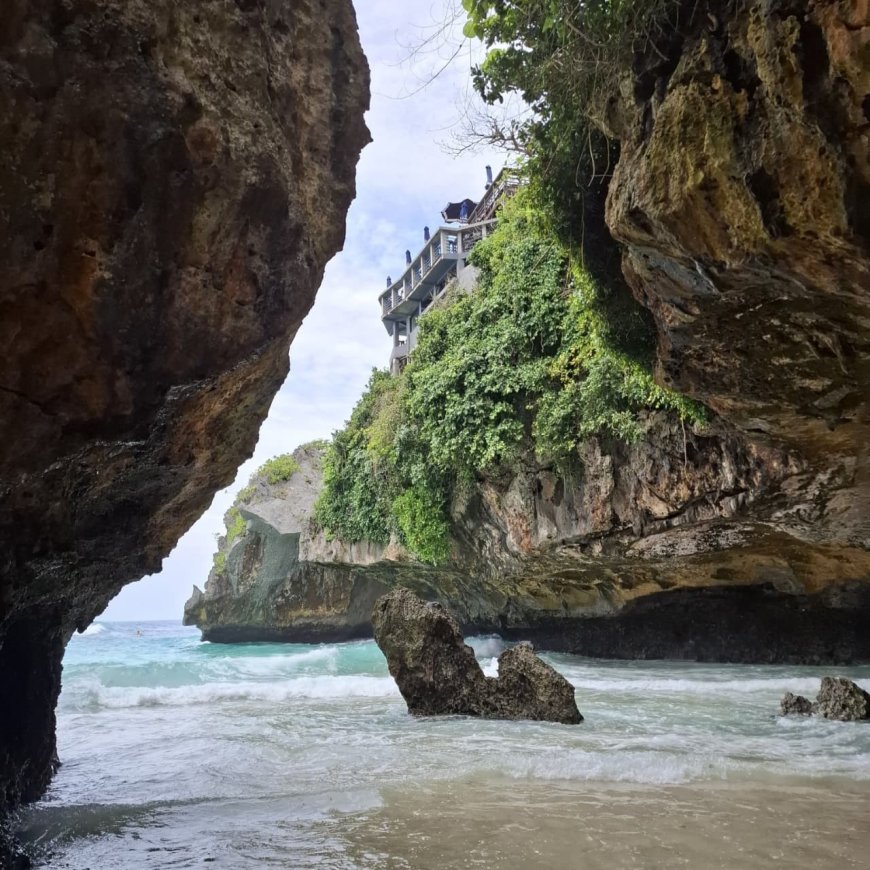
Bali has its own unique way of captivating everyone who visits, and at the southernmost part of the island, Blue Point Beach stands as one of the finest examples of its well-preserved natural beauty. This beach is located on Pecatu Street, South Kuta District, Badung Regency, Bali, and is widely known for its striking blue ocean panorama combined with the towering limestone cliffs that are characteristic of the Uluwatu area. This beauty has made Blue Point Beach a favorite destination for both local and international tourists.
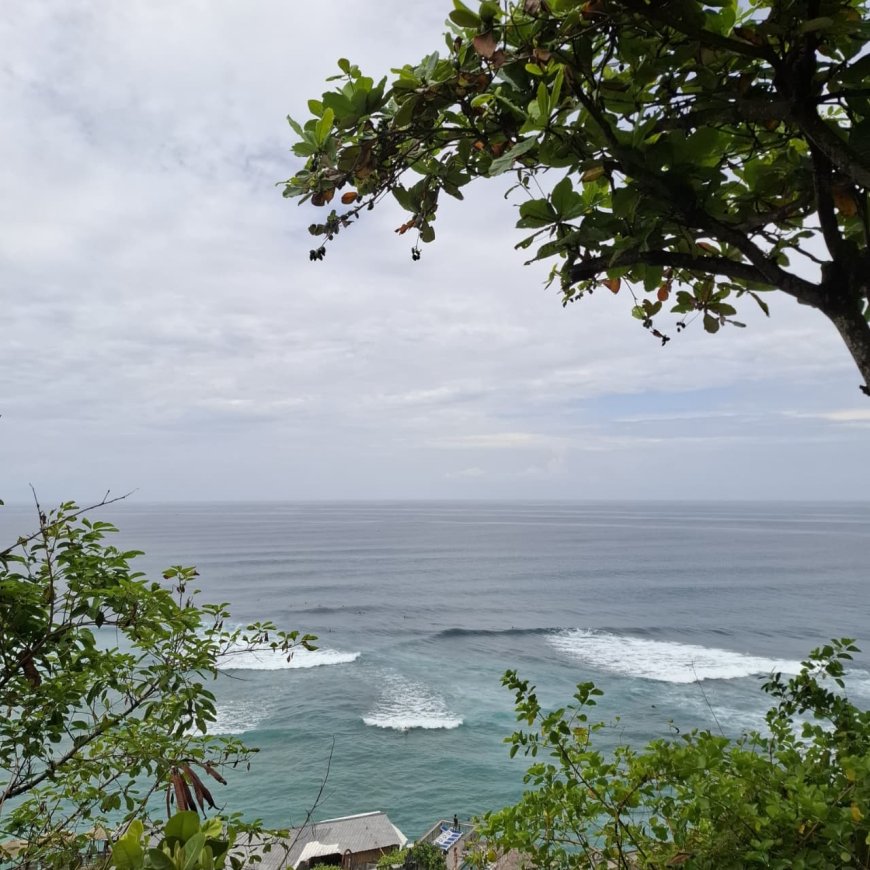
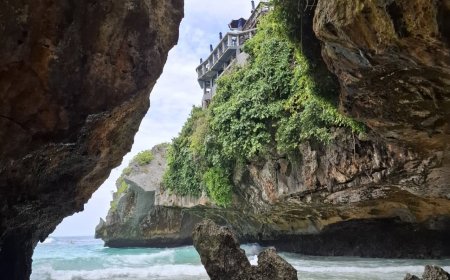
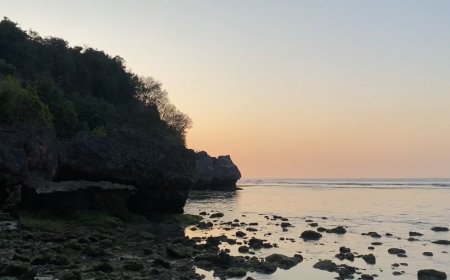
Blue Point Beach, Uluwatu (Source: Personal Collection)
One of the main attractions of this beach is the absence of an entrance fee. Visitors can enjoy the beauty of Blue Point Beach free of charge, with the only expense being parking fees. This makes the beach increasingly popular, especially among travelers who wish to enjoy nature without spending a large amount of money.
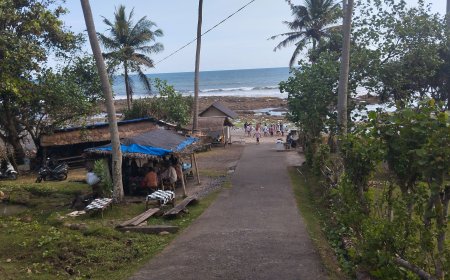
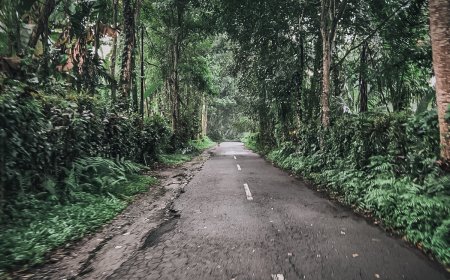
Nevertheless, access to the beach requires some effort. From the parking area, visitors must walk quite a distance along the available path. Once the beach comes into view, the journey continues by descending a flight of stairs that connects the top of the cliff to the beach area below. This path has become a distinctive feature of Blue Point Beach and adds a sense of adventure before finally reaching the shoreline.
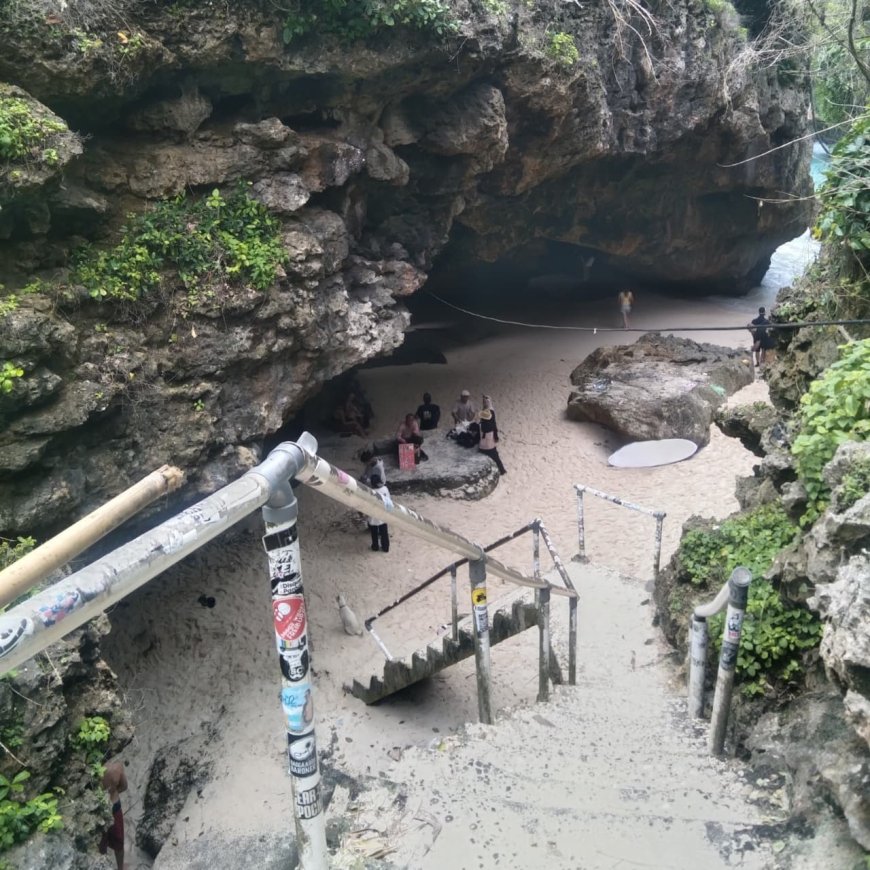
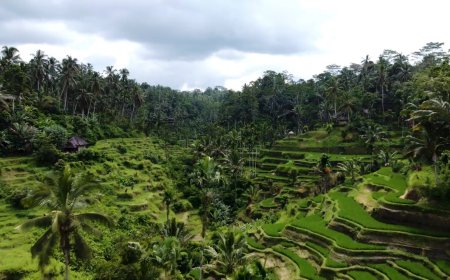
Access Road to Blue Point Beach (Source: Personal Collection)
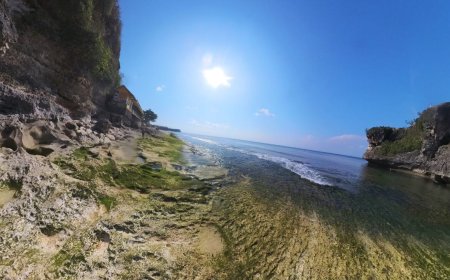
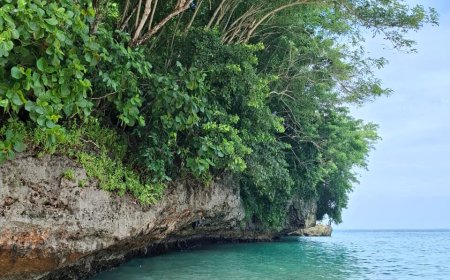
Upon arriving at the beach, visitors are immediately greeted by a strikingly vivid and clear blue sea. The blue gradation of the ocean contrasts beautifully with the color of the rocks and the sky, especially on clear days. This scenery is one of the main reasons why Blue Point Beach is often chosen as a favorite spot for photography and for enjoying natural beauty firsthand.
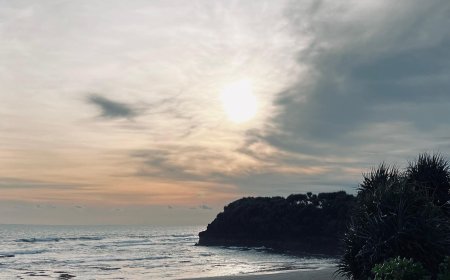
In addition to its captivating sea color, the beach is also known for its large and powerful waves. The crashing waves against the rocks create a dynamic and energetic seascape. These conditions make Blue Point Beach a favorite spot for surfers, while also producing a distinctive coastal atmosphere filled with the continuous sound of rolling waves.
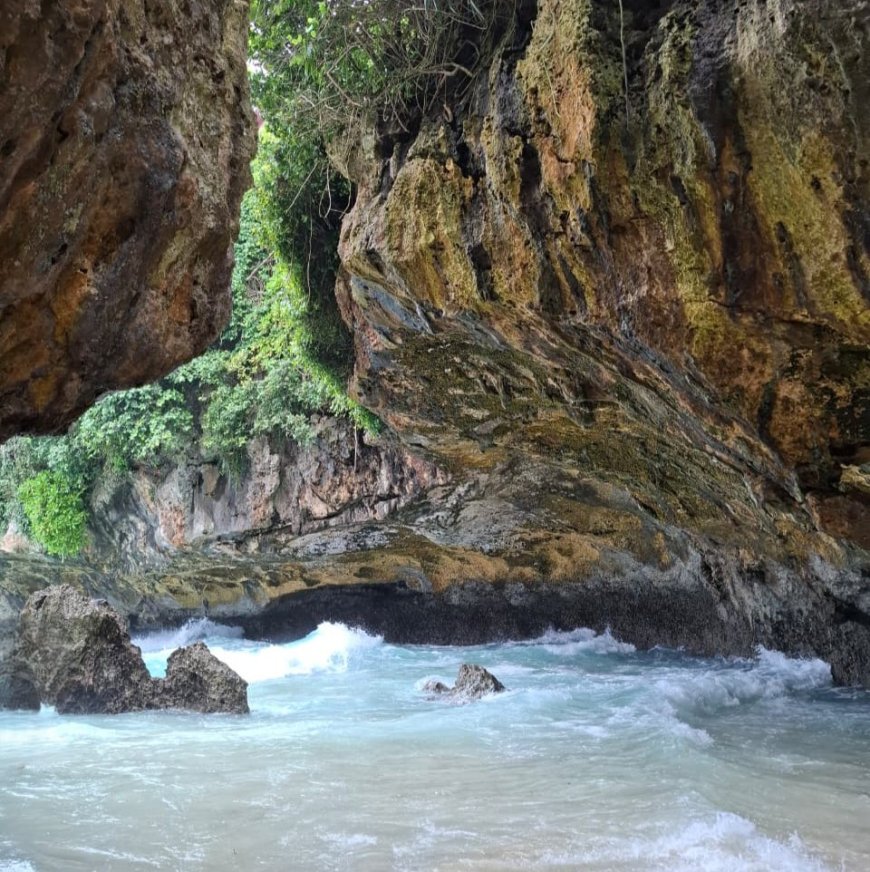
Blue Point Beach, Uluwatu (Source: Personal Collection)
The beauty of Blue Point Beach is further enhanced by the presence of towering limestone cliffs surrounding the area. These cliffs serve as a natural backdrop that strengthens the exotic impression of the Uluwatu region. From certain angles, the combination of cliffs, open ocean, and sky creates a dramatic panorama that is difficult to find on other beaches in Bali.
Blue Point Beach is open to the public every day, including national holidays, with operational hours from 08:00 to 18:00 WITA. The late afternoon, around 15:00–16:00 WITA, is the recommended time to visit, as the atmosphere becomes cooler and the natural lighting begins to reveal the beauty of the approaching sunset.
To enhance visitor comfort, the Blue Point Beach area is equipped with various supporting facilities. Around the beach, there are food stalls and cafés, toilets, parking areas, surf equipment rentals, souvenir shops, as well as hotels and accommodations in the surrounding area. These facilities allow visitors to enjoy the beach in greater comfort and convenience.
With its iconic blue ocean panorama, strong waves, and majestic cliff landscapes, Blue Point Beach represents the natural beauty of southern Bali. This beach not only offers breathtaking views but also a complete experience for anyone who wishes to follow the blue traces at the southern tip of the Island of Bali.