







Pura Kawitan Kramas: Tracing the Legacy of Sri Nararya Kresna Kepakisan in Sidan Village
Pura Kawitan Kramas is an ancestral temple located in Sidan Village, Gianyar Regency, and is historically associated with Sri Nararya Kresna Kepakisan. The temple serves as a place for ancestral worship, preservation of lineage identity, and reinforcement of spiritual and cultural values. Its temple anniversary (piodalan) is celebrated on Tumpek Landep, under the guidance of Jero Mangku Made Ariasa. Pura Kawitan Kramas represents the continuity of history, tradition, and spiritual life within the Balinese community.

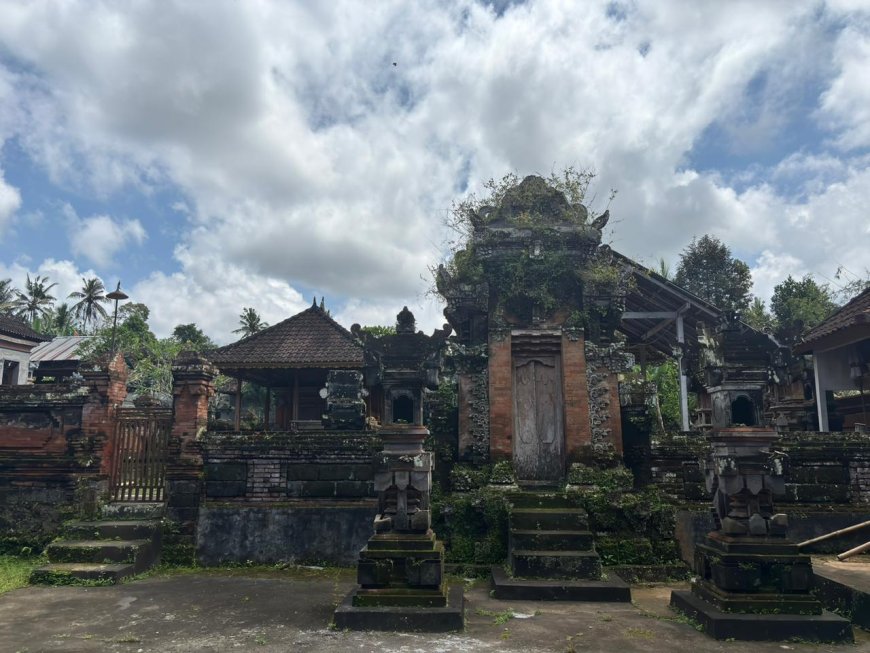
Pura Kawitan Kramas is one of the ancestral temples that holds significant importance for its supporting community in Sidan Village, Gianyar District, Gianyar Regency. The existence of this temple serves not only as a center for religious activities, but also as a marker of genealogical and spiritual connections between the community and their ancestors, particularly those associated with the legacy of Sri Nararya Kresna Kepakisan, an influential figure in Balinese history.
As a kawitan temple, Pura Kawitan Kramas functions as a place of worship dedicated to ancestral origins (kawitan) of families or soroh bound through hereditary lineage. The temple serves as a sacred space for honoring ancestors, strengthening communal identity, and maintaining the continuity of customary values and traditions passed down from generation to generation.
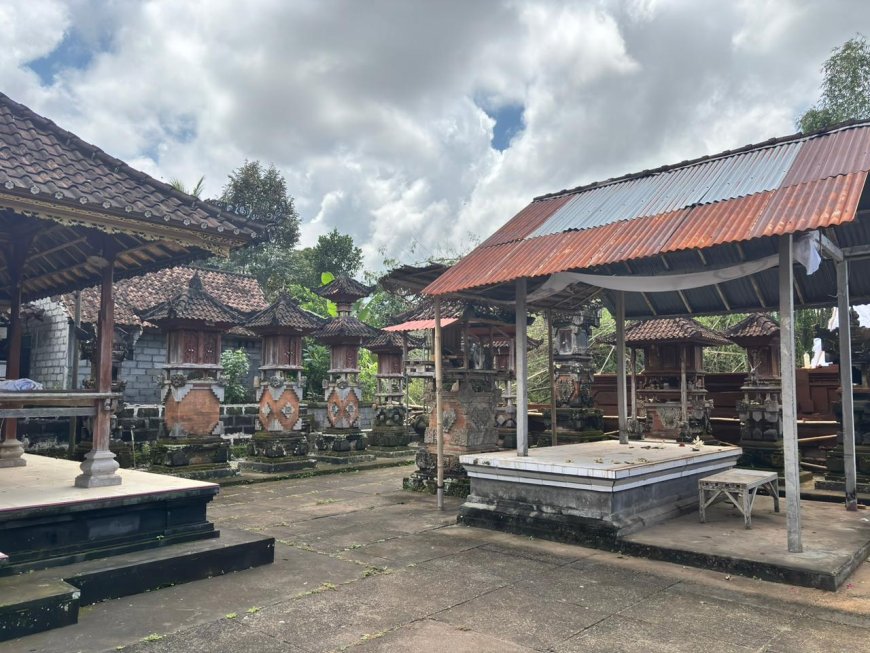
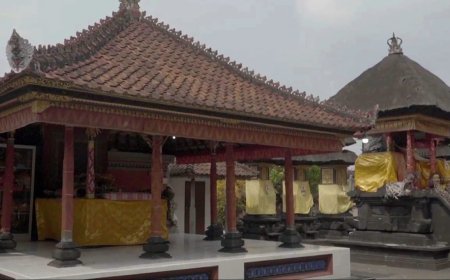
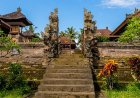
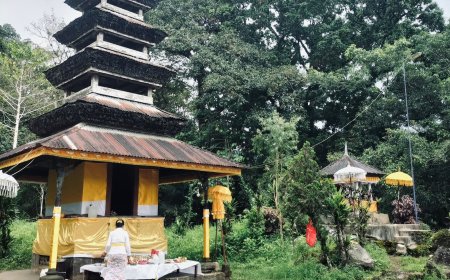
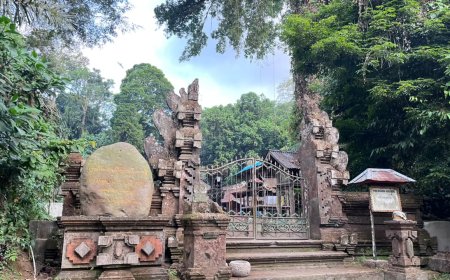
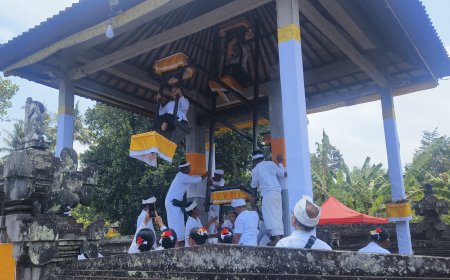
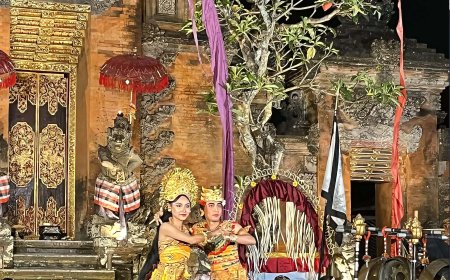
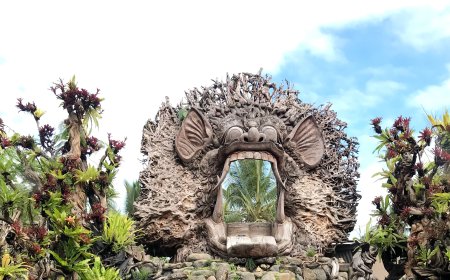
Main Mandala Area of Pura Kawitan Kramas in Sidan Village (Source: Personal Collection)
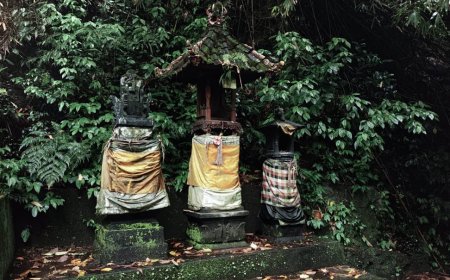
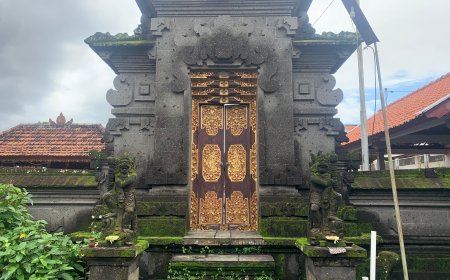
The spatial arrangement of Pura Kawitan Kramas reflects the distinctive characteristics of traditional Balinese temple architecture, rich in symbolic meaning. The organization of shrines (pelinggih), pavilions (bale), and temple courtyards embodies the concept of harmony between humans, nature, and the unseen spiritual realm (niskala). The simplicity of the architectural forms is balanced by the depth of philosophical values they convey, making the temple significant not only in religious terms but also culturally.
The quiet and natural atmosphere surrounding the temple further reinforces its function as a space for spiritual contemplation. The well-preserved environment creates a sacred ambiance that supports worship activities carried out with solemnity and devotion.
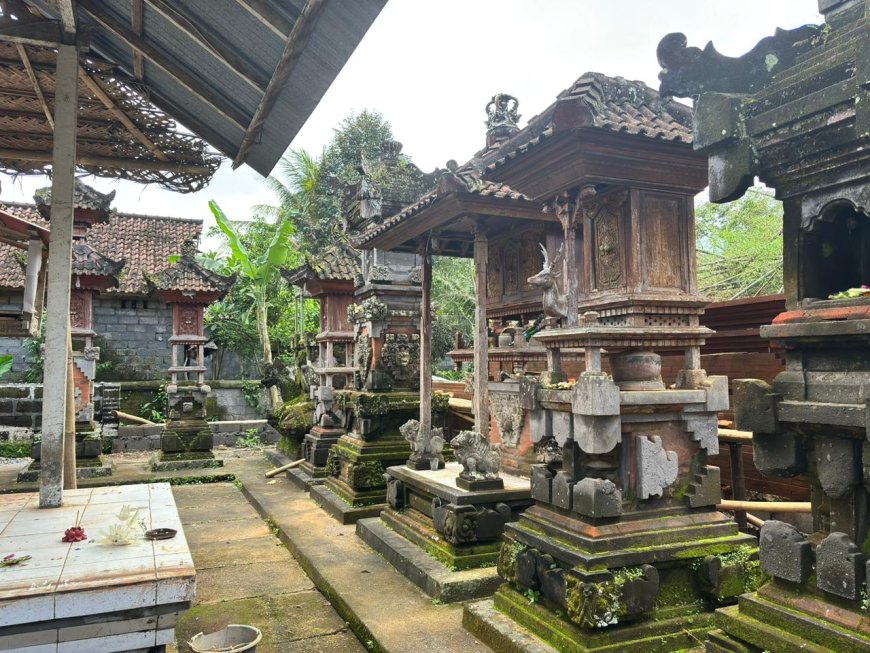
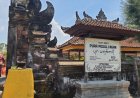
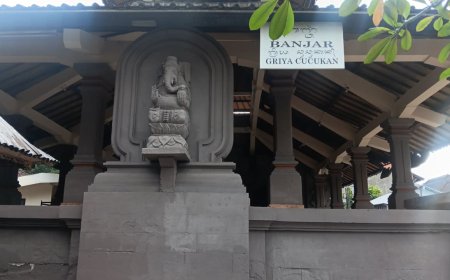
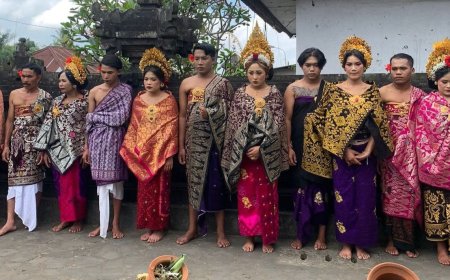
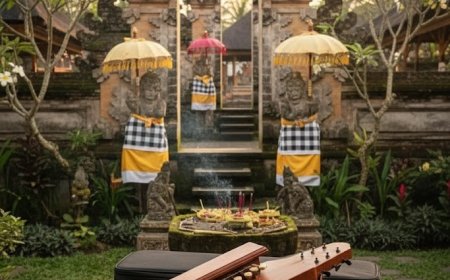
Details of Shrines and Distinctive Balinese Architectural Ornaments (Source: Personal Collection)
The historical value of Pura Kawitan Kramas cannot be separated from the community’s belief in its association with Sri Nararya Kresna Kepakisan. The traces of this historical figure are understood not only through written historical records, but also through oral traditions, ritual practices, and the enduring temple structures that have been preserved to this day. This reflects how history and spirituality are deeply intertwined in Balinese society.
The continuity of the temple highlights the strong role of tradition in preserving collective memory. Every ceremony and ritual performed at the temple serves as a means of renewing the bond between the community and their ancestors, while reaffirming the inherited kawitan identity.
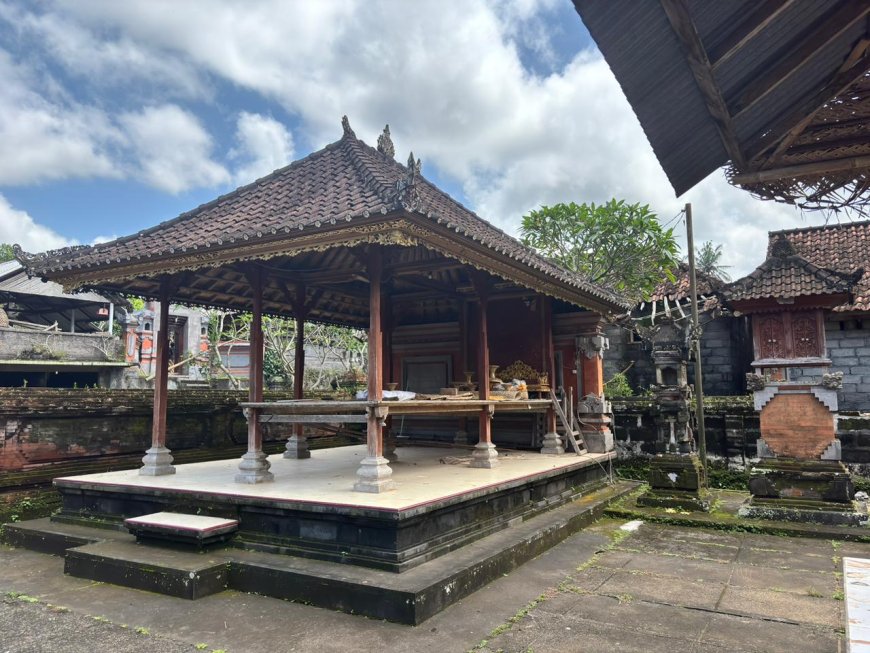
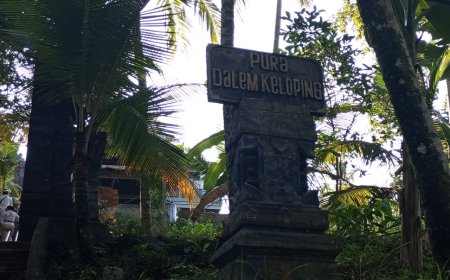
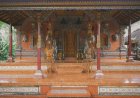
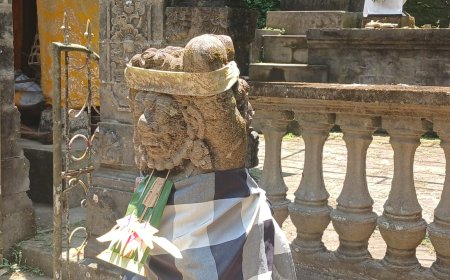
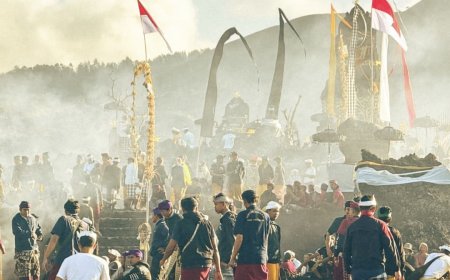
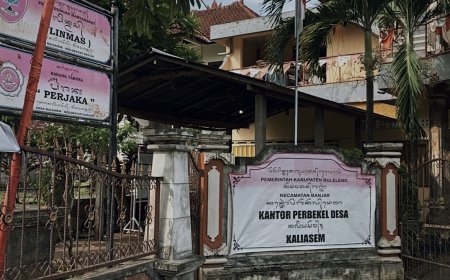
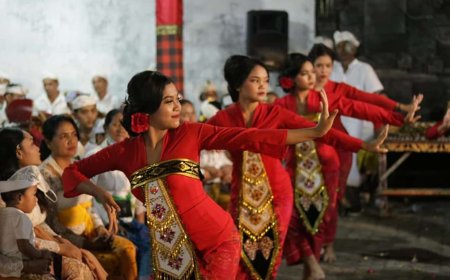
Bale Piasan Area at Pura Kramas Sidan (Source: Personal Collection)
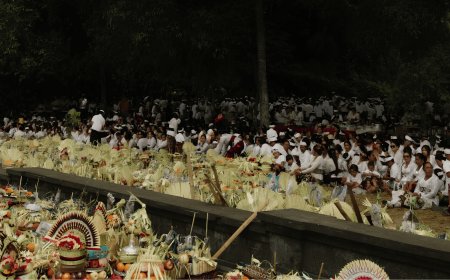
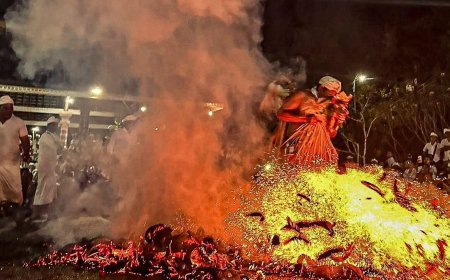
The piodalan (temple anniversary ceremony) at Pura Kawitan Kramas is held on Tumpek Landep, a sacred day with profound significance in Balinese Hindu life. Tumpek Landep is interpreted as a moment to sharpen the mind, strengthen spiritual awareness, and purify both ritual instruments and oneself from negative influences. This celebration becomes an important occasion for community members to gather, engage in ngayah (voluntary service), and reinforce social cohesion. The observance of this ceremony reflects the harmonious relationship between religious and philosophical values upheld by the temple’s supporting community.
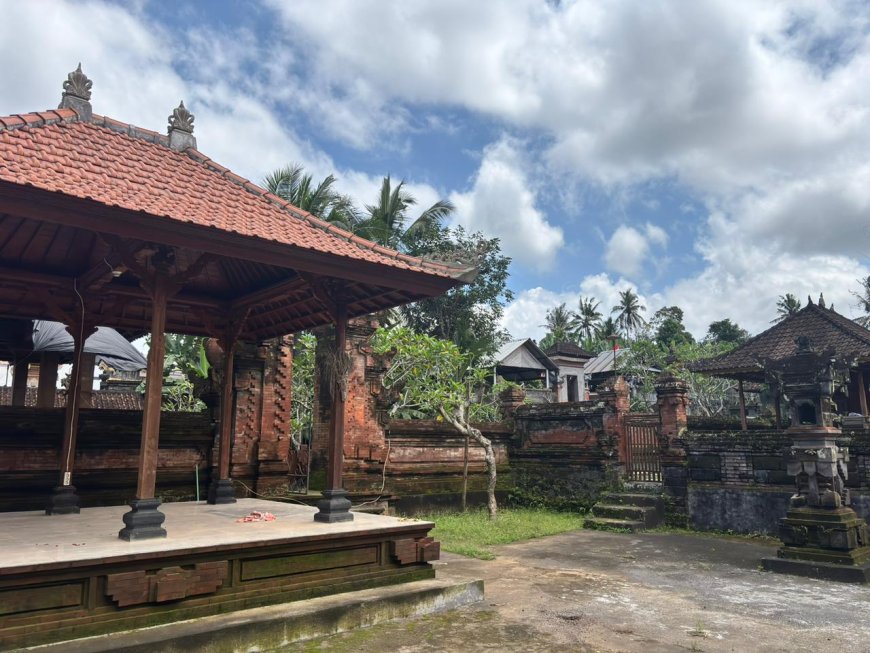
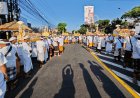
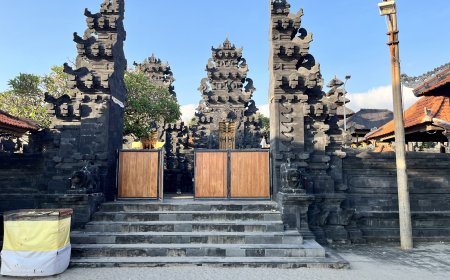
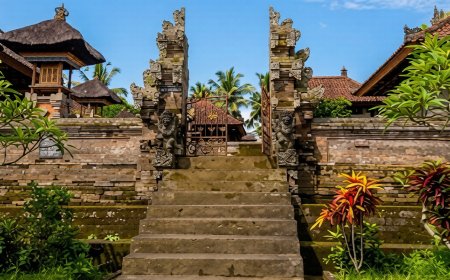
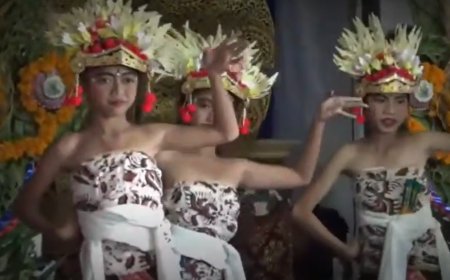
Madya Mandala Area of Pura Kramas Sidan (Source: Personal Collection)
In daily practice, the sanctity of Pura Kawitan Kramas is maintained through the role of Jero Mangku Made Ariasa, who is responsible for leading ceremonies, safeguarding ritual procedures, and ensuring that religious traditions continue in accordance with established customs. The role of the jero mangku is a vital element in sustaining the temple as a living sacred space, rather than merely a physical heritage site.
The presence of Pura Kawitan Kramas also serves as a reminder of the importance of preserving ancestral heritage amid changing times. The temple stands as a symbol of continuity between the past, present, and future of the Sidan Village community.
Through its continued existence, Pura Kawitan Kramas represents not only a sacred place of worship, but also a space for preserving history, identity, and spiritual values. The legacy of Sri Nararya Kresna Kepakisan believed to be attached to this temple positions it as an important part of Bali’s historical narrative, particularly within the Gianyar region. With sustained care and preservation, Pura Kawitan Kramas will remain a valuable spiritual heritage for future generations.