Ketika Warna Menjadi Petunjuk
Pernahkah Anda membayangkan bahwa sebuah warna dapat berfungsi sebagai petunjuk untuk mengidentifikasi suatu penyakit? Dalam manuskrip Usada Ila lontar, perubahan warna yang muncul pada tubuh bukan hanya pengamatan visual tetapi juga berfungsi sebagai penanda untuk membedakan berbagai jenis penyakit yang disebut ila. Warna putih, merah, pola berbintik, dan tanda merah yang membentuk pola tertentu masing-masing memiliki nama yang berbeda dalam pengetahuan pengobatan tradisional Bali. Di antara berbagai tanda ini, warna merah mengarahkan kita pada satu jenis penyakit tertentu yang dikenal sebagai Ila Brahma. Tetapi apa sebenarnya yang ada di balik warna tunggal ini?
Usada adalah kumpulan pengetahuan penyembuhan tradisional Bali yang berisi berbagai pemahaman tentang penyakit, tanda-tandanya, dan cara-cara yang digunakan dalam proses penyembuhan. Salah satu sumber pengetahuan ini adalah manuskrip Usada Ila lontar, yang membahas penyakit yang disebut sebagai ila. Dalam beberapa interpretasi, ila dikaitkan dengan kusta, tetapi terminologi dan klasifikasi yang ditemukan dalam lontar tidak dapat disamakan begitu saja dengan klasifikasi penyakit dalam pengobatan modern. Menariknya, manuskrip ini menunjukkan bahwa salah satu cara mengidentifikasi penyakit adalah melalui perubahan yang terlihat pada tubuh. Berdasarkan pengamatan warna dan bentuk, setiap jenis ila diberi sebutan yang berbeda.
Empat Bahan Utama di Balik Ramuan Ila Brahma
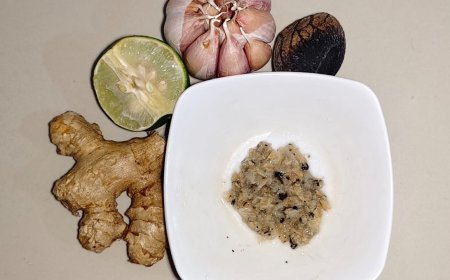
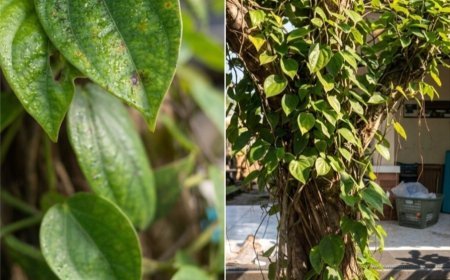
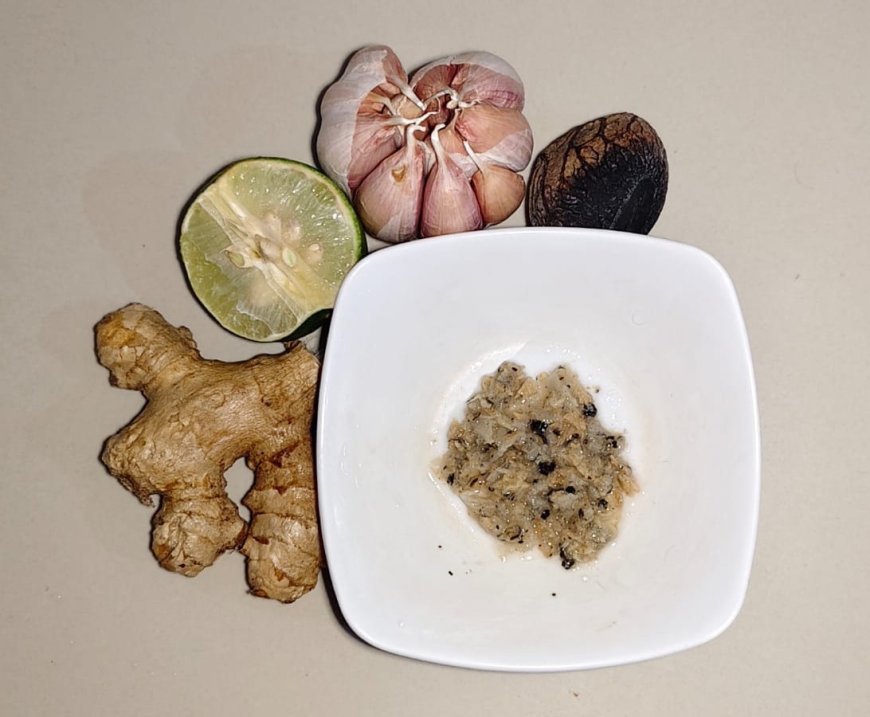
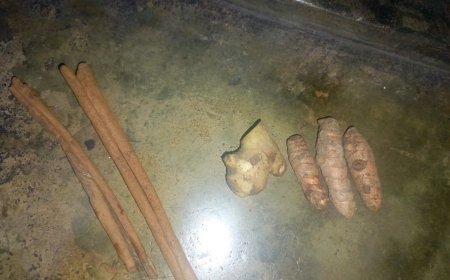
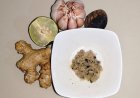
Untuk pengobatan Ila Brahma, disebutkan penggunaan buah pangi, jahe pahit, bawang putih, dan air jeruk nipis . Selain buah pangi, jahe pahit, dan bawang putih, lontar juga menyebutkan bahan yang disebut sandawa . Istilah ini dipertahankan sesuai dengan sebutan aslinya dalam teks lontar sebagai salah satu komponen obat. Bersama dengan bahan-bahan lainnya, sandawa digiling lalu dicampur dengan air jeruk nipis untuk menghasilkan obat oles.
Bahan-bahan ini mungkin terdengar familiar dalam kehidupan sehari-hari, tetapi dalam konteks Usada Ila, bahan-bahan ini merupakan bagian dari ramuan penyembuhan tradisional. Buah Pangi digunakan bersama dengan jahe pahit dan bawang putih, serta sandawa , sebagai bahan-bahan yang pertama-tama diolah bersama. Setelah itu, air jeruk nipis ditambahkan ke dalam campuran untuk melengkapi proses persiapan. Dari bahan-bahan sederhana ini muncul pertanyaan selanjutnya: bagaimana bahan-bahan tersebut diubah menjadi obat?
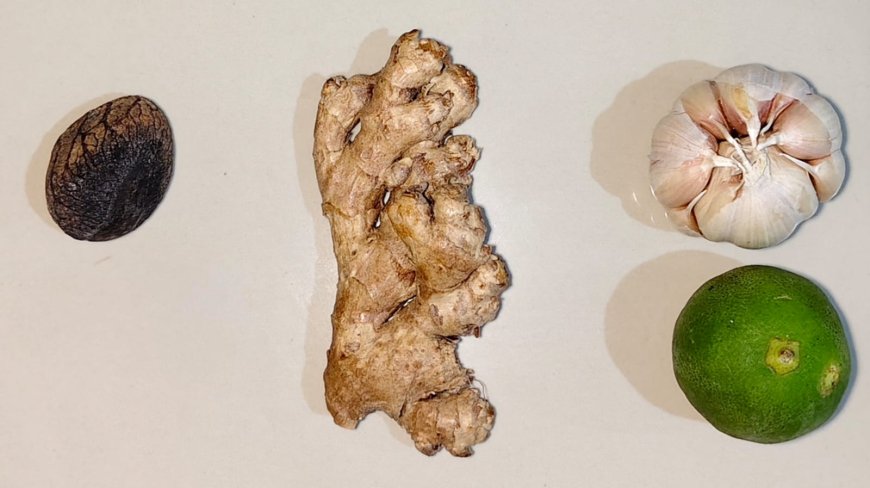
Bahan-bahan Ramuan Ila Brahmana (Sumber Foto: Koleksi Pribadi)
The use of natural ingredients demonstrates the close relationship between traditional Balinese healing knowledge and the surrounding environment. Plants and natural materials are not only part of everyday life but also form part of the knowledge used to address various ailments. In the Ila Brahma remedy, each ingredient is not used individually but is combined through a single preparation process. This approach shows that usada knowledge is not only concerned with what ingredients are used, but also with how those ingredients are prepared. This process of preparing the remedy therefore becomes an important part of understanding the treatment of Ila Brahma.
From Ground Ingredients to a Remedy
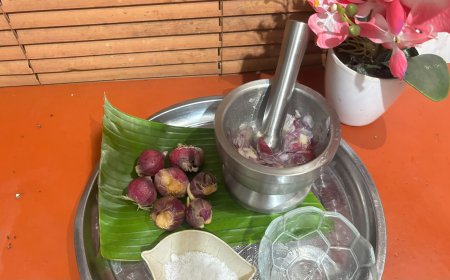
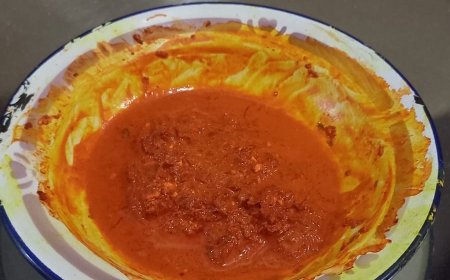
First, prepare pangi fruit, bitter ginger, and garlic as the main ingredients of the remedy. Make sure that all of the ingredients have been cleaned before being used in the preparation process. Next, grind the pangi fruit, bitter ginger, and garlic together until smooth. The ingredients are ground until they are thoroughly combined and form a relatively soft mixture. Through this process, the ingredients that were previously separate begin to transform into a single remedy.
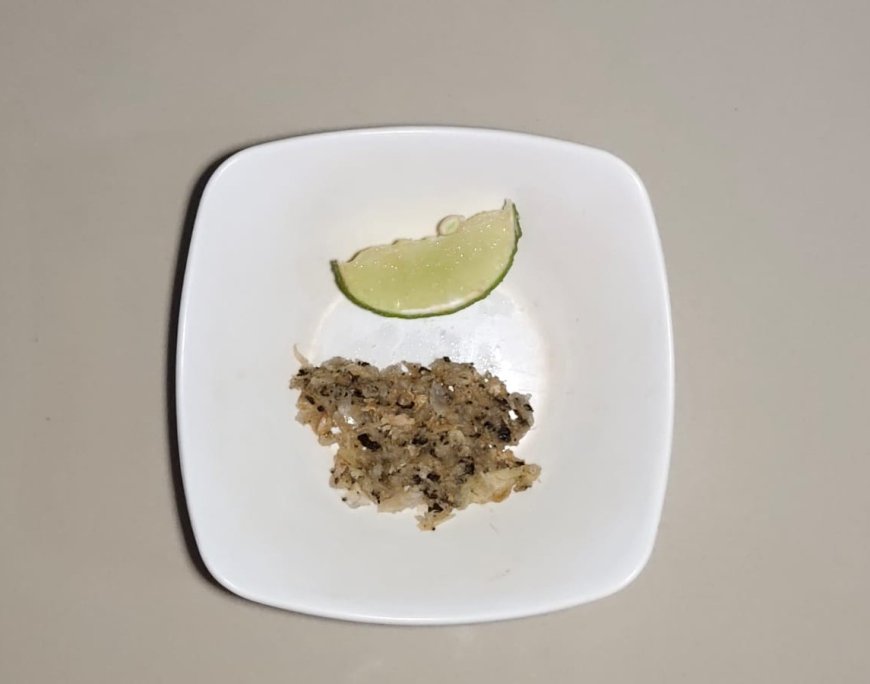
Preparation Process (Photo Source: Personal Collection)
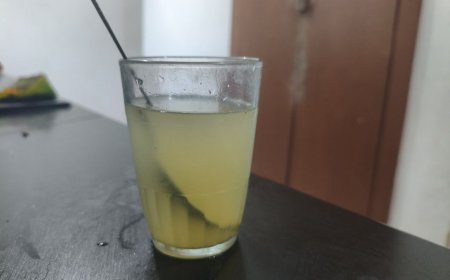
After the three ingredients have been finely crushed, add freshly squeezed lime juice to the mixture. The lime juice is then slowly incorporated until it blends with the pangi fruit, bitter ginger, and garlic. The mixture is continuously prepared until it reaches a texture suitable for use as a topical treatment. The combination of these four ingredients forms part of the Ila Brahma treatment method recorded in the Usada Ila. Once the preparation process is complete, the remedy is ready for use.
When the Remedy Is Applied
After all the ingredients have been prepared, the mixture is used as a topical treatment. The remedy is applied by rubbing it onto the part of the body affected by the condition, in accordance with the context of Ila Brahma treatment. Its direct application indicates that the remedy is intended for use on areas of the body showing signs of illness. This demonstrates that the treatment process begins with identifying the symptoms, selecting the ingredients, and then preparing them until they are ready for use. However, the healing process described in Usada Bali does not end with the application of the herbal remedy.
The lontar also contains the use of mantras associated with illness and the healing process. The presence of mantras shows that, within the usada tradition, healing is not understood solely through the physical materials used. Herbal remedies and mantras exist within the same body of medicinal knowledge, although they take different forms. Natural ingredients serve as materials that are prepared and applied to the body, while mantras form part of the spiritual dimension accompanying the healing process. The intersection of these two elements is one of the aspects that makes Usada Bali knowledge particularly interesting to explore.
When the Remedy Meets the Mantra
In traditional Balinese medicine, herbal remedies do not always function independently as a means of healing. The Usada Ila text also contains mantras associated with ila disease and the use of remedies. The presence of these mantras indicates that the healing process in the usada tradition encompasses both physical and spiritual elements. The herbal remedy serves as a means of treatment, while the mantra accompanies the process. One of the mantras recorded in the text reads as follows:
“Ih bhuþa kalà yodha, sang bhuþa kala yoói, ênduh ko dadi êtuh, sanghyang bayu mêntas ring irung rumawak bimà úakti, angagêm gadhà lohithà, wadaódha amupuh tuju druwe kombalà wintên, ilà papasangan, gring agung kakênan tumpur, sami kapupuh dengku, apan ku mawak bimà úakti, sanghyang bayu rumawak úariranku, keðêp sidhi maódhi mantranku.”
In general, this mantra is an invocation addressing disturbances or illnesses that affect the body. It mentions Sanghyang Bayu, who manifests as Bima Sakti and is described as possessing the power to confront such disturbances. The mention of ila disease and various disturbances in the mantra reflects a supplication for the illnesses affecting the body to be overcome or removed. The phrase “sanghyang bayu rumawak sariranku” can generally be understood as describing the presence of Sanghyang Bayu’s power within the body. Meanwhile, the phrase “kedep sidhi madhi mantranku” serves as an affirmation or hope that the recited mantra will achieve success.
In addition to mantras associated with illness, the text also contains a mantra for powder or topical medicine. This mantra is particularly interesting because it is directly connected to the use of a substance applied to the body. The mantra contains an invocation for the disturbance to cease attacking the sufferer’s skin and flesh. It also expresses a supplication for harmful elements or disturbances believed to cause illness to be cleansed and removed. The mantra reads as follows:
“Ih sang bhuþa kala sisik, sang bhuþa kala dangu, aja ko kita amangan ri kulit ðaging ðalême syanu, apan sanghyang rekanatà, mangaðêg ring otot, anyapuh mala patakane pun anu, anulakanà tuju maódhi, upas maódhi, tkà tulak tkà lêbur, mukûah ilang, waras, keðêp sidhi maódhi mantranku.”
Secara umum, mantra ini berisi permohonan yang ditujukan kepada kekuatan atau unsur-unsur yang diyakini menyebabkan gangguan, meminta mereka untuk berhenti menyerang kulit dan tubuh penderita. Frasa “aja ko kita amangan ri kulit daging daleme syanu” dapat dipahami sebagai larangan terhadap gangguan yang merusak bagian tubuh. Mantra tersebut kemudian mengungkapkan harapan agar unsur-unsur berbahaya atau mala pataka dapat dibersihkan dan dihilangkan. Ungkapan “tkà tulak tkà lêbur” umumnya dapat diartikan sebagai permohonan agar gangguan tersebut ditolak dan dihilangkan. Frasa terakhir, “mukûah ilang, waras,” menyampaikan harapan agar penyakit tersebut hilang dan tubuh pulih.