




















The History of Bedahulu: From the Glory of Astasura to the Deception of Majapahit
The Kingdom of Bedahulu, located in Bali, has a long history filled with tales of heroism, resistance against foreign powers, and myths that remain deeply embedded in the memories of the Balinese people. As one of the kingdoms that played an important role in the history of Bali, Bedahulu holds many stories about its glory and resistance against the Majapahit empire, which ultimately conquered it.

King Sri Astasura Ratna Bhumi Banten, known as one of Bali's greatest rulers, is a highly respected figure. He was a devout Buddhist who established many Buddhist sanctuaries in Bali. During his reign, he was known as a wise and strong leader, famous for his courage in battle and his leadership in the Dulang Mangap army of the Gelgel Kingdom.
However, in 1338 CE, the Kingdom of Bedahulu began facing a major threat from Majapahit. Bhatara Sri Astasura Ratna Bhumi Banten opposed the Majapahit rule led by Queen Tribhuwana Wijayatunggadewi. Despite being of Majapahit descent, his refusal to submit to Majapahit's power caused the relationship between the two kingdoms to become increasingly tense.
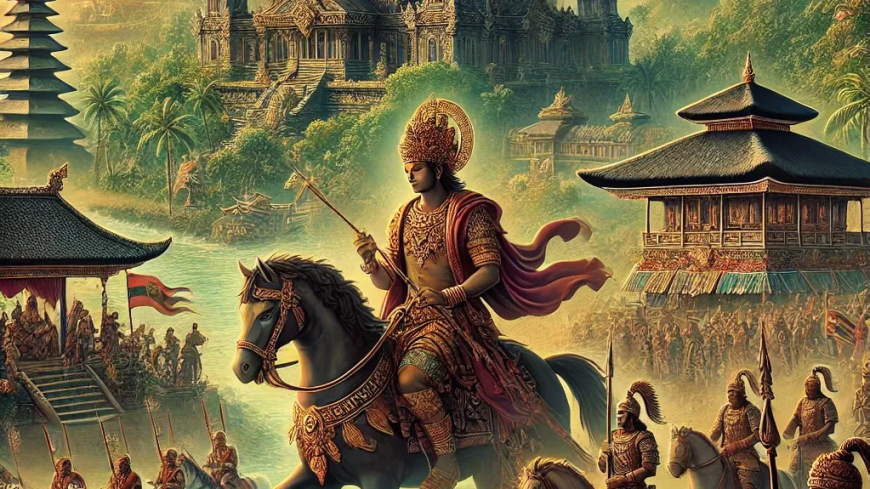
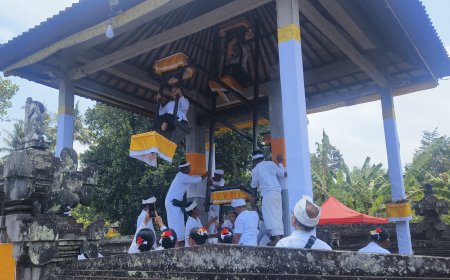
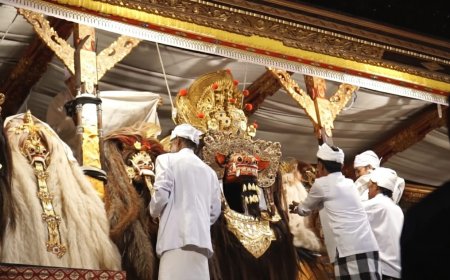
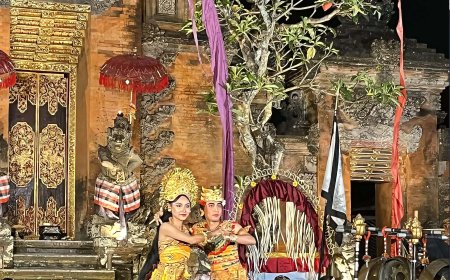
King Sri Astasura Ratna Bhumi Banten (Photo Source : Personal Collection)
This resistance to Majapahit stemmed from Bali's long history under the protection of the Daha Kingdom, which had established ties with Bali since the reign of Queen Putri Ganapriya Dharmapatni in the 10th century. Although Bali had been controlled by Singhasari in 1284 CE, it returned under the oversight of the Daha Kingdom after the fall of Singhasari in 1292 CE.
In 1293 CE, Majapahit attacked the Daha Kingdom, and Bali was brought under Majapahit's rule. However, even though Bali was now under Majapahit's control, the Balinese people remained loyal to their leader and continued to defend their freedom and the honor of their kingdom.

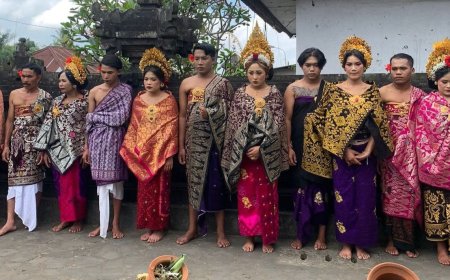
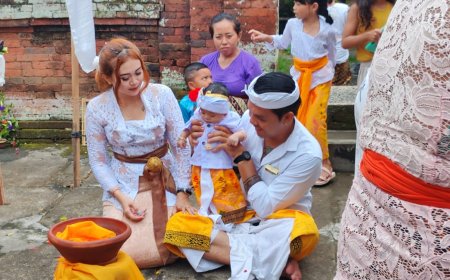
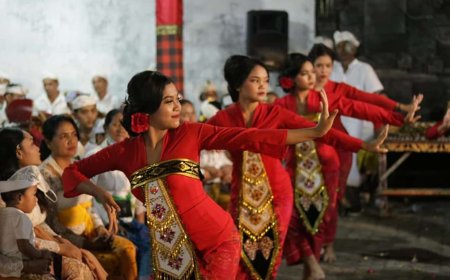
King Sri Astasura Ratna Bhumi Banten (Photo Source : Personal Collection)
King Sri Astasura Ratna Bhumi Banten’s rejection of Majapahit further emphasized that Bali did not want to be under foreign rule. This stance earned him the title Raja Bedahulu, meaning "beda" (different) and "hulu" (leader), signifying his refusal to submit to Majapahit, which had previously appointed him as king.
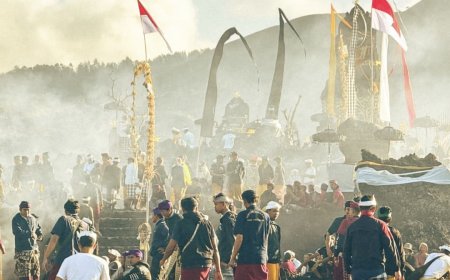
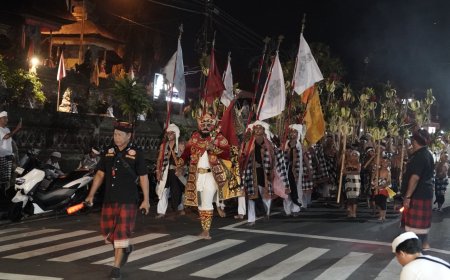
King Bedahulu's decision to resist Majapahit led to the dispatch of a large army by Majapahit. This army was led by Patih Gajah Mada and Arya Damar, known as Adityawarman. With their great strength, Majapahit attempted to subdue Bali, but the resistance from the Balinese people did not cease.
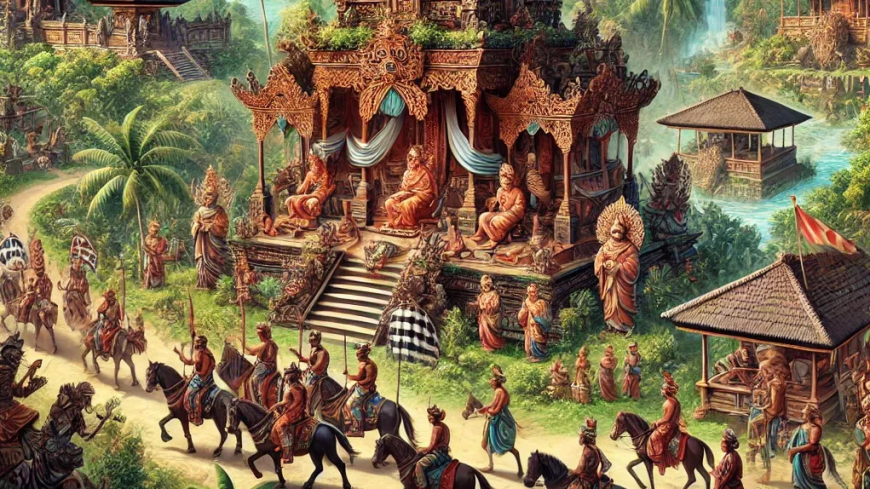
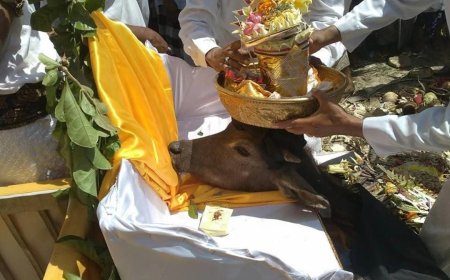
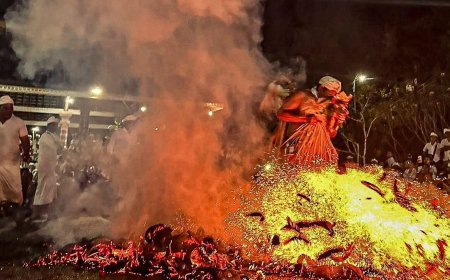
The Resistance Of King Bedahulu (Photo Source : Personal Collection)
Over time, King Sri Astasura Ratna Bhumi Banten, better known as King Bedahulu, continued to defend Bali's sovereignty, even as he faced threats from Majapahit's forces. However, the clever deceit of Patih Gajah Mada ultimately led to Bali falling under Majapahit's control.
Although Bali was conquered, the story of King Bedahulu lives on in Balinese folklore. The myth of King Bedahulu, who had the head of a pig, tells the story of a king with extraordinary power and courage who resisted foreign rule but tragically met his fate due to the deception of Majapahit officials.
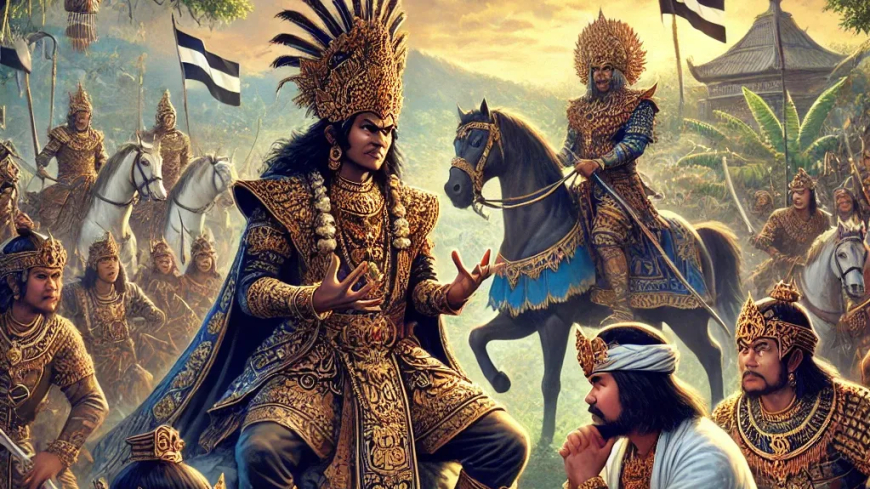
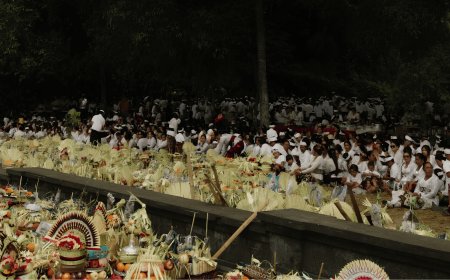
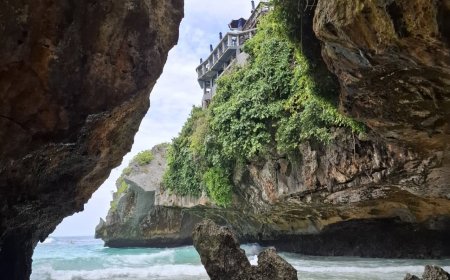
The Deceit Of Gajah Mada (Photo Source : Personal Collection)
The story of King Bedahulu and Bali's resistance against Majapahit has become a symbol for the Balinese people of bravery and the spirit to defend their freedom. This tale also serves as an important lesson about how politics and power can play a significant role in determining the fate of a kingdom.
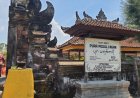
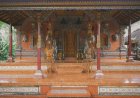
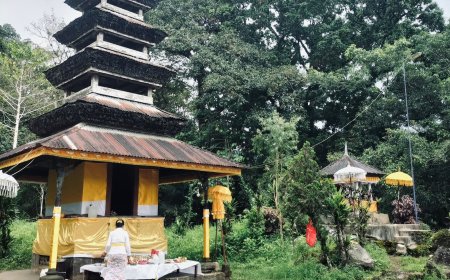
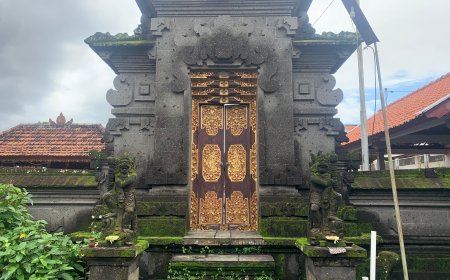
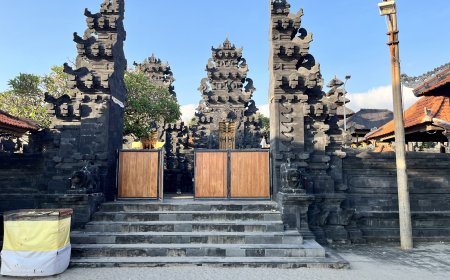
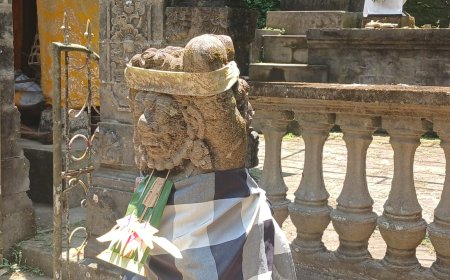
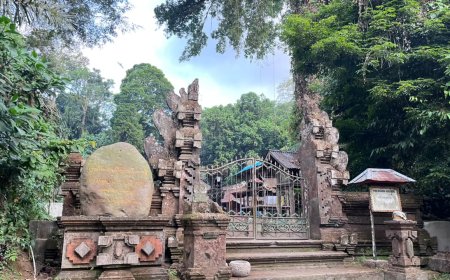
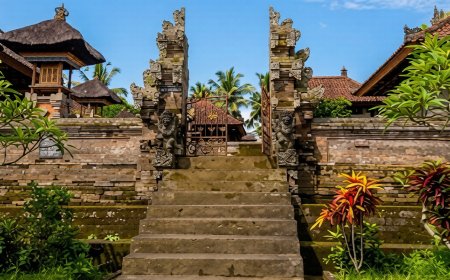
The remnants of the Bedahulu kingdom can still be found at several historical sites in Bali, such as Pura Jero Agung, Samuan Tiga, Goa Gajah, and Pura Bukit Sinunggal. These sites stand as silent witnesses to Bali's long history of struggle and heroic tales.
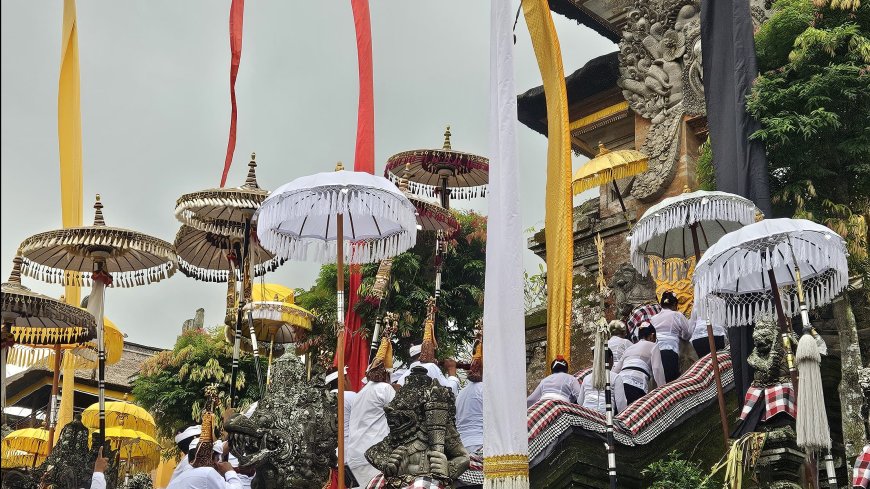
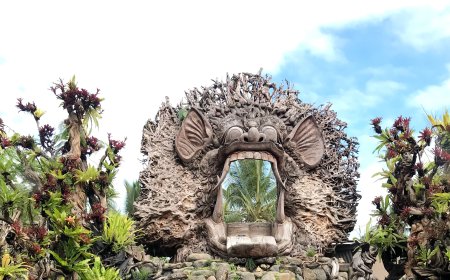
Samuan Tiga Temple (Photo Source : Personal Collection)
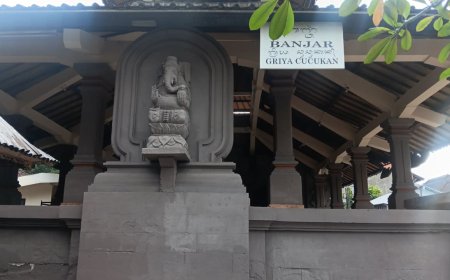
One of the most famous relics from the Bedahulu kingdom is Goa Gajah, known for its Ganesa statue, which symbolizes the God of Knowledge. Inside the cave, there are also fragments of statues and a trilangga surrounding eight small linggas. This relic is an important symbol of Bali's culture and spirituality, which continues to be passed down to this day.
Inside Goa Gajah, there is also an inscription from the 11th century, further strengthening the connection between the Bedahulu kingdom and the cultural development of Bali at that time. Around the cave, there are also guardian statues and fragments of buildings that have yet to be identified, indicating the rich cultural and historical heritage of Bali.
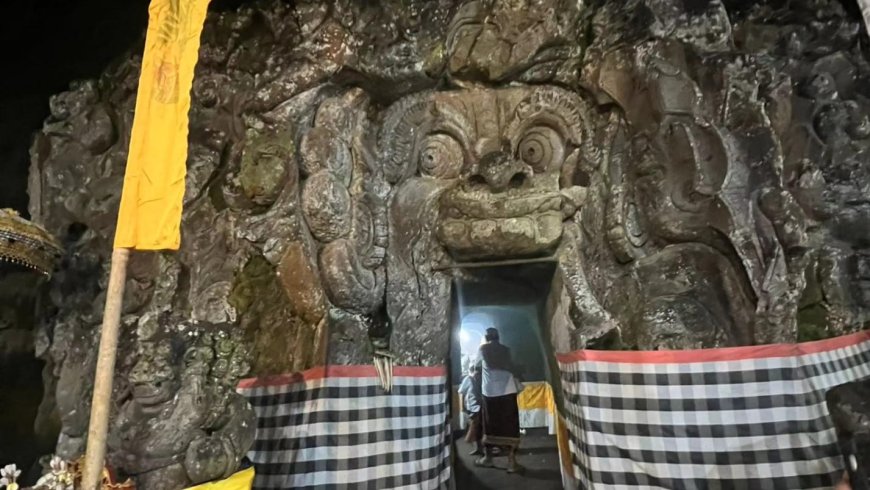
Goa Gajah Temple (Photo Source : Personal Collection)
Thus, the history of Bedahulu not only reflects its resistance to Majapahit but also teaches us the importance of preserving identity and culture, even when faced with external threats. The glory of Astasura, accompanied by fierce resistance against Majapahit, remains an invaluable part of Bali’s heritage that continues to be remembered in the collective memory of the Balinese people.
The Kingdom of Bedahulu is proof that the struggle to defend sovereignty and freedom is never in vain. Although Bali was ultimately conquered by Majapahit, the spirit of resistance shown by King Bedahulu and the Balinese people will continue to live on in the rich history and culture of Bali.