







Hidden Within Time: Pakakalan as a Sacred Day Determination Tradition in Bali (Part 6)
Pakakalan Part 6 discusses several dewasa ayu (auspicious days) that play an important role in determining favorable times for various activities in Balinese society. Each dewasa has a specific function related to religious ceremonies, work, physical construction, and social creativity. Through an understanding of Pakakalan, Balinese people do not merely consider technical aspects when acting, but also maintain harmony between humans, nature, and spiritual values. In Pakakalan Part 6, eleven important types of Kala and Padewasan are explained, namely: Kala Gacokan, Kala Sor, Kala Dangastra, Padewasan Ayu Nulus, Padewasan Merta Yoga, Merta Masa, Merta Dewa, Padewasan Merta Danta, Padewasan Sedana Yoga, Padewasan Subacara, and Padewasan Gni Rawana.

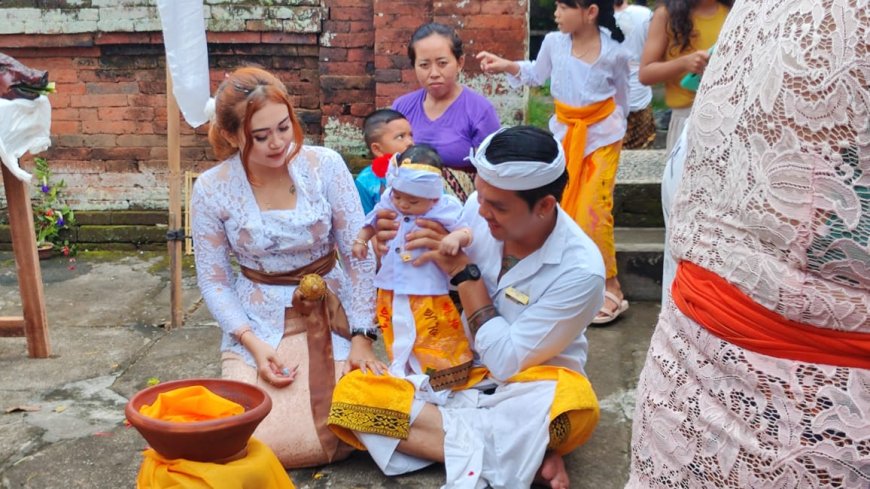
Balinese culture recognizes a highly structured and meaningful system for determining auspicious days, one of which is through the teachings of Pakakalan. In Pakakalan Part 6, several dewasa are considered very favorable for carrying out important activities in human life. The determination of these days is not done arbitrarily, but is based on wariga calculations that have been passed down from generation to generation. By understanding dewasa ayu, people are expected to carry out activities with a sense of safety, peace, and harmony with the will of the universe. This shows that time holds spiritual value that is inseparable from the lives of the Balinese people.
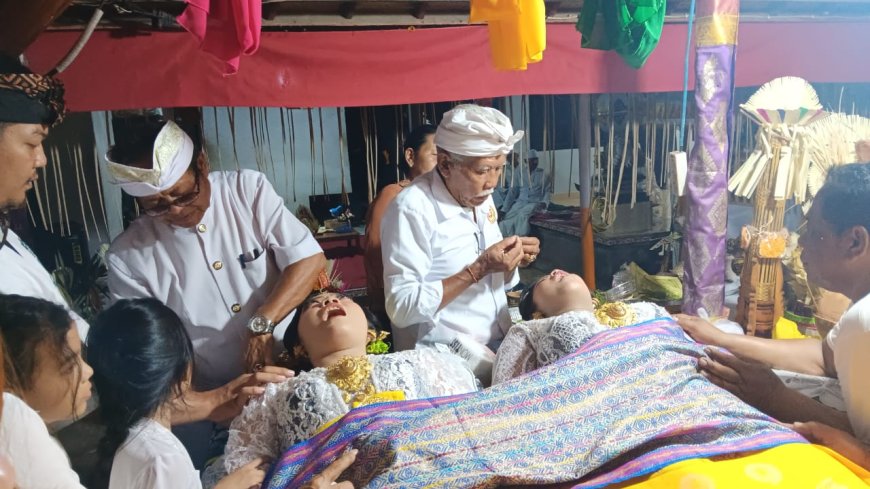
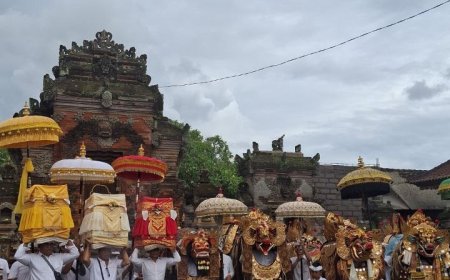
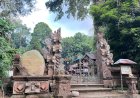
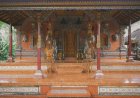
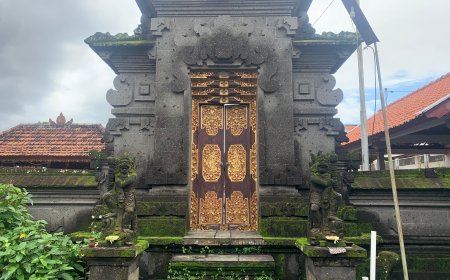
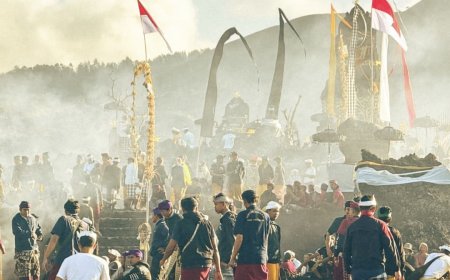
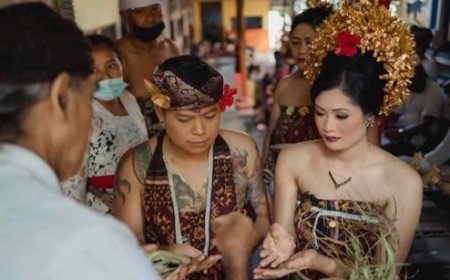
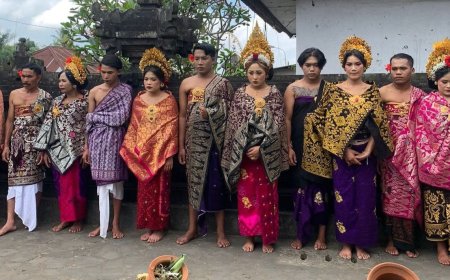
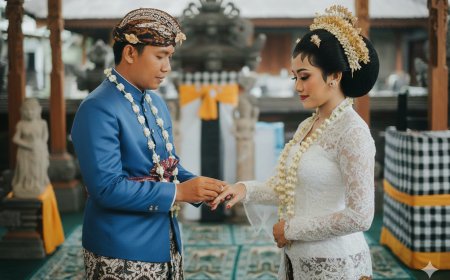
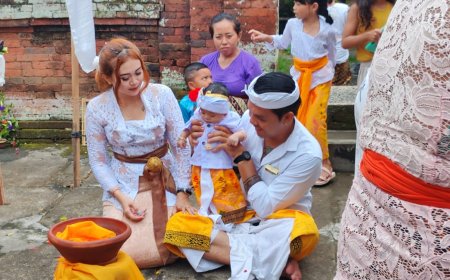
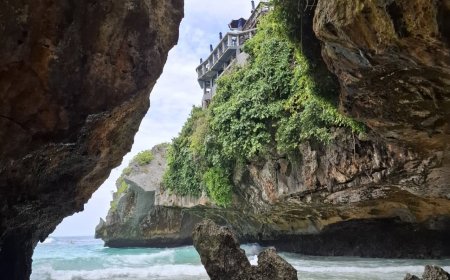
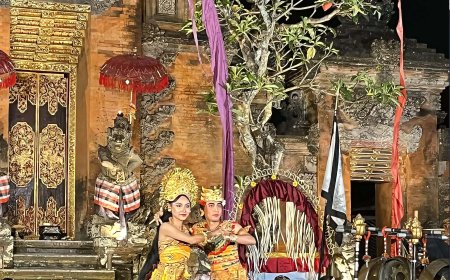
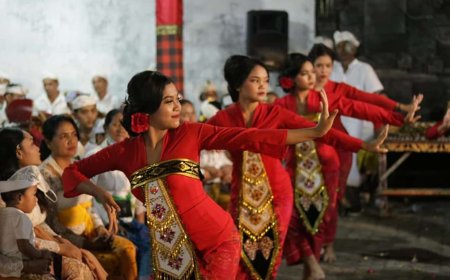
Auspicious Day for Performing Manusa Yadnya Ceremonies (Source: Personal Collection)
Padewasan Merta Yoga is known as a very auspicious day for performing Manusa Yadnya ceremonies, which are a series of rituals related to the stages of human life. This dewasa is believed to bring energies of purity, balance, and safety to individuals undergoing the ceremony. One example of a ceremony that is appropriate to be conducted on Padewasan Merta Yoga is the Mepandes or Tooth Filing Ceremony. This ritual symbolizes the control of negative human traits and marks a milestone of spiritual maturity. By choosing Padewasan Merta Yoga, it is hoped that the ceremony will proceed smoothly and bring positive influence to future life.
Padewasan Merta Danta refers to the determination of an auspicious day (dewasa) in the Balinese Hindu tradition for marriage ceremonies (pawiwahan). It combines elements of wariga calculations (pawukon and wuku) to find a time believed to bring happiness, success, and harmony in married life. The term “Merta Danta” most likely refers to a specific type of dewasa or a particular combination of calculations intended specifically for marriage ceremonies.
Merta Dewa or Amerta Dewa is a title or dewasa ayu that signifies an auspicious day for carrying out spiritual activities, especially those related to Dewa Yadnya. These activities include building shrines, constructing granaries or kitchens, or performing other important rituals. This dewasa symbolizes fertility and prosperity blessed by the gods. The term appears in wuku and sasih calculations used to determine favorable days for various activities, reflecting the close relationship between human actions and spiritual manifestations.
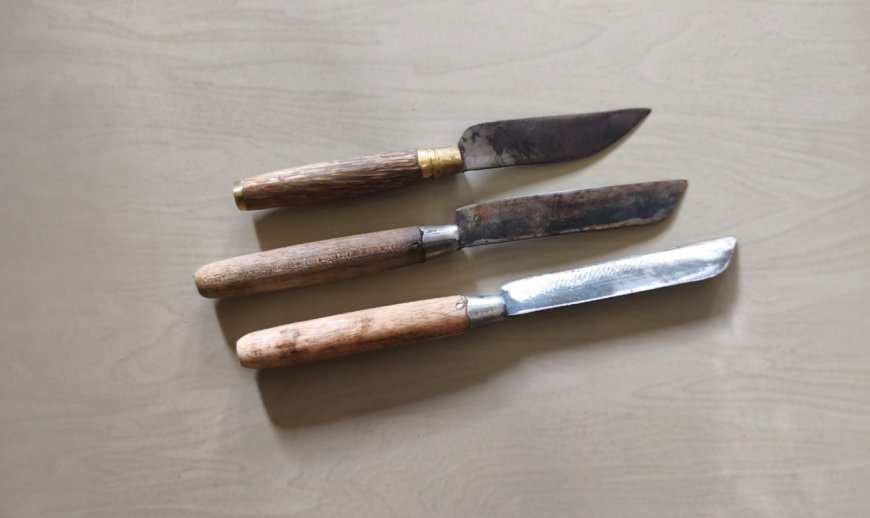
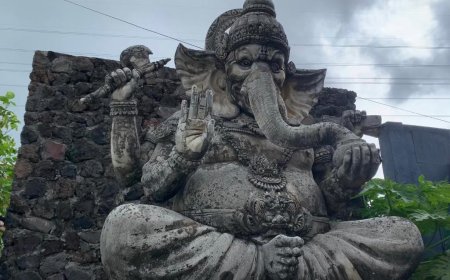
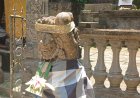
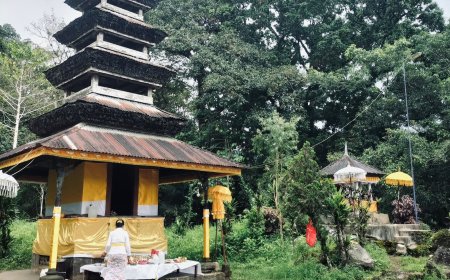
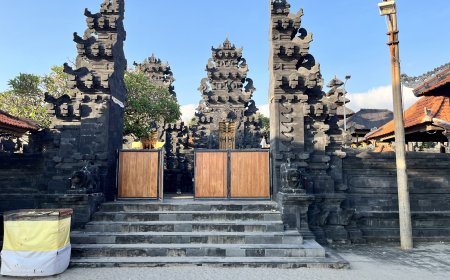
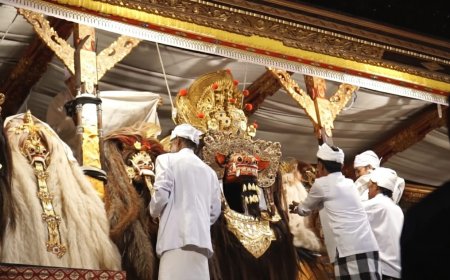
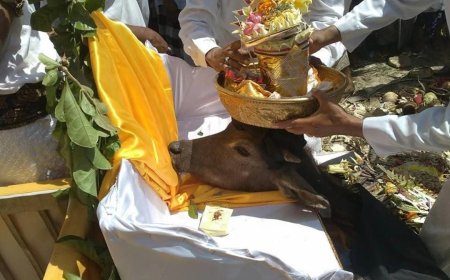
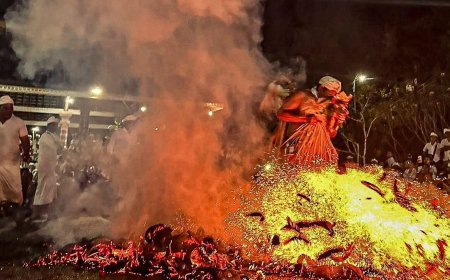
Auspicious Day for Making Sharp Tools (Source: Personal Collection)
Kala Gacokan is a dewasa considered favorable for activities related to sharp tools. On this day, Balinese people believe that the making, repairing, or sharpening of sharp tools will result in optimal function and safe use. Tools such as knives, machetes, or other work equipment are believed to gain symbolic strength when made or sharpened during Kala Gacokan. In addition to its functional aspect, this dewasa also teaches caution and responsibility in the use of sharp tools. Thus, Kala Gacokan is not only related to objects, but also to human attitudes toward work.
Kala Sor, in the context of the Balinese Hindu calendar, is a time considered unfavorable (ala), especially for activities directly related to the ground such as plowing, farming, digging tunnels, or excavation work. These activities are believed to bring misfortune or failure if carried out during Kala Sor.
Merta Masa refers to the phase of the moon known as Sukla Paksa (the bright fortnight), which is the period from the new moon (tilem) to the full moon (purnama). This phase symbolizes growth, self-development, and the pursuit of wisdom, in contrast to Kersna Paksa (the dark fortnight) or panglong. This concept, together with Penanggal (early lunar days) and Panglong (late lunar days), reflects the cycle of life and spirituality, where humans are expected to balance their physical and spiritual lives, just as the moon alternates between brightness and darkness.
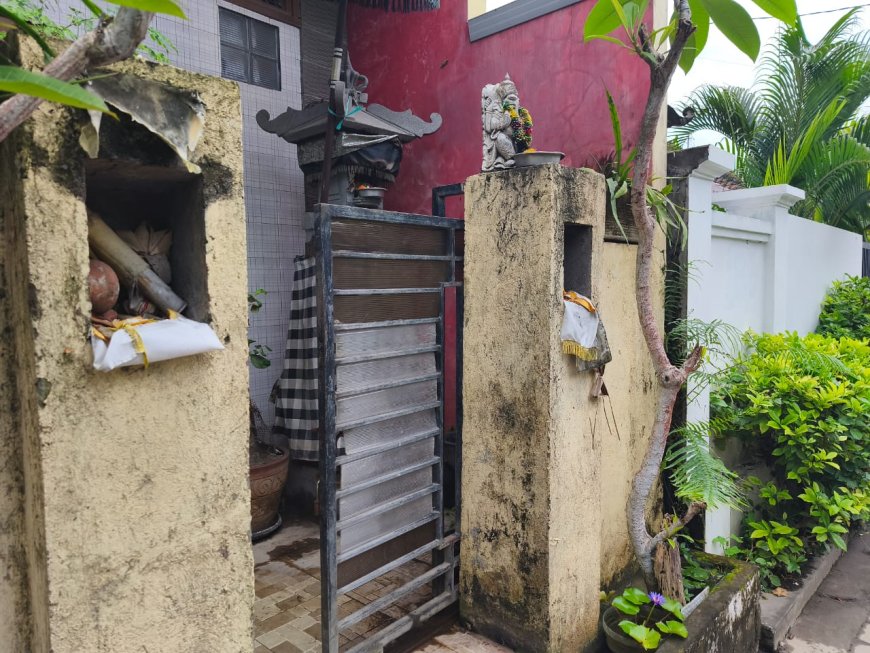
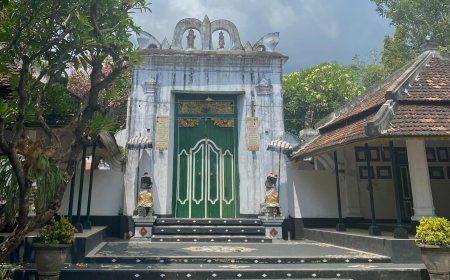
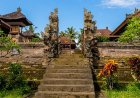
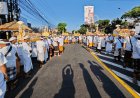
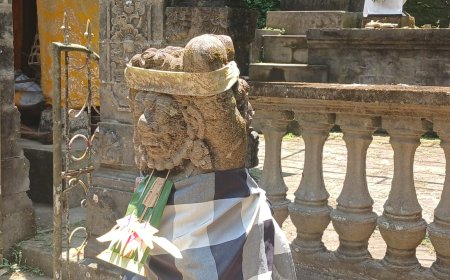
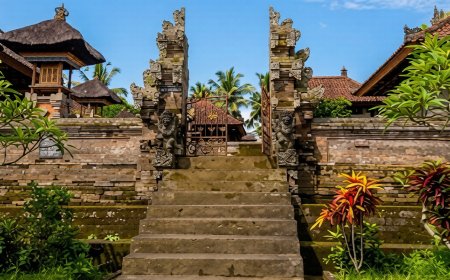
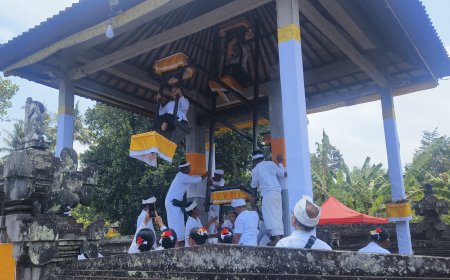
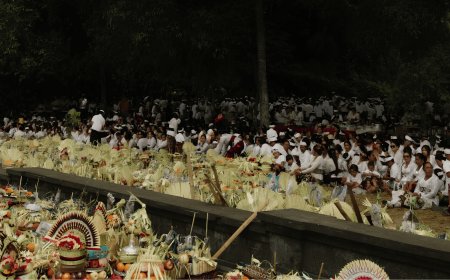
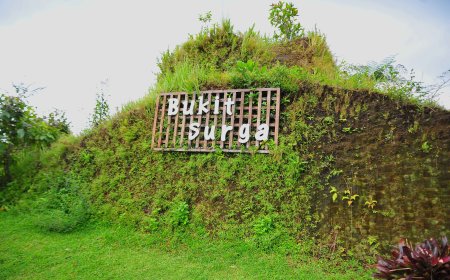
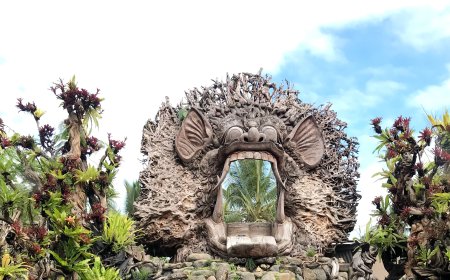
Auspicious Day for Building a Yard Wall (Source: Personal Collection)
Kala Dangastra is regarded as a favorable time for building walls or boundaries around a residential compound. Construction carried out during this dewasa is believed to provide protection and stability for the occupants of the house. Yard walls do not only serve a physical function but also hold symbolic meaning as protection against negative influences. By starting construction on Kala Dangastra, people hope that the house will become a safe, harmonious, and peaceful place to live. This dewasa reflects the importance of harmony between human living spaces and surrounding environmental energy.
Padewasan Subacara refers to the determination of an auspicious day (dewasa) for conducting Hindu religious ceremonies in Bali. It uses wariga calculations such as wewaran, wuku, penanggal, and sasih to ensure that rituals proceed smoothly and in accordance with religious teachings. Examples include pawiwahan (marriage ceremonies) or atiwa-tiwa (cremation or death-related ceremonies).
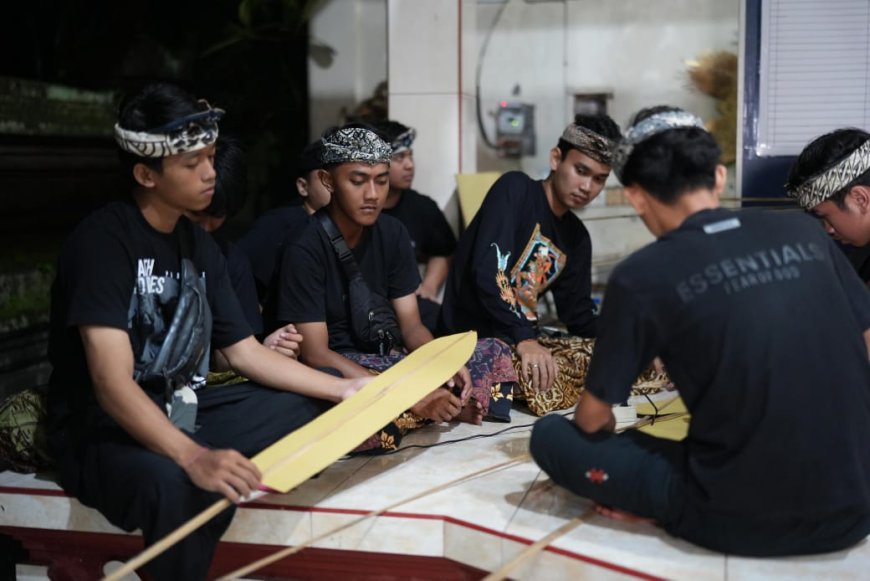
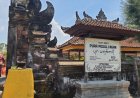
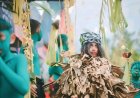
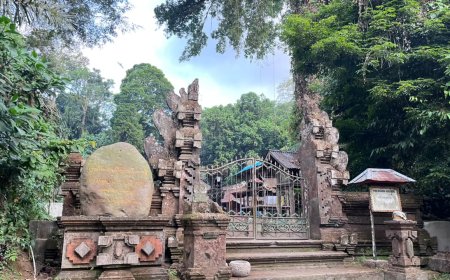
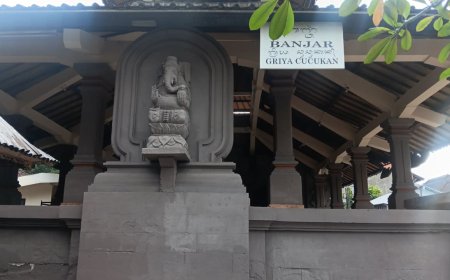
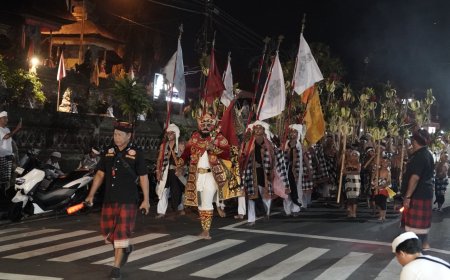
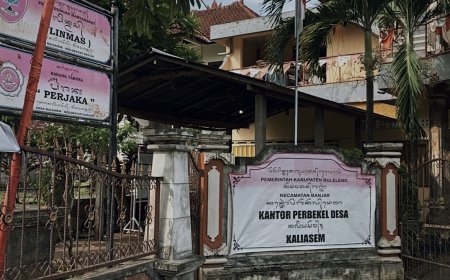
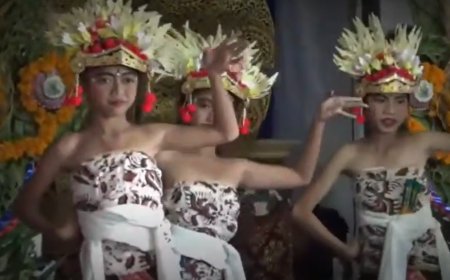
Auspicious Day for Performing All Types of Work (Source: Personal Collection)
Padewasan Ayu Nulus is known as a general dewasa that is favorable for performing various kinds of work. This day is believed to bring smooth progress, creativity, and optimal results in activities undertaken. One example of an activity suitable for Padewasan Ayu Nulus is designing ogoh-ogoh in the banjar (community hall). The process of creating ogoh-ogoh requires creativity, cooperation, and a strong sense of togetherness, all of which align with the energy of this dewasa. By choosing Padewasan Ayu Nulus, work is expected to proceed harmoniously and provide satisfaction for all parties involved.
Padewasan Gni Rawana is one of the auspicious day calculations (dewasa) in the Balinese calendar that signifies a time when the element of fire is at its peak of power and strength. This dewasa is highly suitable for activities related to fire, such as making penjor, forging metal, or cooking and burning processes, so that the activities run smoothly and produce perfect results. The word “Gni” means fire, while “Rawana” refers to its strength or intensity.
Padewasan Sedana Yoga is a concept within the Wariga system (the Balinese Hindu calendar) that combines auspicious day determination (Padewasan) with the principles of Yoga. It is particularly related to “Sedana,” which refers to elements of wealth, prosperity, and material well-being. This dewasa is used to determine very favorable days for activities that require financial success, business growth, or the enhancement of both spiritual and worldly prosperity.