


The Puseh Temple of Gunaksa : More than Just a Sacred Place, Closer to Wisdom
The Puseh Temple of Gunaksa Village in Bali is not only a place of worship, but also a window into spirituality and local wisdom. Through its rituals, community solidarity, and educational role, the temple is a guardian of Bali's rich culture, carries deep meaning, and embodies diversity in distinctive harmony.

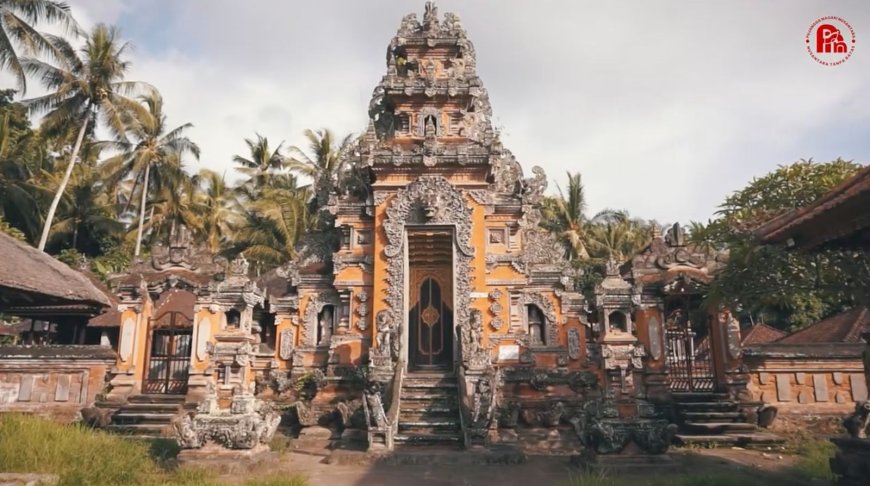
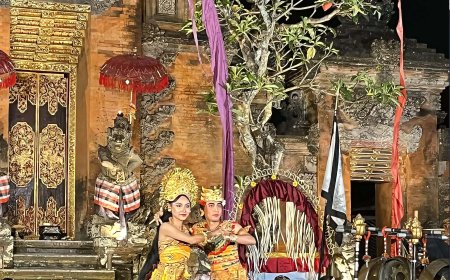
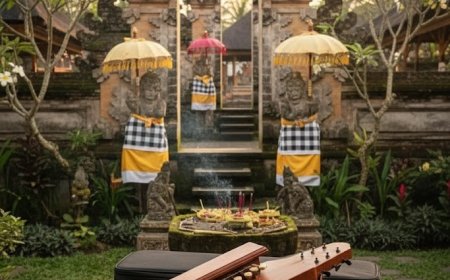
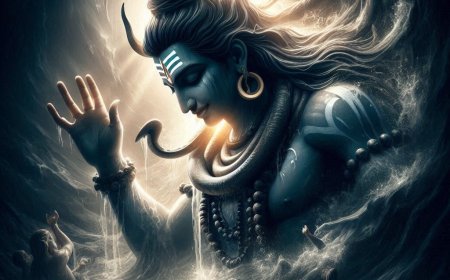
The Puseh Temple of Gunaksa Village, located in Gunaksa Village, Dawan District, Klungkung Regency, is a sacred place that has an important role in the spiritual life of Balinese Hindus. This temple is one of the three kahyangan temples of Gunaksa Village, which symbolically depicts the role of Lord Shiva as the fuser of the elements of life in the context of Tri Kona. As Pura Puseh, this place is considered the center of blessings and prosperity for mankind.
Meaning of temple name and position
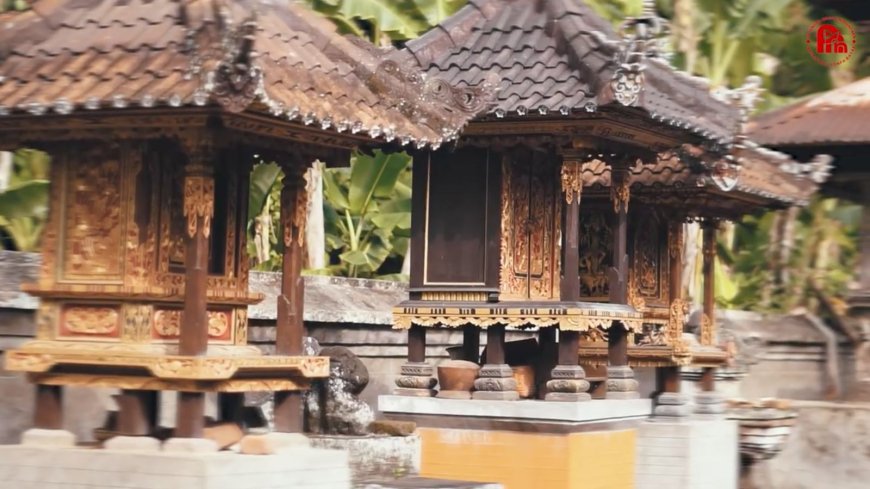
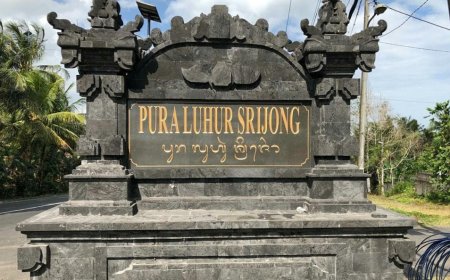
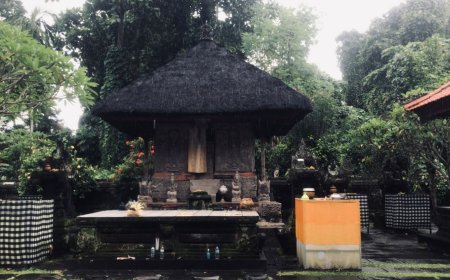
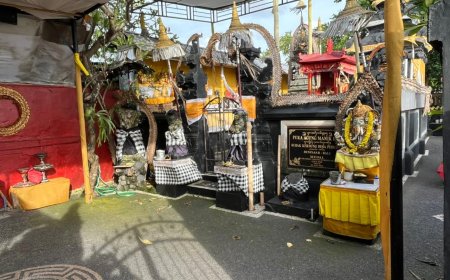
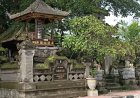
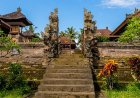
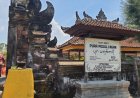
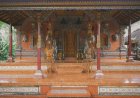
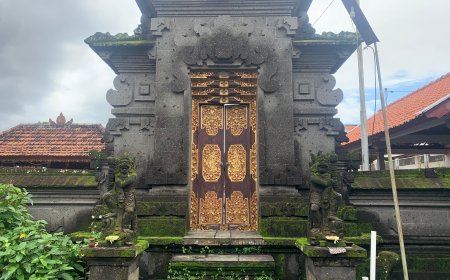
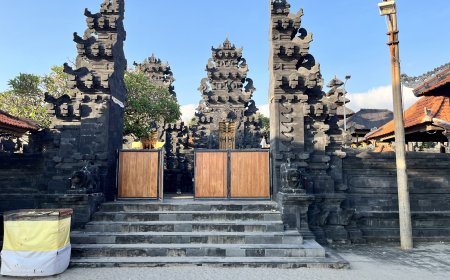
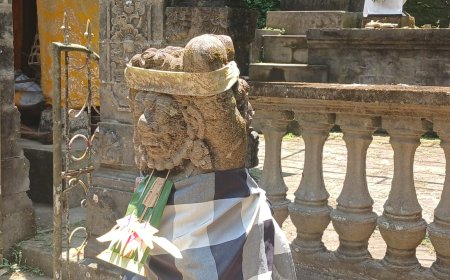
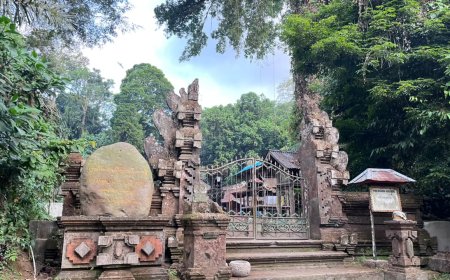
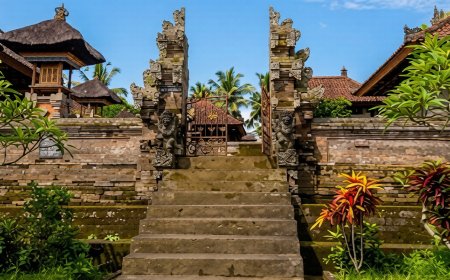
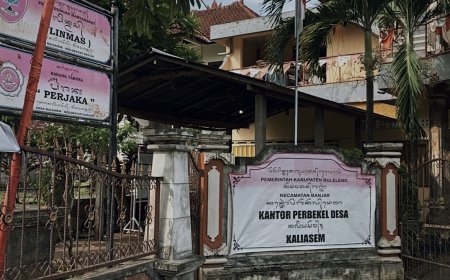
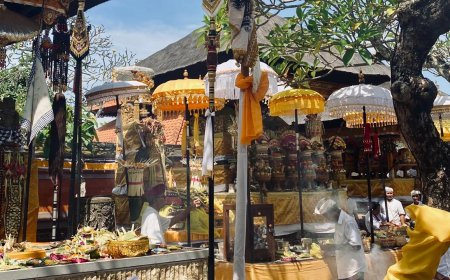
Puseh Temple Gunaksa Village (Source: Personal Collection)
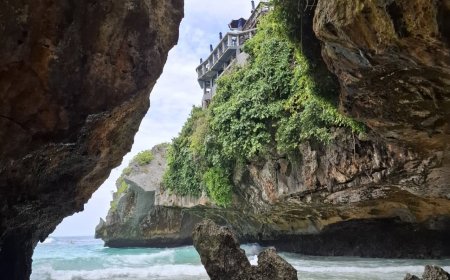
"Puseh" comes from the word "puser", which means center. Pura Puseh is considered the center of the world's well-being, a place where the abundance and blessings of life are worshiped and celebrated. In Balinese tradition, this temple is placed in the southern part of the village, often facing the coast, and in North Bali, it is often referred to as a segara temple.
Manifestation of Lord Vishnu
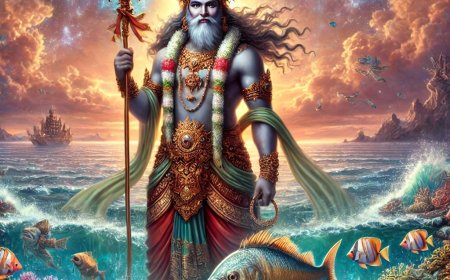
The Puseh Temple of Gunaksa Village is dedicated to Lord Vishnu, the God of Preservation in Hinduism. In sculpture, Lord Vishnu is depicted with the characteristic four hands, each holding a chakra, a sangka, and a fruit or lotus bud. His vehicle is Garuda, while his sakti is Sri or Laksmi, the Goddess of Prosperity.
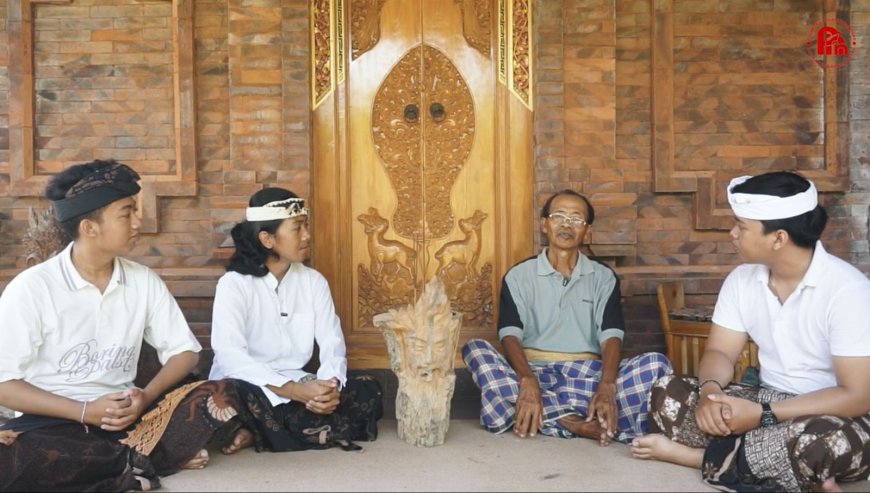
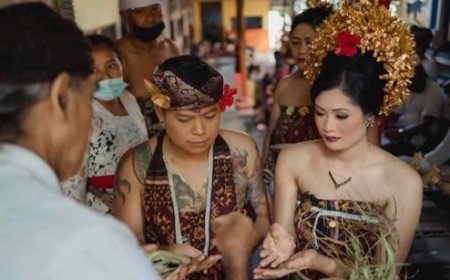
Interview with Pekak Awik of Gunaksa Village (Source: Personal Collection)
According to Pekak Awik of Gunaksa Village, this Puseh Temple has several deep functions, including:
1. Religious Function
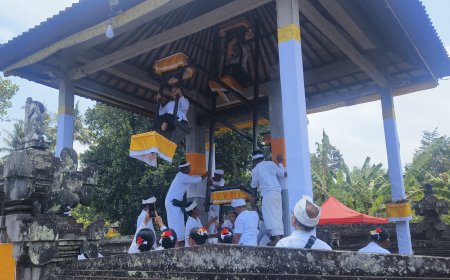
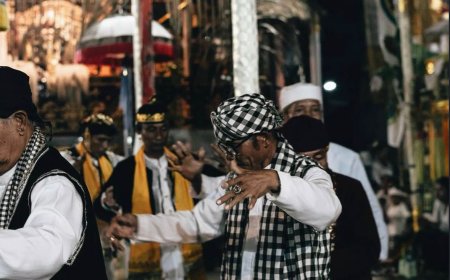
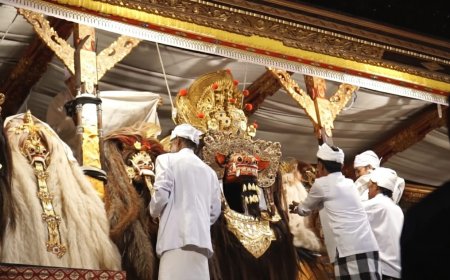
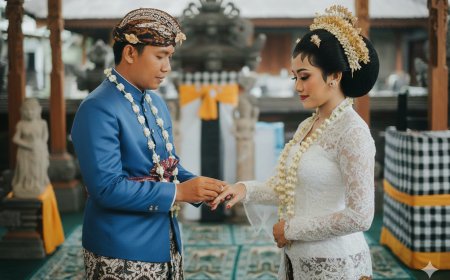
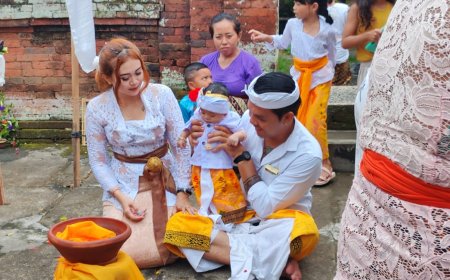
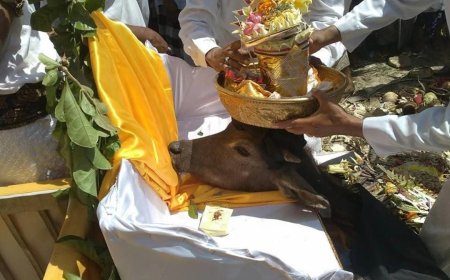
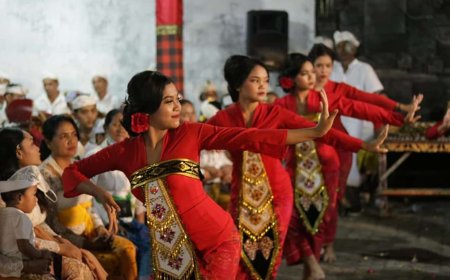
As one of the Kahyangan Tiga temples, Pura Puseh Gunaksa Village has the main function as a place of worship and protection. Hindus in Gunaksa Village gather here to perform various religious activities, including petirtan/piodalan, holy day celebrations, and ceremonies related to manusa yadnya, butha yadnya, and pitera yadnya. The temple is considered the stana of Lord Vishnu, who is worshipped to ensure the survival and well-being of his people.
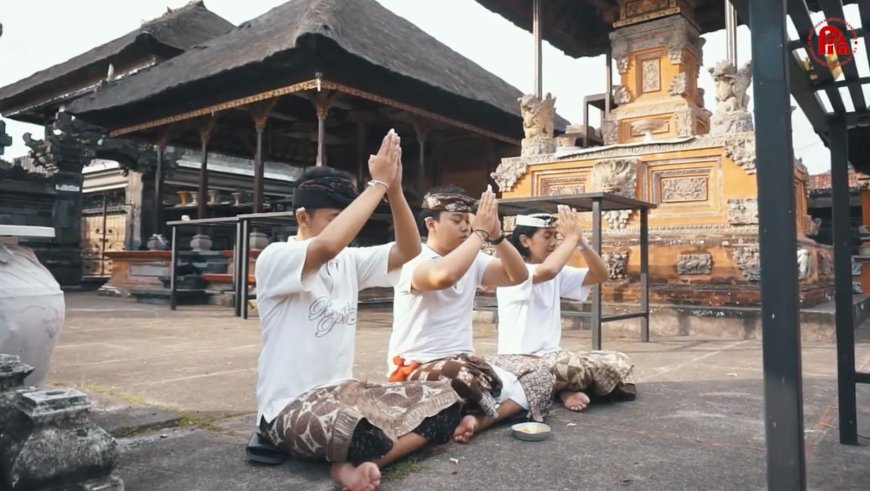
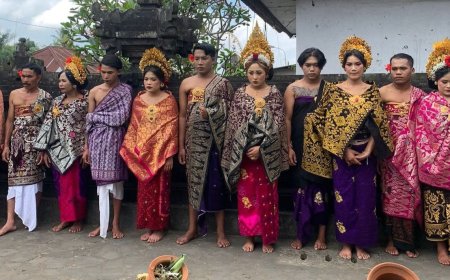
Praying at Puseh Temple in Gunaksa Village (Source: Personal Collection)
2. Magical Function and Occult Protection
Pura Puseh Gunaksa also plays a magical role in the life of the community. Rituals such as requesting tirtha kekuluh are used as a means to repel pests and diseases from the penyungsung area. The community believes that the temple has supernatural powers to protect Gunaksa Village from various threats. The customary chief of Gunaksa Village emphasized that this magical power is felt by the community when they ask for guidance and safety at Pura Puseh.
3. Social and Educational Functions
Pura Puseh of Gunaksa Village also acts as a community solidarity bond. Here, community members gather to ngayah, to contribute sincerely without coercion. The temple becomes a place for joint prayers, strengthening relationships between residents and fostering a sense of community.
In addition, temples function as a non-formal educational medium by conveying ethical values, manners, and morals. People learn about dignified living, culture, and procedures in worship. Pura Puseh is also an effective medium of communication among residents, where spiritual messages are delivered through dharma tula or dharma wacana.
Pura Puseh of Gunaksa Village is not only a place of worship, but the spiritual and social center of the Hindu community. The functions of religious, magical, non-formal education, community solidarity, and communication media make Pura Puseh a vital entity in maintaining and strengthening the connection between humans, nature, and God in daily life.