








Hidden Behind Time, Pakakalan as a Tradition Determining Sacred Days in Bali (Part 5)
In Balinese Hindu tradition, pakakalan refers to the determination of auspicious and inauspicious times for various activities. Each kala has a different function, for example, Kala Pager for building fences, Kala Panyeneng for establishing rules, Kala Sapuhau for agricultural tools, and Kala Ngeruda, which is unfavorable for ceremonies but good for making weapons. The existence of these kala serves as a guide for Balinese Hindus in maintaining the balance between sekala (the tangible world) and niskala (the invisible world).

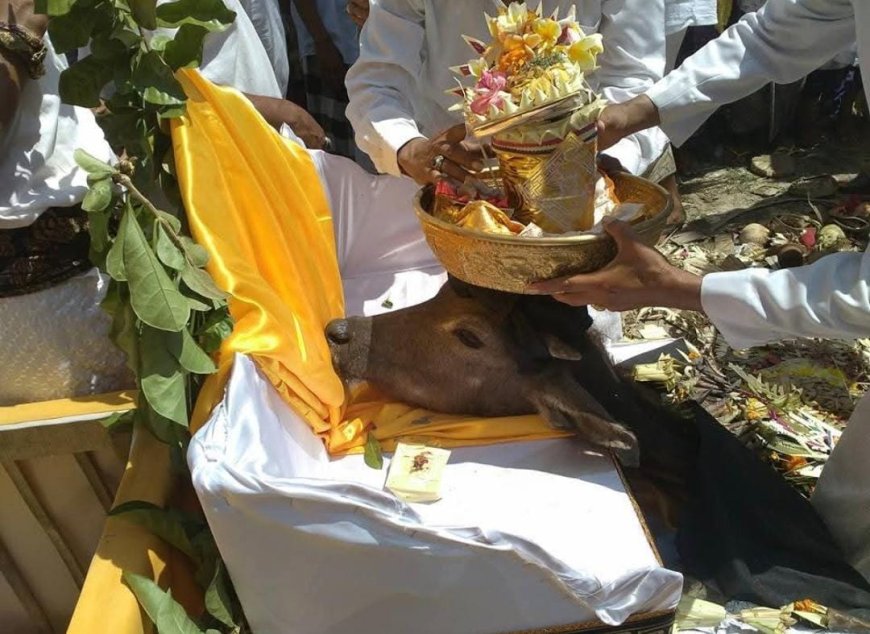
In Hindu tradition, particularly in Bali, people recognize various pakakalan, or determinations of good and less favorable times, for carrying out activities. Knowledge of these times is believed to significantly influence the smoothness, safety, and results of any undertaking. One of the frequently mentioned kala is Kala Pager, followed by other types such as Kala Panyeneng, Kala Sapuhau, Kala Ngeruda, Kala Angin, Kala Miled, Kala Magguneb, Kala Wisesa, Kala Suwung, Kala Luang, and Kala Rumpuh. Each kala has a different function and purpose, and they are generally used as guidelines for daily life.

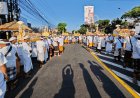
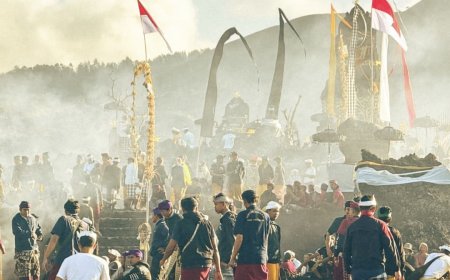
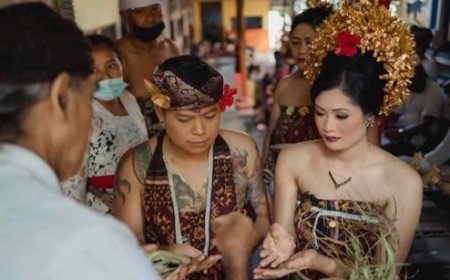
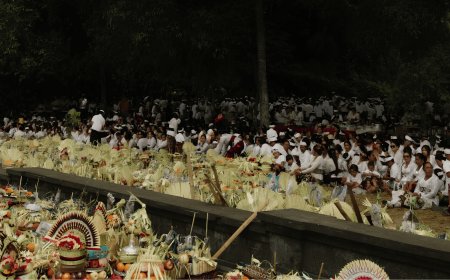
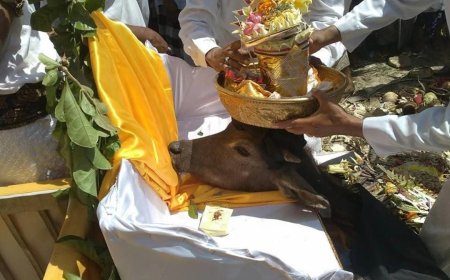
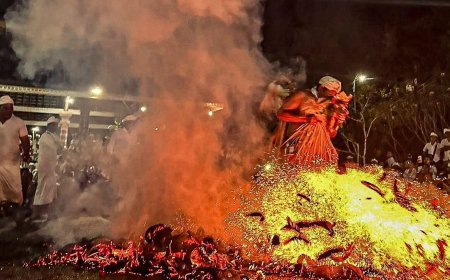
Yadnya Mecaru Ceremony (Personal Collection)
Kala Pager is considered an auspicious time for building fences around homes or protecting the yard. In Balinese culture, fences are not only physical boundaries but also symbols of protection from external disturbances. For instance, a family planning to build a penyengker wall in their home would choose Kala Pager to receive both tangible and spiritual protection. During this time, it is also advised not to travel far, as it is believed to be inauspicious for major journeys.

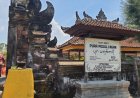
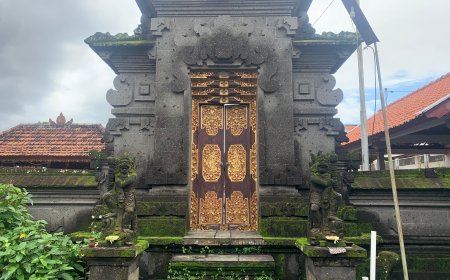
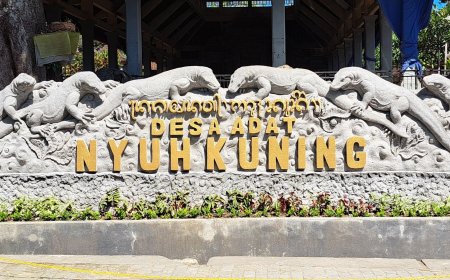
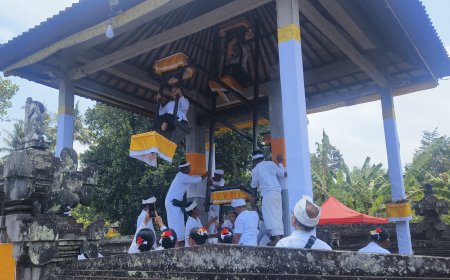
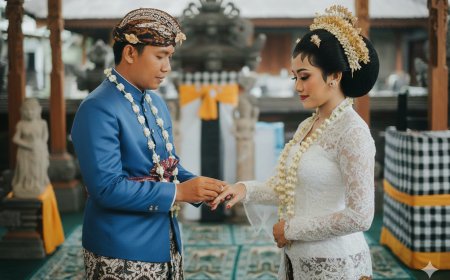
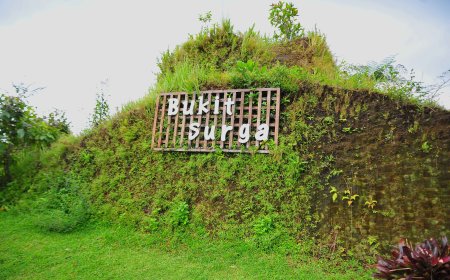
Pasraman of the Pemangku of Panjer Traditional Village (Source: Personal Collection)
In contrast, Kala Panyeneng is a good time for establishing rules, such as awig-awig in the customary village or regulations within a banjar group. This kala is also considered favorable for saving wealth or starting a savings plan. For example, if a family wants to decide on inheritance rules, or a community group wants to make a joint agreement, Kala Panyeneng is seen as the right moment.

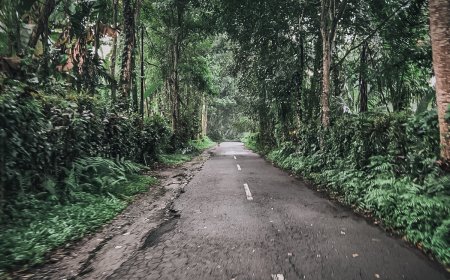
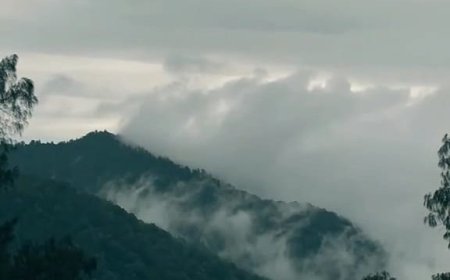
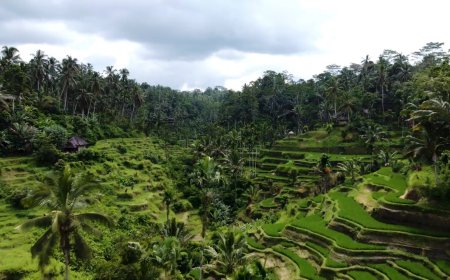
Scenery of Rice Fields (Source: Personal Collection)
In agriculture, Kala Sapuhau is considered the best time for crafting farming tools. For instance, a farmer may choose this time to forge a new hoe or repair a plow, believing the results will be stronger and more beneficial. Since agriculture is closely tied to Balinese daily life, the existence of this kala carries significant meaning.
However, not all kala bring good fortune. Kala Ngeruda, for example, is considered inauspicious for conducting yadnya ceremonies or major tasks. Yet, it is suitable for making sharp tools and weapons. For instance, a blacksmith may choose Kala Ngeruda to forge a keris or spear, believing the result will be sharper and more powerful.

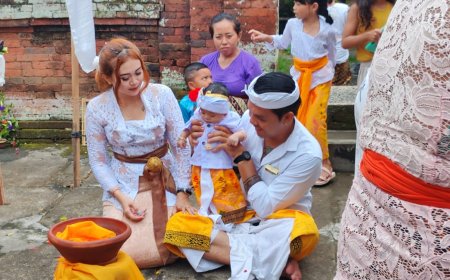
Maligia Ceremony (Source: Personal Collection)
There is also Kala Angin, which is an auspicious time for training livestock or pets. In daily life, a farmer may train his buffalo for plowing, or someone may train a dog to guard the house. By choosing Kala Angin, animal training activities are believed to be easier and more successful.
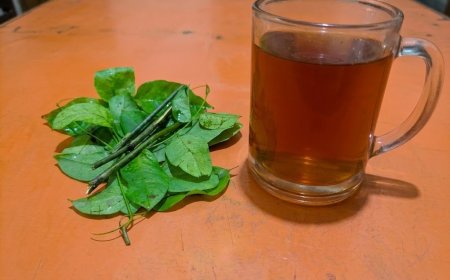
Meanwhile, Kala Miled is believed to be favorable for preparing various concoctions. For example, someone making traditional medicine from herbs or mixing jamu for health purposes would choose this time. In certain cultures, Kala Miled is also used for preparing stamina-boosting tonics for fighting roosters or crickets, demonstrating the close connection between the community and daily life.

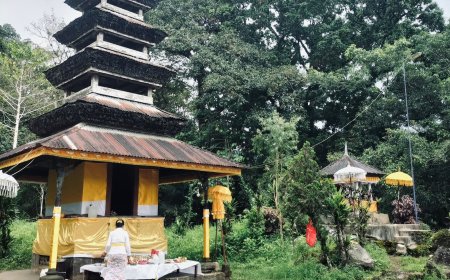
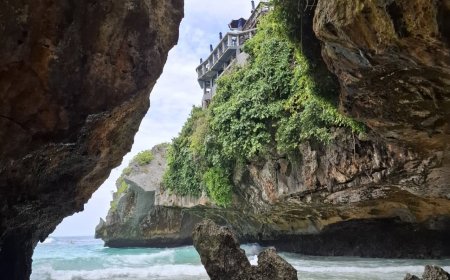
Arranging Offerings at Pura Pojok Batu (Source: Personal Collection)
Next is Kala Magguneb, which is suitable for making traps for animals and fish. This time is also favorable for creating spiritual protection from black magic. For instance, a fisherman might choose this kala to make a fish trap (bubu), or a pemangku could prepare a penyengker to protect the temple from negative energies.
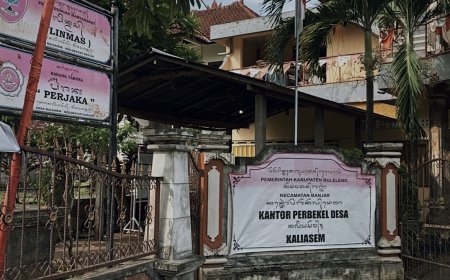
Kala Wisesa holds greater significance as it is considered an auspicious time for crowning leaders or inaugurating officials. In practice, a customary village may choose Kala Wisesa to appoint a new bendesa, or the village government may use this kala to inaugurate a perbekel. Choosing this time emphasizes the importance of spiritual power in leadership.

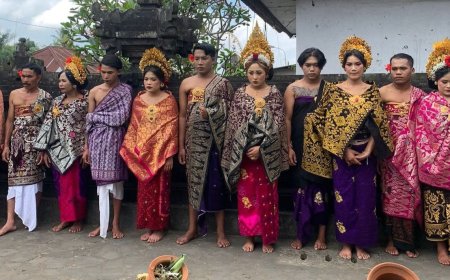
Tooth Filing (Metatah) Ceremony (Source: Personal Collection)
On the other hand, Kala Suwung is considered inauspicious for various activities, especially performing the Panca Yadnya ceremonies. Therefore, the community usually avoids major undertakings during this kala. For instance, if a family plans a tooth-filing or ngaben ceremony, this kala will be bypassed to prevent obstacles.
In contrast, Kala Luang is favorable for certain activities, such as digging tunnels or planting tuber crops. For example, farmers may choose this time to plant sweet potatoes or cassava. However, this kala is considered unsuitable for building dams, so such tasks should be postponed.

Caru Pengeruak Ceremony (Source: Personal Collection)
Finally, Kala Rumpuh is deemed inauspicious for starting animal husbandry, building a house, or moving to a new home. For instance, if a family plans to move to a new house, this kala should be avoided to prevent difficulties later. Similarly, starting a livestock business during this time is not advised.

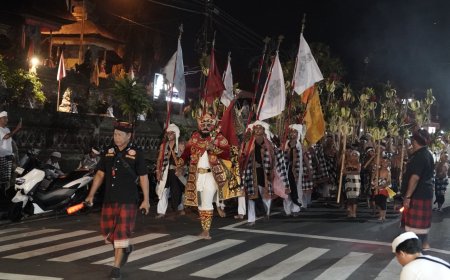
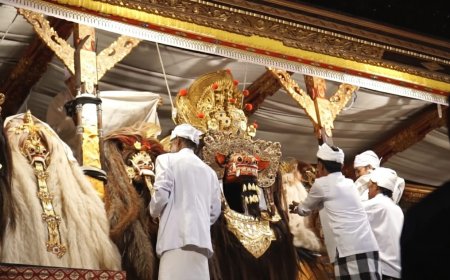
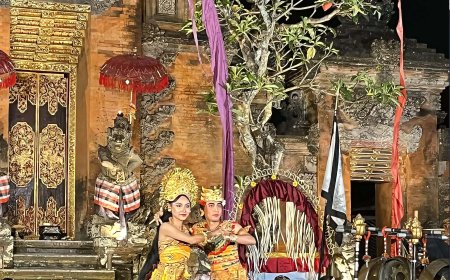
Yadnya Ceremony (Source: Personal Collection)
From these explanations, it is clear that pakakalan is not merely a way to count days but serves as a guideline that integrates spiritual, social, and cultural aspects. The presence of these kala demonstrates how Hindus strive to organize life harmoniously, maintaining the balance between the tangible world (sekala) and the invisible world (niskala).
Thus, understanding and applying kala in daily life is not just about following tradition; it is also a form of respect for the local wisdom passed down by ancestors. Kala Pager and the other kala guide each human step to remain in harmony with the universe and receive protection from Ida Sang Hyang Widhi Wasa.