



Tracing the Mapepada Ritual at Pura Taman Saren Kangin: Guiding Animal Spirits to a Higher Realm
The Mapepada ceremony at Pura Taman Saren Kangin stands as a pivotal stage in the preparation of Ngenteg Linggih Mapedudusan Alit Mupuk Pedaging Lan Rsi Gana Medasar Tawur Panca Rupa in Desa Adat Mengwitani. Through the purification of the caru animals, this procession affirms the balance between the seen and the unseen, while revealing the profound spiritual depth embedded in Balinese Hindu tradition.

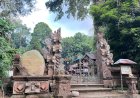
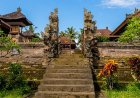
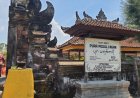
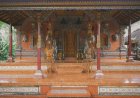
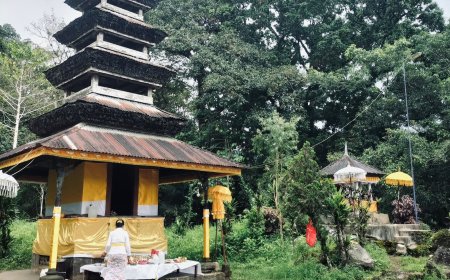
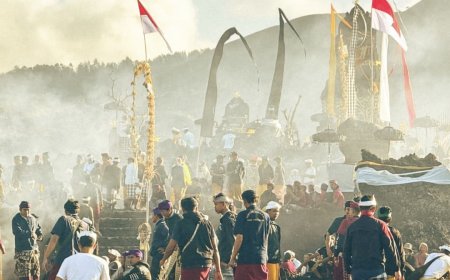
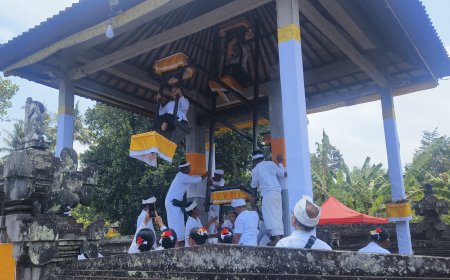
In the sequence of preparations for the Ngenteg Linggih Mapedudusan Alit Mupuk Pedaging Lan Rsi Gana ceremony based on Tawur Panca Rupa, the Mapepada ritual was carried out at Pura Taman Saren Kangin, Desa Adat Mengwitani, on Manis Galungan and the Fifth Tilem, Wraspati Umanis Dunggulan, 20 November 2025. This procession continued the earlier stages, Ngingsah, Ngadegan, and Nyuciang Bhatara Manik Galih performed on the same day, forming an orderly sequence leading toward the main ceremony.
Mapepada is one of the sacred rituals in Balinese Hindu tradition, emphasizing the purification of animals as part of the Bhuta Yadnya. Linguistically, the term stems from the Balinese word “pada,” meaning equal or foot, and within the ritual context it describes the alignment of a creature’s life essence so that it may be in harmony with the religious procession.

In its execution, Mapepada centers on the purification of the animal spirit being offered. Through this stage, the animal’s spirit is elevated in dignity, ensuring that after death it does not reincarnate again as an animal in its next life. This belief reflects the view that every living being holds a spiritual potential that can be refined through the proper ceremonial rites.
Before entering the core procession, it is essential to understand that Mapepada is closely tied to the concept of caru, a form of sacred offering dedicated to restoring and maintaining balance between the sekala and niskala realms. Caru is not merely a physical offering, but a cosmic harmonizing medium connecting humans with the forces of bhuta kala. In the context of Mapepada, caru forms the ritual foundation that legitimizes the use of animal offerings as symbols of natural energy alignment.

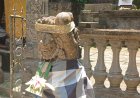
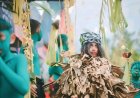
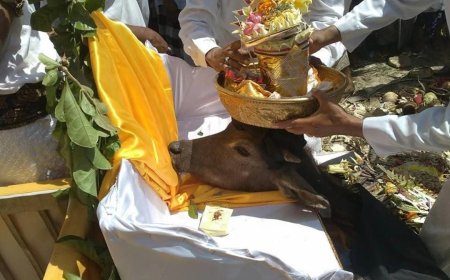
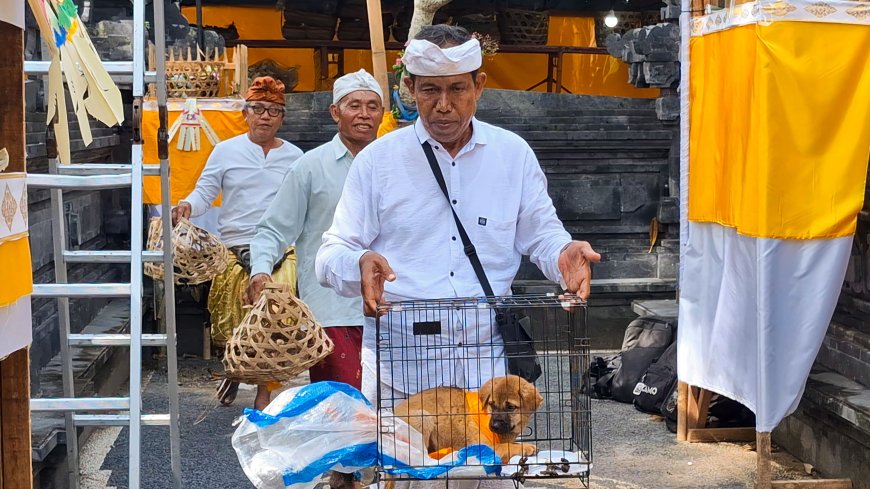
In this Mapepada procession, caru panca sanak is used, consisting of sacrificial animals such as asu bang bungkem, bebek bulu singkep, geese, goats, and a black male piglet. These animals are then led around the ritual area three times. This stage, known as Murwa Daksina, is interpreted as a movement toward a higher spiritual state. The procession symbolizes a journey of transcendence, granting the animal spirits the opportunity for spiritual elevation before they are ultimately offered in the ceremony.

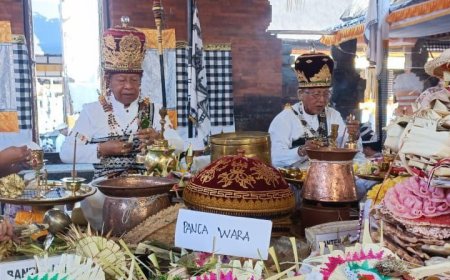
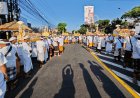
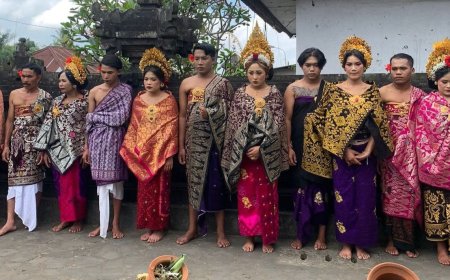
Ida Pedanda with the Krama Pura (Source: Personal Collection)
Amid the procession, Ida Pedanda Gede Ketut Putra Timbul of Griya Kawi Purna Timbul, Banjar Lebah Bangkung, Desa Mengwi, emphasized the essence of sanctity in the performance of Mapepada. He explained that the series of activities carried out that day formed part of the preparations for a larger main ceremony, and that every stage must be performed with pure sincerity.
“That is essentially it. Today’s activities, today’s work, are more of a preparation for the sequence of rituals that will follow. Desire alone is not enough; one must be pure. Only then can truly sacred words emerge from within us during this ceremony,” he stated.
This perspective underscores that the inner purity of the officiants serves as a fundamental foundation for ensuring that the entire procession proceeds properly and remains aligned with the values of dharma.
In the sequence of the ceremony, the pemangku leading the ritual also offered an explanation about the purification of animals and its connection to yadnya and cosmic balance. According to him, the ceremony not only prepares the animals ritually but also affirms the community’s spiritual responsibility to maintain the harmony of sekala and niskala. His explanation adds a deeper dimension to understanding how Desa Adat Mengwitani perceives the relationship between humans, animals, and cosmic forces within the sacred journey of the Mapepada ceremony.

The Mapepada ceremony itself is led by the Mangku Desa, Mangku Bale Agung, Mangku Kawitan Gaduh, and Mangku Saren Kangin. These religious officiants ensure that each sacrificial animal undergoes a process of purification and spiritual preparation before entering the sequence of Tawur Panca Rupa. Through this procession, the community offers proper respect and appropriate sanctification, allowing the animals to become truly ritually prepared, aligned with upheld spiritual values, and supportive of the sacredness and harmony that the entire ceremony seeks to uphold.