










Ngadegan Sang Hyang Tapini: Manifestation of Dewi Uma to Present Heavenly Taksu in the Making of Wewantenan
Amidst the preparations for the Karya Agung at Pura Kahyangan Saren Kangin, Desa Adat Mengwitani, the village krama carry out the Ngadegan ritual. This ritual aims to enthrone the main power: Sang Hyang Tapini. Based on Lontar Yadnya Prakerti, her presence becomes an absolute prerequisite to present heavenly taksu in the process of making wewantenan (offerings).

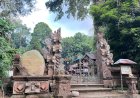
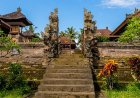
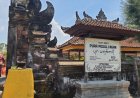
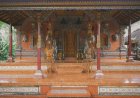
A solemn atmosphere envelopes Pura Kahyangan Saren Kangin, Desa Adat Mengwitani, Badung Regency. The village krama spill out to prepare the initial series of the Karya Agung. Among these various activities, the Ngadegan Tapini ritual holds a central role as the opener. Theologically, before physical activities of making ceremonial means are performed, spiritual preparation through the enthronement of Sang Hyang Tapini must be completed first.
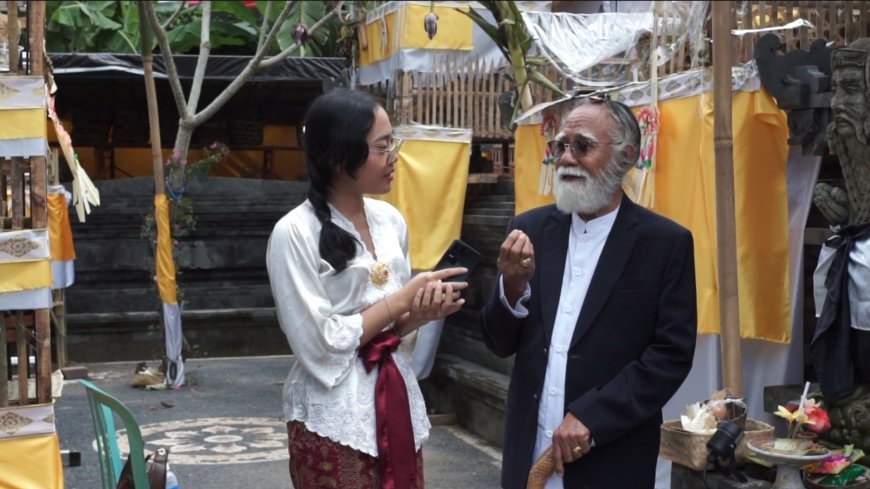
The importance of this ritual is reinforced through the results of an interview with Ida Pedanda Gede Ketut Putra Timbul. He explained that the meaning of Ngadegan Tapini has a very deep dimension for the ceremony executors. Sang Hyang Tapini is essentially the "Serati who is in Heaven" or the God of the offering makers. The main purpose of her enthronement is so that the Serati (offering makers) in the real world receive guidance directly. Every time the Serati are about to start work, they are obliged to nunas (ask for permission and inspiration) so that the wewantenan produced possesses heavenly taksu.
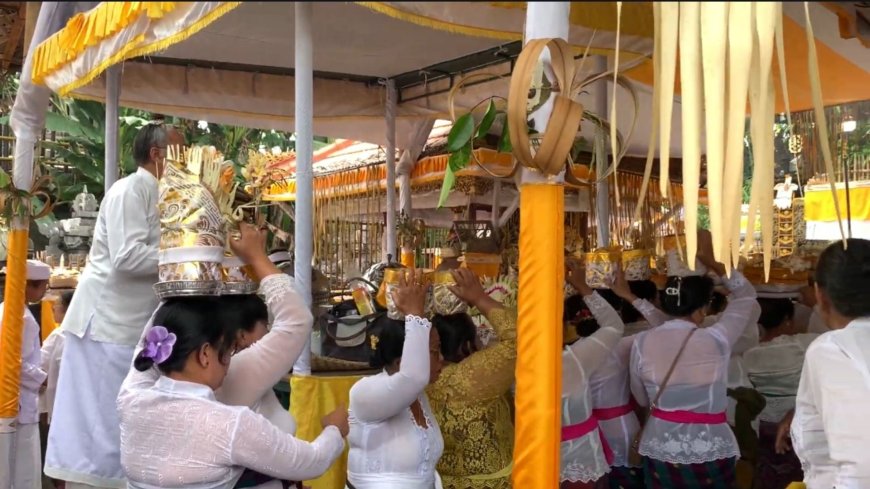
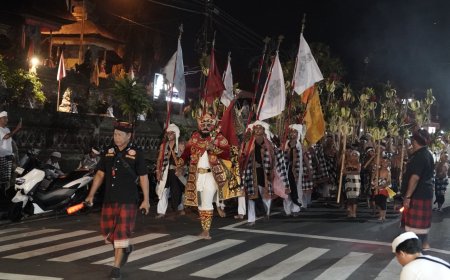
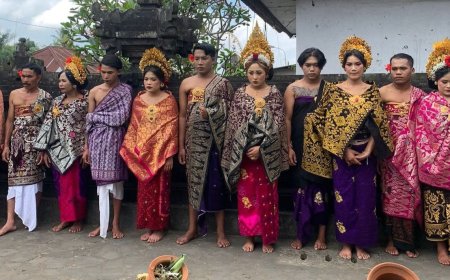
The Procession of Serati Carrying Daksina Tapini Towards Bale Payadnyan
(Source: Private Collection)
As a form of devotion and request for such guidance, the Serati in Desa Mengwitani carry out a solemn procession. They carry (nyuun) Daksina Tapini towards Bale Payadnyan. This procession is not merely ceremonial, but a symbolization that "The Guide" (Tapini) is being escorted to her main throne to begin overseeing and blessing the handiwork of the Serati in arranging coconut leaves and flowers into sacred offerings.
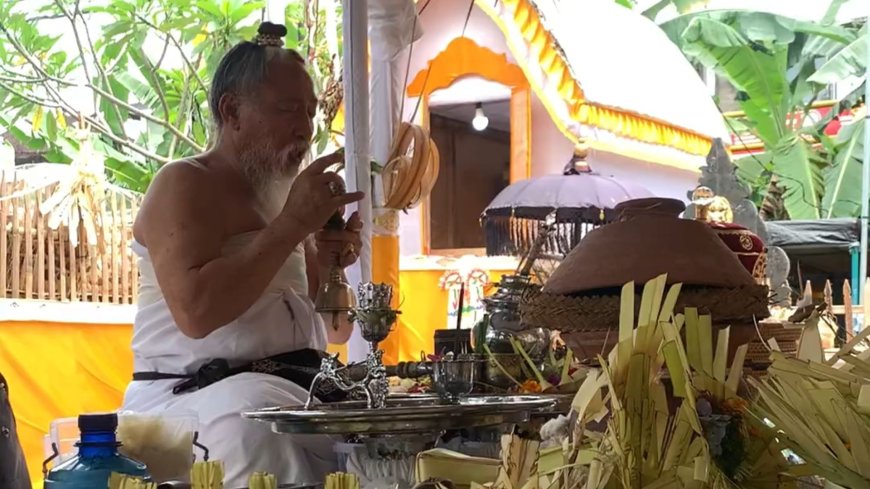
Ida Pedanda Leading the Puja Mantra (Source: Private Collection)
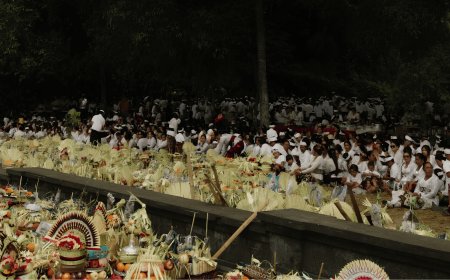
The spiritual legitimacy of this procession is strengthened by the role of Ida Pedanda who officiates directly over the ceremony. Referring to Lontar Yadnya Prakerti, his puja mantra specifically aims to request the presence of the sacred manifestation of Sang Hyang Tapini to the ceremony location. The presence of Ida Pedanda here is very vital, because he is present as a niskala bridge connecting the devotees' requests with the power of the deities, ensuring that Tapini who is presented is a sacred manifestation who will truly overshadow the work.
The Synergy between the sacred prayers of Ida Pedanda and the sincerity of the Serati's hearts is believed to be able to dissolve all mala (impurities) on the ceremonial means. This confirms an important principle in yadnya, that all means prepared are no longer profane objects or ordinary materials, but have been purified into sacred means ready to be offered. Without this purification process, the pile of coconut leaves and flowers is considered not yet having the "soul" or taksu required.

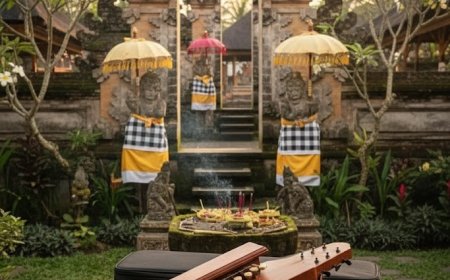
Daksina Linggih with Cili Decoration, Visual Symbol of Sang Hyang Tapini's Presence (Source: Private Collection)
The presence of Sang Hyang Tapini in this ritual is not only abstract, but is visually symbolized through the unique Daksina Linggih means. If observed carefully, on the top of the daksina there is a coconut leaf decoration shaped like a Cili. Cili is a stylization of a female form with a wide head decoration and a slender waist, which specifically represents Sang Hyang Tapini as a manifestation of Dewi Uma.
This symbolization contains a deep philosophical meaning related to the pradana or feminine aspect. As the Goddess who overshadows beauty, Sang Hyang Tapini is fully responsible for the refinement, neatness, and aesthetics of wewantenan. The union of the Cili symbol in Daksina Linggih is believed to radiate strong spiritual energy, guiding the hands of the Serati to be able to create ceremonial means that are not only complete according to the rules, but also beautiful and metaksu.
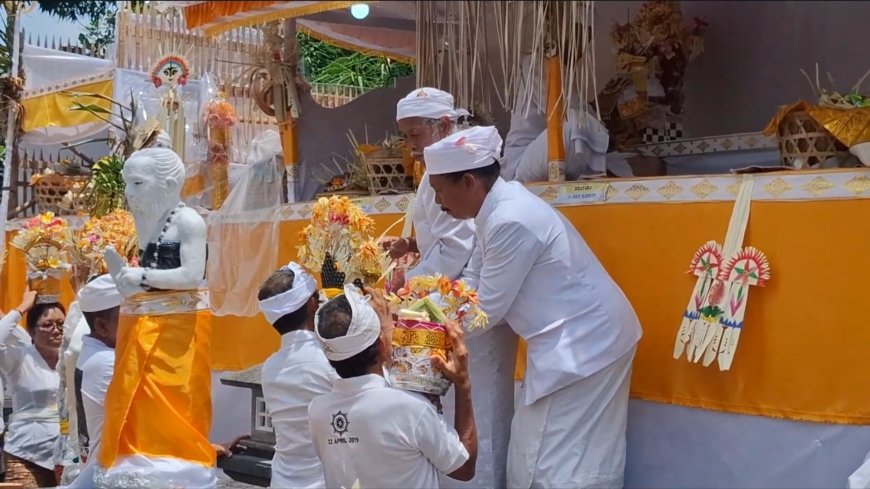
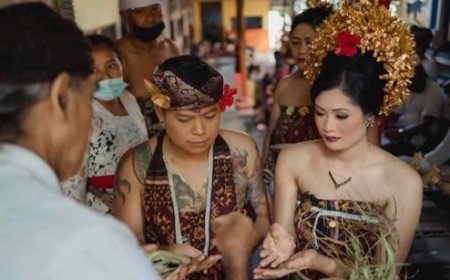
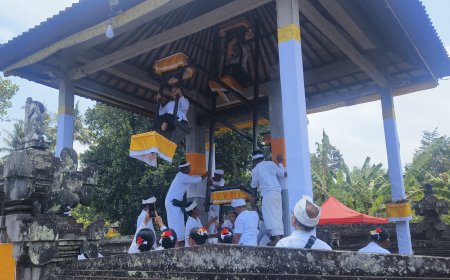
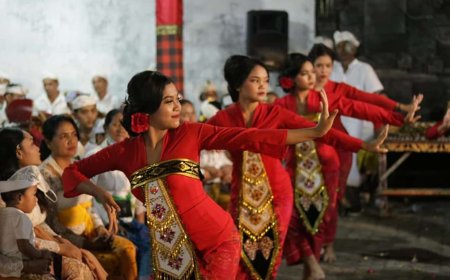
The Procession of Nglinggihang Daksina Linggih (Source: Private Collection)
The peak of the ritual is marked by the Nglinggihang (enthronement) procession. After Sang Hyang Tapini officially sits (melinggih), only then are the physical work stages of making offerings allowed with a calm feeling. "Blessing" from Sang Hyang Tapini has now been obtained, and the ceremonial means are believed to have transformed into sacred objects. The systematic series in Desa Mengwitani shows how important inner preparation is as a foundation for the success of outward activities in a Karya Agung.