







Hidden Behind Time, Pakakalan as a Tradition Determining Sacred Days in Bali (Part 1)
In Balinese tradition, the Wariga calendrical system does not only determine auspicious days but also unfavorable ones, known as Pakakalan. These days are believed to carry specific energies that influence various activities, ranging from religious ceremonies to everyday life. For example, Kala Katututan is considered unsuitable for death rituals, while Kala Gotongan is believed to support economic activities. Understanding Pakakalan helps Balinese society choose the appropriate timing so that each activity remains aligned with nature and yields the best possible outcomes. This knowledge serves as an important guide in maintaining spiritual and worldly balance.

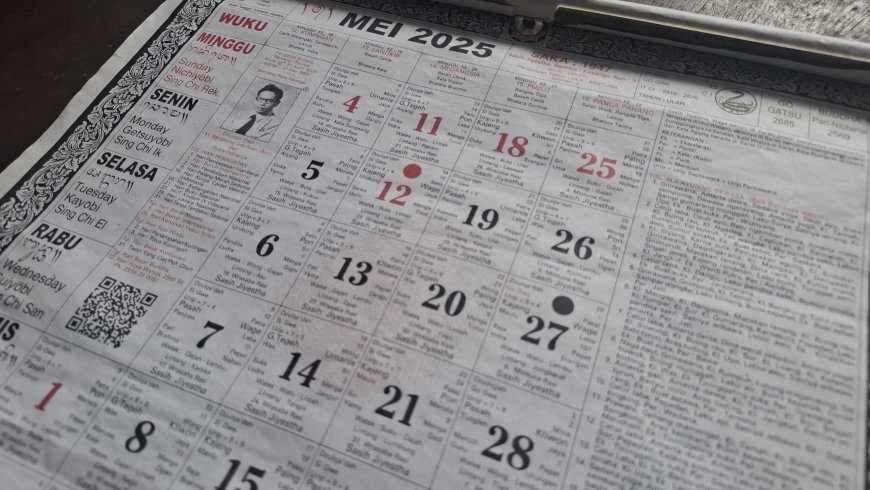
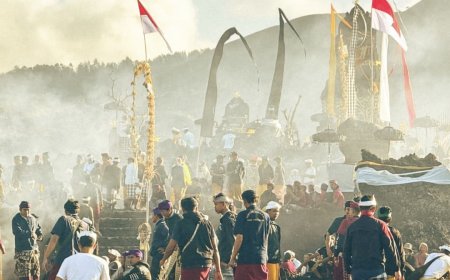
In the implementation of ritual activities, reference is often made to dewasa ayu (auspicious days). However, in traditional calculations there are also days considered unfavorable, known as Pakakalan. Pakakalan serves as a comparative reference for determining auspicious and inauspicious days based on the Wariga calendar system. These calculations are frequently used to identify alternative favorable days, especially in the context of performing Pitra Yadnya rituals. In practice, Pakakalan is further classified into several categories to facilitate comparison with dewasa in Wariga. Overall, there are 66 types of Pakakalan recognized in Balinese calendrical tradition.
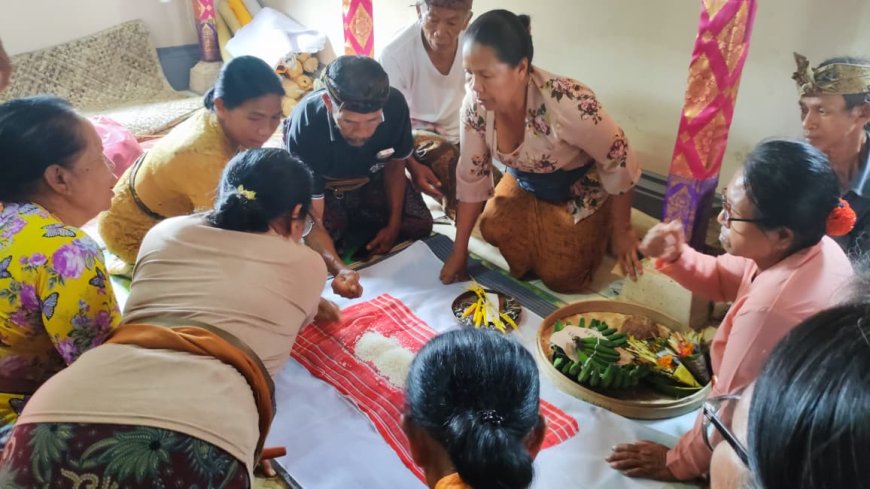
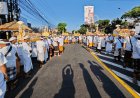
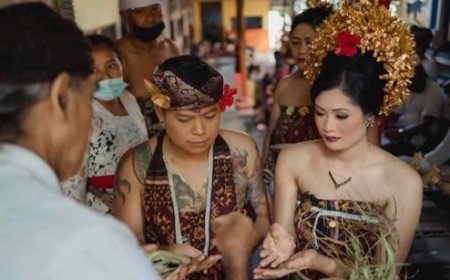
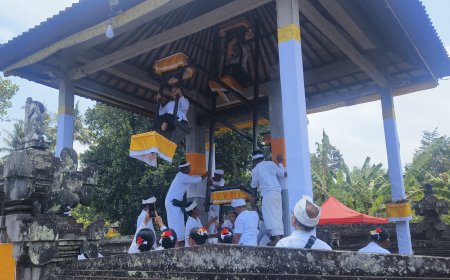
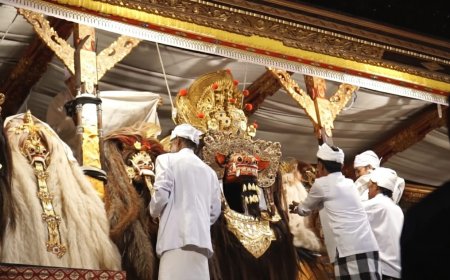
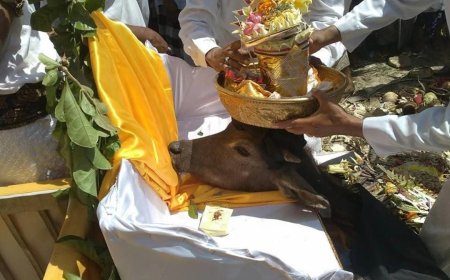
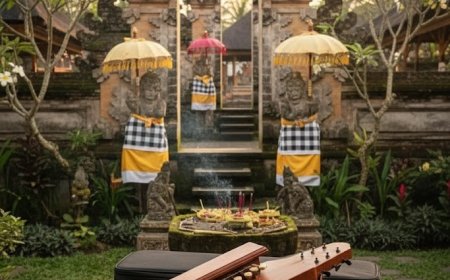
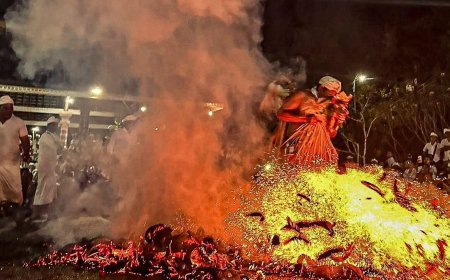
Pitra Yadnya Ceremony (Photo Source: Personal Documentation)
Kala Katututan, also known as Semut Sadulur, is one of the most commonly referenced pakakalan. This kala arises from the combination of Panca Wara and Sapta Wara whose urip values sequentially reach a total of thirteen. Balinese society believes that the energy present during Kala Katututan does not support the attainment of prosperity, particularly in economic activities and ritual practices. Since the number thirteen is often perceived as a symbol of imbalance, this time is considered inharmonious for important undertakings.
By personifying ants as a symbol of social activity, Kala Katututan or Semut Sadulur is believed to be an unfavorable day for conducting Pitra Yadnya or death-related rituals. In addition, this kala is also discouraged for economic activities such as starting a business or engaging in trade. Consequently, days that fall under Kala Katututan are generally avoided for major endeavors related to life continuity and livelihood.
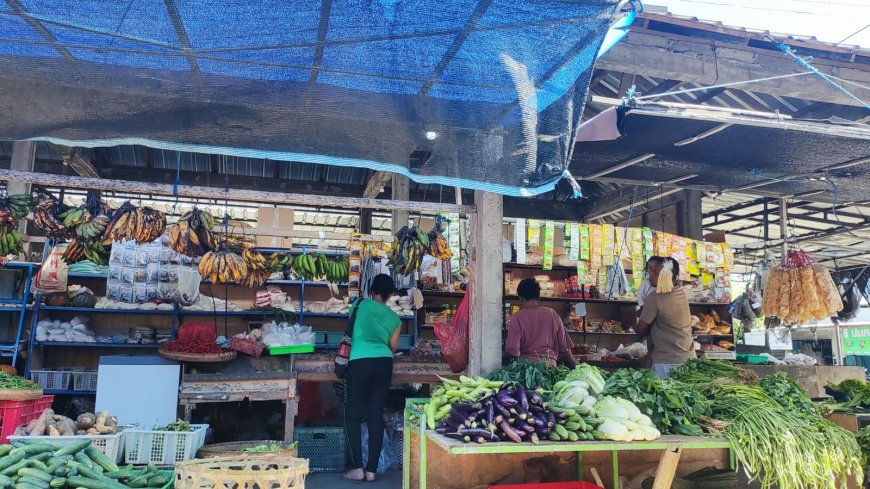
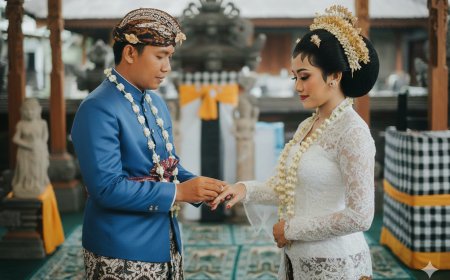
Trading Activities (Photo Source: Personal Documentation)
Kala Gotongan is one of the Wariga calculations formed from the combination of Panca Wara and Sapta Wara with a total urip of fourteen. This kala indicates a day that is unsuitable for performing Pitra Yadnya or death ceremonies. However, unlike Kala Katututan, Kala Gotongan is considered favorable for economic activities, such as starting a new business or conducting trade. The energy of this day is believed to bring good fortune, particularly in seeking livelihood and developing material prosperity. The number fourteen, which underlies this calculation, is perceived as symbolizing balance and positive strength that supports success.
Kala Beser is a Wariga determination based on wuku and Sapta Wara, rather than urip calculations. This day is considered a taboo time for building dams, ponds, canals, or for activities involving weaponry such as forging and sharpening sharp weapons. The energy of Kala Beser is believed to create obstacles if used for such activities, prompting the community to avoid them. Instead, this day is allocated for other tasks unrelated to large-scale construction or weapon-making, thereby maintaining balance and harmony with nature.
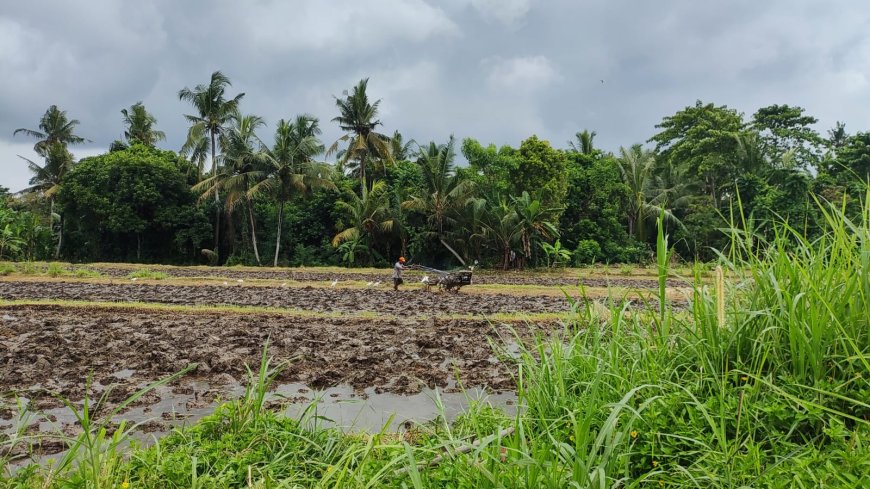
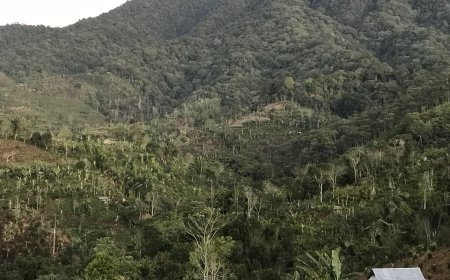
Plowing Rice Fields (Photo Source: Personal Documentation)
Kala Asuajeg has two classifications: Asuajeg Munggah (ascending) and Asuajeg Turun (descending), each carrying different influences on daily activities. Asuajeg Munggah is considered favorable for activities such as fishing with nets, land preparation, and planting rice, but unsuitable for planting tuber crops. Conversely, Asuajeg Turun is believed to be auspicious for cultivating tuber-producing plants, as it is thought to yield better harvests. Knowledge of Kala Asuajeg therefore helps the Balinese community align agricultural practices with appropriate timing to achieve harmony with nature.
Kala Mertyu is a dewasa considered favorable for initiating warfare or forging weapons of war, yet unfavorable for giving advice or performing yadnya. This day is perceived as unsupportive of spiritual activities, as it is believed to bring unfavorable outcomes. Consequently, Balinese society avoids Kala Mertyu for religious ceremonies. Nevertheless, in a worldly context, this kala is believed to provide strength for endeavors involving struggle and confrontation. This understanding illustrates that each kala serves a distinct function depending on the purpose of human activity.
Kala Timpang is regarded as an auspicious dewasa for crafting traps and weapons, including mines and magical or protective objects. This day is typically chosen for tasks related to strength and self-defense. However, it is not used for peaceful or sacred activities, as its energy is inclined toward harsh and forceful undertakings. Through this understanding, the community can appropriately assign timing based on intent. Kala Timpang exemplifies how Wariga offers guidance in selecting suitable times so that human actions remain aligned with cosmic harmony.
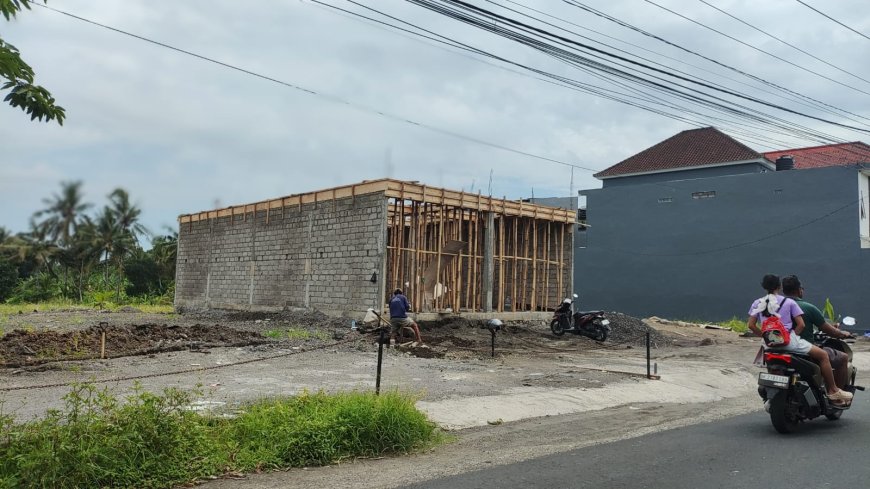
Building Construction Activities (Photo Source: Personal Documentation)
Kala Empas also has two forms: munggah (ascending) and turun (descending), each exerting different influences. Kala Empas munggah is considered favorable for laying house foundations and constructing buildings or rice barns, as it is believed to support strength and stability. However, it is unsuitable for planting tuber crops. In contrast, Kala Empas turun is regarded as auspicious for planting tubers, but unfavorable for constructing houses or buildings. Understanding these distinctions allows the community to select days aligned with specific objectives, whether for construction or agriculture.
Kala Caplokan is considered an auspicious day for making fishing tools such as fish traps, nets, and fishing lines. This kala is believed to yield beneficial outcomes when used to initiate work related to fishing activities. The energy of Kala Caplokan is thought to support successful catches, making it an important reference within Wariga for those who rely on marine and river resources for their livelihood.
Kala Gumarang is divided into Gumarang Munggah (ascending) and Gumarang Turun (descending). During Gumarang Munggah, the day is considered auspicious for performing Bhuta Yadnya, but unfavorable for planting betel leaves and tobacco. Conversely, during Gumarang Turun, the day is considered suitable for planting these crops. Kala Gumarang is calculated from the combination of Panca Wara and Sad Wara, along with specific urip wuku values that determine its classification. These guidelines enable the Balinese community to organize ritual and agricultural activities wisely in accordance with ancestral traditions.
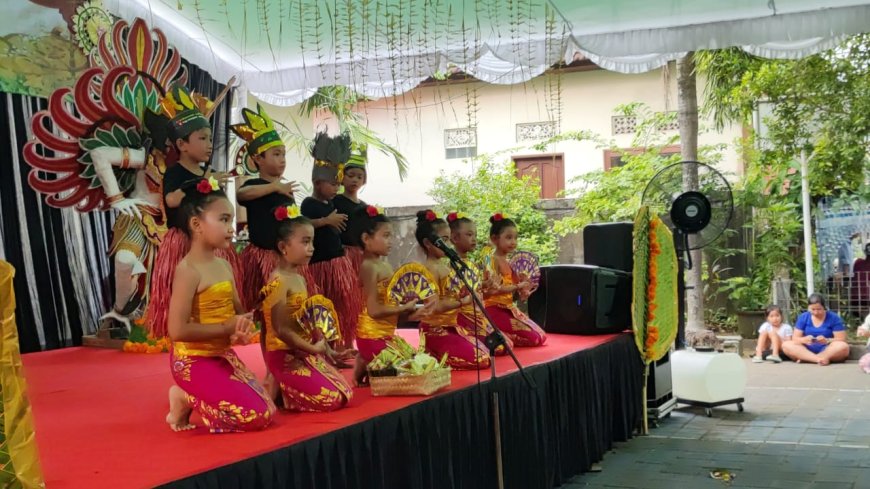
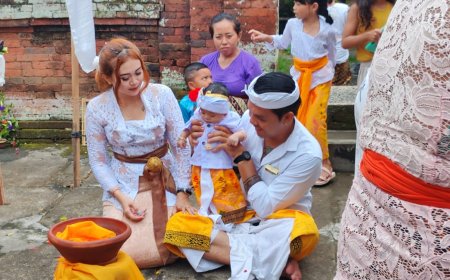
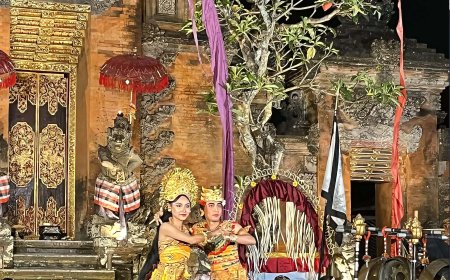
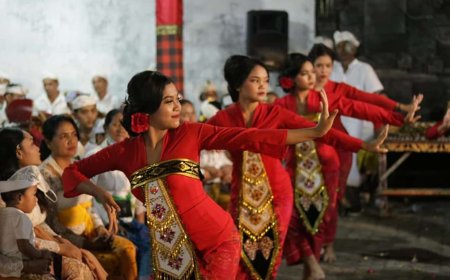
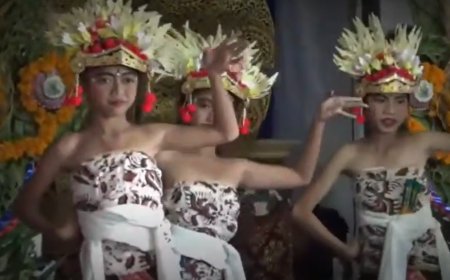
Children Practicing Dance (Photo Source: Personal Documentation)
Kala Jengking is a dewasa regarded as favorable for artistic training, such as dancing, pounding rice, or raising chickens. However, it is considered unfavorable for holding meetings, celebrations, or weddings, as it is believed to bring disharmony. The energy of this day is more supportive of physical practice and labor rather than social events. Consequently, Kala Jengking is used to refine skills while avoiding major communal gatherings, ensuring that activities proceed smoothly according to their intended purpose.
Kala Kutila is also distinguished into munggah (ascending) and turun (descending), each determining the auspiciousness of certain activities. Kala Kutila munggah is considered favorable for hunting and crafting traps, making it suitable for worldly activities involving skill and effort. Meanwhile, Kala Kutila turun is regarded as auspicious for planting rice, as it is believed to support abundant yields. Conversely, this day is unfavorable for hunting or trap-making. Thus, the classification of Kala Kutila emphasizes the importance of aligning activities with the appropriate temporal energy to ensure beneficial outcomes.
Kala Magelut, also known as Lutung Magelut, is a dewasa considered favorable for making traps, planting trees, and tasks such as hunting insects. However, it is regarded as unfavorable for conducting major ceremonies or yadnya, as its energy does not support sacredness. This timing is more suitable for practical, worldly activities, particularly those related to agriculture or protection. Therefore, the Balinese community utilizes Kala Magelut for technical tasks while avoiding it for religious ceremonies, reflecting the balance between spiritual and worldly life in everyday practice.