








Belega Traditional Village: A Village with a Global Cultural Heritage and a Historic Legacy Temple.
Belega Traditional Village, located in the Blahbatuh sub-district, Gianyar regency, Bali, spans approximately 2 square kilometers with a population of over 5000 inhabitants. Renowned as a bamboo craft center, the village showcases the skill and creative identity of its community along its streets.

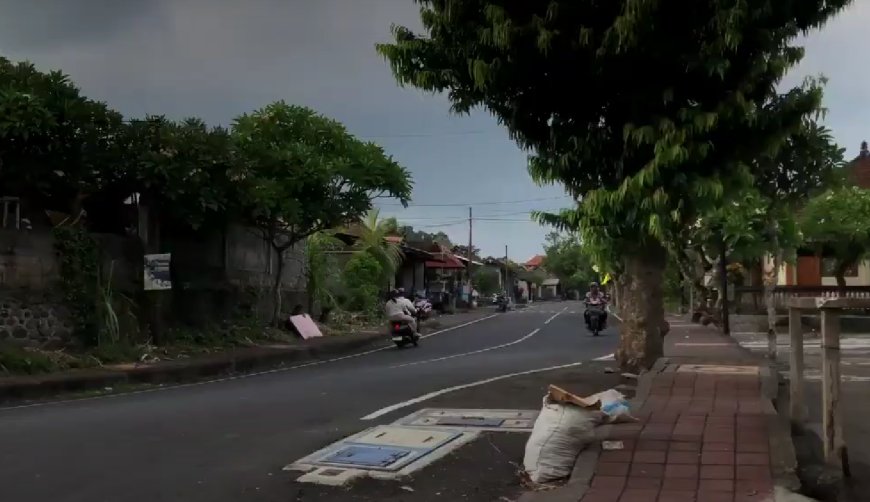
Gianyar Regency, situated in the province of Bali, Indonesia, plays a crucial role in preserving the cultural and traditional heritage of the island. Recognized as a hub of arts and culture, the regency is home to various traditional villages upholding Bali's distinctive traditions. One such highlighted area is the Blahbatuh sub-district, featuring Belega Traditional Village, famous for its bamboo craftsmanship. The village not only serves as a captivating bamboo craft center but also contributes to the diversity of arts and culture in Gianyar. Additionally, Gianyar boasts significant historical and religious sites, such as the Candi Gunung Kawi, enriching the cultural landscape. Moreover, Gianyar frequently hosts various festivals and art events, attracting tourists and enhancing the cultural experience on the Island of Gods.
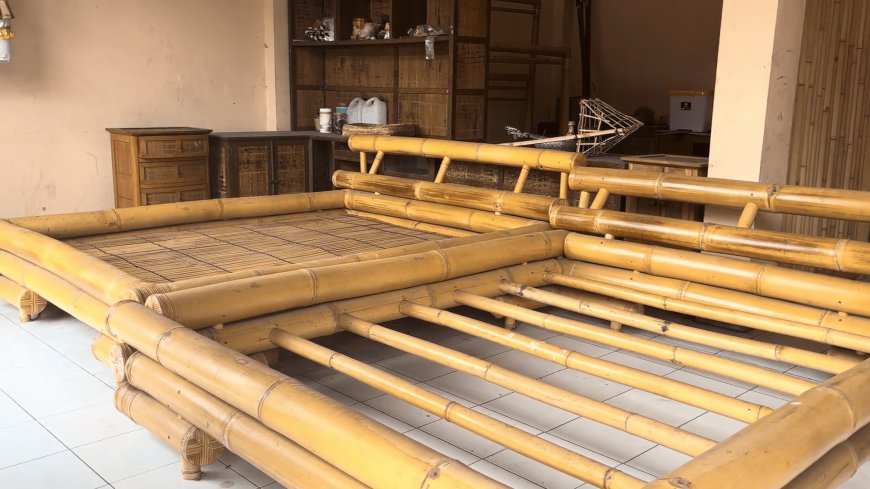
Bamboo Craft (Photo Source : Private Collection)
Bamboo crafting is a traditional art form that reflects the high skill and creativity of communities. In Belega Traditional Village, bamboo, as a readily available natural material, provides space for artisans to create a variety of captivating products. From weaving to carving, bamboo crafts take various forms, including household furniture, traditional musical instruments, and artistic decorations. Beyond its aesthetic appeal, the strength and flexibility of bamboo make it a primary choice for crafting durable goods. The bamboo craftsmanship in Belega Traditional Village not only mirrors the beauty of nature but also depicts cultural heritage and a love for tradition, enriching the diversity of arts and crafting skills across different communities worldwide.
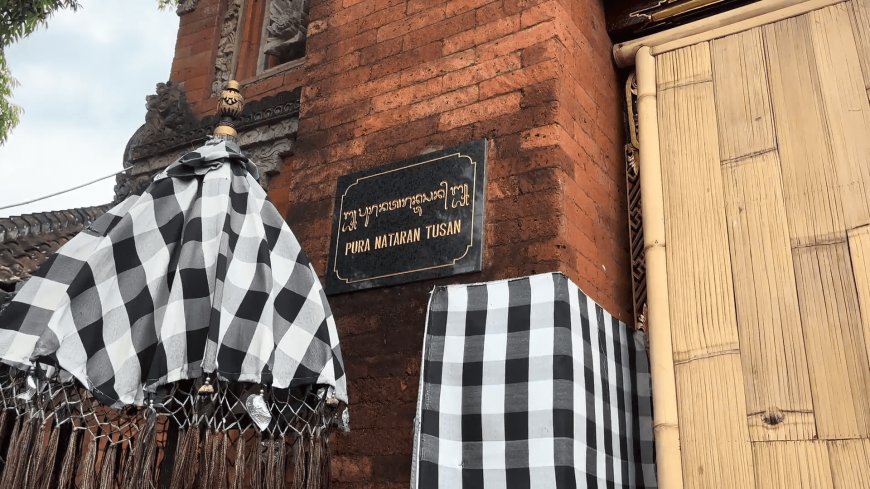
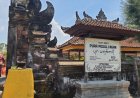
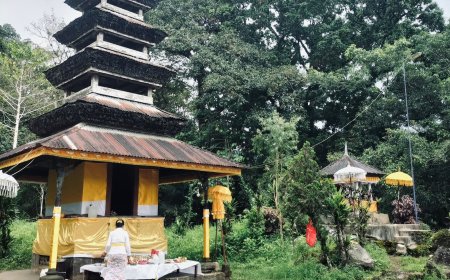
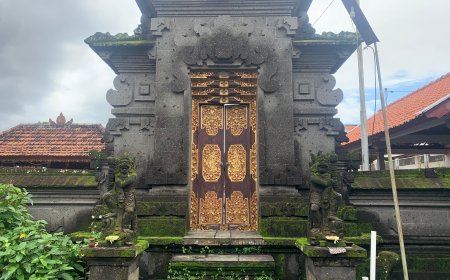
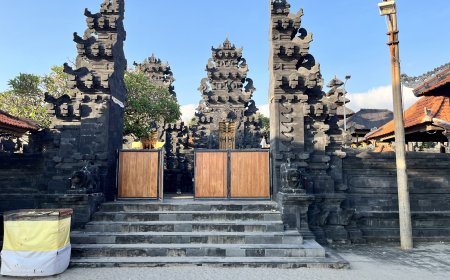
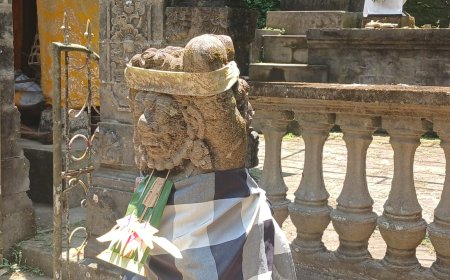
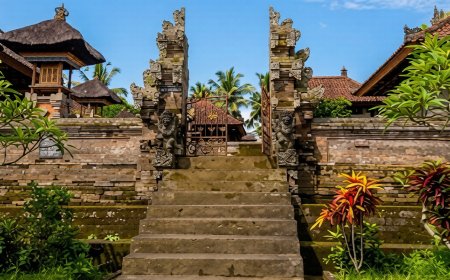
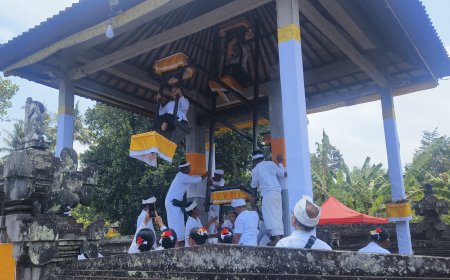
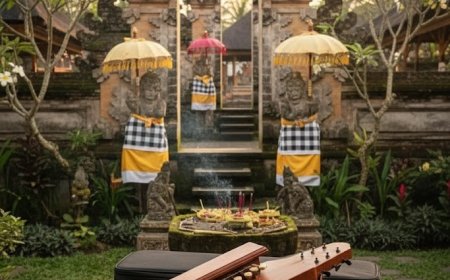
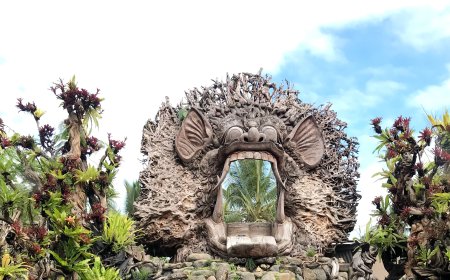
Penataran Tusan Temple (Photo Source : Private Collection)
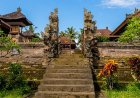
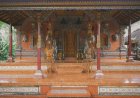
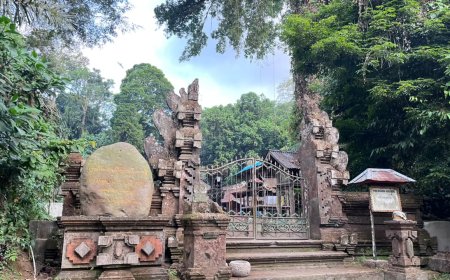
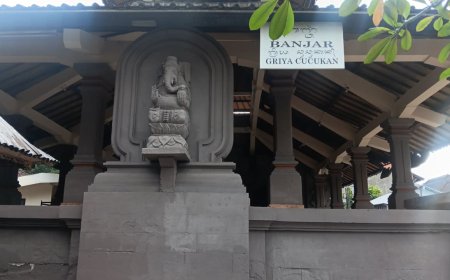
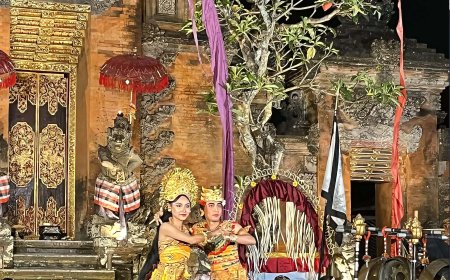
Belega Traditional Village, aside from being renowned as a bamboo craft center showcasing the skills and creativity of its community, also holds a valuable historical legacy related to Pura Penataran Tusan. This temple stands as a silent witness to the journey of I Gusti Gede Tusan, a family figure involved in the Gel-gel war. I Gusti Gede Tusan, the son of I Gusti Gede Petandakan, a military commander who faced defeat in the battle, chose the Nyineb Wangsa path as part of his effort to avoid conflict. Fleeing from Pura Kentel Gumi in Klungkung to the south, then west to Pantai Lebih and Pantai Saba, I Gusti Gede Tusan eventually arrived in Desa Belega. There, he erected Pura Penataran Tusan as a sign of respect and commemoration for his ancestors and the arduous journey.
Pura Penataran Tusan itself serves as a spiritual and cultural center with various buildings dedicated to honoring the ancestors of I Gusti Gede Tusan. The shrine named Segara Wilis at Pantai Saba holds significant importance in his spiritual journey. This temple, with its architectural complexity and symbolic meanings, not only marks a crucial point in the history of Belega Traditional Village but also illustrates spiritual strength and courage in facing change. Desa Belega can be a tourist destination for both international and domestic visitors to enjoy the bamboo crafts found in the village.