








Dalem Susunan Wadon Temple: A Sacred Space of Death Ritual Traditions of the Serangan Island Community
Pura Dalem Susunan Wadon is a sacred space that plays an important role in the death traditions of the Serangan Island community. The temple serves as a center for ancestral veneration rituals and spiritual purification, while also reflecting spiritual values, the continuity of tradition, and the cultural identity of the Serangan people passed down through generations.

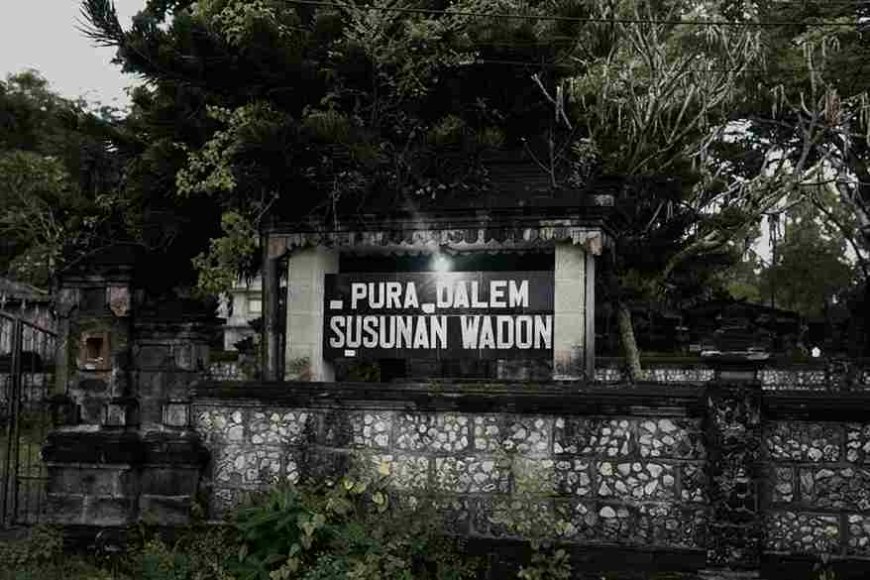
Dalem Susunan Wadon Temple is one of the ancient temples that holds strong historical, archaeological, and spiritual values in Serangan Island, Bali. Its location is quite close to Sakenan Temple, with a distance of only about one kilometer. This makes Dalem Susunan Wadon Temple an important part of the religious landscape in the southern coastal area of Denpasar. The uniqueness of this temple can already be seen from its name. The word “wadon” comes from the Javanese language and means “woman,” a term that is rarely used in the naming of temples in Bali. This gives the temple a special charm and also shows the influence of cross-cultural interactions in the past.

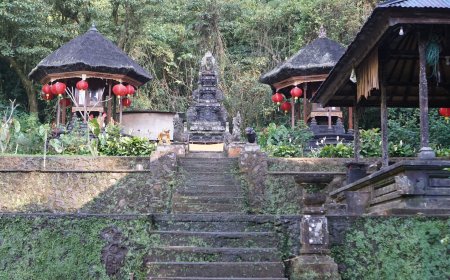
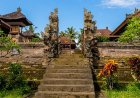
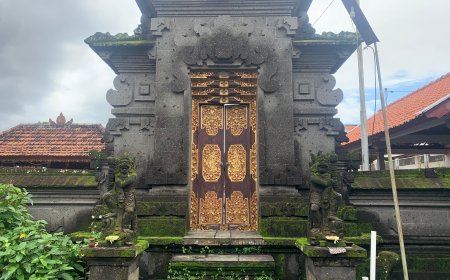
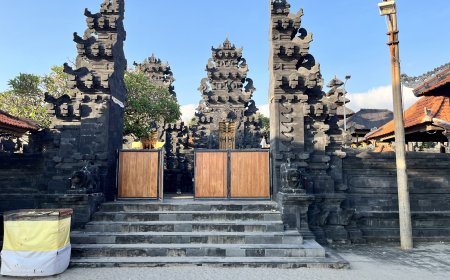
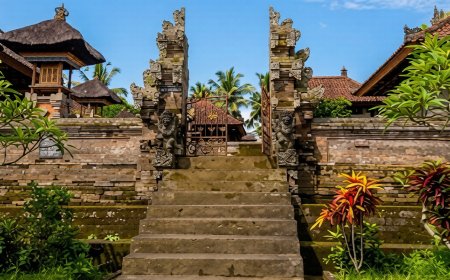
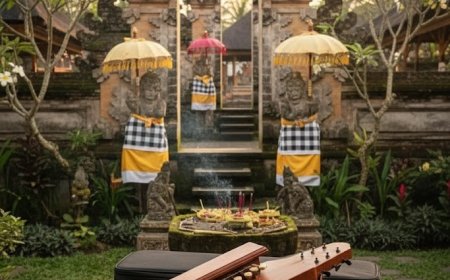
Jaba Tengah Area, Dalem Susunan Wadon Temple (Source: Private Collection)
In terms of spatial layout, Pura Susunan Wadon follows the common architectural concept of Balinese temples, known as Tri Mandala. The temple area is divided into three main sections: jabaan as the outer courtyard, jaba tengah as the middle courtyard, and jeroan as the most sacred inner courtyard. This arrangement reflects the philosophy of balance between sacred and non-sacred spaces. Based on historical and architectural studies, the temple is believed to have been built during the Mengwi Kingdom period around the 16th to 17th centuries. This conclusion is supported by the similarity of its architectural style to Pura Uluwatu and Pura Taman Ayun, which are important heritage temples from the same era.

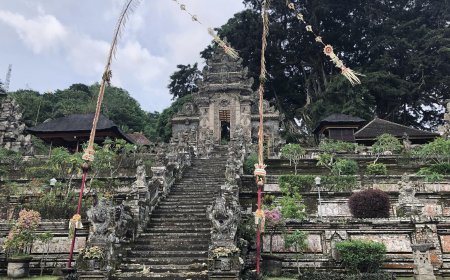
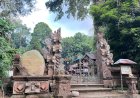
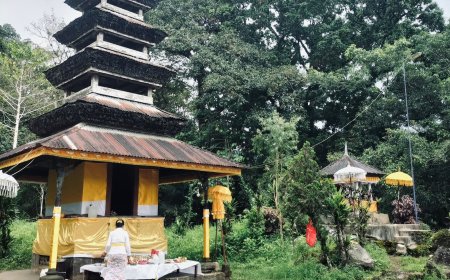
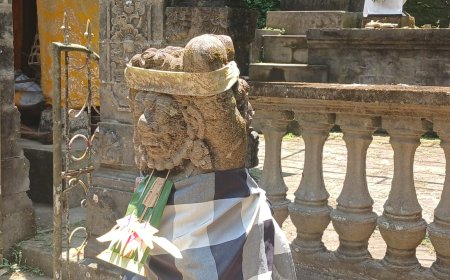
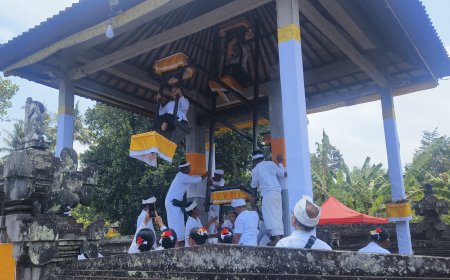
Prasada Dalem Susunan Wadon Temple (Source: Private Collection)
The significance of Dalem Susunan Wadon Temple is further strengthened by the presence of an archaeological relic in the form of a temple shrine or prasada located in the inner courtyard. This shrine is made of limestone and has a distinctive structure consisting of the base, body, and roof. The roof has only one tier and faces east, with a slender shape that resembles temples in East Java.
Archaeological studies suggest that this structure dates back to the 14th–15th centuries, indicating that the area had an important role long before the Mengwi Kingdom period. The prasada was restored in 1991 by BP3 Bali, NTB, and NTT, and it is now officially registered as a Cultural Heritage Building, highlighting its high historical value.

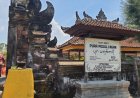
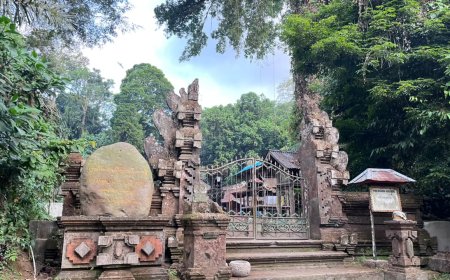
Front Yard of Dalem Susunan Wadon Temple (Source: Private Collection)
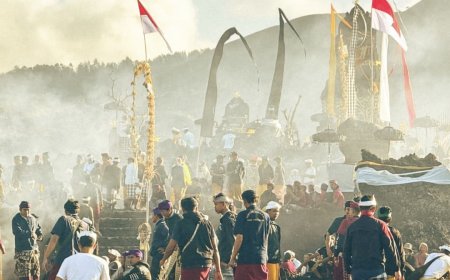
Overall, Pura Susunan Wadon is classified as a kahyangan temple, covering an area of about 400 square meters, with the main building measuring approximately 12 square meters. Although it is not large in size, the temple plays an important spiritual role for the local community. One of the religious ceremonies regularly held at this temple is Manis Kuningan, which is a sacred moment to pray for safety and harmony. Until today, Dalem Susunan Wadon Temple continues to be managed, cared for, and preserved by the people of Pekraman Serangan Village. This community commitment proves that Pura Susunan Wadon is not only a historical relic but also a living space that continues to serve as a spiritual center and cultural identity for present generations.