












The Charm of Udyana Sambong Temple: Tracing Brahmana Culture and Traditions in North Bali
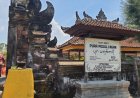
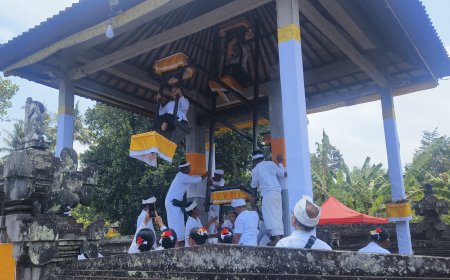
Udyana Sambong Temple is one of the temples believed to serve as an ancestral shrine for the Brahmana caste in North Bali. The existence of this temple not only holds religious significance but also symbolizes the reverence for ancestors that has been passed down from generation to generation among the Hindu community, particularly in the Buleleng Regency.

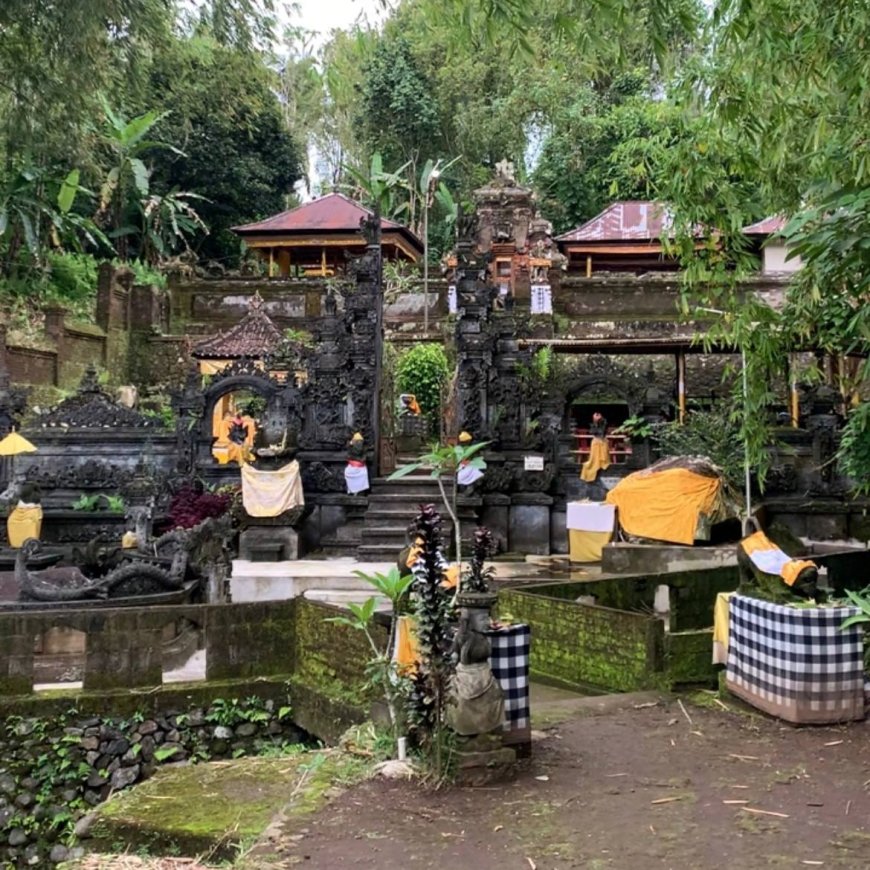
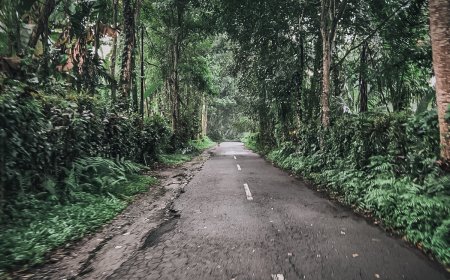
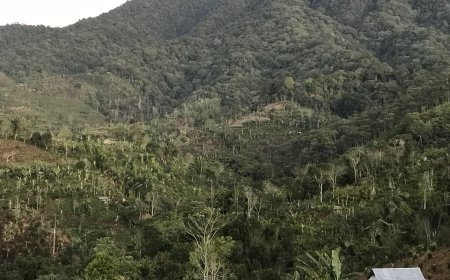
The temple is located in Kayu Putih Village, Banjar Subdistrict, Buleleng Regency. Its natural surroundings, which remain serene and well preserved, create a sacred atmosphere that strengthens the temple’s function as a place of worship and spiritual contemplation.
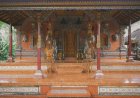
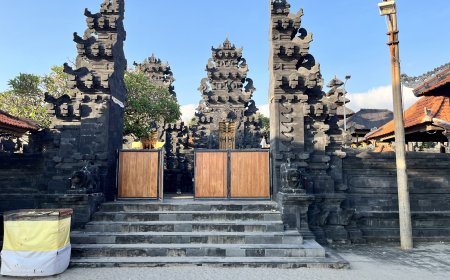
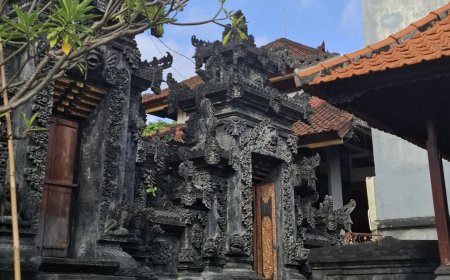
One of the distinctive features of Udyana Sambong Temple lies in its ancient architectural style, which has been carefully preserved to this day. The layout of the temple complex, its shrines, and traditional ornaments reflect the profound philosophical values of Balinese Hinduism. This authenticity serves as clear evidence of the community’s commitment to preserving their ancestral cultural heritage.
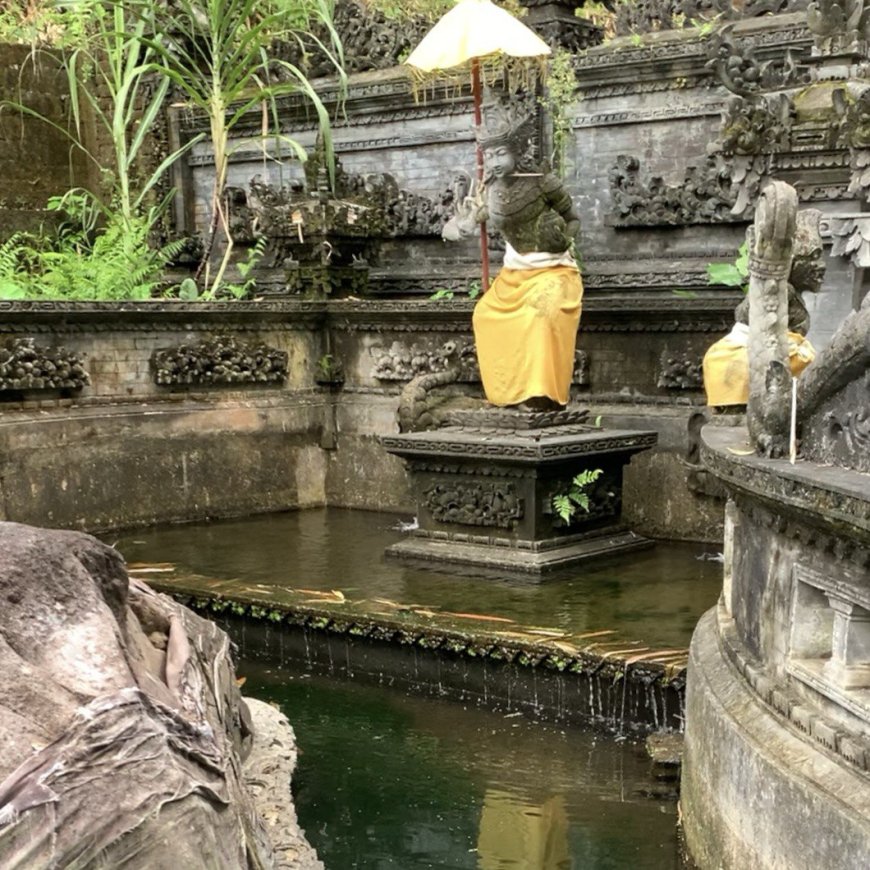
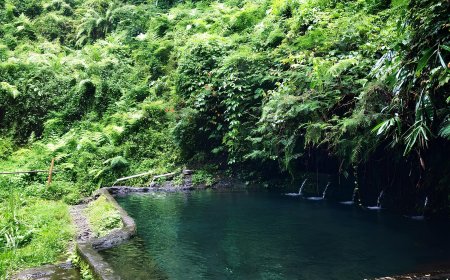
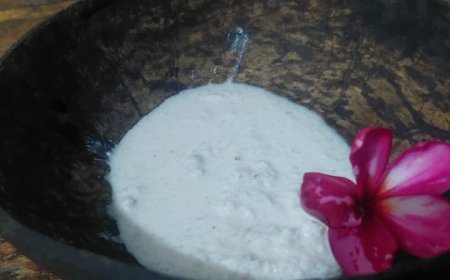
Natural Spring Water (Source: Personal Collection)ㅤ
Udyana Sambong Temple is also known for its tirta or holy water, which originates from a natural spring. This sacred water is believed to have existed prior to the construction of the temple and holds high spiritual value. It is used in various religious ceremonies and is believed to bring purity as well as spiritual balance to devotees who seek blessings.
Historically, Udyana Sambong Temple was built in the year Caka 1548, corresponding to the 17th century. The establishment of the temple took place on Anggara Kliwon Julungwangi, which coincided with 27 October 1626 during the month of Sasih Kapat. The temple was founded by Ida Danyang Wiraga Sandi, a spiritual figure who played a significant role in the religious history of North Bali. Therefore, the temple anniversary (piodalan) is still held every Anggara Kliwon Julungwangi as a form of reverence for the day the temple was established.
According to local narratives Ida Danyang Wiraga Sandi was undertaking a dharma yatra from Semarapura, specifically from Puri Gelgel in Klungkung, accompanied by his Brahmana family. This spiritual journey initially headed south, reaching the areas of Mount Majalangu and Tamblingan Hill. The journey then continued northward, where from a distance an asri tangi tree could be seen growing in the Kayu Putih area.
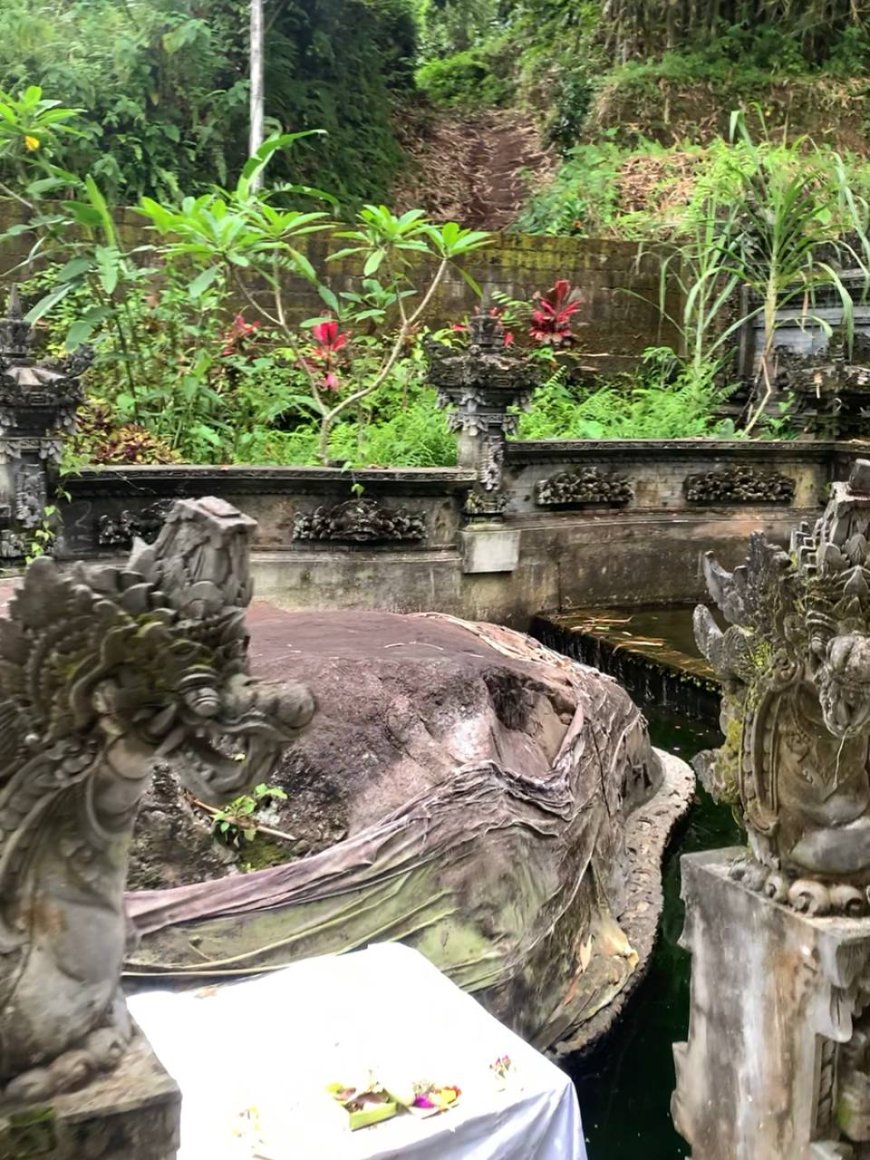
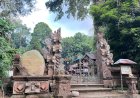
Sacred Meditation Stone (Source: Personal Collection)ㅤ
During this journey, Ida Danyang Wiraga Sandi paused after being approached by Ki Pasek Gobleg, who inquired about the purpose of his travels, whether he intended to return to Dwipa or to Java. Upon the request of Ki Pasek Gobleg, which was later granted approval by Ki Panji Sakti, Ida Danyang Wiraga Sandi was provided with a place to establish a pasraman, complete with sacred shrines and Toya Kelebutan, a holy spring originating from the Gunungsari area.
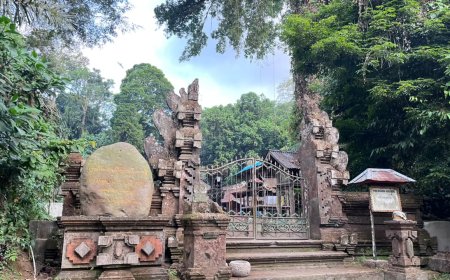
The granting of this place was intended to encourage Ida Danyang Wiraga Sandi to settle in Kayu Putih and to serve as nabe bhagawanta, a spiritual advisor to the king responsible for maintaining harmony and balance throughout the realm of Buleleng. In an area known as Telaga Sammong, which literally means “Tiger Lake,” Ida Danyang Wiraga Sandi is believed to have performed ascetic practices and meditation atop a large stone, ultimately attaining acintya bhuwana, the highest spiritual awareness of the true nature of the universe. This profound spiritual event became the foundation for the naming of Udyana Sambong Temple and further reinforced the sacredness of the area. To this day, the large stone that bears witness to this significant historical and spiritual event can still be found, serving as a tangible marker of the ancestral spiritual journey that continues to be revered and honored by the community.
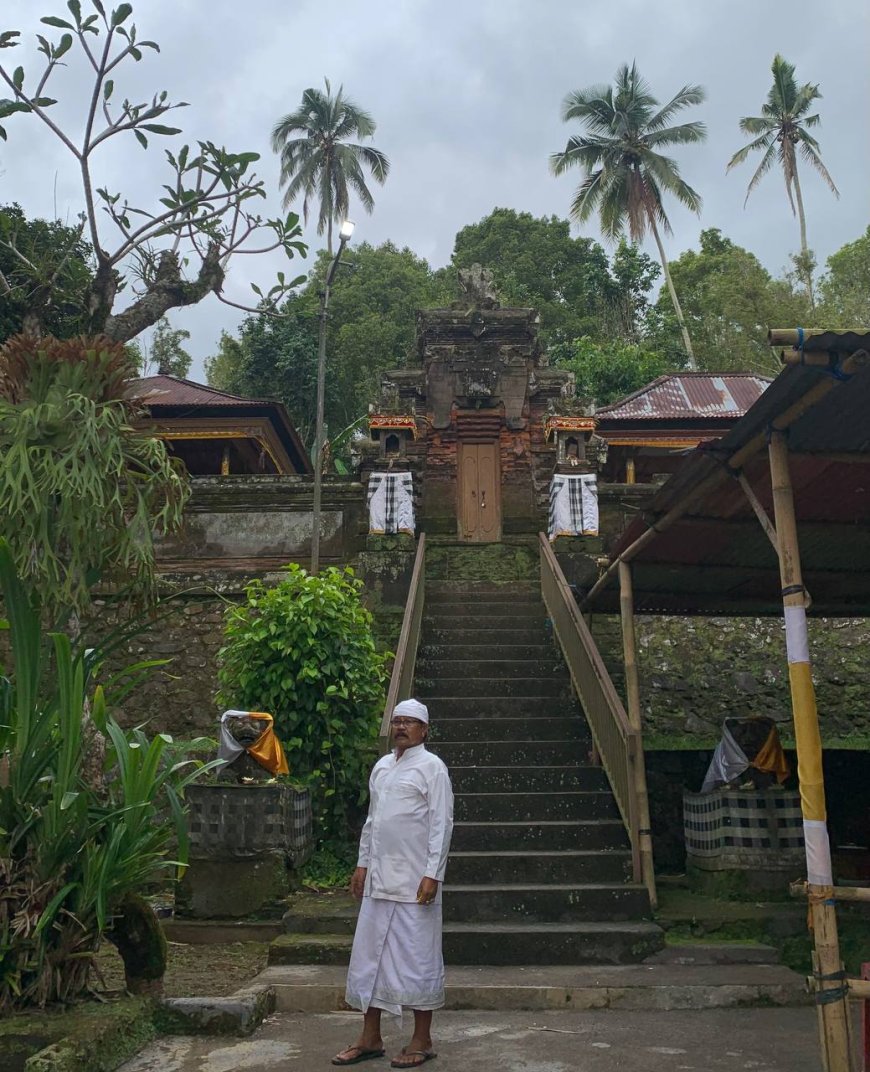
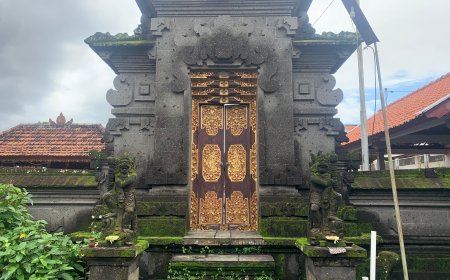
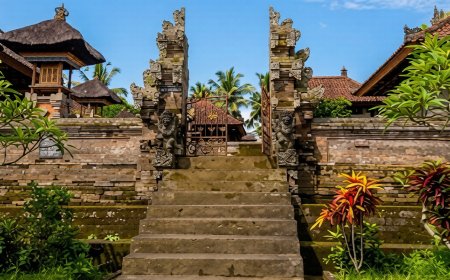
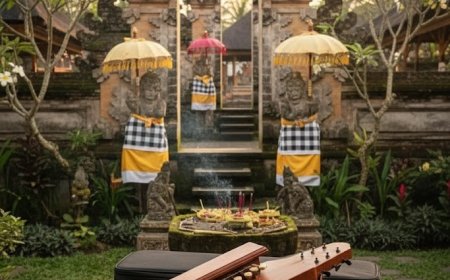
Entrance Gate to Udyana Sambong Temple (Source: Personal Collection)ㅤ
As this temple serves as a place of worship for Ida Bhatara Lelangit as an ancestral deity, Udyana Sambong Temple functions both as a temple and a kahyangan. In this sacred place, descendants (sentana) strengthen kinship ties, practicing the values of asah, asih, and asuh mutual learning, compassion, and care while uniting in togetherness as a means of preserving ancestral values. The temple becomes a spiritual space for remembering, honoring, and maintaining the sacred connection between present generations and their ancestors. The existence of Udyana Sambong Temple not only reinforces religious identity but also enriches the cultural heritage of North Bali, which continues to live and be preserved to this day, serving as a reminder of the importance of maintaining balance between spiritual values, ancestral traditions, and community life amid the progress of time.