



Hidden Behind Time, Pakakalan as a Tradition Determining Sacred Days in Bali (Part 3)
Behind every detail of daily life in Bali, there are quiet rules of time that guide everything from when it’s best to make fishing nets, when to build a house fence, to which day a keris should be forged so it carries strong taksu, and even which day is good for holding a wedding. All of this knowledge lives within the different kala, ancestral traditions that are still followed to this day.

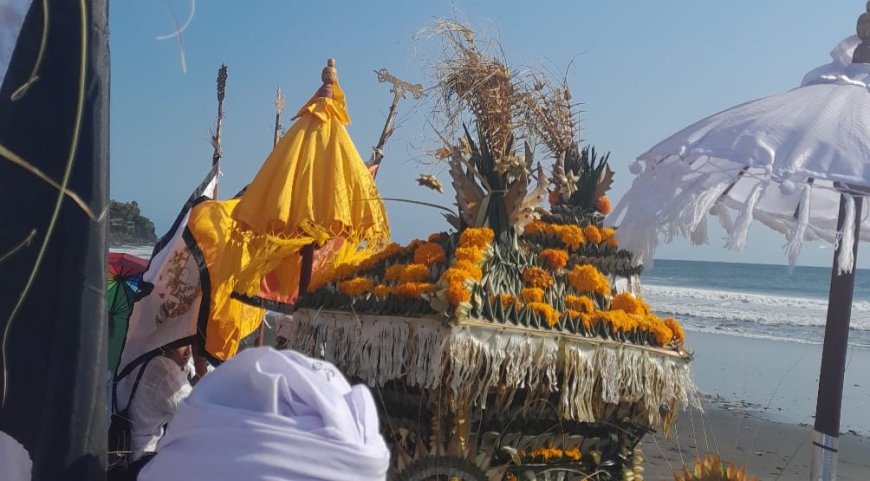
Pakakalan is an important component of the Balinese Wariga system that serves as a guideline for determining dewasa ayu and dewasa ala (auspicious and inauspicious days) based on the appearance of various manifestations of Kala. In Part 3, the discussion focuses on several types of Kala that are closely related to the creation of ritual and practical tools, the performance of yadnya ceremonies, as well as aspects of protection and human safety. This section follows the same writing structure as the previous parts by combining conceptual explanations, the function of each dewasa, and relevant examples of documented practices.
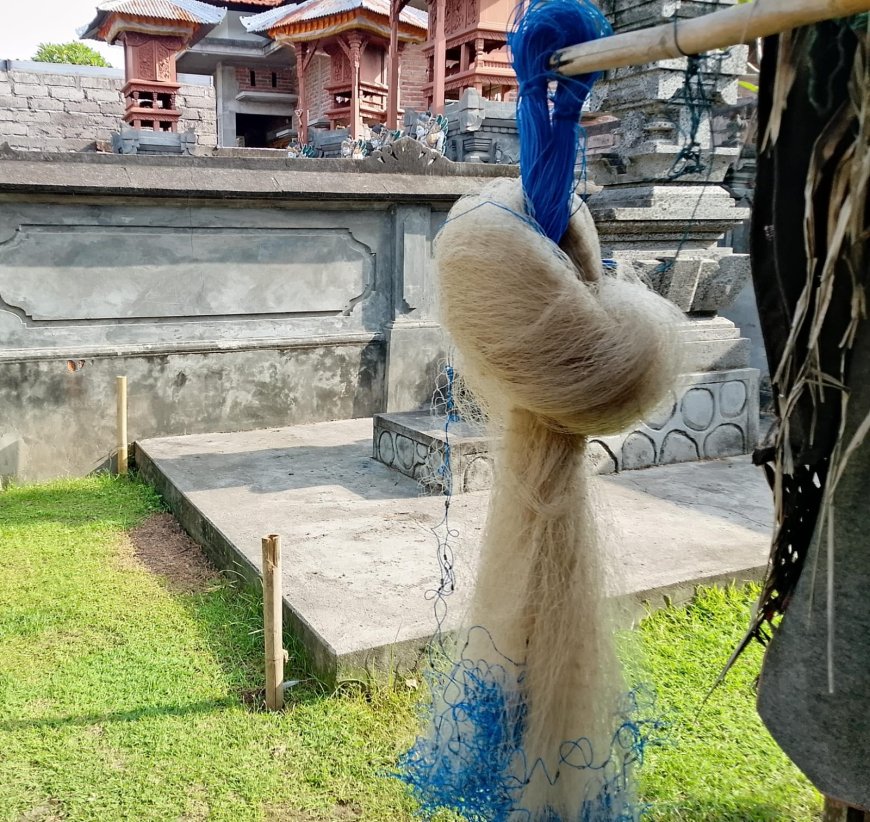
Kala Atat: An Auspicious Time for Making Fishing Nets (Source: Personal Collection)
Kala Atat is a manifestation of Kala whose appearance brings an auspicious time for making various types of ropes and bindings. In the daily life of Balinese society, this dewasa is considered highly suitable for producing fishing lines, animal reins, and fishing nets used by fishermen. The energy associated with Kala Atat is believed to support the strength, durability, and proper function of these materials so they can be used effectively.
According to the Wariga calculation, Kala Atat occurs on Redite Wuku Uye, Anggara Wuku Watugunung, and Budha Wuku Tambir. The use of Kala Atat emphasizes the importance of harmony between time and activity in the creation of rope-based tools, ensuring their strength, longevity, and optimal function in everyday life.
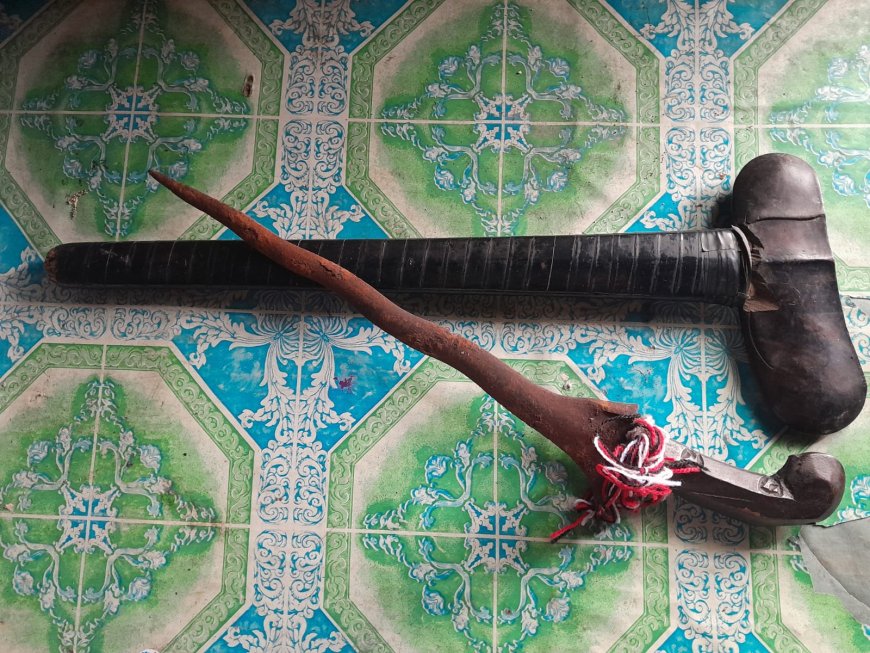
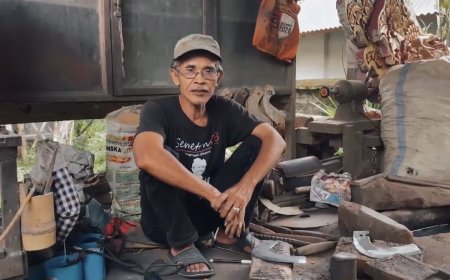
The Keris as a Means of Protection during Kala Macan and Kala Wikalpa (Source: Personal Collection)
Kala Macan and Kala Wikalpa are both associated with auspicious times for the creation of traditional weapons. Kala Macan brings dewasa ayu for crafting keris, tumbal, and other symbols of authority intended to cultivate respect and personal protection. The energy of this Kala is believed to support the formation of symbolic strength within the objects being created. Meanwhile, Kala Wikalpa is recognized as one of the most favorable dewasa for making keris, spears, and swords that function as tools of protection or self-guarding.
Kala Wikalpa occurs on Soma Wuku Uye and Bala, as well as Sukra Wuku Wayang and Watugunung, while Kala Macan appears on Wrhaspati Wuku Tambir. The combination of Kala Macan and Kala Wikalpa reflects a harmony between spiritual, symbolic, and practical functions embodied in the keris as a traditional Balinese weapon with values of protection and authority.
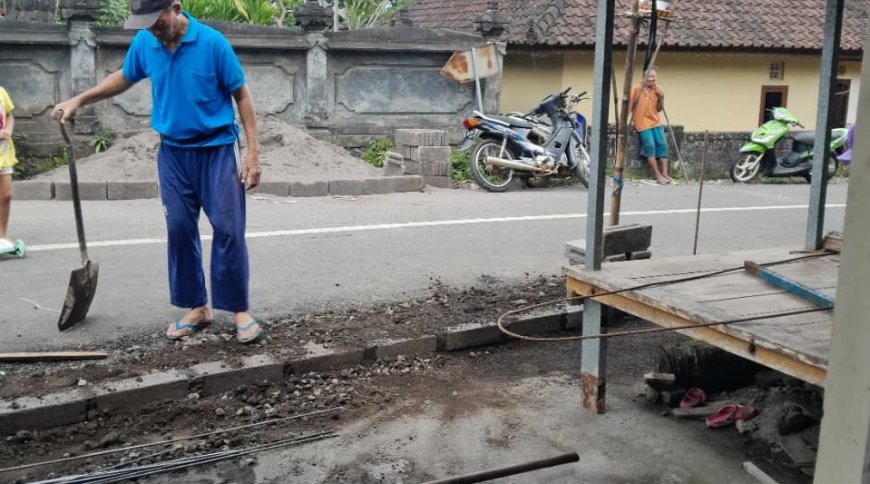
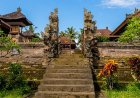
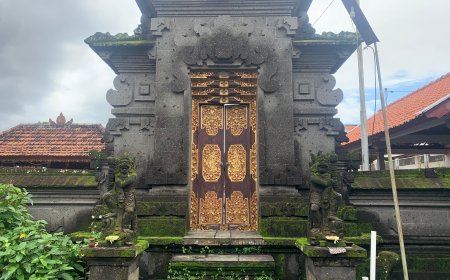
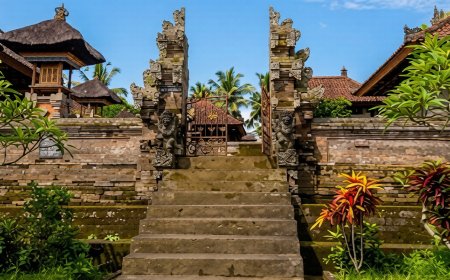
Kala Ngadeg: An Auspicious Time for Constructing Protective House Walls (Source: Personal Collection)
Kala Ngadeg is a manifestation of Kala that brings an auspicious time for constructing protective elements of a house, such as walls and fences. This dewasa is also recommended for building a kori or house entrance, as well as cages for poultry. The use of Kala Ngadeg is intended to ensure that the structures built possess strength, stability, and a protective function for the occupants.
Kala Ngadeg occurs on Redite Wuku Pujut and Kerulut, Soma Wuku Tambir and Kelau, and Sukra Wuku Warigadean. The application of this dewasa emphasizes the importance of establishing protection from the earliest stages of construction. Kala Ngadeg is believed to support the creation of walls and fences that serve as boundary guards and safeguards for the household. Choosing the appropriate dewasa during Kala Ngadeg is thought to bring a sense of security, structural durability, and long-term harmony for the residents.
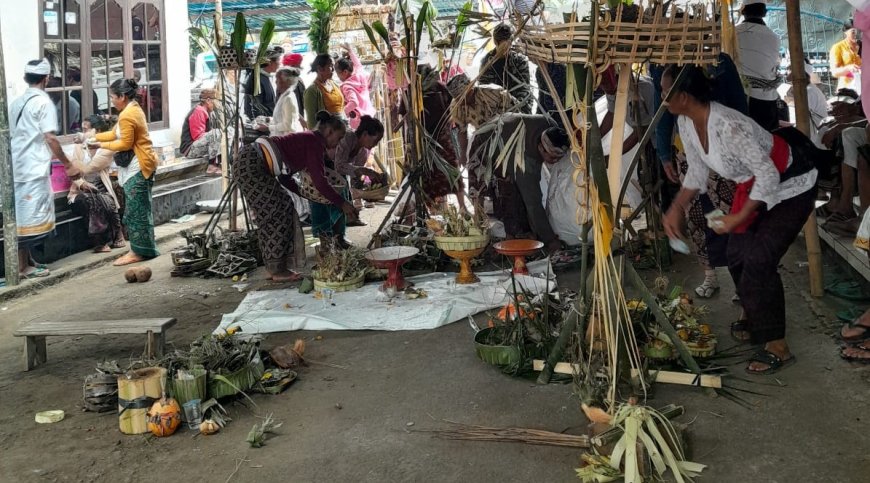
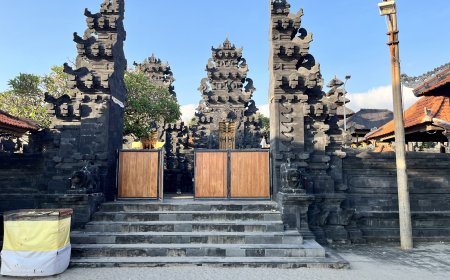
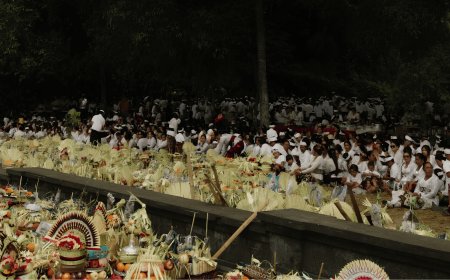
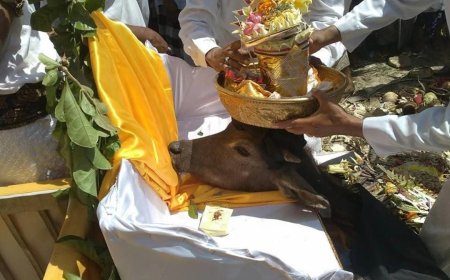
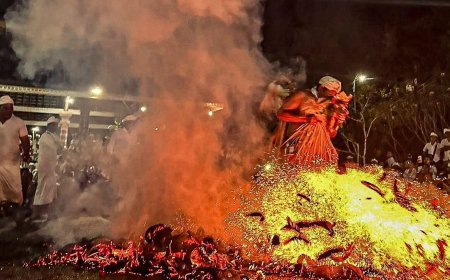
Kala Rahu: An Auspicious Time for Bhuta Yadnya Mecaru Ceremony (Source: Personal Collection)
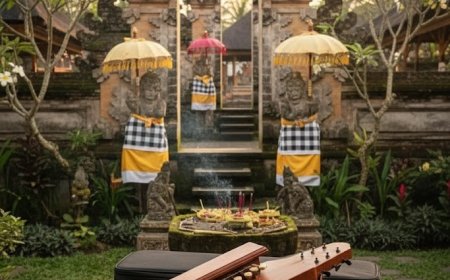
Kala Rahu is considered an inauspicious dewasa for conducting major ceremonies such as Dewa Yadnya, Rsi Yadnya, Pitra Yadnya, and Manusa Yadnya, and it is also not recommended for building or roofing a house. However, Kala Rahu brings an auspicious time for performing Caru dedicated to Bhuta Kala, as this ritual is not directly associated with the other forms of Catur Yadnya.
The use of Kala Rahu for Bhuta Yadnya is intended to maintain balance between the sekala (seen) and niskala (unseen) realms, thereby preserving cosmic harmony. Kala Rahu occurs on Redite Wuku Sinta, Sukra Wuku Gumbreg, and Saniscara Wuku Ukir, Kulantir, and Merakih.
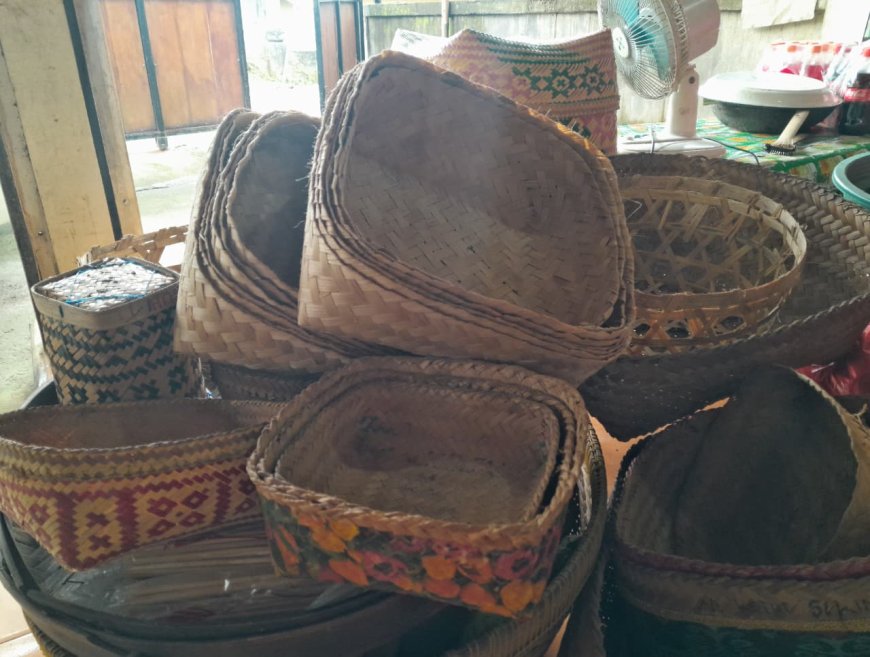
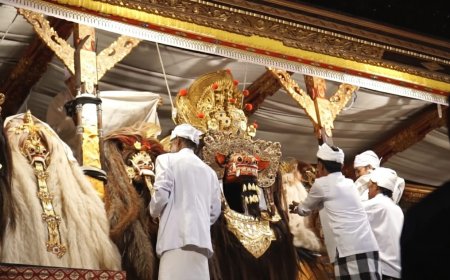
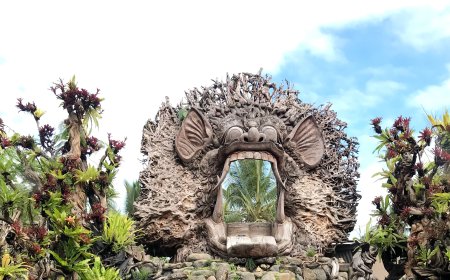
Kala Kilang-Kilung: An Auspicious Time for Woven Handicrafts (Source: Personal Collection)
Kala Kilang-Kilung is recognized as an auspicious dewasa for creating various types of barong, as well as a wide range of bamboo and rattan-based handicrafts. This dewasa strongly supports the production of woven items such as baskets, trays, and raka containers used by Hindus in religious activities. The creative energy present during Kala Kilang-Kilung is believed to encourage the creation of woven tools that are neat, sturdy, and highly functional in supporting ritual practices.
This dewasa is particularly suitable for crafting upakara and other ceremonial equipment that require precision and careful workmanship. Choosing Kala Kilang-Kilung is believed to result in works that are not only functional but also possess aesthetic value and long-lasting durability. Kala Kilang-Kilung occurs on Soma Wuku Kulantir and Wrhaspati Wuku Tambir.
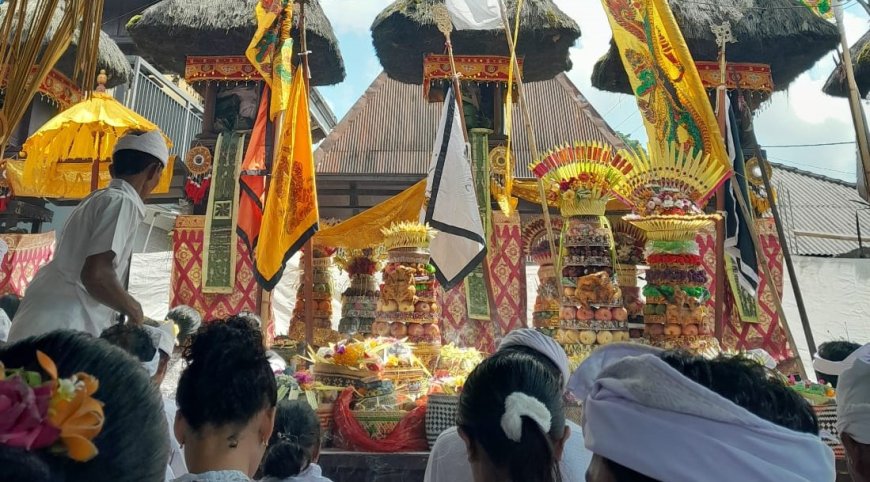
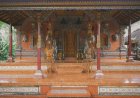
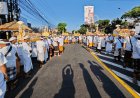
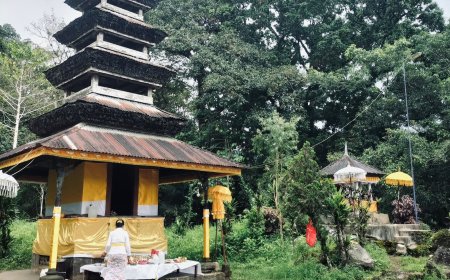
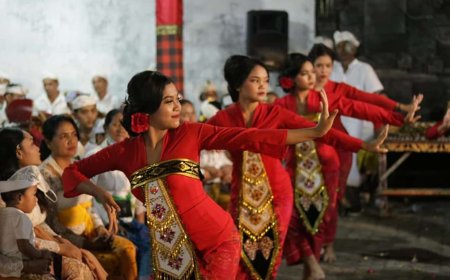
Kala Cakra: An Auspicious Time for Dewa Yadnya Piodalan Ceremony (Source: Personal Collection)
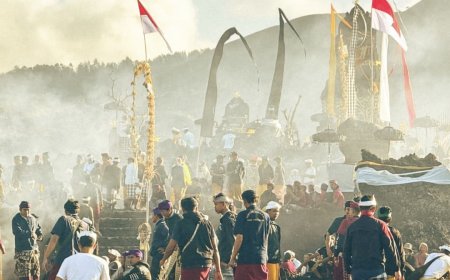
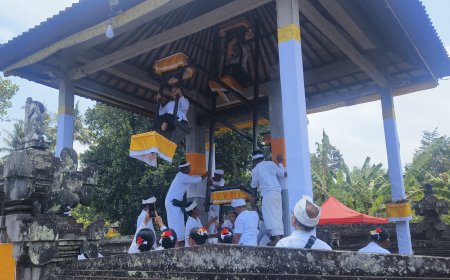
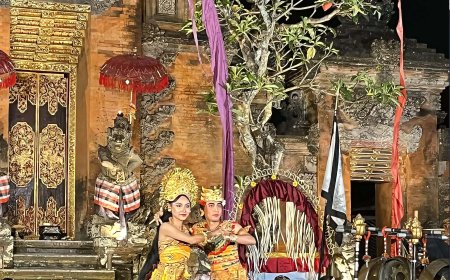
Kala Cakra is an auspicious dewasa that is directly associated with the performance of yadnya ceremonies, particularly Panca Yadnya. This Kala is highly recommended for prayer activities and the execution of Dewa Yadnya, including piodalan ceremonies held at temples. The appearance of Kala Cakra is determined by specific combinations of wara and wuku, one of which is Saniscara Wuku Menail. The use of Kala Cakra reflects the sacredness and harmonious energy that supports the proper performance of Dewa Yadnya in the spiritual life of Balinese society. Kala Cakra is believed to carry a sacred vibration that ensures the smooth execution of rituals and the sincerity of devotees in offering their devotion to Ida Sang Hyang Widhi Wasa. Therefore, Kala Cakra is strongly recommended for piodalan ceremonies and acts of worship, in order to create balance between devotion, timing, and ritual order.
Kala Patijengkang is a manifestation of Kala whose appearance brings an auspicious time for creating weweg and other spiritual means intended to repel negative or dark magical forces, as well as for producing tools related to warfare. However, this Kala is considered inappropriate for the performance of Panca Yadnya ceremonies. According to Wariga calculations, Kala Patijengkang occurs on Anggara Wuku Tambir, Budha Wuku Kuningan, Wrhaspati Wuku Langkir and Dukut, Sukra Wuku Uye, and Saniscara Wuku Ugu.
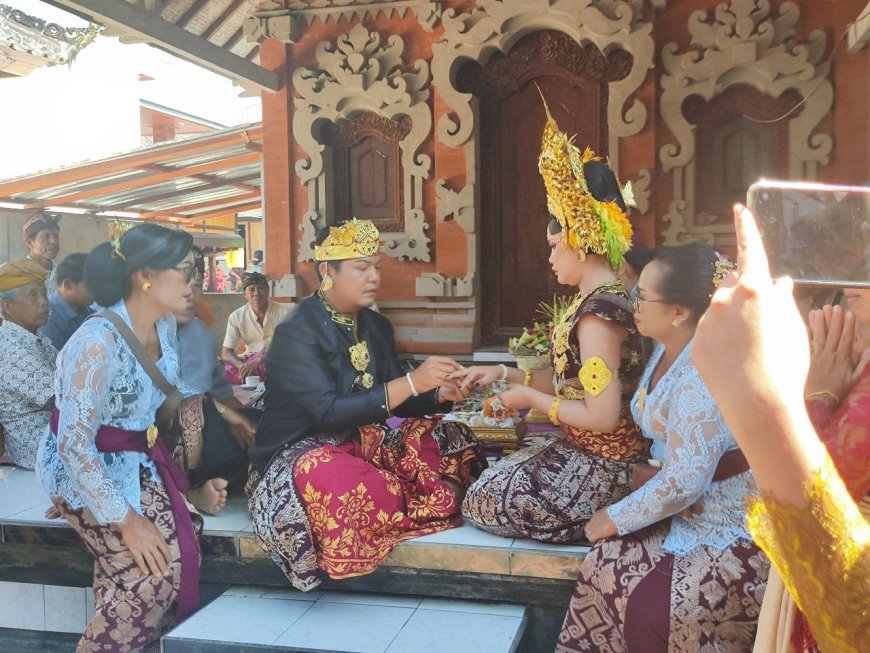
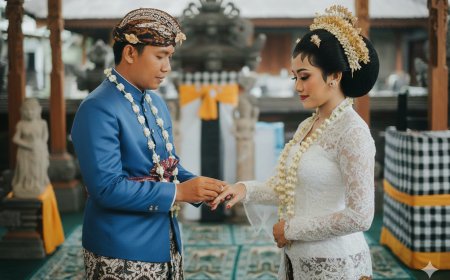
Kala Kingkingan: An Inauspicious Time for Marriage Ceremonies (Source: Personal Collection)
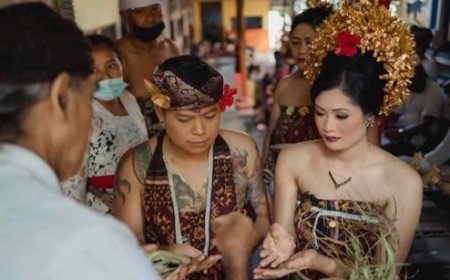
Kala Kingkingan is known as an inauspicious dewasa that is strictly prohibited for conducting marriage ceremonies or wiwaha. According to Wariga tradition, the use of this dewasa is believed to bring suffering and sorrow into married life. Therefore, Balinese society strongly avoids Kala Kingkingan for activities related to the union of two individuals. Kala Kingkingan occurs on Wrhaspati in conjunction with Wuku Kerulut.
Kala Wong is an inauspicious dewasa associated with activities aimed at beautifying or enhancing personal appearance. This dewasa is not recommended for engagements, marriage ceremonies, hair cutting, or other activities related to personal adornment. The presence of Kala Wong is believed to disturb the harmony of the outcomes of such activities. Kala Wong occurs on Budha during Wuku Medangkungan.
Kala Pati is classified as a very strong prohibitive dewasa within Wariga Pakakalan. This Kala is considered unfavorable for conducting any type of ceremony, including Dewa Yadnya, Rsi Yadnya, Manusa Yadnya, Pitra Yadnya, and Bhuta Yadnya, and is also regarded as inauspicious for all forms of work. Due to its heavy and restrictive nature, people generally avoid undertaking important activities when Kala Pati is present. Kala Pati occurs on Wrhaspati in conjunction with Wuku Matal.