















Munduk Forest: Lushness Behind the Mist as the Foundation of North Bali’s Ecological Resilience
Munduk Forest in the Buleleng highlands is a vital foundation of ecological resilience that functions as a natural "water tower" for the North Bali region through a unique mechanism of capturing fog moisture. Its presence is highly crucial because it supplies water reserves for Lake Buyan and Lake Tamblingan, which sustain the agriculture and tourism sectors, while also acting as a mechanical shield against landslides through its dense root systems. Amid the challenges of climate change and modernity, the synergy between local wisdom and active conservation is the primary key to preserving this ecosystem to guarantee the sustainability of life and Bali's natural balance for future generations.
Natural Symphony at the Highest Peaks of Buleleng
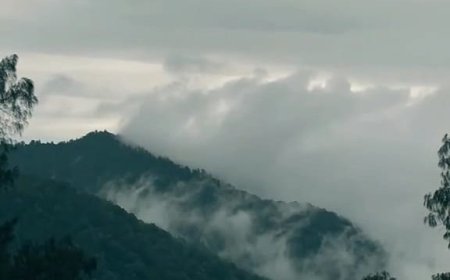
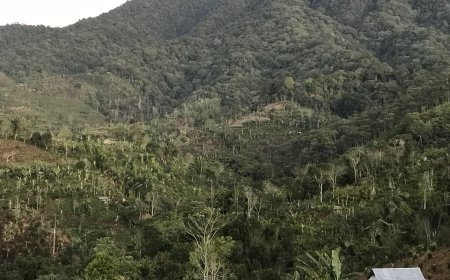
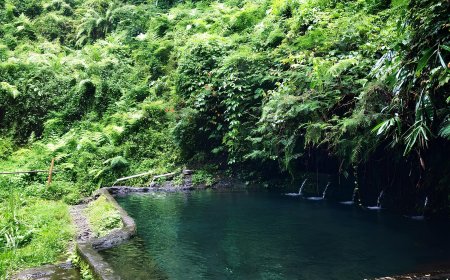
Munduk Forest stands majestically in the highland landscape of Buleleng Regency, becoming a green crown that envelops the mountain ridges of North Bali. This area is a stretch of montane rainforest situated at a strategic elevation where cold air meets high humidity from the coast. This phenomenon creates unique characteristics known as the "Cloud Forest", an ecosystem almost always shrouded in thick white vapor. Geographically, Munduk's position makes it the frontline that receives the first impact of wind and rain before they reach other regions in Bali, making it a crucial territory in the island's ecological map.
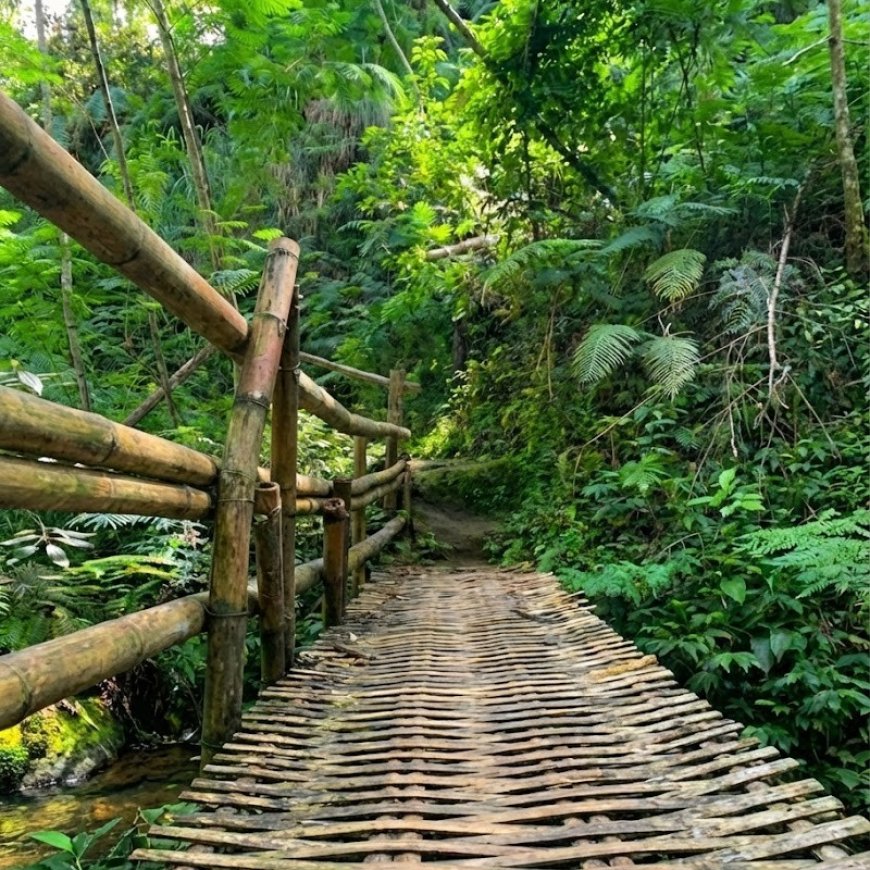
Bamboo Bridge Crossing the Pristine Munduk Tropical Forest (Source: Personal Collection)
The Guardian of the Breath and Lifeblood of North Bali
The importance of Munduk Forest goes beyond mere visual aesthetics for travelers. This forest functions as a natural "water tower" that serves as the source of life for thousands of souls below, from farmers in Pancasari to the coastal communities in Lovina. Why is this forest so vital? Because behind the density of its vegetation lies a water storage mechanism that feeds Lake Buyan and Lake Tamblingan, two of Bali's four main volcanic lakes which serve as the largest freshwater reserves. Indigenous communities and farmers belonging to the Subak system rely heavily on the stability of water discharge produced by this forest. Without the lush trees in Munduk, the hydrological balance of North Bali would collapse, triggering a water crisis that would paralyze both the agricultural and tourism sectors simultaneously.
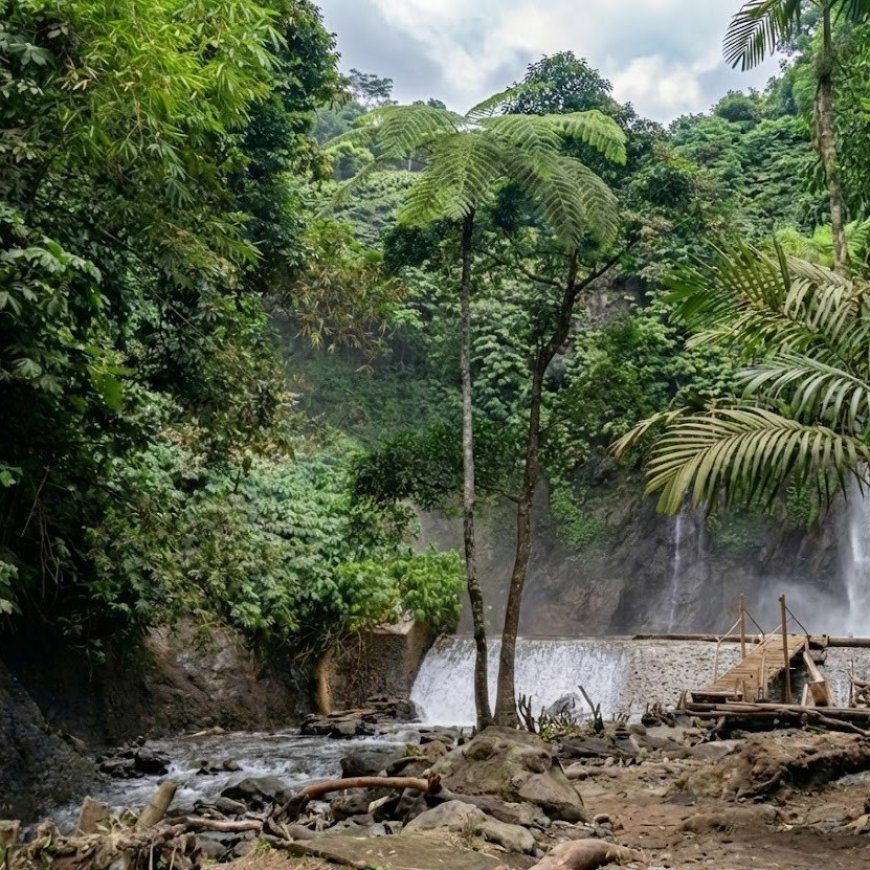
Bamboo Bridge Crossing the Pristine Munduk Tropical Forest (Source: Personal Collection)
Ecological Architecture Behind the Blanket of Mist
If we examine it further, the ecological resilience offered by Munduk Forest works through highly sophisticated biological mechanisms. Ancient trees with wide canopies and thick moss layers act as "giant nets" catching water droplets from passing mist, a process known in science as horizontal precipitation. This captured water does not immediately fall as a flood, but flows drop by drop through tree trunks and roots into deep groundwater aquifers. This highly complex and dense root structure also functions as a natural anchor binding the soil on Buleleng's steep, landslide-prone slopes. In this way, the forest independently performs disaster management and water conservation without the need for expensive human technological intervention.
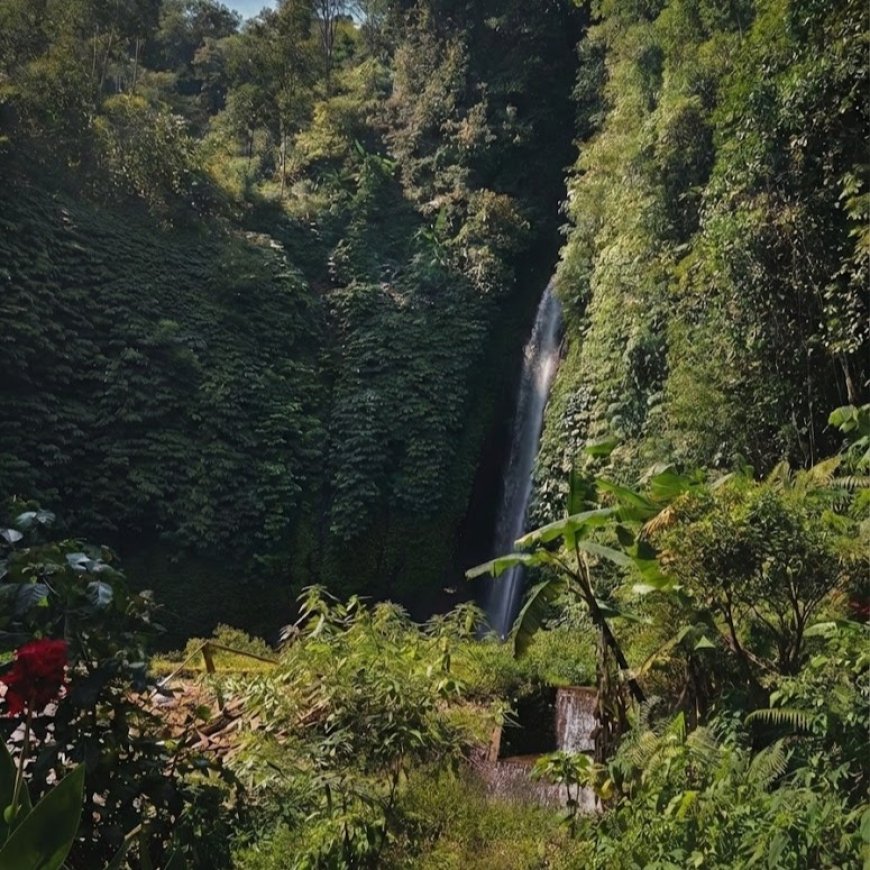
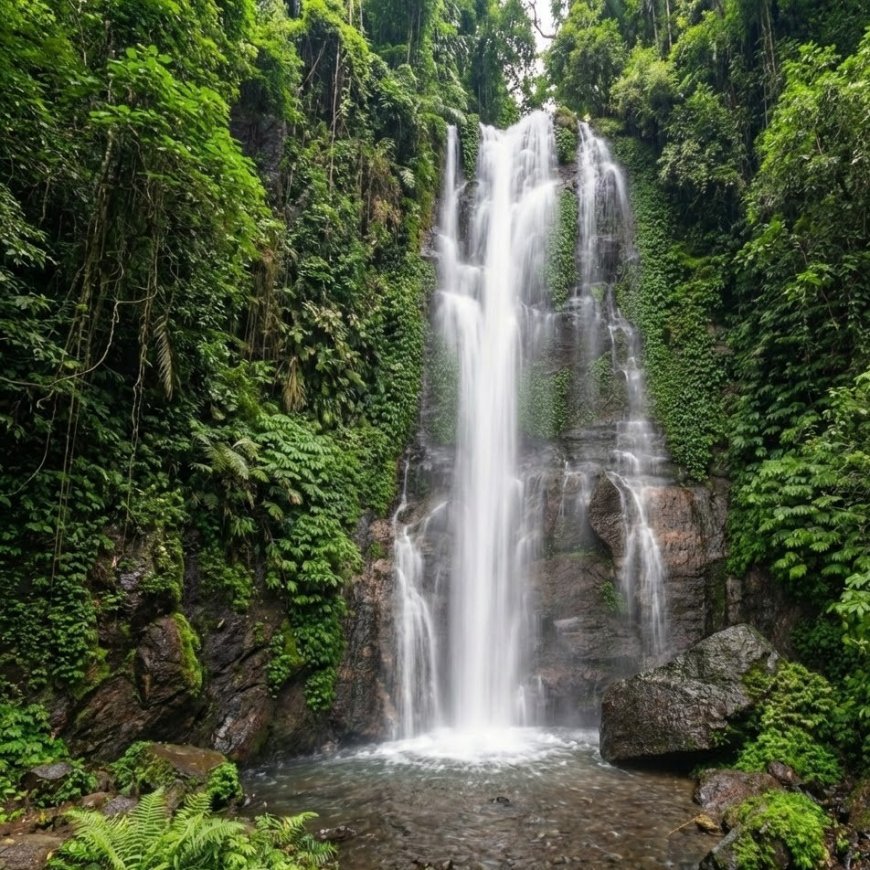
Panoramic View of the Towering Waterfall Behind Green Cliffs (Source: Personal Collection)
Challenges and Resilience on the Brink of Changing Times
Today, amidst the dynamics of global climate change and the rapid development of tourism support infrastructure, Munduk Forest faces unprecedented challenges. Slowly rising air temperatures are beginning to threaten the intensity of the mist that serves as the forest's primary moisture source. Therefore, conservation steps taken by local communities, the government, and environmentalists are now becoming more aggressive and structured. Reforestation efforts with endemic plants and the establishment of stricter protected zones are being promoted to ensure that forest cover does not decrease by even one percent. This awareness arises because the community realizes that every small disturbance to the Munduk ecosystem will have a domino effect on food availability and environmental security in the future.
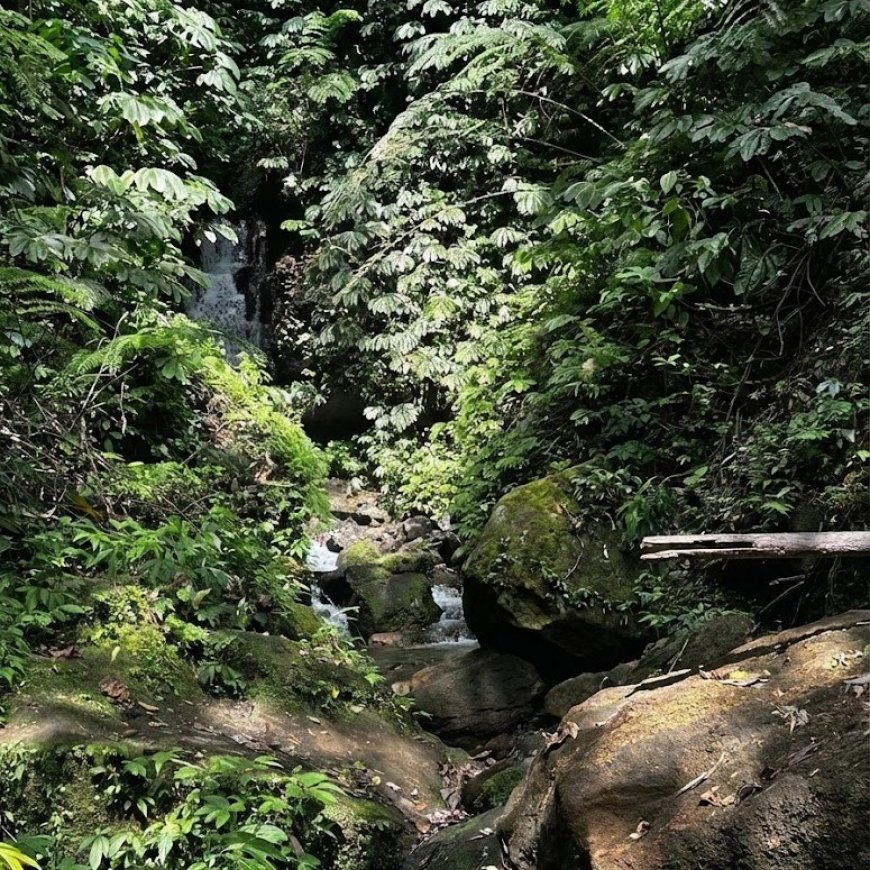
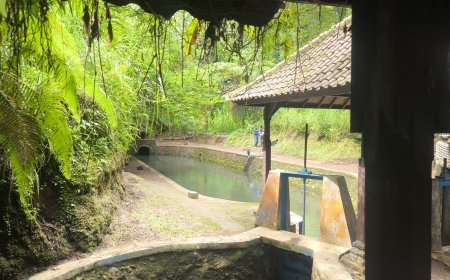
Clear Small Stream Flowing Between Mossy Rocks (Source: Personal Collection)
Preserving the Green Crown for Bali's Future
Establishing Munduk Forest as a foundation of ecological resilience is a long-term commitment involving synergy between local wisdom and modern policy. The future vision is no longer just about maintaining what exists, but restoring areas that were once degraded so their protective functions return to an optimal state. The ecological toughness of North Bali depends heavily on how strongly we guard the lush forest behind this mist. By protecting Munduk, we are actually safeguarding cultural heritage and the survival of future generations. This article serves as a reminder that behind the cold mist, there is a system working tirelessly to ensure Bali remains a green, fertile, and resilient island facing the challenges of the times.